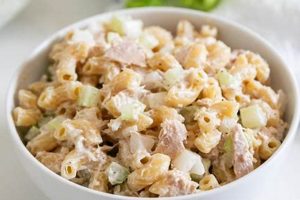
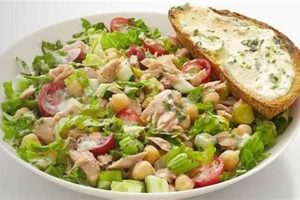
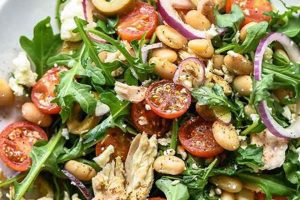
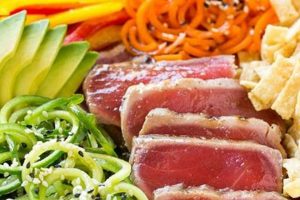
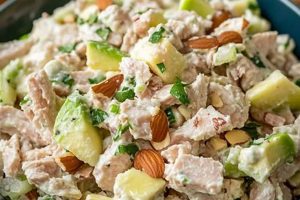
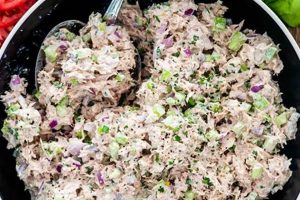
A tuna salad prepared without mayonnaise offers a lighter alternative to the traditional recipe. This approach often involves substituting the mayonnaise with ingredients like Greek yogurt, avocado, or a vinaigrette dressing made with olive oil, lemon juice, and herbs. A typical preparation might include canned tuna, celery, red onion, and a chosen mayonnaise alternative, seasoned with salt, pepper, and other spices.
This style of tuna salad appeals to those seeking a lower-fat, lower-calorie option, as well as individuals with dietary restrictions or those who simply prefer the flavor profile. It can also be a healthier choice, given mayonnaise’s high saturated fat content. Historically, mayonnaise-based salads gained popularity with the increased availability of commercial mayonnaise. Recipes omitting mayonnaise likely predate this era, reflecting earlier culinary practices where oil and vinegar dressings were more common.
Variations on this theme are numerous, ranging from Mediterranean-inspired versions with olives and feta cheese to those incorporating fruits like grapes or apples. The versatility of this preparation allows for customization based on individual preferences and dietary needs, making it a practical and appealing choice for a wide range of individuals.
Tips for Crafting Delicious Mayonnaise-Free Tuna Salad
Creating a flavorful and satisfying tuna salad without mayonnaise requires careful consideration of ingredient selection and preparation techniques. The following tips offer guidance for achieving optimal results.
Tip 1: Drain the Tuna Thoroughly: Excess liquid can dilute the flavor and create a watery consistency. Ensure the tuna is well-drained before combining it with other ingredients.
Tip 2: Choose a Quality Tuna: Opt for tuna packed in water or olive oil rather than oil. Higher-quality tuna typically offers a better flavor and texture.
Tip 3: Explore Flavorful Alternatives to Mayonnaise: Greek yogurt, mashed avocado, or a homemade vinaigrette can provide creaminess and depth of flavor while keeping the salad light and healthy. Experiment with different combinations to find a preferred profile.
Tip 4: Incorporate Fresh Herbs and Spices: Dill, parsley, chives, and celery seed can enhance the flavor profile. A pinch of red pepper flakes can add a touch of heat.
Tip 5: Add Texture with Crunchy Vegetables: Finely diced celery, red onion, or bell peppers provide a satisfying crunch. Consider adding water chestnuts or chopped walnuts for additional textural contrast.
Tip 6: Season Carefully: Salt and freshly ground black pepper are essential. A squeeze of lemon juice can brighten the flavors and enhance the overall taste.
Tip 7: Chill Before Serving: Allowing the salad to chill in the refrigerator for at least 30 minutes allows the flavors to meld and enhances the overall experience.
By following these tips, one can create a delicious and healthy tuna salad that rivals traditional mayonnaise-based versions. The resulting dish offers a lighter, brighter flavor profile and greater versatility for incorporating various ingredients and seasonings.
These guidelines provide a foundation for creating personalized versions to suit individual tastes and preferences. Experimentation with different ingredients and flavor combinations can lead to exciting culinary discoveries.
1. Healthier Alternative

The “healthier alternative” aspect of tuna salad made without mayonnaise stems primarily from reducing saturated fat and calorie intake. Traditional mayonnaise, a key ingredient in classic tuna salad, contributes significantly to these two dietary concerns. Substituting mayonnaise with alternatives like Greek yogurt, avocado, or a light vinaigrette drastically reduces the overall fat and calorie content, making the dish a more healthful option. For instance, a two-tablespoon serving of mayonnaise can contain upwards of 20 grams of fat and 200 calories, whereas the same amount of plain Greek yogurt typically contains less than 5 grams of fat and around 20 calories. This substantial difference highlights the significant impact of the substitution on the nutritional profile of the final dish.
This reduction in saturated fat is particularly relevant for individuals managing cholesterol levels or heart health. Replacing mayonnaise with lower-fat options directly addresses this concern, providing a satisfying and flavorful meal choice that aligns with dietary restrictions. Further, the lower calorie content can be beneficial for weight management. The increased nutritional value offered by some alternatives, such as the protein and probiotics in Greek yogurt, or the healthy fats and fiber in avocado, further enhances the health benefits. These alternatives not only reduce undesirable components but also contribute positively to overall nutritional intake.
The ability to create a healthier version of a beloved classic expands the accessibility of this dish to a wider range of individuals. It offers a practical solution for those seeking to make more health-conscious choices without sacrificing flavor or satisfaction. The adaptability of the recipe allows for further customization with the inclusion of other healthy ingredients such as fresh vegetables and lean protein sources, maximizing nutritional value. This approach empowers individuals to maintain dietary goals while enjoying a familiar and versatile meal.
2. Flavor Customization

Flavor customization represents a significant advantage of no-mayo tuna salad recipes. The absence of mayonnaise, with its distinct and often dominant flavor profile, creates a neutral canvas for culinary exploration. This neutrality allows the inherent flavor of the tuna to take center stage, complemented by a wider array of ingredients and seasonings. Classic tuna salad, reliant on mayonnaise, often finds its flavor profile limited by the creamy condiment’s inherent taste. The no-mayo approach, however, unlocks a broader spectrum of flavor possibilities.
This expanded potential for flavor customization manifests in various practical applications. Mediterranean-inspired variations can incorporate ingredients such as Kalamata olives, feta cheese, capers, and oregano. Asian-influenced versions might include soy sauce, ginger, sesame oil, and sriracha. The flexibility extends to incorporating fresh herbs, spices, and even fruits like grapes or chopped apples. The choice of the mayonnaise substitute itselfGreek yogurt, avocado, or a vinaigrettefurther contributes to flavor customization. Each substitute imparts its own unique characteristics, offering a distinct base upon which to build a complex flavor profile.
Understanding the interplay between ingredient choices and resulting flavors empowers culinary creativity. The variability inherent in no-mayo tuna salad recipes provides a platform for experimentation and personalization. One can adjust the intensity of flavors by varying the quantities of herbs, spices, or other add-ins. The result is a dish tailored to individual preferences, offering a wider range of flavor experiences compared to traditional mayonnaise-based preparations. This customization potential contributes significantly to the appeal and versatility of no-mayo tuna salad, solidifying its position as a valuable and adaptable culinary option.
3. Versatile Ingredients

Ingredient versatility distinguishes “no mayo tuna salad recipes” from traditional mayonnaise-based versions. The absence of mayonnaise, a dominant flavor, expands the range of compatible ingredients, facilitating diverse flavor profiles and catering to various dietary needs and preferences. This adaptability positions the no-mayo approach as a highly customizable culinary foundation.
- Protein Choices
While tuna remains the star, the recipe accommodates other protein sources. Chickpeas, cannellini beans, or shredded chicken can be incorporated or substituted, offering vegetarian or leaner protein options. This adaptability expands the nutritional profile and allows for variations catering to different dietary preferences. Combining tuna with other protein sources can also create a more texturally complex and satisfying meal.
- Produce Flexibility
Standard additions like celery and onion can be complemented or replaced by a wide array of vegetables. Chopped bell peppers, cucumbers, shredded carrots, or even chopped water chestnuts introduce varied textures and flavors. This versatility allows for seasonal adjustments and personalized flavor combinations, ensuring nutritional value and culinary interest. Incorporating seasonal produce also maximizes freshness and flavor.
- Flavor Enhancers
Herbs, spices, and other flavoring agents play a crucial role in defining the character of the salad. Fresh dill, parsley, chives, or cilantro add brightness. Spices like curry powder, cumin, or smoked paprika introduce depth and complexity. The absence of mayonnaise allows these subtle flavors to shine, offering a broader palette for culinary expression than traditional recipes. Experimentation with different flavor combinations allows for personalized flavor profiles.
- Binding Agents and Dressings
The choice of the mayonnaise alternative significantly impacts the overall flavor and texture. Greek yogurt provides a tangy creaminess, while mashed avocado offers a rich, buttery texture. Vinaigrettes made with olive oil, lemon juice, and herbs create a lighter, brighter profile. The selected binding agent serves as a foundation upon which other flavors are layered, highlighting the versatility of the no-mayo approach.
These facets of ingredient versatility highlight the adaptability of “no mayo tuna salad recipes.” This adaptability extends beyond flavor profiles to accommodate dietary restrictions and personal preferences, solidifying its role as a versatile and customizable culinary option. The ability to interchange ingredients not only broadens culinary possibilities but also promotes balanced nutrition and reduces reliance on a single, potentially limiting ingredient like mayonnaise.
4. Texture Variations
Texture plays a crucial role in the overall enjoyment of no-mayo tuna salad. Unlike traditional tuna salad where the mayonnaise provides a uniformly creamy texture, the no-mayo version offers opportunities for a more dynamic and nuanced textural experience. This stems from the variety of mayonnaise substitutes and the ability to incorporate ingredients that contribute contrasting textures.
The choice of mayonnaise alternative significantly influences the base texture. Greek yogurt provides a creamy texture, albeit lighter and tangier than mayonnaise. Mashed avocado offers a smooth, buttery richness. A vinaigrette, on the other hand, creates a lighter, less creamy base, allowing the textures of other ingredients to become more prominent. This foundational textural difference allows for customization based on individual preferences. Adding ingredients like chopped celery, red onion, or water chestnuts introduces a desirable crunch, contrasting with the softer texture of the tuna and chosen base. Nuts, such as chopped walnuts or pecans, provide another layer of textural complexity. Even the type of tuna used can influence texturechunk light tuna offers a flakier texture compared to solid white tuna.
The ability to manipulate texture in no-mayo tuna salad enhances its culinary appeal. A well-balanced combination of texturescreamy, crunchy, and potentially flakycreates a more engaging and satisfying sensory experience. Understanding the textural contributions of different ingredients empowers culinary creativity and allows for tailoring the final product to specific preferences. This textural versatility sets no-mayo tuna salad apart, offering a broader range of culinary possibilities compared to its traditional counterpart.
5. Dietary Accommodations
Dietary accommodations represent a significant advantage of no-mayo tuna salad recipes. Eliminating mayonnaise, a common allergen and ingredient high in saturated fat, opens doors for individuals with specific dietary needs. This adaptability makes the dish inclusive and accessible to a broader range of people. Classic tuna salad, heavily reliant on mayonnaise, often presents challenges for individuals with dietary restrictions. The no-mayo approach provides a flexible foundation for customization.
Several dietary restrictions benefit from this adaptability. Individuals with egg allergies, for whom mayonnaise is problematic, find a safe and delicious alternative in no-mayo versions. Lactose intolerance, often aggravated by dairy in commercial mayonnaise, is easily managed with dairy-free substitutes like avocado or plant-based yogurt. Those following gluten-free diets benefit from the naturally gluten-free nature of the core ingredients, ensuring compatibility without complex substitutions. Further, individuals managing cholesterol or heart health benefit from the reduced saturated fat content achieved by omitting mayonnaise.
Practical applications of this dietary flexibility are numerous. School lunches can cater to diverse student needs with customized no-mayo tuna salads. Potlucks and social gatherings become more inclusive, offering options for guests with varying dietary requirements. Meal prepping for specific diets simplifies with the adaptable nature of the recipe. The no-mayo tuna salad offers a practical and inclusive solution, expanding culinary options for individuals across a spectrum of dietary needs. This adaptability strengthens its value as a versatile and accessible meal choice.
6. Simplified Preparation
Simplified preparation often motivates the choice of a no-mayo tuna salad recipe. Traditional tuna salad, while straightforward, involves measuring and incorporating mayonnaise, which can sometimes require specific storage and handling considerations. Recipes omitting mayonnaise streamline the process. Canned tuna, readily available and requiring minimal preparation, forms the base. Common pantry staples like celery, onion, and seasonings complete the ingredient list, simplifying shopping and reducing preparation time. This streamlined approach proves particularly appealing for quick lunches, impromptu meals, or situations where minimal cooking equipment or time is available. For example, a no-mayo tuna salad can be assembled in minutes at a campsite or in a work breakroom, offering a convenient and satisfying meal option without requiring refrigeration or extensive preparation.
The reduced ingredient list inherent in no-mayo tuna salad recipes simplifies not only the assembly process but also recipe adaptation. Flavor customization becomes easier with fewer core components to balance. Substituting ingredients based on dietary needs or personal preferences presents less of a challenge than adjusting a more complex recipe. This ease of adaptation promotes experimentation and allows for personalized variations without significant culinary expertise. Consider the ease of substituting chickpeas for tuna to create a vegetarian version or swapping Greek yogurt for avocado to adjust the fat content. These modifications require minimal adjustments to the remaining ingredients, highlighting the inherent simplicity of the no-mayo approach.
The simplicity of no-mayo tuna salad recipes enhances their practicality and accessibility. This streamlined approach encourages healthy eating habits by removing perceived barriers to meal preparation. The reduced time commitment and minimal ingredient list make these recipes ideal for busy individuals, novice cooks, or those seeking convenient, nutritious meal options. This inherent simplicity contributes significantly to the sustained popularity and adaptability of no-mayo tuna salad as a versatile culinary staple.
Frequently Asked Questions
This section addresses common inquiries regarding tuna salad prepared without mayonnaise. The provided information aims to clarify potential uncertainties and offer practical guidance for recipe preparation and adaptation.
Question 1: How can one achieve a creamy texture without mayonnaise?
Several alternatives offer creamy consistency. Greek yogurt provides a tangy creaminess, while mashed avocado contributes a rich, buttery texture. Hummus or blended cottage cheese can also be used for a different flavor profile.
Question 2: What are suitable replacements for the traditional celery and onion?
Chopped bell peppers, cucumbers, or shredded carrots offer textural and flavor variations. Water chestnuts provide a satisfying crunch, while chopped apples or grapes introduce a touch of sweetness.
Question 3: Is canned tuna packed in oil acceptable for no-mayo tuna salad?
While acceptable, tuna packed in water is generally preferred. It offers a cleaner flavor profile and reduces overall fat content. If using oil-packed tuna, drain the oil thoroughly before incorporating other ingredients.
Question 4: How can one adjust the flavor profile of no-mayo tuna salad?
Fresh herbs like dill, parsley, or chives add brightness. Spices such as curry powder, cumin, or paprika introduce depth. Lemon juice or vinegar enhance the overall flavor and provide a tangy element.
Question 5: What are optimal storage practices for no-mayo tuna salad?
Store the prepared salad in an airtight container in the refrigerator. It typically remains fresh for up to three days. Prompt refrigeration after preparation helps maintain optimal quality and safety.
Question 6: Can no-mayo tuna salad be frozen?
Freezing is generally not recommended. The texture of the ingredients, particularly the chosen mayonnaise alternative, may be negatively affected upon thawing. It is best to prepare and consume the salad within a few days.
These responses provide practical guidance for navigating the nuances of no-mayo tuna salad preparation. The flexibility of the recipe allows for adaptation based on individual preferences and dietary needs, showcasing its versatility as a culinary option.
Further exploration of no-mayo tuna salad recipes can lead to customized variations and exciting culinary discoveries.
Conclusion
Exploration of the “no mayo tuna salad recipe” reveals a versatile and adaptable culinary approach. Analysis demonstrates the recipe’s capacity to accommodate diverse dietary needs, facilitate flavor customization, and simplify meal preparation. Key advantages include reduced fat and calorie content, expanded ingredient compatibility, and enhanced textural variation compared to traditional mayonnaise-based preparations. The recipe’s inherent flexibility empowers culinary creativity, allowing for personalized flavor profiles and ingredient combinations.
The “no mayo tuna salad recipe” presents a valuable contribution to contemporary culinary practice. Its adaptability positions it as a relevant and evolving dish, suitable for a range of settings from quick weeknight meals to health-conscious gatherings. Continued exploration of this recipe promises further culinary innovation and reinforces its significance as a practical and flavorful dietary option.