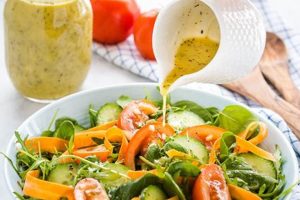
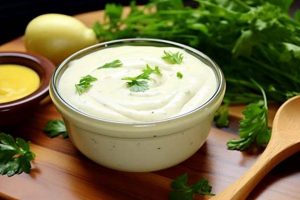
Creamy, flavorful salad dressings often contribute significant calories and fat to otherwise healthy meals. A dressing based on Greek yogurt offers a nutritious and lower-calorie alternative to traditional options like mayonnaise or oil-based dressings. This approach typically involves combining plain, nonfat or low-fat Greek yogurt with ingredients such as herbs, spices, citrus juices, and vinegar to achieve desired flavors.
The benefits of this style of dressing are numerous. Greek yogurt is a protein-rich food, which contributes to satiety and helps maintain muscle mass. It is also a good source of calcium and probiotics. By using Greek yogurt as a base, the overall calorie and fat content of a salad dressing can be significantly reduced without sacrificing flavor or texture. This makes it a valuable component in calorie-conscious diets and for those seeking healthier eating habits. Historically, yogurt has been a staple in Mediterranean diets, known for their health benefits, and its incorporation into salad dressings reflects this culinary tradition.
The following sections will explore various flavor combinations and preparation techniques for creating delicious and healthful yogurt-based dressings, along with tips for ingredient selection and storage.
Tips for Creating Delicious Low-Calorie Greek Yogurt Salad Dressings
The following tips offer guidance for maximizing flavor and achieving desired consistency when preparing low-calorie salad dressings with a Greek yogurt base.
Tip 1: Start with plain, nonfat Greek yogurt. Flavored varieties often contain added sugars and unnecessary calories. Plain yogurt allows for complete control over the final flavor profile.
Tip 2: Enhance the flavor with fresh herbs and spices. Dill, mint, chives, parsley, oregano, and basil are excellent choices. Garlic powder, onion powder, paprika, and cumin can add depth and complexity.
Tip 3: Incorporate acidity with citrus juice or vinegar. Lemon juice, lime juice, apple cider vinegar, and red wine vinegar brighten the flavor and balance the richness of the yogurt. Start with small amounts and adjust to taste.
Tip 4: Thicken the dressing with a touch of mustard. Dijon mustard or stone-ground mustard contributes flavor and helps emulsify the dressing, preventing separation.
Tip 5: Adjust the consistency with water or milk. If the dressing is too thick, thin it gradually with a small amount of water or skim milk until the desired consistency is reached.
Tip 6: Season carefully with salt and pepper. Start with a small amount of salt and add more as needed. Freshly ground black pepper enhances the overall flavor profile.
Tip 7: Store dressings in an airtight container in the refrigerator. Properly stored dressings typically last for up to five days.
By following these tips, flavorful, low-calorie Greek yogurt-based salad dressings can be easily created. This allows for healthier eating choices without sacrificing taste or satisfaction.
With a variety of flavor combinations and customization options, incorporating these dressings into meal plans offers a sustainable approach to healthy eating.
1. Greek Yogurt Base

Greek yogurt serves as the foundational component of low-calorie dressings, offering distinct advantages over traditional bases like mayonnaise or heavy cream. Its high protein content contributes to a creamy texture while keeping calories low. This protein base also provides satiety, potentially reducing overall calorie intake. The tangy flavor profile of Greek yogurt complements a wide range of herbs, spices, and acidic ingredients, allowing for diverse flavor profiles without relying on high-calorie additions. For example, a standard mayonnaise-based ranch dressing can contain upwards of 100 calories per serving, whereas a Greek yogurt-based version can achieve similar flavor and texture for significantly fewer calories. This difference allows for greater flexibility within calorie-controlled meal plans.
The versatility of Greek yogurt as a base extends beyond simple dressings. Its thick consistency provides a stable emulsion, reducing the likelihood of separation commonly seen in vinaigrette-style dressings. This stability allows for meal prepping and advance preparation without compromising texture. Furthermore, the nutritional profile of Greek yogurt, rich in calcium and probiotics, adds value beyond calorie reduction. Choosing plain, nonfat Greek yogurt further minimizes caloric impact while maximizing the benefits of this core ingredient.
Understanding the role of Greek yogurt as a base ingredient is crucial for creating successful low-calorie dressings. It allows for informed ingredient choices, flavor customization, and ultimately, adherence to dietary goals. The ability to create satisfying, flavorful dressings without excess calories contributes to sustainable healthy eating habits. Challenges may include achieving the desired consistency, which can be addressed by adding small amounts of water or milk as needed. This foundational understanding empowers individuals to create healthful and delicious dressings tailored to individual preferences and dietary needs.
2. Fresh Herbs

Fresh herbs play a crucial role in elevating low-calorie Greek yogurt salad dressings from simple to sophisticated. Their contribution extends beyond flavor enhancement, impacting aroma, visual appeal, and overall sensory experience. The inherent low calorie density of herbs allows for generous incorporation without significantly impacting the nutritional profile of the dressing. This characteristic is essential for creating flavorful dressings while adhering to calorie-conscious dietary approaches. For instance, a dressing featuring fresh dill and mint delivers a bright, herbaceous flavor profile with minimal caloric impact, unlike calorie-dense alternatives like dried herbs or bottled dressings containing added sugars and oils. This distinction empowers individuals to prioritize both flavor and health.
The selection and application of fresh herbs allow for extensive customization and creativity within low-calorie Greek yogurt dressings. Chives offer a delicate onion flavor, while parsley provides a fresh, slightly peppery note. More robust herbs like oregano and thyme contribute earthy, savory undertones, suitable for Mediterranean-inspired dressings. Experimentation with different herb combinations allows for tailoring dressings to specific cuisines and individual preferences. Proper handling and storage of fresh herbs are essential for maximizing their flavor and longevity. Storing herbs in airtight containers in the refrigerator preserves their freshness and potency.
Understanding the vital role of fresh herbs in low-calorie Greek yogurt salad dressings enables the creation of flavorful, healthful, and visually appealing culinary experiences. Herbs offer a versatile and calorie-conscious approach to flavor enhancement. While access to fresh, high-quality herbs may present a challenge in certain contexts, exploring local farmers’ markets or cultivating herbs at home can offer viable solutions. This awareness empowers individuals to make informed choices, maximizing both flavor and nutritional value within the context of calorie-conscious meal planning.
3. Lemon/Lime Juice
Lemon and lime juice provide essential acidity in low-calorie Greek yogurt salad dressings, balancing the richness of the yogurt and enhancing other flavors. This acidity contributes brightness and complexity, preventing the dressing from tasting bland or overly creamy. Citrus juices also act as natural preservatives, extending the shelf life of the dressing. Their antimicrobial properties inhibit bacterial growth, maintaining freshness and quality. A classic example is a Greek yogurt-based dill dressing, where lemon juice brightens the herbaceous dill flavor and balances the richness of the yogurt, creating a harmonious flavor profile. Without the acidity, the dressing might taste flat and less appealing. This principle applies broadly to various flavor combinations, demonstrating the importance of citrus juice in achieving balanced and flavorful low-calorie dressings.
Beyond flavor enhancement and preservation, lemon and lime juice offer nutritional benefits. They are excellent sources of Vitamin C, an antioxidant that supports immune function. Incorporating these juices into dressings contributes to overall dietary vitamin intake. Furthermore, the citric acid in these juices can enhance the bioavailability of certain minerals present in other ingredients, maximizing nutritional value. For instance, the citric acid can improve iron absorption from vegetables in the salad. This multifaceted contribution highlights the nutritional value of incorporating citrus juices in low-calorie dressings, extending beyond mere flavor enhancement.
Understanding the multifaceted role of lemon and lime juice in low-calorie Greek yogurt salad dressings is crucial for achieving optimal flavor, texture, and nutritional value. While the acidic nature of citrus juices can sometimes curdle dairy products if added in excess, careful portioning prevents this issue. Starting with small amounts and adjusting to taste ensures a smooth, well-emulsified dressing. This knowledge empowers informed decision-making when formulating healthy and flavorful dressings, contributing to a balanced and enjoyable culinary experience. The versatility of lemon and lime juice extends to various culinary applications beyond salad dressings, further emphasizing their value in promoting healthful and flavorful cuisine.
4. Spices/Seasonings

Spices and seasonings are essential for maximizing flavor complexity in low-calorie Greek yogurt salad dressings. They transform a simple yogurt base into a culinary experience, offering diverse flavor profiles without relying on high-calorie ingredients like oil or excessive salt. Strategic spice selection allows for customization and alignment with specific dietary preferences or regional cuisines, crucial for long-term adherence to healthy eating patterns.
- Flavor Enhancement
Spices and seasonings significantly enhance the flavor profile of Greek yogurt-based dressings. Garlic powder, onion powder, and paprika provide savory depth, while cumin and coriander offer earthy, warm notes. Black pepper adds a subtle heat, balancing the creamy yogurt base. For example, a combination of garlic powder, smoked paprika, and a pinch of cayenne pepper can create a smoky, subtly spicy dressing ideal for roasted vegetable salads. This targeted use of spices creates flavorful dressings without resorting to high-calorie ingredients.
- Sodium Reduction Strategies
Spices and seasonings offer an effective strategy for reducing sodium content in low-calorie dressings. By relying on flavorful spices rather than excessive salt, sodium intake can be minimized without sacrificing taste. Herbs like dill, mint, and oregano contribute fresh, vibrant flavors, reducing the need for added salt. This approach is particularly important for individuals following low-sodium diets due to health concerns like hypertension. Blending fresh herbs with spices creates flavor synergy, further reducing reliance on salt.
- Customization and Versatility
The diverse range of available spices and seasonings allows for extensive customization of Greek yogurt dressings. Specific spice blends can evoke regional cuisine profiles, such as a Moroccan-inspired dressing with cumin, turmeric, and ginger. This versatility caters to individual preferences and dietary restrictions, supporting long-term dietary adherence. For example, a dressing featuring curry powder and garam masala can transform a simple salad into an Indian-inspired meal. This adaptability makes Greek yogurt dressings a versatile component of a healthful diet.
- Health Benefits of Spices
Beyond flavor enhancement, many spices offer potential health benefits. Turmeric contains curcumin, known for its anti-inflammatory properties. Ginger aids digestion and can reduce nausea. Incorporating such spices into dressings enhances both flavor and nutritional value. For instance, a dressing featuring turmeric and ginger offers potential anti-inflammatory and digestive benefits alongside flavor enhancement. This holistic approach recognizes the value of spices beyond their culinary contributions.
Understanding the role of spices and seasonings in low-calorie Greek yogurt salad dressings is essential for creating flavorful and healthful meals. Strategic spice selection reduces reliance on high-calorie and high-sodium ingredients while maximizing flavor complexity and potential health benefits. This approach supports sustainable healthy eating patterns by emphasizing both flavor and nutritional value. By exploring various spice combinations, individuals can personalize their dressings, aligning them with individual preferences and dietary goals.
5. Optional Additions
Optional additions offer a pathway to further customize low-calorie Greek yogurt salad dressings, expanding flavor profiles while maintaining a focus on calorie control. These additions, used judiciously, introduce complexity and address individual preferences without compromising the fundamental goal of creating a healthful dressing. Careful consideration of caloric impact is crucial when selecting optional additions. For example, a small amount of honey or maple syrup can add a touch of sweetness to balance acidity, but excessive use can negate the low-calorie benefits of the yogurt base. Similarly, incorporating ingredients like finely chopped nuts or seeds adds texture and healthy fats but also increases calorie density. Understanding this balance allows for informed choices that align with dietary goals.
Several optional additions provide both flavor and functional benefits. A small amount of Dijon mustard acts as an emulsifier, enhancing the dressing’s stability and preventing separation. Roasted red peppers contribute sweetness, vibrant color, and antioxidants. Sun-dried tomatoes offer a concentrated umami flavor and chewy texture. Such additions not only enhance the sensory experience but also contribute nutritional value. For instance, incorporating roasted garlic offers both flavor complexity and potential health benefits associated with allium vegetables. This approach recognizes the potential of optional additions to enhance both the culinary and nutritional aspects of the dressing.
Strategic use of optional additions allows for the creation of diverse and satisfying low-calorie dressings tailored to individual preferences and dietary needs. While the focus remains on minimizing caloric impact, optional additions introduce an element of culinary creativity. Challenges may include balancing flavor enhancement with calorie control, requiring careful portioning and ingredient selection. Understanding the impact of each addition empowers individuals to make informed choices that align with their health goals while maximizing flavor and enjoyment. This nuanced approach underscores the potential of optional additions to transform simple Greek yogurt dressings into culinary creations that support a sustainable and healthful diet.
6. Calorie Control
Calorie control represents a central theme in the development and utilization of low-calorie Greek yogurt salad dressings. The inherent lower calorie density of Greek yogurt, compared to traditional dressing bases like mayonnaise or oil, establishes a foundation for calorie reduction. This allows for the creation of dressings that deliver flavor and satisfaction without contributing excessive calories. This connection is crucial for individuals managing weight or adhering to specific caloric intake goals. For example, substituting a traditional ranch dressing, often exceeding 100 calories per serving, with a Greek yogurt-based alternative containing around 50 calories per serving, significantly reduces caloric intake over time. This reduction can contribute meaningfully to weight management efforts or facilitate adherence to a prescribed calorie target.
The concept of calorie control extends beyond the base ingredient. Ingredient choices within the dressing recipe further influence overall caloric impact. Opting for fresh herbs, spices, and citrus juices instead of calorie-dense additions like dried fruits, nuts, or excessive amounts of oil reinforces calorie management. Similarly, portion control during consumption plays a vital role. While a low-calorie dressing inherently contributes fewer calories, excessive consumption can still negate dietary goals. Mindful portioning ensures alignment with overall calorie targets. For instance, using a measured amount of dressing, such as two tablespoons, rather than free-pouring, promotes accurate calorie tracking and supports dietary adherence. This holistic approach, encompassing ingredient selection and portion awareness, maximizes the effectiveness of low-calorie dressings within a calorie-controlled dietary framework.
Successful implementation of calorie control through the use of low-calorie Greek yogurt salad dressings requires a comprehensive understanding of ingredient contributions and portion awareness. Challenges may arise from accurately assessing calorie content, particularly when using recipes with multiple ingredients. Utilizing nutritional information resources and kitchen scales facilitates precise calorie calculations. Furthermore, taste preferences can influence adherence to low-calorie options. Experimentation with various flavor combinations, incorporating preferred herbs, spices, and other additions, enhances palatability and promotes long-term adoption of healthier dressing choices. This understanding empowers individuals to make informed decisions about ingredient selection, portion sizes, and overall dietary patterns, supporting sustainable calorie management and promoting long-term health goals.
7. Storage/Freshness

Maintaining freshness in low-calorie Greek yogurt salad dressings is crucial for both food safety and optimal flavor. Improper storage can lead to bacterial growth and undesirable changes in texture and taste, diminishing the appeal of these healthful dressings. Appropriate storage techniques preserve the quality and safety of the dressing, ensuring it remains a palatable and nutritious component of a meal.
- Container Selection
Proper container selection plays a vital role in preserving dressing freshness. Airtight containers, preferably made of glass or high-quality plastic, are essential for minimizing oxidation and preventing the absorption of unwanted flavors from other foods in the refrigerator. Using containers specifically designed for food storage ensures a secure seal, protecting the dressing from exposure to air and moisture. For instance, storing a lemon-herb Greek yogurt dressing in a tightly sealed glass container prevents the lemon flavor from diminishing and safeguards against potential cross-contamination from other stored items.
- Refrigeration Temperature
Maintaining a consistent and appropriate refrigeration temperature is crucial for preserving the freshness and safety of Greek yogurt dressings. The ideal refrigerator temperature for food storage is between 34F and 40F (1C and 4C). This temperature range inhibits bacterial growth, extending the shelf life of the dressing and minimizing the risk of spoilage. Storing the dressing in the coldest part of the refrigerator, typically the back, further enhances preservation. Monitoring refrigerator temperature regularly ensures optimal storage conditions.
- Shelf Life Considerations
Greek yogurt-based dressings, even when properly stored, have a limited shelf life. Generally, these dressings remain fresh for up to five days when stored in airtight containers in the refrigerator. Factors influencing shelf life include the freshness of the ingredients used and the presence of acidic components like lemon or lime juice, which act as natural preservatives. Regularly checking for signs of spoilage, such as mold growth or off-odors, is essential. Discarding the dressing beyond its recommended shelf life ensures food safety and prevents consumption of spoiled food.
- Freezing for Extended Storage
While refrigeration is the standard storage method for Greek yogurt dressings, freezing offers an option for extending shelf life. Freezing can alter the texture of the dressing, making it slightly thinner upon thawing. However, the flavor profile generally remains intact. Freezing dressings in ice cube trays allows for portioned servings and facilitates thawing smaller quantities as needed. This method is particularly useful for larger batches or for individuals who prepare dressings in advance for meal prepping.
Implementing appropriate storage practices for low-calorie Greek yogurt salad dressings preserves their flavor, texture, and safety. Understanding the factors influencing freshness, such as container selection, temperature control, and shelf life considerations, ensures these dressings remain a nutritious and enjoyable component of a healthy diet. Adhering to these guidelines supports sustainable food practices by minimizing food waste and maximizing the value of homemade, healthful dressings.
Frequently Asked Questions
This section addresses common inquiries regarding low-calorie Greek yogurt salad dressings, providing concise and informative responses.
Question 1: How does the calorie content of Greek yogurt dressings compare to traditional dressings?
Greek yogurt-based dressings typically contain significantly fewer calories than traditional dressings made with mayonnaise or oil. The difference can range from 30 to 100 calories per serving, depending on the specific ingredients and preparation methods.
Question 2: Can Greek yogurt dressings be used with all types of salads?
Greek yogurt dressings complement a wide variety of salads, from leafy greens to grain-based salads and roasted vegetable salads. Their versatility allows for pairing with diverse flavor profiles and textures.
Question 3: What is the best way to store Greek yogurt dressings?
Store Greek yogurt dressings in airtight containers in the refrigerator at a temperature between 34F and 40F (1C and 4C). Properly stored dressings typically last for up to five days.
Question 4: Can Greek yogurt dressings be frozen?
Freezing is possible, but it may slightly alter the texture of the dressing. Freezing in ice cube trays is recommended for portion control and ease of thawing smaller quantities.
Question 5: How can one adjust the consistency of a Greek yogurt dressing?
If a dressing is too thick, thin it gradually with small amounts of water, milk, or additional citrus juice until the desired consistency is achieved.
Question 6: Are Greek yogurt dressings suitable for individuals with lactose intolerance?
Greek yogurt contains less lactose than regular yogurt due to the straining process. However, individuals with severe lactose intolerance should exercise caution and consider lactose-free yogurt alternatives.
Understanding these frequently asked questions empowers informed decision-making regarding the preparation, storage, and consumption of low-calorie Greek yogurt salad dressings.
The following section provides specific recipe examples for creating delicious and healthful Greek yogurt dressings.
Conclusion
Exploration of Greek yogurt-based salad dressing recipes reveals a compelling approach to calorie reduction without compromising flavor or satisfaction. Analysis of core componentsGreek yogurt base, fresh herbs, citrus juices, spices, optional additions, and calorie control strategiesdemonstrates the potential for creating diverse and customizable dressings aligned with health-conscious dietary practices. Emphasis on proper storage techniques ensures preservation of freshness and food safety, maximizing the value of these healthful culinary creations. Furthermore, addressing frequently asked questions provides practical guidance for successful implementation and utilization of these recipes.
The transition toward healthier eating habits often necessitates innovative approaches to recipe modification and ingredient substitution. Greek yogurt-based salad dressings represent a significant advancement in this domain, offering a viable and flavorful alternative to traditional high-calorie options. Continued exploration and refinement of these recipes promise further enhancement of culinary experiences within the context of health-conscious dietary choices. The implications extend beyond individual health, potentially impacting broader culinary trends and contributing to a more health-conscious food landscape.