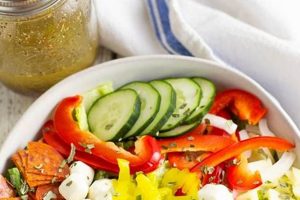
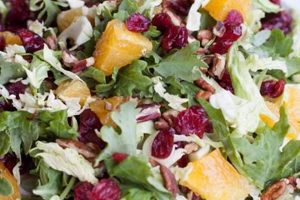
A vibrant combination of various berries, often including strawberries, blueberries, raspberries, and blackberries, tossed with a complementary dressing creates a refreshing and nutritious dish. This culinary creation can range from a simple mix with a light vinaigrette to more elaborate versions incorporating other fruits, herbs, or sweeteners.
Such fruit medleys offer a potent source of antioxidants, vitamins, and fiber, contributing to overall well-being. Historically, the consumption of fresh berries has been valued for both flavor and health benefits, with variations appearing across different cultures and cuisines. The accessibility of diverse berries throughout the year has further popularized these dishes as a versatile culinary option.
Exploration of specific berry varieties, dressing options, and complementary ingredients will provide further insight into crafting and enjoying this delightful and healthful culinary experience.
Tips for Crafting the Perfect Berry Salad
Creating a truly exceptional berry salad involves careful consideration of several key factors. Attention to detail, from berry selection to dressing preparation, elevates this simple dish to a culinary delight.
Tip 1: Berry Selection is Paramount: Opt for fresh, plump berries at their peak ripeness. A mix of colors and textures enhances both visual appeal and flavor complexity. Consider incorporating less common varieties, such as mulberries or gooseberries, for a unique twist.
Tip 2: Gentle Handling is Essential: Berries are delicate. Handle them minimally to avoid bruising or crushing. Wash just before serving and dry thoroughly to prevent sogginess.
Tip 3: Balancing Sweetness and Acidity: The dressing should complement, not overpower, the natural berry flavors. A simple vinaigrette with a touch of honey or maple syrup provides a balanced counterpoint to the berries’ tartness.
Tip 4: Enhancing with Herbs and Spices: Fresh mint, basil, or a hint of cinnamon can elevate the flavor profile. Experiment with different combinations to discover preferred pairings.
Tip 5: Consider Complementary Ingredients: A sprinkle of toasted nuts, crumbled feta cheese, or a few segments of citrus fruit can add textural and flavor contrasts.
Tip 6: Timing is Key: Dress the salad just before serving to prevent the berries from becoming overly saturated and losing their shape.
By following these guidelines, one can ensure a vibrant and flavorful berry salad that showcases the natural beauty and taste of these delightful fruits.
These considerations provide a framework for crafting exceptional berry salads. Experimentation with various ingredients and techniques further enhances the culinary experience.
1. Fresh, Ripe Berries
The foundation of any successful mixed berry salad rests upon the quality of its core ingredient: fresh, ripe berries. Berry selection significantly influences the overall flavor, texture, and visual appeal of the final dish. Understanding the nuances of selecting and utilizing optimal berries is crucial for a truly satisfying culinary experience.
- Peak Seasonality
Berries harvested during their peak season offer the most vibrant flavors and desirable textures. Seasonal variations influence sweetness, tartness, and juiciness. A summer berry salad might feature plump, sweet strawberries and blueberries, while an autumnal version could incorporate tart cranberries and blackberries. Utilizing in-season berries ensures optimal flavor and supports local agriculture.
- Indicators of Ripeness
Visual and tactile cues help determine berry ripeness. Look for vibrant, uniform color, avoiding berries with dull hues or blemishes. Ripe berries should yield slightly to gentle pressure, indicating juiciness without being overly soft or mushy. Aroma also plays a role; ripe berries exude a fragrant, sweet scent. Careful observation ensures selection of berries at their prime.
- Variety and Balance
Incorporating a variety of berries contributes to a complex and balanced flavor profile. The interplay of sweet and tart notes, alongside varying textures, creates a more dynamic sensory experience. Combining strawberries, raspberries, blueberries, and blackberries offers a classic mix, while incorporating less common varieties like gooseberries or elderberries adds intrigue. Strategic combination enhances the overall culinary experience.
- Proper Storage and Handling
Maintaining berry freshness until preparation is essential. Store unwashed berries in a single layer in a shallow container, refrigerated, to prevent bruising and premature spoilage. Wash berries gently just before use and dry them thoroughly to avoid excess moisture diluting the salad dressing. Careful handling preserves berry integrity and maximizes flavor.
These considerations underscore the importance of berry selection in crafting a superior mixed berry salad. Prioritizing quality ingredients and understanding their nuances elevates this simple dish from a basic combination of fruits to a delightful culinary creation.
2. Complementary Dressing

The success of a mixed berry salad hinges significantly on the selection and application of a complementary dressing. A well-chosen dressing enhances the natural flavors of the berries without overpowering their delicate sweetness and tartness. This balance is essential for a harmonious and enjoyable culinary experience. Careful consideration of dressing ingredients and preparation techniques elevates the dish beyond a simple fruit mixture.
- Balancing Sweetness and Acidity
Berry salads often exhibit a natural balance of sweet and tart flavors. The dressing should complement this existing profile, neither excessively sweet nor overly acidic. A vinaigrette, often utilizing a light oil and a mildly acidic component such as lemon juice or white wine vinegar, provides a suitable foundation. A touch of sweetness, from honey, maple syrup, or a fruit-infused vinegar, can further enhance the overall flavor profile. The goal is to create a harmonious interplay of flavors that accentuates the berries’ natural characteristics.
- Texture and Viscosity
Dressing viscosity influences how it coats and interacts with the berries. A light vinaigrette allows the berries to remain distinct, showcasing their individual textures and preventing a soggy salad. Conversely, a thicker dressing, perhaps incorporating a fruit puree or yogurt base, offers a creamier texture and adheres more readily to the fruit. The desired texture depends on personal preference and the overall composition of the salad. A lighter dressing generally complements delicate berries, while a thicker dressing can bind a salad with heartier additions, like nuts or cheese.
- Flavor Pairings and Enhancements
Specific flavor combinations can amplify the complexity of a berry salad. Herbs, such as mint, basil, or thyme, introduce fresh, aromatic notes. Spices, like a hint of cinnamon or cardamom, add warmth and depth. Citrus zest provides a bright, citrusy lift. These additions should be used judiciously to complement the berries without overpowering their natural flavors. Experimentation with different flavor combinations allows for personalized adjustments and discovery of preferred pairings.
- Timing and Application
The timing of dressing application impacts the final presentation and texture of the salad. Dressing the salad too far in advance can lead to sogginess and a loss of berry integrity. Ideally, the dressing is added just before serving, ensuring that the berries remain plump and the salad retains its fresh appearance. This practice preserves the visual appeal and textural integrity of the individual components, enhancing the overall dining experience.
The selection and application of a complementary dressing contribute significantly to the overall enjoyment of a mixed berry salad. Careful consideration of these factors ensures a harmonious blend of flavors and textures, transforming a simple fruit mixture into a truly delightful culinary creation.
3. Balanced Sweetness

Balanced sweetness plays a crucial role in a mixed berry salad recipe, contributing significantly to the overall palatability and enjoyment of the dish. The inherent sweetness of ripe berries interacts with other ingredients, primarily the dressing, to create a harmonious flavor profile. Understanding the interplay of these components allows for precise control over the final level of sweetness, optimizing the sensory experience.
- Natural Berry Sugars
Different berry varieties exhibit varying levels of natural sugars, influencing their perceived sweetness. Strawberries, for example, tend to be sweeter than raspberries or blueberries. This inherent sweetness forms the foundation upon which other flavors are layered. Recognizing these variations allows for strategic selection and combination of berries to achieve the desired sweetness level. A skillful blend can create a complex and nuanced flavor profile.
- Acidity as a Counterpoint
Acidity acts as a counterbalance to sweetness, preventing the salad from becoming cloying. Ingredients like lemon juice, vinegar, or even slightly tart berries, such as cranberries, provide this necessary contrast. The interplay between sweetness and acidity creates a more dynamic and refreshing flavor profile, enhancing the overall enjoyment of the dish. The balance achieved allows the individual flavors of the berries to shine through without being overwhelmed by sweetness.
- Dressing Contributions
The dressing further modulates the sweetness level of the salad. Dressings can incorporate sweet elements, like honey or maple syrup, to complement the berries’ natural sugars. Alternatively, a less sweet dressing, emphasizing acidity, might be preferred to balance particularly sweet berries. The dressing choice provides a crucial mechanism for fine-tuning the overall sweetness of the dish, allowing for customization to individual preferences.
- External Influences
Additional ingredients, such as nuts or herbs, can indirectly influence the perception of sweetness. Toasted nuts, with their inherent bitterness and roasted flavors, can offer a counterpoint to the sweetness of the berries. Similarly, the addition of fresh herbs, such as mint, can create a refreshing contrast that modulates the overall sweetness perception. These subtle influences contribute to a more complex and balanced flavor profile, further enhancing the overall enjoyment of the mixed berry salad.
Achieving balanced sweetness in a mixed berry salad involves a careful interplay of these factors. Consideration of the natural sugars in the selected berries, the acidity of the dressing, and the influence of additional ingredients allows for precise control over the final flavor profile, ensuring a harmonious and delightful culinary experience. This balance elevates the simple combination of ingredients to a complex and satisfying dish.
4. Optional additions

Optional additions represent a significant opportunity to enhance both the flavor profile and textural complexity of a mixed berry salad recipe. While the foundation of fresh, ripe berries and a complementary dressing remains crucial, thoughtfully chosen additions can elevate the dish from simple to sophisticated. These additions contribute not only to taste but also to visual appeal and nutritional value, broadening the culinary possibilities of the basic recipe.
Nuts, such as slivered almonds, toasted pecans, or chopped walnuts, introduce a satisfying crunch and subtle nuttiness that contrasts pleasantly with the berries’ sweetness. Seeds, like sunflower or pumpkin seeds, offer similar textural benefits along with added nutritional value. Crumbled cheeses, ranging from feta and goat cheese to blue cheese, provide a salty, tangy, or creamy counterpoint depending on the variety chosen. Fresh herbs, including mint, basil, and lemon verbena, introduce aromatic complexity and a refreshing element. Even spices, like a pinch of cinnamon or cardamom, can subtly enhance the overall flavor profile. Citrus segments, such as orange or grapefruit, offer a burst of juicy acidity. These additions, while optional, provide significant opportunities for customization and culinary exploration.
The practical significance of understanding the role of optional additions lies in the ability to tailor a mixed berry salad recipe to specific preferences and dietary needs. One might opt for nuts and seeds for added protein and healthy fats, while another might choose herbs and spices to complement a particular cuisine or seasonal theme. Careful consideration of these additions allows for a truly personalized culinary experience, maximizing both flavor and nutritional value. Furthermore, the thoughtful incorporation of optional additions demonstrates culinary creativity and attention to detail, transforming a simple berry salad into a more complex and satisfying dish.
5. Proper Storage

Proper storage of ingredients, particularly delicate fruits like berries, is paramount for maintaining quality and maximizing the culinary potential of a mixed berry salad recipe. Suboptimal storage conditions can lead to premature spoilage, flavor degradation, and textural compromise, ultimately diminishing the overall enjoyment of the dish. Understanding effective storage techniques ensures that the berries retain their freshness, vibrancy, and nutritional value, contributing to a superior culinary outcome.
- Refrigeration Temperature and Humidity Control
Berries are highly susceptible to temperature fluctuations and excessive humidity. Maintaining a consistent, cool temperature, ideally around 32-40F (0-4C), in a refrigerator is essential for preserving their freshness. Excess humidity promotes mold growth and accelerates spoilage, while overly dry conditions can lead to desiccation. Proper humidity control, often achieved through the use of crisper drawers with adjustable vents, helps maintain the berries’ optimal texture and prevents premature deterioration. Consistent refrigeration preserves the integrity of the berries, ensuring a delightful textural experience in the final salad.
- Container Selection and Arrangement
The choice of storage container and the arrangement of berries within it significantly impact their longevity. Shallow containers, preferably lined with paper towels to absorb excess moisture, allow for even air circulation and prevent berries from being crushed under their own weight. Arranging the berries in a single layer minimizes contact points and further reduces the risk of bruising or damage. Proper container selection and arrangement contribute to the preservation of the berries’ delicate structure and visual appeal, enhancing the overall presentation of the mixed berry salad.
- Pre-Washing Considerations
Washing berries before storage can introduce excess moisture, promoting spoilage. It is generally recommended to wash berries only just before consumption. If pre-washing is necessary, ensure the berries are thoroughly dried before storing them in a suitable container to minimize moisture retention. This practice helps maintain the berries’ structural integrity and prevents them from becoming soggy, preserving their desirable texture in the final salad.
- Freezing for Extended Preservation
Freezing offers a viable option for extending the shelf life of berries, particularly when dealing with seasonal varieties or larger quantities. Freezing berries individually on a tray before transferring them to a freezer-safe container prevents them from clumping together and allows for easy portioning later. Frozen berries, while suitable for incorporating into smoothies or cooked dishes, may experience some textural changes upon thawing, making them less ideal for fresh salads where texture plays a critical role. Understanding the implications of freezing allows for informed decisions regarding berry preservation and utilization in mixed berry salad recipes.
Adhering to these proper storage practices ensures that the berries used in a mixed berry salad recipe retain their optimal quality, contributing to a more vibrant, flavorful, and enjoyable culinary experience. The attention to detail in ingredient storage translates directly to the final dish, demonstrating a commitment to culinary excellence and maximizing the enjoyment of this refreshing and nutritious salad.
6. Timely Preparation
Timely preparation is crucial for a mixed berry salad recipe due to the delicate nature of berries. Delayed preparation, especially after dressing application, leads to undesirable textural changes. Osmosis, the movement of water across cell membranes, causes berries to release juices and become soggy when exposed to a dressing for extended periods. This compromises the salad’s structural integrity, resulting in a less appealing and palatable dish. For instance, a salad prepared hours in advance may exhibit a pool of liquid at the bottom and softened, less vibrant berries. Conversely, preparing the salad close to serving time ensures the berries retain their plumpness and the overall presentation remains fresh and appetizing. This highlights the direct correlation between timely preparation and the final quality of a mixed berry salad.
The practical significance of this understanding lies in optimizing the sensory experience of the dish. A freshly prepared salad offers a superior textural contrast between the firm berries and the light dressing. The flavors also remain distinct and vibrant, as the berries have not had excessive time to macerate and lose their individual characteristics. Consider a scenario where a mixed berry salad is prepared for a picnic. If prepared the night before, the berries would likely be mushy and the dressing diluted by the released juices upon arrival. However, if the berries and dressing are transported separately and combined just before serving, the salad retains its intended freshness and appeal. This exemplifies the practical application of timely preparation in preserving the desired qualities of the dish.
In conclusion, timely preparation directly impacts the quality and enjoyment of a mixed berry salad. Understanding the underlying mechanisms, such as osmosis, and considering the practical implications allows for optimization of the preparation process. This ensures that the final dish presents the desired textural and flavor characteristics, maximizing the culinary experience. The simple act of assembling the salad close to serving time elevates the dish from acceptable to exceptional, showcasing the importance of this often overlooked aspect of culinary practice.
Frequently Asked Questions
This section addresses common inquiries regarding mixed berry salad recipes, providing concise and informative responses to facilitate optimal preparation and enjoyment.
Question 1: How does one prevent a mixed berry salad from becoming soggy?
Sogginess results from the osmotic release of berry juices when exposed to dressing for extended periods. Dressing the salad immediately before serving minimizes this effect. Thoroughly drying berries after washing also helps prevent excess moisture.
Question 2: What are the optimal berries for a mixed berry salad?
Peak-season berries offer the best flavor and texture. A combination of berry types, such as strawberries, blueberries, raspberries, and blackberries, provides a balance of sweetness and tartness. Less common berries, like gooseberries or mulberries, can add unique flavor dimensions.
Question 3: Can frozen berries be used in a mixed berry salad?
While frozen berries are suitable for smoothies or cooked dishes, their textural integrity may be compromised upon thawing, potentially affecting the salad’s overall quality. Fresh berries are generally preferred for optimal texture and flavor.
Question 4: What type of dressing best complements a mixed berry salad?
A light vinaigrette, often with a citrus or balsamic base, enhances the berries’ natural flavors without overpowering them. A touch of sweetness, from honey or maple syrup, can balance the tartness. The dressing’s viscosity should be light to avoid sogginess.
Question 5: How long can a mixed berry salad be stored?
Undressed berries can be stored refrigerated for a few days. However, a dressed salad is best consumed immediately to maintain optimal texture and prevent the release of excess juices. Storing components separately and combining just before serving is recommended for optimal freshness.
Question 6: What are some suitable additions to enhance a mixed berry salad?
Nuts, seeds, crumbled cheese, fresh herbs, and citrus segments can complement the berries, adding textural and flavor complexity. Toasted almonds, feta cheese, and fresh mint are popular choices. Additions should complement, not overpower, the berries’ natural flavors.
Understanding these key aspects of preparation and storage allows for the creation of a truly exceptional mixed berry salad. Prioritizing ingredient quality and employing appropriate techniques ensures a delightful culinary experience.
Further exploration of specific berry varieties and flavor combinations can further enhance one’s appreciation and enjoyment of this versatile dish.
Mixed Berry Salad Recipe
Exploration of this culinary composition reveals the interplay of several key elements. Ingredient quality, specifically the selection of ripe, seasonal berries, forms the foundation. Balanced sweetness, achieved through the judicious use of acidic components and complementary dressings, enhances the berries’ natural flavors. Optional additions, ranging from toasted nuts to fresh herbs, introduce textural and flavor complexity. Proper storage and timely preparation preserve ingredient integrity and prevent undesirable textural changes. Understanding these factors allows for consistent creation of a vibrant and refreshing dish.
Culinary practice benefits from a thorough understanding of the principles underlying successful mixed berry salad preparation. This knowledge empowers informed ingredient selection, strategic flavor pairings, and appropriate handling techniques. Continual exploration of berry varieties, dressing options, and complementary additions broadens culinary horizons and enhances appreciation for this versatile dish. Ultimately, mastery of these elements elevates a simple combination of ingredients to a delightful and healthful culinary experience.