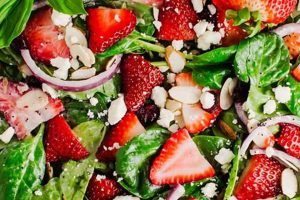
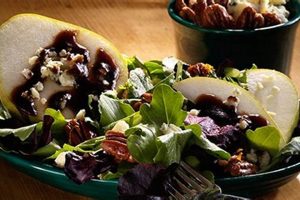
A dish featuring cooked lentils combined with other ingredients to form a salad, often enhanced by the inclusion of feta cheese. Variations abound, incorporating diverse vegetables, herbs, and dressings, resulting in a spectrum of flavors and textures. For instance, a simple version might include cooked green lentils, diced cucumber, red onion, chopped parsley, crumbled feta, and a lemon vinaigrette.
This culinary combination offers nutritional value and versatility. Lentils are a good source of protein and fiber, contributing to satiety and digestive health. Feta provides a salty, tangy counterpoint and a boost of calcium. The adaptability of this dish allows for seasonal variations, accommodating different vegetables and herbs readily available. Historically, both lentils and feta have been dietary staples in Mediterranean and Middle Eastern cuisines, reflecting the enduring appeal of this simple yet flavorful combination.
Further exploration of this topic will cover diverse recipe variations, nutritional information, tips for preparation, and suggestions for ingredient substitutions to cater to different dietary needs and preferences.
Tips for Preparing a Lentil and Feta Salad
Optimizing ingredient selection and preparation techniques enhances the overall flavor and texture of the dish.
Tip 1: Lentil Selection: Choose small lentils, such as French green or black beluga lentils, for their ability to hold their shape after cooking. Larger varieties, like brown or red lentils, tend to become mushy and are less suitable for salads.
Tip 2: Proper Cooking Technique: Cook lentils until tender but still firm, avoiding overcooking. Drain immediately to prevent further softening.
Tip 3: Flavorful Enhancements: Incorporate aromatics during cooking. Bay leaves, garlic cloves, or sprigs of thyme infuse lentils with subtle yet distinct flavors.
Tip 4: Balancing Acidity: Acidity enhances the overall flavor profile. A vinaigrette with lemon juice or red wine vinegar brightens the dish and complements the saltiness of the feta.
Tip 5: Fresh Herbs: Fresh herbs provide a vibrant touch. Parsley, mint, dill, or chives contribute distinct aromatic notes.
Tip 6: Optimal Feta Incorporation: Crumble feta directly into the salad to distribute it evenly. Avoid mixing it with the dressing beforehand, as this can make the cheese clump together.
Tip 7: Serving Temperature: This salad can be enjoyed either warm or cold. Serving it slightly chilled allows the flavors to meld.
Careful attention to these details ensures a well-balanced and flavorful salad. Optimal lentil selection, proper cooking techniques, and considered flavor combinations contribute significantly to the final result.
By implementing these tips, one can elevate a simple lentil and feta salad into a truly exceptional culinary experience.
1. Lentils (type & cooking)

Lentil selection and cooking methods are foundational to a successful lentil salad featuring feta. The type of lentil determines the salad’s texture and how well it holds its shape, while proper cooking ensures the lentils are tender yet firm, not mushy. Understanding these elements is crucial for a balanced and enjoyable final product.
- Lentil Variety
Different lentil varieties offer unique characteristics. French green or black beluga lentils are ideal for salads due to their firm texture after cooking. Red or brown lentils, while nutritious, tend to break down more readily and are less suitable for cold salads. Choosing the appropriate variety ensures a pleasant textural experience.
- Cooking Time
Overcooked lentils result in a mushy salad. Cooking lentils until just tender but still slightly firm is critical. Following recommended cooking times for the specific lentil variety and monitoring the process closely prevents overcooking. Immediately draining the lentils after cooking halts the cooking process and preserves their texture.
- Flavor Infusion During Cooking
The cooking process offers an opportunity to infuse lentils with complementary flavors. Adding aromatics such as bay leaves, garlic cloves, or sprigs of thyme to the cooking water subtly enhances the lentils’ taste and complexity, ultimately contributing to the overall flavor profile of the finished salad.
- Rinsing and Draining
Rinsing lentils before cooking removes any debris. Thoroughly draining the cooked lentils is crucial for preventing excess moisture in the salad. Excess water dilutes the dressing and can make the salad watery and less appealing. Proper draining ensures the salad maintains its desired consistency and the flavors remain vibrant.
Proper lentil selection and cooking techniques directly impact the final quality of the lentil salad. By understanding the nuances of lentil varieties and employing appropriate cooking methods, one can create a salad with optimal texture and flavor, enhancing the interplay between the lentils, feta, and other ingredients.
2. Feta (quality & amount)
Feta quality and quantity significantly impact a lentil salad’s overall success. Authentic Greek feta, traditionally made from sheep’s milk or a blend of sheep and goat’s milk, offers a distinct tangy, salty flavor and creamy texture. Lower-quality feta cheeses, often made from cow’s milk, may lack the characteristic flavor profile and possess a rubbery texture, diminishing the salad’s overall appeal. The amount of feta also plays a crucial role. Too little feta results in a bland salad, while too much can overpower the other ingredients. A balanced proportion allows the feta’s salty, tangy notes to complement the lentils and other components without dominating the flavor profile. For example, a salad with delicate French green lentils and a light vinaigrette benefits from a moderate amount of good-quality feta, allowing the flavors of all ingredients to shine through. Conversely, a more robust salad with bolder flavors may accommodate a slightly higher proportion of feta.
Practical application of this understanding involves carefully selecting feta. Examining ingredient lists and opting for feta made from sheep or goat’s milk ensures a more authentic flavor. Tasting the feta before adding it to the salad allows for adjustments in quantity based on its saltiness and intensity. Considering the other salad components also informs feta quantity decisions. A salad with strong flavors, like roasted vegetables or cured meats, might require more feta to balance the overall taste, whereas a salad with milder ingredients necessitates a smaller amount. Starting with a smaller amount and gradually adding more ensures the feta complements rather than overwhelms the dish.
The interplay between feta quality and quantity is essential for a well-balanced and flavorful lentil salad. Prioritizing authentic feta, made with sheep or goats milk, contributes significantly to the desired flavor profile. Carefully considering the proportion of feta relative to other ingredients prevents it from overpowering or underplaying its role within the overall composition. Applying this knowledge consistently results in a more satisfying and enjoyable culinary experience.
3. Vegetables (fresh & seasonal)
Fresh, seasonal vegetables play a pivotal role in elevating a lentil salad with feta from simple to exceptional. Their inclusion introduces vibrant colors, varied textures, and nuanced flavors that complement the earthy lentils and salty feta. Selecting vegetables based on seasonal availability ensures optimal flavor and nutritional value, maximizing the dish’s overall quality and appeal.
- Seasonality and Flavor Optimization
Seasonal vegetables, harvested at their peak ripeness, offer superior flavor compared to out-of-season produce. Incorporating seasonal ingredients enhances the salad’s taste profile, creating a more vibrant and enjoyable culinary experience. For instance, a summer lentil salad might feature ripe tomatoes and cucumbers, while an autumn version could showcase roasted butternut squash and Brussels sprouts. Aligning vegetable choices with seasonal availability maximizes flavor impact.
- Textural Variety and Visual Appeal
Vegetables contribute diverse textures, creating a more dynamic and satisfying sensory experience. Crisp cucumbers, bell peppers, or radishes contrast with the tender lentils and creamy feta. This interplay of textures elevates the salad beyond a simple combination of ingredients. Furthermore, the vibrant colors of fresh vegetables enhance the salad’s visual appeal, making it more appetizing.
- Nutritional Enhancement and Health Benefits
Fresh vegetables increase the salad’s nutritional value, contributing essential vitamins, minerals, and antioxidants. Incorporating a variety of colorful vegetables ensures a broader spectrum of nutrients. This focus on nutritional value aligns with the health benefits associated with lentils and feta, creating a dish that is both flavorful and nourishing.
- Adaptability and Creative Exploration
The versatility of lentil salad with feta allows for endless variations based on available seasonal vegetables. This adaptability encourages culinary creativity and customization. Experimenting with different vegetable combinations allows for personalized flavor profiles and unique salad creations tailored to individual preferences or dietary needs. This flexibility ensures the dish remains interesting and adaptable throughout the year.
The strategic incorporation of fresh, seasonal vegetables transforms a lentil salad with feta into a vibrant and flavorful dish. Prioritizing seasonal produce optimizes flavor and nutritional value, while the diverse textures and colors of vegetables enhance the overall sensory experience. This focus on fresh, seasonal ingredients elevates the dish from a simple combination of ingredients to a more complex and satisfying culinary creation.
4. Herbs (fresh & complementary)

Fresh herbs provide an essential aromatic dimension to lentil salad with feta, elevating its flavor profile beyond the foundational ingredients. Judicious herb selection amplifies the other components, creating a more complex and nuanced culinary experience. Understanding the interplay between herbs and the other salad elements allows for strategic pairings that maximize flavor synergy and overall enjoyment.
- Aromatic Enhancement
Fresh herbs contribute vibrant aromatic notes that complement the earthy lentils and tangy feta. Their inclusion introduces a layer of complexity, moving the salad beyond basic flavors. For example, bright, herbaceous parsley or mint can cut through the richness of the feta, while dill offers a subtly sweet, anise-like flavor that complements both lentils and feta. The choice of herbs significantly influences the overall aromatic profile of the salad.
- Flavor Balancing
Specific herbs can balance the overall flavor profile of the salad. The peppery bite of oregano or the slightly bitter notes of marjoram can offset the saltiness of the feta and the earthiness of the lentils. This balancing act ensures no single flavor dominates, creating a harmonious and well-rounded taste experience.
- Visual Appeal and Freshness
Beyond flavor, fresh herbs contribute to the visual appeal of the salad. Their vibrant green hues add brightness and freshness, making the dish more visually enticing. The visual element enhances the overall dining experience, adding another layer of enjoyment. Incorporating a variety of herbs, like a mix of chopped parsley, mint, and dill, creates visual interest and further enhances the salads presentation.
- Cultural and Regional Influences
Herb choices can also reflect cultural and regional influences. Mediterranean variations often incorporate mint, dill, and oregano, mirroring the traditional flavor profiles of the region. Exploring different herb combinations based on culinary traditions provides opportunities for culinary exploration and nuanced flavor experiences. This allows for personalization and the creation of unique flavor profiles inspired by various culinary heritages.
The strategic use of fresh herbs significantly elevates lentil salad with feta. Their aromatic contributions, flavor-balancing properties, and visual appeal transform the dish from a simple combination of ingredients into a more complex and nuanced culinary experience. Carefully considering herb selection and understanding their interplay with other salad components ensures a harmonious and flavorful final product. By integrating these elements thoughtfully, one can craft a lentil salad that truly exemplifies the synergy between fresh, high-quality ingredients.
5. Dressing (acidic & balanced)

The dressing serves as a unifying element in a lentil salad with feta, binding the individual components and contributing significantly to the overall flavor profile. A well-balanced, acidic dressing enhances the earthy lentils, salty feta, and fresh vegetables, creating a harmonious and flavorful dish. Understanding the role of acidity and balance in the dressing is crucial for maximizing the salad’s potential.
- Acidity as a Flavor Enhancer
Acidity, typically derived from ingredients like lemon juice, red wine vinegar, or balsamic vinegar, brightens the other flavors in the salad. It cuts through the richness of the feta and lentils, preventing the dish from tasting heavy or overly savory. The sharpness of the acid provides a refreshing counterpoint to the other ingredients, stimulating the palate and enhancing the overall sensory experience. For example, a lemon vinaigrette adds a zesty brightness that complements the earthy lentils and salty feta. The level of acidity should be adjusted to balance the other flavors in the salad, avoiding an overly tart or sharp taste.
- Balance of Flavor Components
A balanced dressing considers not only acidity but also other flavor components like sweetness, saltiness, and oil. A touch of sweetness, from a drizzle of honey or maple syrup, can temper the acidity and add depth of flavor. The saltiness of the feta often contributes sufficient salt to the salad, but additional salt may be added to the dressing if needed. Oil, such as extra virgin olive oil, provides richness and helps distribute the flavors evenly throughout the salad. A well-balanced dressing harmonizes these elements, ensuring no single flavor dominates.
- Emulsification and Texture
The dressing’s texture also contributes to the salad’s overall appeal. A properly emulsified vinaigrette, where the oil and vinegar are combined into a stable mixture, coats the ingredients evenly and provides a pleasant mouthfeel. A creamy dressing, perhaps incorporating yogurt or tahini, can offer a contrasting texture to the lentils and vegetables. The texture of the dressing should complement the other components, creating a harmonious sensory experience.
- Complementary Flavor Pairings
The dressing’s flavor profile should complement the other ingredients in the salad. For instance, a lemon-herb vinaigrette pairs well with Mediterranean-inspired lentil salads featuring cucumbers, tomatoes, and feta. A balsamic vinaigrette complements salads with roasted vegetables and stronger flavors. The choice of dressing should enhance, not compete with, the other flavors in the salad.
The dressing is integral to the overall success of a lentil salad with feta. A well-balanced, acidic dressing enhances the individual components, creating a harmonious and flavorful dish. By understanding the interplay of acidity, flavor balance, texture, and complementary pairings, one can create a dressing that elevates the salad to its full potential. The careful consideration of these elements ensures a more enjoyable and satisfying culinary experience.
6. Texture (variety & contrast)

Textural variety and contrast significantly contribute to the sensory appeal of a lentil salad featuring feta. A successful iteration moves beyond a homogenous consistency, offering a dynamic interplay of textures that elevate the eating experience. This interplay stems from the inherent textural differences among core ingredients and the potential for incorporating additional elements to enhance textural complexity. The tender, slightly yielding texture of cooked lentils provides a foundation. Creamy, crumbly feta introduces a contrasting element, while the addition of fresh vegetables contributes a spectrum of textures, from crisp cucumbers and bell peppers to crunchy carrots and red onions. Consider, for example, a lentil salad with feta, chopped cucumbers, bell peppers, and Kalamata olives. The interplay between the soft lentils, creamy feta, crisp vegetables, and chewy olives creates a dynamic textural experience that enhances enjoyment. This textural diversity stimulates the palate and provides a more satisfying culinary experience compared to a salad with uniform texture.
Practical application of this understanding involves deliberate ingredient selection and preparation techniques. Choosing lentils that hold their shape well, such as French green lentils, is crucial. Proper cooking prevents lentils from becoming mushy, maintaining their distinct texture. Incorporating a variety of vegetables with different texturesdiced, sliced, or juliennedfurther amplifies textural contrast. Toasted nuts or seeds can introduce a welcome crunch, while dried cranberries or currants offer a chewy counterpoint. Additionally, considering the texture of the dressing plays a role. A light vinaigrette complements crisp vegetables, while a creamier dressing might pair well with roasted vegetables. Thoughtful consideration of these elements transforms a simple lentil salad with feta into a multi-dimensional culinary experience.
Textural variety and contrast are essential considerations in crafting a compelling lentil salad with feta. The interplay of textures elevates the dish beyond a simple combination of ingredients, stimulating the palate and enhancing enjoyment. Understanding the textural contributions of individual components and employing techniques to maximize textural diversity results in a more satisfying and memorable culinary creation. This principle highlights the importance of considering sensory details in recipe development and emphasizes the potential of texture to transform a dish from ordinary to exceptional.
Frequently Asked Questions
This section addresses common inquiries regarding lentil salads incorporating feta cheese, providing concise and informative responses to facilitate successful preparation and enjoyment.
Question 1: What type of lentil is best suited for this type of salad?
French green or black beluga lentils are recommended due to their ability to retain their shape and texture after cooking, preventing a mushy salad.
Question 2: Can canned lentils be used?
While canned lentils offer convenience, they tend to be softer. If using canned lentils, rinse thoroughly and add them towards the end of the preparation process to avoid further softening.
Question 3: What can be substituted for feta cheese?
Goat cheese provides a similar tangy flavor profile, while ricotta salata offers a comparable salty, crumbly texture. Plant-based feta alternatives are also available for those following a vegan diet.
Question 4: How long can the salad be stored?
Properly stored in an airtight container in the refrigerator, lentil salad with feta can typically last for 3-4 days. The quality of the ingredients and storage temperature influence shelf life.
Question 5: Can this salad be served warm?
Lentil salad with feta can be enjoyed both warm and cold. Serving it warm immediately after preparation offers a different flavor experience, while chilling allows the flavors to meld.
Question 6: How can the nutritional value be maximized?
Incorporating a variety of colorful vegetables, such as bell peppers, carrots, and spinach, enhances the salad’s vitamin and mineral content. Adding nuts or seeds boosts healthy fats and protein.
Understanding these common points of inquiry helps ensure successful preparation and enjoyment. Attention to detail, from lentil selection to proper storage, contributes to a flavorful and satisfying culinary experience.
Further exploration might include specific recipe variations and detailed nutritional breakdowns.
Conclusion
Exploration of lentil salad incorporating feta reveals a dish offering both nutritional value and culinary versatility. Key elements highlighted include the importance of lentil selection and cooking method, the impact of feta quality and quantity, the role of fresh, seasonal vegetables, the aromatic enhancement provided by herbs, the necessity of a balanced and acidic dressing, and the significance of textural variety. Careful consideration of these factors contributes significantly to a successful and satisfying culinary outcome.
The adaptability of this dish, accommodating diverse ingredients and flavor profiles, positions it as a versatile culinary option. Continued exploration of ingredient combinations and preparation techniques offers potential for further culinary innovation and personalized adaptations. Emphasis on fresh, high-quality ingredients maximizes both flavor and nutritional benefits, aligning with contemporary culinary trends focused on wholesome, flavorful cuisine.