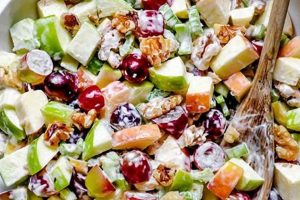
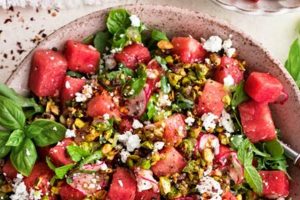
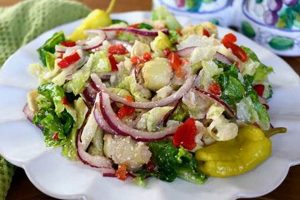
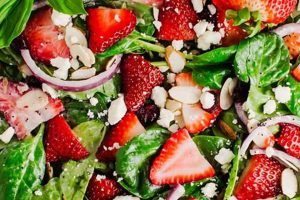
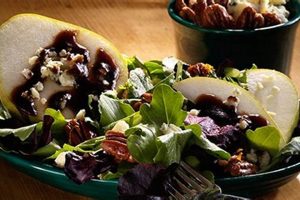
Elevated salads offered in upscale restaurants often feature fresh, high-quality ingredients, artful presentation, and complex flavor profiles. These dishes might incorporate unique greens, artisanal cheeses, premium proteins like seared scallops or grilled duck breast, and delicately balanced dressings. An example could be a butter lettuce salad with shaved truffles, candied pecans, and a champagne vinaigrette.
Such culinary creations play a vital role in a fine dining experience. They can serve as a refreshing starter, a light yet sophisticated main course, or even a palate cleanser between heavier dishes. Historically, elaborate salads have been markers of culinary skill and sophistication, reflecting the use of seasonal ingredients and innovative techniques. Their evolution continues to push culinary boundaries, showcasing both classic and contemporary approaches to salad preparation.
The following sections will explore the key elements that distinguish these culinary compositions, delving into ingredient selection, dressing preparation, plating techniques, and potential pairings with other courses.
Tips for Crafting Exceptional Salads
Creating a salad worthy of a fine dining experience requires attention to detail and a focus on quality. The following tips offer guidance on elevating salads from simple to sophisticated.
Tip 1: Prioritize Seasonal Ingredients: Selecting produce at its peak ripeness guarantees optimal flavor and texture. Locally sourced ingredients further enhance freshness and support regional agriculture.
Tip 2: Explore Varied Textures: Combining crisp, tender, and crunchy elements adds complexity and visual appeal. Consider incorporating toasted nuts, roasted vegetables, or crispy fried shallots.
Tip 3: Balance Flavors: Harmonize sweet, savory, acidic, and bitter notes. A salad featuring burrata, roasted beets, candied walnuts, and arugula exemplifies this balance.
Tip 4: Dress Strategically: Dressings should complement, not overpower, the other components. Lightly coat ingredients to avoid a soggy salad. Emulsified dressings offer a richer, more luxurious texture.
Tip 5: Plate with Precision: Consider the visual presentation. Arrange elements thoughtfully, creating a balanced and appealing composition. White space on the plate enhances the visual impact.
Tip 6: Utilize High-Quality Oils and Vinegars: The foundation of a great dressing lies in the quality of its base. Opt for extra virgin olive oil and flavorful vinegars like sherry or champagne vinegar.
Tip 7: Incorporate Luxurious Ingredients Sparingly: Ingredients like caviar, truffles, or foie gras can add a touch of decadence, but should be used judiciously to avoid overwhelming the other flavors.
By focusing on these key elements, one can craft salads that offer a truly refined dining experience, enhancing both the visual and gustatory aspects of the meal.
These tips provide a foundation for creating memorable salads, setting the stage for a truly exceptional dining experience.
1. Fresh, High-Quality Ingredients
The foundation of any exceptional culinary creation, especially within the realm of fine dining salads, rests upon the utilization of fresh, high-quality ingredients. Ingredient selection directly impacts the final flavor, texture, and overall dining experience. Compromising on quality diminishes the potential for a truly memorable dish.
- Sourcing Matters
Prioritizing locally sourced, seasonal produce ensures peak ripeness and optimal flavor. Farmers’ markets and direct relationships with purveyors offer access to superior ingredients, often with unique varietals unavailable in conventional settings. This commitment to sourcing elevates the salad from commonplace to extraordinary, reflecting a dedication to quality.
- Impact of Freshness on Flavor
Freshness directly correlates with flavor intensity and complexity. Delicate herbs lose their vibrancy quickly, while ripe tomatoes offer a sweetness unmatched by their out-of-season counterparts. Utilizing ingredients at their peak ensures a dynamic interplay of flavors, crucial for a nuanced and sophisticated salad.
- Textural Considerations
Texture plays a significant role in the enjoyment of a salad. Crisp lettuces, tender herbs, and crunchy vegetables create a multi-sensory experience. High-quality ingredients maintain their optimal texture, contributing to a more satisfying and enjoyable dining experience. Wilted or bruised produce detracts from the overall presentation and culinary experience.
- Elevating the Dining Experience
The cumulative effect of using superior ingredients transforms a simple salad into a refined culinary experience. The interplay of fresh flavors, vibrant colors, and pleasing textures elevates the dish, demonstrating a commitment to excellence that defines fine dining.
In the context of fine dining, the selection and utilization of fresh, high-quality ingredients represent not merely a culinary choice, but a philosophy. It underscores a commitment to providing an unparalleled dining experience, one where every element, from the simplest leaf of lettuce to the most delicate herb, contributes to a harmonious and memorable whole.
2. Artful Plating

Artful plating constitutes a critical element of fine dining salad recipes, transforming a simple dish into a visual masterpiece. It elevates the dining experience beyond mere sustenance, engaging aesthetic sensibilities and enhancing perceived value. The presentation serves as a visual prelude to the culinary experience, setting expectations and stimulating appetite. A thoughtfully arranged salad communicates attention to detail and culinary expertise, reflecting the overall philosophy of the establishment.
Consider a salad composed of heirloom tomatoes, burrata cheese, and fresh basil. Randomly tossing these ingredients together results in a visually unappealing dish, diminishing the perceived quality. However, strategically placing slices of vibrant heirloom tomatoes around a central mound of creamy burrata, garnished with artfully arranged basil leaves, transforms the same ingredients into a visually captivating presentation. This deliberate arrangement highlights the individual components while creating a harmonious whole, demonstrating the transformative power of artful plating.
Effective plating techniques enhance the dining experience in several ways. Color contrast between ingredients creates visual interest, while negative space on the plate prevents overcrowding and allows each element to stand out. Height and texture variations add dimension, transforming a two-dimensional plate into a three-dimensional culinary landscape. These techniques not only enhance the visual appeal but also influence the diner’s perception of flavor and quality, ultimately contributing to a more satisfying and memorable dining experience. Understanding the principles of artful plating allows chefs to create dishes that are not only delicious but also visually stunning, reflecting the artistry and precision inherent in fine dining cuisine.
3. Balanced Flavor Profiles

Balanced flavor profiles are fundamental to fine dining salad recipes, distinguishing them from simpler preparations. A harmonious interplay of tastessweet, sour, salty, bitter, and umamielevates these dishes, offering a complex and nuanced culinary experience. Achieving this balance requires careful consideration of ingredient selection and dressing composition, ensuring that no single flavor dominates but rather contributes to a cohesive whole. This delicate equilibrium transforms a collection of ingredients into a sophisticated culinary composition.
- Counterpointing Tastes
The principle of counterpointing tastes involves combining contrasting flavors to create a more complex and interesting profile. For example, the sweetness of roasted beets can be balanced by the tanginess of goat cheese, while the bitterness of arugula finds harmony with a sweet-and-sour vinaigrette. This interplay of contrasting flavors adds depth and prevents any single taste from becoming overwhelming.
- The Role of Acidity
Acidity plays a crucial role in balancing richness and sweetness. A vinaigrette with lemon juice or vinegar cuts through the fattiness of cheese or nuts, brightening the overall flavor profile. The judicious use of acid enhances the other flavors, preventing the salad from feeling heavy or cloying. For instance, a salad with avocado and bacon benefits from a citrus-based dressing to counterbalance the richness of these ingredients.
- Textural Considerations
Texture contributes to flavor perception. A salad with only soft ingredients might feel monotonous, while an excess of crunchy elements can be overwhelming. Combining varied texturescreamy avocado, crisp lettuce, crunchy nutsenhances the dining experience. This interplay of textures adds another layer of complexity to the balanced flavor profile.
- Seasonality and Flavor Intensity
Seasonal ingredients possess a natural vibrancy that enhances flavor balance. Utilizing peak-season produce allows for a more nuanced flavor profile, requiring less manipulation to achieve balance. For example, a summer salad with ripe tomatoes and fresh basil requires minimal seasoning to achieve a harmonious taste, showcasing the inherent balance of seasonal flavors.
Mastering balanced flavor profiles is essential for creating fine dining salad recipes that transcend the ordinary. By thoughtfully combining contrasting tastes, incorporating acidity strategically, considering textural nuances, and utilizing seasonal ingredients, chefs can create dishes that are not only delicious but also demonstrate a deep understanding of culinary principles. This attention to detail elevates the salad from a simple starter to a sophisticated and memorable component of the dining experience.
4. Innovative Ingredient Combinations

Innovative ingredient combinations represent a hallmark of fine dining salad recipes, distinguishing them from more conventional preparations. These combinations move beyond expected pairings, introducing unexpected flavors and textures that elevate the dining experience. The thoughtful juxtaposition of disparate ingredients can create surprising synergies, adding depth and complexity to the overall flavor profile. This creativity not only showcases the chef’s skill and imagination but also provides diners with a unique and memorable culinary experience.
Consider, for instance, the pairing of watermelon with feta cheese and mint. The sweetness of the watermelon is balanced by the salty tang of the feta, while the mint adds a refreshing herbal note. This combination, while unconventional, works harmoniously, demonstrating the potential of innovative pairings. Similarly, a salad featuring roasted grapes, gorgonzola cheese, and toasted walnuts offers a complex interplay of sweet, savory, and earthy flavors. These unexpected combinations challenge traditional notions of what constitutes a salad, expanding the possibilities of this versatile dish.
The successful implementation of innovative ingredient combinations relies on a deep understanding of flavor profiles and textures. Chefs must consider how different ingredients interact, ensuring that the final composition is balanced and harmonious. While creativity is essential, it must be tempered by a thoughtful approach to flavor pairings. The goal is not simply to be different but to create a dish that is both innovative and delicious. This pursuit of culinary excellence through innovative ingredient combinations distinguishes fine dining salad recipes, offering diners a unique and unforgettable experience.
5. Complementary Dressings

Complementary dressings are integral to fine dining salad recipes, serving not merely as a condiment but as an essential component that elevates and unifies the dish. A well-chosen dressing enhances the inherent flavors of the ingredients, creating a harmonious balance and adding depth of complexity. It provides a cohesive element, binding disparate ingredients into a unified culinary experience. The dressing’s role extends beyond flavor enhancement; it contributes to the overall texture and visual appeal, transforming a simple salad into a refined culinary creation. Its careful selection distinguishes a fine dining salad from a more casual preparation.
- Balancing Flavor Profiles
Dressings play a critical role in balancing the flavor profiles of fine dining salads. Acidity in dressings, derived from vinegar or citrus juice, cuts through richness and balances sweetness, preventing the salad from feeling heavy. For instance, a light vinaigrette with a touch of lemon brightens a salad with creamy goat cheese and candied nuts, while a richer, balsamic-based dressing complements the earthiness of roasted vegetables and mushrooms. The careful balance achieved through complementary dressings ensures a harmonious and nuanced flavor experience.
- Highlighting Ingredient Characteristics
A complementary dressing enhances, rather than masks, the individual flavors of the ingredients. A delicate vinaigrette allows the freshness of seasonal produce to shine, while a more robust dressing complements bolder flavors like grilled meats or strong cheeses. For example, a light herb vinaigrette accentuates the sweetness of ripe tomatoes and the peppery bite of arugula, while a creamy blue cheese dressing complements the richness of steak and walnuts. The dressing acts as a supporting player, highlighting the star ingredients.
- Textural Enhancement
Dressings contribute to the textural complexity of fine dining salads. Creamy dressings add a luxurious mouthfeel, while vinaigrettes offer a lighter, brighter counterpoint. The texture of the dressing should complement the other ingredients, creating a harmonious balance. A creamy avocado dressing complements the crunchy texture of toasted pepitas and the smooth texture of grilled chicken, while a light vinaigrette enhances the crispness of fresh greens. The interplay of textures adds another dimension to the dining experience.
- Visual Appeal
The visual presentation of a dressing contributes to the overall aesthetic of the salad. A glossy vinaigrette adds shine and vibrancy, while a creamy dressing provides a contrasting visual element. The color and consistency of the dressing should complement the other ingredients, enhancing the visual appeal. For instance, a vibrant raspberry vinaigrette adds a pop of color to a salad with fresh berries and goat cheese, while a creamy herb dressing complements the earthy tones of roasted vegetables. The visual presentation of the dressing plays a vital role in the overall impression of the dish.
In the context of fine dining, complementary dressings are essential for elevating salads beyond basic preparations. They contribute to flavor balance, highlight ingredient characteristics, enhance textural complexity, and contribute to visual appeal. The careful selection and execution of a complementary dressing demonstrates culinary expertise and attention to detail, signifying the hallmarks of a truly refined dining experience.
6. Seasonal Produce Utilization

Seasonal produce utilization forms a cornerstone of fine dining salad recipes, inextricably linked to the pursuit of exceptional flavor and culinary artistry. Prioritizing ingredients at their peak ripeness ensures optimal taste, texture, and nutritional value, reflecting a commitment to quality that defines the fine dining experience. This emphasis on seasonality not only elevates the culinary creation but also supports sustainable agricultural practices and fosters a deeper connection between the diner and the natural world.
- Heightened Flavor Profiles
Produce harvested in its natural season exhibits the most vibrant and complex flavors. A winter citrus salad bursts with the tangy sweetness of in-season oranges and grapefruits, while a summer tomato salad showcases the rich umami of perfectly ripe heirloom varieties. This natural intensity requires minimal intervention, allowing the inherent flavors of the produce to shine through. The resulting dishes offer a taste of place and time, reflecting the unique characteristics of each season.
- Enhanced Nutritional Value
Seasonal produce, harvested at its peak, retains higher levels of essential vitamins and minerals. These nutrients contribute not only to the flavor but also to the overall health benefits of the dish. A salad featuring spring greens, rich in antioxidants, offers a nutritional boost alongside its vibrant flavor. This commitment to nutritional integrity aligns with the holistic approach to fine dining, which values both taste and well-being.
- Support for Sustainable Practices
Utilizing seasonal produce inherently supports sustainable agriculture. By sourcing ingredients locally and in season, fine dining establishments reduce their reliance on long-distance transportation and resource-intensive farming practices. This commitment to sustainability aligns with the growing awareness of environmental responsibility within the culinary world, demonstrating a commitment to ethical sourcing.
- Dynamic and Evolving Menus
The cyclical nature of seasons necessitates a dynamic approach to menu creation. Fine dining restaurants often adapt their salad offerings to reflect the best available produce, ensuring a constantly evolving culinary experience. This seasonality introduces an element of anticipation and excitement, allowing diners to savor the unique flavors of each season. A spring asparagus salad gives way to a summer corn and tomato creation, followed by an autumn harvest salad featuring root vegetables and winter squash, reflecting the continuous cycle of nature.
In the realm of fine dining, seasonal produce utilization represents more than just a culinary trend; it is a fundamental principle that underscores a commitment to quality, sustainability, and culinary innovation. By embracing the natural rhythm of the seasons, chefs elevate their salad creations, offering diners an experience that is both delicious and deeply connected to the natural world. This approach ensures that each dish is not only a celebration of flavor but also a reflection of the time and place in which it is created.
7. Precision in Preparation

Precision in preparation distinguishes fine dining salad recipes, elevating them from simple assemblages of ingredients to carefully orchestrated culinary experiences. This meticulous approach encompasses every stage of the process, from ingredient selection and handling to the final plating and presentation. It reflects a commitment to excellence and attention to detail, crucial for delivering a dish that satisfies not only the palate but also the eye. This precision influences the final flavor, texture, and overall aesthetic of the salad, contributing significantly to the diner’s perception of quality and culinary artistry.
- Knife Skills and Ingredient Uniformity
Precise knife skills ensure uniformity in ingredient size and shape, promoting even cooking and consistent texture. Julienned carrots in a fine dining salad will not only present a visually appealing aesthetic but also ensure each bite offers a similar textural experience. This consistency elevates the dish, demonstrating a mastery of fundamental culinary techniques. Inconsistent cuts, conversely, can lead to uneven cooking and a less refined presentation, detracting from the overall dining experience.
- Ingredient Handling and Storage
Proper handling and storage of delicate ingredients like fresh herbs and leafy greens preserve their optimal quality and prevent premature wilting or bruising. Storing lettuces in a humidity-controlled environment and gently washing herbs ensures their freshness and crispness. This attention to detail preserves the integrity of the ingredients, maximizing their flavor and textural contribution to the final dish. Improper handling can compromise the quality of even the finest ingredients, diminishing the overall culinary outcome.
- Emulsification and Dressing Consistency
Precise emulsification techniques create stable and homogenous dressings, ensuring a consistent flavor and texture in every bite. A perfectly emulsified vinaigrette clings delicately to the salad components, enhancing their flavor without overwhelming them. This attention to detail elevates the dressing from a simple condiment to an integral part of the dish. A poorly emulsified dressing, on the other hand, can separate and create an uneven flavor profile and an unappetizing appearance.
- Plating and Presentation
Meticulous plating elevates the visual appeal of the salad, transforming it into a work of culinary art. The precise placement of each element, the balance of colors and textures, and the use of negative space contribute to a visually stunning presentation. This attention to visual detail enhances the diner’s perception of the dish, creating a sense of anticipation and elevating the overall dining experience. A haphazardly plated salad, regardless of the quality of its ingredients, diminishes the perceived value and culinary artistry.
These elements of precision in preparation are integral to the creation of fine dining salad recipes. They demonstrate a commitment to culinary excellence, ensuring that every aspect of the dish, from the smallest detail to the overall presentation, contributes to a refined and memorable dining experience. This meticulous approach distinguishes fine dining salads, showcasing not only the quality of the ingredients but also the skill and artistry of the chef.
Frequently Asked Questions
This section addresses common inquiries regarding the creation and appreciation of elevated salads in a fine dining context.
Question 1: What distinguishes a fine dining salad from a more casual salad?
Fine dining salads emphasize high-quality, often locally sourced, seasonal ingredients, innovative flavor combinations, meticulous preparation, and artful presentation. These elements combine to create a more complex and refined culinary experience.
Question 2: How can one balance flavors effectively in a fine dining salad?
Balancing flavors involves a thoughtful interplay of contrasting tastes (sweet, sour, salty, bitter, umami) and textures. Acidity plays a key role, cutting through richness and enhancing other flavors. A well-balanced salad avoids any single flavor dominating the profile.
Question 3: What role does presentation play in a fine dining salad?
Presentation elevates the dining experience. Artful plating, incorporating elements like negative space, height variation, and color contrast, transforms a salad into a visually appealing culinary composition, enhancing perceived value and enjoyment.
Question 4: What are some examples of innovative ingredient combinations for a fine dining salad?
Innovative combinations might include pairings like roasted grapes with gorgonzola and walnuts, or watermelon with feta and mint. These unexpected combinations introduce unique flavor profiles and textural contrasts, demonstrating culinary creativity.
Question 5: How does seasonality influence fine dining salad creation?
Seasonality dictates ingredient selection, ensuring optimal flavor and nutritional value. Peak-season produce requires minimal manipulation, allowing its natural flavors to shine. Menus often adapt to reflect seasonal availability, offering a dynamic dining experience.
Question 6: Why is precision important in preparing a fine dining salad?
Precision, from knife skills to ingredient handling, impacts the final flavor, texture, and presentation. Uniformity in cuts ensures even cooking, while proper storage maintains ingredient quality. Meticulous plating enhances visual appeal, reflecting attention to detail and culinary expertise.
Careful consideration of these elements ensures a truly refined and memorable experience when crafting or enjoying a fine dining salad.
The subsequent section will provide specific examples of fine dining salad recipes, illustrating the practical application of these principles.
Fine Dining Salad Recipes
Elevated salad creation within the fine dining context necessitates a multifaceted approach. This exploration has highlighted the critical interplay of fresh, high-quality ingredients, balanced flavor profiles, innovative ingredient combinations, complementary dressings, artful plating, seasonal produce utilization, and precision in preparation. Each element contributes significantly to the overall sensory experience, transforming a seemingly simple dish into a sophisticated culinary expression.
The continued evolution of culinary techniques and the increasing emphasis on ingredient provenance suggest an exciting future for fine dining salad recipes. Exploration of these principles allows for a deeper appreciation of the artistry and complexity inherent in these culinary creations, pushing the boundaries of flavor and presentation within the gastronomic landscape.