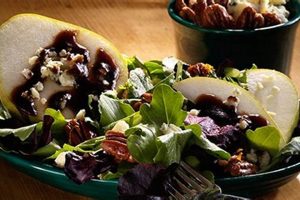
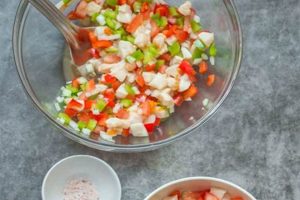
Dishes featuring shredded or chopped Napa cabbage as a base, combined with various other ingredients and dressings, constitute a versatile category within culinary arts. These preparations can range from light and refreshing salads ideal for warm weather to more substantial and complex compositions suitable as a main course. A simple example involves shredded Napa cabbage tossed with carrots, sesame oil, and rice vinegar. More elaborate versions might incorporate proteins like grilled chicken or tofu, nuts, seeds, dried fruit, and more intricate dressings.
The nutritional value and culinary adaptability of Napa cabbage contribute significantly to the popularity of these dishes. Being a good source of vitamins, minerals, and fiber, Napa cabbage offers health benefits while providing a crisp and refreshing texture. Its mild flavor profile makes it a versatile ingredient, readily accepting a wide array of flavor combinations from Asian-inspired sauces to creamy dressings. Historically, cabbage has been a staple in various cuisines worldwide, playing a crucial role in providing sustenance and nutrition, especially during colder months when other fresh produce was scarce.
Further exploration of this culinary category can delve into specific regional variations, exploring the nuances of flavor profiles and traditional preparation methods. Discussions of ingredient selection, dressing options, and techniques for achieving optimal texture and presentation will provide a comprehensive understanding of creating delicious and healthful meals centered around this versatile vegetable.
Tips for Napa Cabbage Salad Preparation
Optimizing the preparation process enhances the flavor and texture of Napa cabbage salads. Attention to detail ensures a satisfying culinary experience.
Tip 1: Select Fresh Cabbage: Choose heads of Napa cabbage that feel firm and heavy for their size, with crisp, unblemished leaves. Avoid cabbage with wilted or discolored leaves.
Tip 2: Proper Chilling: Refrigerate the cabbage for optimal crispness before preparing the salad. Chilling also helps the leaves maintain their structure when combined with dressings.
Tip 3: Precise Slicing: Slice the cabbage thinly and uniformly for even coating with dressing and a pleasant texture. Avoid overly thick or uneven pieces.
Tip 4: Dressing Application: Toss the cabbage with dressing just before serving to prevent the leaves from becoming soggy. This preserves the desired crispness and texture.
Tip 5: Complementary Ingredients: Consider the flavor profile of the dressing when selecting additional ingredients. Achieve balance by combining contrasting textures and flavors.
Tip 6: Mindful Ingredient Storage: Store leftover salad and dressing separately to maintain freshness and prevent premature wilting. Combine just before serving.
Tip 7: Flavor Balancing: Balance the flavors within the salad by combining sweet, sour, salty, and umami elements. A touch of acidity can brighten the overall taste.
Adhering to these guidelines ensures a delightful salad, maximizing the textural and flavor potential of Napa cabbage. Careful preparation elevates this simple dish to a culinary experience.
By understanding these key elements of preparation, one can confidently create a diverse range of Napa cabbage salads, from simple weeknight meals to elegant additions to any occasion.
1. Fresh Napa Cabbage
Fresh Napa cabbage serves as the foundational ingredient in Chinese cabbage salad recipes, its quality directly impacting the final dish’s success. Understanding the characteristics of fresh Napa cabbage is essential for achieving optimal flavor, texture, and overall culinary satisfaction. This exploration delves into the key facets of selecting and utilizing fresh Napa cabbage.
- Crispness and Texture
The hallmark of fresh Napa cabbage lies in its crisp texture. Leaves should be firm and turgid, offering a satisfying crunch. Limp or wilted leaves indicate suboptimal freshness and will result in a less appealing salad. This crispness provides a textural counterpoint to other salad components and contributes to a refreshing eating experience.
- Visual Appearance
Visual cues provide valuable insights into cabbage freshness. Leaves should exhibit a vibrant, light green to pale yellow hue. Avoid heads with bruised, discolored, or damaged leaves. The outer leaves should appear tightly packed and free from blemishes. Aesthetics play a role in the overall presentation of the salad.
- Aroma and Flavor
Fresh Napa cabbage possesses a mild, slightly sweet aroma. Any off-putting or pungent odors suggest spoilage. The flavor should be clean and delicate, complementing other ingredients without overpowering them. A neutral flavor profile allows for versatility in incorporating various dressings and flavor combinations.
- Storage and Handling
Proper storage maintains optimal freshness. Refrigerate Napa cabbage in a perforated plastic bag or wrap to retain moisture while allowing for air circulation. Avoid storing near ethylene-producing fruits like apples or bananas, as this can accelerate spoilage. Proper handling and storage extend shelf life and preserve the desired qualities for salad preparation.
These interconnected facets contribute to the overall quality and suitability of Napa cabbage for crafting exceptional salads. Selecting fresh, high-quality Napa cabbage elevates the sensory experience, ensuring a crisp, flavorful, and visually appealing dish. Its delicate flavor profile serves as a blank canvas for diverse culinary creations, making it a versatile ingredient in countless Chinese cabbage salad recipes.
2. Flavorful Dressings

Flavorful dressings play a pivotal role in Chinese cabbage salad recipes, transforming the simple base ingredient into a dynamic and satisfying dish. The dressing provides the primary flavor profile, complementing the mild taste of Napa cabbage and uniting the various components. Exploring the nuances of dressing selection and creation is crucial for achieving a well-balanced and delicious salad.
- Balancing Flavor Profiles
Effective dressings achieve a balance of sweet, sour, salty, and umami elements. This balance prevents any single flavor from dominating and creates a harmonious taste experience. A classic example is a sesame ginger dressing, which balances the nutty sesame oil with tangy rice vinegar, soy sauce, and a hint of ginger. The balanced dressing enhances the Napa cabbage without overpowering its delicate flavor.
- Texture and Consistency
Dressing consistency impacts the overall salad experience. A light vinaigrette allows the crispness of the cabbage to shine through, while a creamier dressing adds richness and coats the leaves more thoroughly. A peanut dressing, for example, provides a creamy texture that clings to the cabbage, adding a substantial element to the salad. The chosen consistency influences how the dressing interacts with the other ingredients.
- Complementary Ingredients
The dressing should complement the other ingredients in the salad. For a salad with grilled chicken and peanuts, a peanut dressing enhances the nutty flavors, while a lighter vinaigrette might be more suitable for a salad with mandarin oranges and toasted almonds. Considering the interplay of flavors ensures a cohesive and enjoyable final product.
- Enhancing Visual Appeal
Beyond flavor, dressings contribute to the visual appeal of the salad. A vibrant vinaigrette adds a glossy sheen to the cabbage and other ingredients, while a sprinkle of sesame seeds or chopped herbs in the dressing provides visual interest. The dressing’s color and texture contribute to the overall presentation of the dish.
The interplay of these facets contributes significantly to the overall success of Chinese cabbage salad recipes. A well-chosen or carefully crafted dressing elevates the simple Napa cabbage base, creating a dish that is both flavorful and visually appealing. Understanding the role of dressings in balancing flavors, textures, and visual appeal ensures a satisfying culinary experience.
3. Crunchy Textures
Crunchy textures contribute significantly to the sensory appeal of Chinese cabbage salads, offering a delightful contrast to the softer texture of the Napa cabbage. This textural element enhances the overall eating experience, adding a dimension of complexity and satisfaction. Exploring the various ways to incorporate crunch into these salads reveals the importance of this element in creating a well-rounded and enjoyable dish.
- Nuts and Seeds
Toasted nuts and seeds, such as almonds, peanuts, sesame seeds, or sunflower seeds, provide a readily available source of crunch. Their inherent texture adds a satisfying bite to the salad, while their flavor profiles complement the mild cabbage and chosen dressing. Toasted sesame seeds in a sesame ginger dressing, for example, amplify the nutty notes while contributing a pleasant crunch.
- Croutons and Crispy Noodles
Croutons offer a versatile crunchy element, adaptable to various flavor profiles. Homemade or store-bought croutons can be seasoned to complement the salad’s overall taste. Crispy noodles, such as wonton strips or chow mein noodles, introduce a different type of crunch, contributing a light and airy texture.
- Raw Vegetables
Incorporating thinly sliced or shredded raw vegetables like carrots, jicama, or bell peppers introduces a refreshing crunch and adds nutritional value. These vegetables contribute both texture and visual appeal, enhancing the salad’s overall composition.
- Crispy Fried Elements
Crispy fried elements like fried shallots or crispy tofu offer a more intense crunch and a savory flavor dimension. Used sparingly, these elements provide a textural and flavor highlight, enhancing the complexity of the salad.
The strategic incorporation of crunchy textures elevates Chinese cabbage salads from simple to sophisticated. The interplay of textures creates a more dynamic and engaging eating experience, complementing the flavors and enhancing the overall enjoyment of the dish. By understanding the various sources of crunch and how they interact with other salad components, one can create a balanced and satisfying culinary composition.
4. Balanced Ingredients
Balance within Chinese cabbage salad recipes refers to the harmonious interplay of flavors, textures, colors, and nutrients. This balance elevates the dish beyond a simple combination of ingredients, creating a complex and satisfying culinary experience. Achieving this balance requires careful consideration of each component and its contribution to the overall composition. A well-balanced salad engages multiple senses, offering a symphony of flavors and textures.
Consider a salad featuring Napa cabbage, grilled chicken, mandarin oranges, toasted almonds, and a sesame ginger dressing. The mild cabbage provides a neutral base, allowing the other flavors to shine. The savory grilled chicken contrasts with the sweet mandarin oranges, while the toasted almonds contribute a crunchy texture and nutty flavor. The sesame ginger dressing ties these elements together, its balanced sweet, sour, and savory notes harmonizing with the other ingredients. This example demonstrates the practical significance of balance in creating a cohesive and flavorful dish. Each ingredient plays a specific role, contributing to the overall sensory experience.
Understanding the concept of balanced ingredients is fundamental to crafting successful Chinese cabbage salad recipes. It allows for creativity while ensuring that the final product remains harmonious and enjoyable. The absence of balance can lead to a dish where one element overpowers the others, diminishing the overall culinary experience. Therefore, careful consideration of flavor profiles, textures, colors, and nutritional value is crucial for creating salads that are not only delicious but also visually appealing and nutritionally sound.
5. Versatile Proteins

Protein incorporation significantly enhances Chinese cabbage salads, transforming them from side dishes into complete, satisfying meals. The versatility of protein choices allows for diverse flavor profiles and nutritional enhancements, catering to various dietary preferences and culinary goals. Exploring suitable protein options reveals the transformative potential of this addition.
- Poultry
Grilled, shredded, or diced chicken or turkey provides a lean protein source that complements the fresh, crisp nature of Napa cabbage. These options readily absorb the flavors of the dressing and pair well with a variety of other ingredients. For example, grilled chicken complements a sesame ginger dressing and pairs well with crunchy peanuts and mandarin oranges, creating a balanced and flavorful salad.
- Seafood
Shrimp, scallops, or flaked fish offer a lighter protein option with distinct flavor profiles. These options introduce a delicate sweetness and contribute to a refreshing salad experience. Shrimp, for instance, pairs well with a citrus vinaigrette and complements ingredients like avocado and grapefruit, creating a vibrant and summery salad.
- Tofu and Tempeh
Tofu and tempeh, derived from soybeans, offer plant-based protein alternatives suitable for vegetarian and vegan diets. Their neutral flavor profiles make them versatile canvases for absorbing the flavors of dressings and other ingredients. Crispy tofu, for example, adds a textural element and pairs well with a peanut dressing and vegetables like edamame and shredded carrots.
- Beans and Legumes
Chickpeas, black beans, or lentils contribute both protein and fiber, creating a more substantial and nutritious salad. These options introduce earthy flavors and pair well with bolder dressings and ingredients. Black beans, for instance, complement a cilantro-lime dressing and pair well with corn, avocado, and red onion, creating a Southwestern-inspired salad.
The inclusion of versatile proteins elevates Chinese cabbage salads, providing nutritional value and expanding culinary possibilities. The diverse range of protein options, from lean poultry to plant-based alternatives, allows for customization based on dietary needs and flavor preferences, ensuring a satisfying and complete meal.
6. Creative Garnishes

Creative garnishes constitute a significant, albeit often overlooked, aspect of Chinese cabbage salad recipes. These finishing touches provide more than mere visual appeal; they contribute to the overall sensory experience, enhancing flavor, texture, and aroma. Garnishes act as a final flourish, elevating the dish from simple sustenance to a culinary creation. Their considered application demonstrates attention to detail and a commitment to maximizing both the aesthetic and gustatory impact of the salad.
The impact of creative garnishes extends beyond visual enhancement. Consider the addition of toasted sesame seeds to a salad with a sesame ginger dressing. The seeds amplify the nutty notes of the dressing, providing a subtle textural variation and visual interest. Similarly, a sprinkle of fresh cilantro over a salad with a lime vinaigrette adds a burst of fresh, herbaceous aroma and a complementary flavor dimension. These examples illustrate how garnishes can be strategically employed to enhance and integrate existing flavors within the dish, creating a cohesive and multi-layered sensory experience.
Effective garnishing requires an understanding of complementary flavors and textures. A heavy hand can detract from the overall balance of the salad, while a thoughtful approach elevates the dish. Challenges lie in selecting garnishes that not only enhance the visual presentation but also integrate seamlessly with the existing flavors and textures. Overly complex or incongruous garnishes can disrupt the balance, while carefully chosen elements amplify the existing characteristics, creating a harmonious and satisfying culinary experience. Therefore, the practical application of this understanding lies in the careful selection and application of garnishes that complement and enhance, rather than overpower, the core components of the Chinese cabbage salad.
7. Nutritional Value
Nutritional value represents a significant aspect of Chinese cabbage salad recipes, extending beyond mere culinary enjoyment. These salads offer an opportunity to consume a nutrient-rich meal, contributing to overall health and well-being. Understanding the nutritional composition of these salads provides insights into their potential health benefits and informs dietary choices.
- Vitamins and Minerals
Napa cabbage, the foundation of these salads, provides essential vitamins and minerals. It is a good source of Vitamin C, contributing to immune function, and Vitamin K, crucial for blood clotting. Furthermore, it contains folate, vital for cell growth and development, and potassium, which supports healthy blood pressure. The addition of other vegetables further enhances the vitamin and mineral content, creating a nutrient-dense meal.
- Fiber Content
Napa cabbage is a good source of dietary fiber, promoting digestive health and regularity. Fiber contributes to satiety, reducing overeating and supporting weight management. Incorporating other fiber-rich vegetables and ingredients, such as beans or lentils, further amplifies this benefit. The high fiber content of these salads contributes to a feeling of fullness and supports overall digestive well-being.
- Antioxidant Properties
Napa cabbage contains antioxidants, compounds that protect cells from damage caused by free radicals. These antioxidants may play a role in reducing the risk of chronic diseases. The inclusion of colorful vegetables and fruits in the salad further enhances its antioxidant capacity. This antioxidant-rich composition contributes to overall health and may offer long-term protective benefits.
- Calorie Control
Chinese cabbage salads can be relatively low in calories, especially when prepared with lean proteins and light dressings. This makes them a suitable choice for individuals managing their weight. By focusing on nutrient-dense ingredients and avoiding high-calorie dressings or toppings, these salads can contribute to a balanced and calorie-conscious diet.
The nutritional profile of Chinese cabbage salads underscores their potential role in a healthy diet. By combining the nutrient-rich Napa cabbage with other healthful ingredients, these salads offer a delicious and convenient way to consume essential vitamins, minerals, fiber, and antioxidants. Understanding the nutritional composition of these salads empowers individuals to make informed choices that support their overall health and well-being. The variety of ingredients and customizable nature of these salads allow for tailoring to specific dietary needs and preferences, maximizing both flavor and nutritional benefit.
Frequently Asked Questions
This section addresses common inquiries regarding the preparation and enjoyment of salads featuring Chinese cabbage.
Question 1: How does one prevent Napa cabbage from becoming soggy in a salad?
Sogginess can be avoided by tossing the cabbage with dressing immediately before serving. Storing the dressing separately and combining it just prior to consumption preserves the desired crispness.
Question 2: What are suitable protein pairings for a Napa cabbage salad?
Versatile protein options include grilled chicken or tofu, shrimp, or flaked fish. Plant-based alternatives like edamame or chickpeas offer additional choices.
Question 3: Can these salads be prepared in advance?
Advance preparation is possible, but optimal freshness is maintained by storing components separately and combining them just before serving. This prevents the cabbage from wilting and preserves the flavors of other ingredients.
Question 4: What dressings complement Napa cabbage’s flavor profile?
Napa cabbage’s mild flavor pairs well with various dressings, from light vinaigrettes to creamy sesame or peanut-based sauces. The specific choice depends on the desired flavor profile and other salad components.
Question 5: How can one enhance the nutritional value of these salads?
Nutritional value can be enhanced by incorporating a variety of colorful vegetables, lean protein sources, and nutrient-rich additions like nuts and seeds. Moderation in the use of high-calorie dressings or toppings further contributes to a balanced nutritional profile.
Question 6: What are effective storage practices for leftover salad?
Storing leftover salad components separately maximizes freshness. The dressing should be kept apart from the other ingredients and combined only when ready to serve. Refrigeration in airtight containers preserves optimal quality.
Understanding these key points ensures successful preparation and enjoyment of flavorful, nutritious salads featuring Chinese cabbage. Careful attention to ingredient selection, dressing application, and storage practices contributes significantly to the overall culinary experience.
This concludes the frequently asked questions section.
Chinese Cabbage Salad Recipes
Exploration of Chinese cabbage salad recipes reveals a versatile culinary category encompassing a wide range of flavors, textures, and nutritional benefits. From the selection of fresh Napa cabbage to the nuanced art of dressing creation and the strategic incorporation of crunchy elements and proteins, each component contributes to the overall success of the dish. The balance of ingredients, both in flavor and texture, creates a harmonious and satisfying culinary experience. Creative garnishes provide a final flourish, elevating the dish aesthetically and adding subtle complexity. The inherent nutritional value of Napa cabbage, combined with thoughtfully chosen additions, results in a meal that is both delicious and healthful.
Culinary exploration of Chinese cabbage salad recipes offers a path to creating nutritious and flavorful meals. The adaptability of this versatile ingredient allows for endless variation and customization, catering to diverse palates and dietary preferences. Continued experimentation with flavor combinations and textures promises further culinary discoveries, ensuring the enduring appeal of Chinese cabbage as a staple in healthy and delicious cuisine.