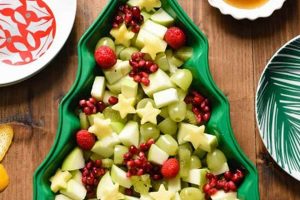
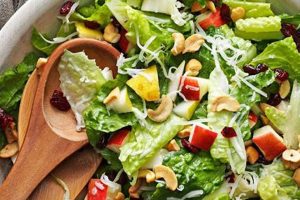
A refreshing blend of tropical and canned fruits preserved in a sweet, creamy sauce typically characterizes this dish. Common ingredients include mangoes, bananas, papayas, pineapples, and nata de coco, often combined with condensed milk and all-purpose cream. Variations may incorporate cheese, kaong, or other local ingredients, reflecting regional preferences and seasonal availability.
This dessert holds a significant place in Filipino cuisine, frequently served during special occasions, holidays, and fiestas. Its accessibility, affordability, and adaptability to different tastes and budgets contribute to its widespread popularity. Historically, readily available canned fruits and the relative simplicity of preparation made it a practical choice for celebratory meals. The dish offers nutritional value through the vitamins and minerals present in the fruits, balanced with the richness of the creamy base.
Further exploration of this culinary tradition will encompass regional variations, ingredient selection, preparation techniques, and its cultural significance within the broader context of Filipino cuisine.
Tips for Creating a Delicious Fruit Salad
Achieving a well-balanced and flavorful fruit salad requires attention to detail in ingredient selection and preparation. The following tips offer guidance for optimal results.
Tip 1: Ripe, but not overripe, fruit is crucial. Select fruits at peak ripeness for the best flavor and texture. Overripe fruit can become mushy and contribute to a less appealing final product.
Tip 2: Balance sweetness and tartness. Combine naturally sweet fruits like mangoes and bananas with slightly tart options like pineapple and oranges to create a more complex flavor profile.
Tip 3: Consider texture variation. Incorporate a mix of textures to add interest. Combine soft fruits like bananas and papayas with firmer options like apples and grapes.
Tip 4: Chill thoroughly before serving. Chilling enhances the refreshing quality of the fruit salad. Allow sufficient time for the flavors to meld and the salad to reach optimal temperature.
Tip 5: Drain canned fruits properly. Excess syrup can make the salad overly sweet and dilute the overall flavor. Drain canned fruits well before adding them to the mixture.
Tip 6: Add cream and other ingredients judiciously. While cream adds richness, too much can overpower the fresh fruit flavors. Start with a smaller amount and adjust according to preference. Similar caution should be applied to add-ins like cheese or coconut strings.
Tip 7: Prepare close to serving time. To prevent oxidation and maintain the vibrant colors and fresh flavors of the fruits, it’s best to assemble the salad as close to serving as possible.
By following these tips, one can create a delicious and visually appealing fruit salad that highlights the natural flavors and textures of the chosen ingredients.
By understanding these principles, anyone can prepare a fruit salad that balances flavor, texture, and visual appeal.
1. Fresh, Ripe Fruits

Fresh, ripe fruits form the foundation of a successful Filipino fruit salad. Their quality directly impacts the overall flavor, texture, and visual appeal of the dish. The selection of ripe, yet not overripe, fruit ensures optimal sweetness, desirable texture, and vibrant color. Using underripe or overripe fruit compromises the balance of the salad, affecting both taste and presentation. For example, a perfectly ripe mango provides a burst of sweetness and a smooth texture, while an overripe mango can be overly sweet, mushy, and less visually appealing. Similarly, firm, ripe bananas contribute a creamy texture and subtle sweetness, whereas overripe bananas become excessively soft and may impart an undesirable brown hue to the salad.
The emphasis on fresh, ripe fruits reflects a broader appreciation for natural flavors within Filipino cuisine. This prioritization of fresh ingredients highlights the connection between the dish and the abundance of tropical fruits available in the Philippines. Seasonal variations in fruit availability further influence recipe adaptations, allowing for creativity and showcasing the diversity of local produce. Choosing fruits at their peak ripeness not only maximizes flavor but also ensures the highest nutritional value, contributing to a healthier dessert option. Practical application of this understanding involves careful selection at the market, considering factors such as aroma, color, and texture to identify optimal ripeness.
Ultimately, the careful selection of fresh, ripe fruits demonstrates a commitment to quality and an understanding of the crucial role they play in creating a truly delicious and authentic Filipino fruit salad. This attention to detail elevates the dish from a simple dessert to a celebration of fresh, natural flavors, reflecting the rich culinary heritage of the Philippines. Mastering this element allows for greater control over the final product, ensuring a delightful sensory experience that captures the essence of this beloved Filipino treat.
2. Creamy, Sweet Base

The creamy, sweet base constitutes a defining characteristic of Filipino fruit salad, distinguishing it from other fruit salads. This element contributes significantly to the overall flavor profile, texture, and cultural significance of the dish. The base typically comprises a combination of condensed milk and all-purpose cream, creating a rich, sweet, and subtly tangy counterpoint to the natural sweetness and acidity of the fruits. This interplay of flavors creates a balanced and harmonious taste experience, characteristic of Filipino desserts. The creaminess of the base also enhances the textural complexity, coating the fruits and binding them together in a cohesive mixture.
The choice of condensed milk reflects historical and cultural influences. Condensed milk became readily available in the Philippines during the American colonial period and was subsequently adopted into local cuisine. Its affordability and long shelf-life made it a practical option for creating sweet treats, especially in areas with limited access to refrigeration. The combination of condensed milk and cream creates a unique flavor profile that has become synonymous with Filipino fruit salad, evoking a sense of nostalgia and tradition. Regional variations may incorporate other ingredients like coconut milk or cream cheese, further diversifying the flavor profiles and reflecting local preferences.
Understanding the role of the creamy, sweet base provides insight into the evolution and cultural significance of Filipino fruit salad. This knowledge allows for informed decision-making when adapting recipes or creating variations, ensuring the preservation of the essential characteristics that define this beloved dish. The interplay between the creamy base and the fresh fruits creates a sensory experience that is both familiar and comforting, representing a harmonious blend of flavors and textures deeply ingrained in Filipino culinary heritage. Appreciating this delicate balance allows one to fully appreciate the artistry and cultural significance of this seemingly simple, yet deeply resonant, dessert.
3. Canned fruit cocktail

Canned fruit cocktail holds a significant position in the narrative of Filipino fruit salad. Its inclusion stems from a confluence of historical, economic, and cultural factors that shaped the evolution of this popular dessert. During periods of limited access to diverse fresh produce, canned fruit cocktail provided a convenient and affordable alternative, ensuring year-round availability of key ingredients. This practicality contributed to its widespread adoption, firmly embedding it within the recipe’s DNA. Moreover, the distinct sweetness and texture of canned fruits, particularly peaches and cherries, complement the other components, contributing to the recognizable flavor profile of traditional Filipino fruit salad. One can observe this influence across numerous variations, reflecting its acceptance across different regions and socio-economic backgrounds. For instance, during Christmas celebrations, when fresh fruit prices often surge, canned fruit cocktail provides a cost-effective solution without compromising the festive spirit.
The enduring presence of canned fruit cocktail also reflects a deeper cultural adaptation and innovation. While fresh fruits remain central to the dish, the incorporation of canned varieties highlights resourcefulness and a willingness to adapt recipes to suit prevailing circumstances. This adaptability demonstrates a pragmatic approach to culinary traditions, allowing for the preservation of cultural practices even with limited resources. Furthermore, the inclusion of canned fruit cocktail inadvertently introduced new flavors and textures, expanding the palate and influencing the overall sensory experience of the dish. Consider the distinct taste of maraschino cherries, a common component of canned fruit cocktail, which adds a unique sweetness and visual appeal. This subtle yet noticeable addition showcases how seemingly minor components can contribute to the overall character of a dish.
Understanding the role of canned fruit cocktail in Filipino fruit salad provides valuable insight into the dynamic nature of culinary traditions. It underscores how cultural, economic, and historical contexts shape food practices, leading to the development of unique and cherished dishes. Recognizing this interplay allows for a deeper appreciation of the complexities embedded within seemingly simple recipes. While fresh fruit increasingly dominates contemporary iterations, acknowledging the historical significance of canned fruit cocktail provides a richer understanding of the dish’s evolution and its enduring place within Filipino culinary heritage. This awareness encourages a more nuanced perspective, recognizing the ingenuity and adaptability that have shaped Filipino cuisine over time.
4. Local Ingredient Adaptation
Local ingredient adaptation plays a vital role in the evolution and diversification of Filipino fruit salad. Resourcefulness and a deep connection to regional produce drive this adaptation. Variations arise based on agricultural conditions, seasonal availability, and distinct cultural preferences. For instance, the addition of nata de coco, a readily available byproduct of coconut cultivation, adds a unique chewy texture. Similarly, regions known for specific fruits often incorporate them into their versions. Guimaras, renowned for its mangoes, frequently features this fruit prominently. The use of kaong, sweetened palm fruit, or macapuno, a specific type of coconut, further illustrates how local resources influence regional variations. This adaptability not only showcases regional pride but also strengthens community ties through shared culinary experiences. Furthermore, it aligns with broader trends in sustainable food practices by promoting the consumption of locally sourced ingredients, reducing reliance on imported produce and minimizing environmental impact.
Practical examples of local ingredient adaptation demonstrate a dynamic culinary tradition. In Bicol, where coconuts abound, one might find macapuno integrated into fruit salad. Meanwhile, regions known for durian might include this pungent fruit, creating a distinctly local flavor profile. These variations are not merely substitutions but thoughtful additions that reflect an intimate understanding of flavor pairings and textural interplay. This practice enhances both the nutritional value and cultural significance of the dish. Utilizing readily available, seasonal produce maximizes nutritional benefits while minimizing costs. Moreover, sharing these unique adaptations within families and communities reinforces cultural identity and fosters intergenerational knowledge transfer.
Understanding local ingredient adaptation provides critical insights into the cultural landscape surrounding Filipino fruit salad. It highlights the ingenuity and adaptability inherent in Filipino cuisine. This understanding encourages culinary exploration and deeper appreciation for the diverse flavors across different regions. Moreover, it emphasizes the connection between food, culture, and environment, showcasing the dynamic interplay between these elements. By embracing local ingredients, the tradition of Filipino fruit salad remains vibrant and relevant, reflecting the unique character of each community and its relationship with its environment. This adaptability ensures the continued evolution of the dish, allowing it to remain a cherished part of Filipino culinary heritage for generations to come.
5. Chilled Serving Temperature

Chilled serving temperature constitutes a defining characteristic of Filipino fruit salad, significantly influencing the sensory experience. Lower temperatures enhance the refreshing qualities of the dish, particularly crucial in the Philippines’ tropical climate. Cooling mutes the sweetness of the creamy base and accentuates the natural fruit flavors, creating a balanced and harmonious taste. Texture also benefits from chilling; the fruits firm slightly, enhancing their individual textures within the overall mix. Serving the salad warm or at room temperature would diminish these desirable effects, resulting in a less refreshing, potentially cloying dessert. Consider a midday meal on a hot summer day; a chilled fruit salad offers a welcome respite, while a room-temperature version might feel heavy and less appealing. This preference for chilled desserts reflects a broader cultural adaptation to climate and a prioritization of refreshment.
The practical significance of chilled serving temperature extends beyond immediate enjoyment. Lower temperatures inhibit bacterial growth, contributing to food safety, particularly relevant for dishes often prepared in advance and served at gatherings. Chilling also helps preserve the vibrant colors of the fruits, preventing discoloration caused by oxidation. Consider a fruit salad containing bananas; chilling slows the browning process, maintaining a visually appealing presentation. This attention to detail, though seemingly minor, contributes to the overall dining experience, demonstrating care and consideration in food preparation. Furthermore, the chilled temperature complements the typical accompaniments of Filipino meals. Often served alongside savory dishes, the refreshing coolness of the fruit salad provides a welcome contrast, cleansing the palate and balancing richer flavors.
In summary, chilled serving temperature is integral to the overall experience of Filipino fruit salad. It enhances flavor, texture, and food safety while aligning with cultural preferences and practical considerations. This seemingly simple detail underscores a deeper understanding of how temperature influences sensory perception and highlights the cultural adaptation embedded within Filipino culinary traditions. Recognizing the importance of this element allows for a more nuanced appreciation of the dish and ensures optimal enjoyment, reflecting a commitment to both sensory pleasure and food safety practices.
6. Festive Occasion Staple

The designation of Filipino fruit salad as a festive occasion staple arises from a confluence of cultural, economic, and practical factors. Celebrations in Filipino culture often involve elaborate meals, symbolizing abundance and generosity. Fruit salad, with its vibrant colors, refreshing taste, and relative affordability, readily fulfills this symbolic role. Its adaptability to large-scale preparation further solidifies its presence on festive tables. Consider, for instance, the ubiquitous presence of fruit salad during Christmas, birthdays, and fiestas. These occasions often involve large gatherings, and the dish’s ease of preparation and serving makes it a practical choice. Furthermore, the use of canned fruits, particularly prevalent in earlier times, ensured availability regardless of seasonality, contributing to its consistent presence during celebrations. The dish functions not merely as dessert but as a symbol of communal joy and shared prosperity.
The tradition of serving fruit salad during festivities strengthens social bonds and reinforces cultural values. Sharing this dish fosters a sense of community and togetherness, contributing to the festive atmosphere. The collaborative nature of its preparation, often involving multiple family members, further strengthens these bonds. Children assisting with peeling fruits, adults mixing the ingredientsthese shared activities contribute to the collective experience and create lasting memories associated with the dish. Furthermore, the passing down of recipes through generations solidifies its cultural significance, connecting families to their heritage and reinforcing culinary traditions. This intergenerational transfer of knowledge ensures the continued presence of fruit salad on festive tables for years to come. The adaptability of the recipe also allows for personalized touches, reflecting individual family preferences and regional variations while maintaining the core elements that define the dish.
Understanding the connection between Filipino fruit salad and festive occasions reveals its deeper cultural significance. It transcends its role as a simple dessert, embodying values of community, generosity, and resourcefulness. This understanding underscores the importance of food in shaping cultural identity and fostering social cohesion. While culinary trends evolve, the enduring presence of fruit salad during Filipino celebrations testifies to its enduring appeal and its ability to connect generations through shared culinary experiences. The dish’s continued presence on festive tables reflects its adaptability and its ability to evolve while retaining its core essencea symbol of joy, community, and the vibrant flavors of Filipino culture. This adaptability ensures that Filipino fruit salad remains a cherished part of celebrations, adapting to contemporary tastes while maintaining its strong cultural ties.
7. Simple Preparation Method
The simplicity of preparation inherent in Filipino fruit salad contributes significantly to its widespread popularity and accessibility. Minimal culinary expertise is required, allowing individuals with varying skill levels to create the dish successfully. This ease of preparation stems from the fundamental nature of the recipe: combining readily available ingredients often canned fruits and a pre-made creamy base requiring little more than mixing and chilling. This characteristic facilitates its frequent inclusion in everyday meals and festive occasions, reducing the burden on hosts and cooks, particularly during large gatherings. For example, preparing a fruit salad for a birthday party requires significantly less time and effort compared to baking a cake or assembling a more complex dessert, allowing hosts to focus on other aspects of the celebration.
The straightforward preparation method also encourages culinary experimentation and personalized variations. Individuals can readily adapt the recipe by incorporating preferred fruits, adjusting the sweetness of the base, or adding regional ingredients. This flexibility fosters creativity and allows the dish to reflect individual tastes and local preferences. A household might prefer a lighter version using less cream, or another might incorporate local fruits like rambutan or lanzones when in season. This adaptability ensures the dish remains relevant and appealing across diverse palates and regional contexts. Furthermore, the simple method makes it an ideal introductory recipe for novice cooks, fostering confidence and encouraging further exploration of Filipino cuisine. Children can participate in the preparation, learning basic culinary skills and developing an appreciation for fresh ingredients.
In conclusion, the simple preparation method of Filipino fruit salad is integral to its enduring popularity and cultural significance. It democratizes access to a beloved dish, allowing individuals of all skill levels to create and enjoy it. This simplicity fosters adaptability, encouraging personalized variations and regional adaptations, ensuring the dish remains a dynamic and evolving element of Filipino culinary heritage. Furthermore, its ease of preparation facilitates its role in both everyday meals and festive celebrations, reinforcing its position as a staple in Filipino homes and a symbol of shared enjoyment and cultural identity. This simplicity, far from being a limitation, empowers individuals to engage with their culinary traditions and personalize them, ensuring the continued vitality of this cherished dish.
Frequently Asked Questions
This section addresses common inquiries regarding the preparation and cultural context of Filipino fruit salad.
Question 1: What distinguishes Filipino fruit salad from other fruit salad variations?
The distinctive creamy, sweet base, often composed of condensed milk and cream, sets Filipino fruit salad apart. The frequent inclusion of canned fruit cocktail and local ingredients like nata de coco also contribute to its unique character.
Question 2: Can one substitute fresh fruits with entirely canned options?
While canned fruits offer convenience, using solely canned options may result in a less vibrant flavor and texture compared to incorporating fresh, ripe fruits. A balance of fresh and canned fruits is often preferred.
Question 3: Are there regional variations in the Philippines?
Regional variations abound, reflecting local produce and culinary traditions. Incorporating ingredients like macapuno in Bicol or durian in certain Mindanao regions exemplifies this diversity.
Question 4: Why is the salad served chilled?
Chilling enhances the refreshing qualities of the fruit salad, crucial in a tropical climate. Lower temperatures balance sweetness and accentuate the natural flavors of the fruits.
Question 5: What occasions typically feature this dessert?
Filipino fruit salad is a staple at festive occasions like Christmas, birthdays, and fiestas, symbolizing abundance and shared enjoyment.
Question 6: How critical is the ripeness of fruit for this recipe?
Fruit ripeness is crucial. Ripe, but not overripe, fruit provides optimal sweetness, texture, and visual appeal, contributing significantly to the overall quality of the salad.
Understanding these frequently asked questions enhances appreciation for the nuances of this popular Filipino dessert. Careful consideration of these aspects ensures successful preparation and a more informed understanding of its cultural significance.
The following sections will delve deeper into specific recipe variations and explore the cultural context surrounding Filipino fruit salad.
Filipino Recipe Fruit Salad
Filipino recipe fruit salad represents more than a simple dessert; it embodies a rich tapestry of cultural influences, historical adaptations, and regional variations. From the careful selection of fresh, ripe fruits to the creamy, sweet base that binds them together, each element contributes to a harmonious blend of flavors and textures. The integration of canned fruit cocktail reflects historical resourcefulness, while the incorporation of local ingredients highlights regional diversity and culinary ingenuity. Served chilled, this refreshing dish graces festive tables, symbolizing abundance and shared joy. Its simple preparation method democratizes access, enabling participation across generations and skill levels. Filipino fruit salad stands as a testament to the dynamic nature of culinary traditions, showcasing how a seemingly simple dish can embody complex cultural narratives.
Further exploration of individual family recipes and regional adaptations will undoubtedly reveal a deeper understanding of the dish’s evolution and its enduring place within Filipino culinary heritage. This continued exploration promises to uncover further nuances and variations, enriching appreciation for the cultural significance embedded within each spoonful. Filipino fruit salad serves as a delicious reminder of the power of food to connect communities, preserve traditions, and celebrate the vibrant tapestry of Filipino culture.