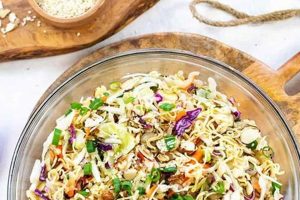
A vibrant and refreshing dish featuring thinly sliced fennel bulb, segments of citrus fruits such as oranges, grapefruits, or mandarins, and often other complementary ingredients like herbs, nuts, or cheeses. A simple vinaigrette typically dresses the salad, highlighting the bright, anise-flavored fennel and the tart, juicy citrus. Variations might include adding shaved red onion, toasted almonds, or crumbled feta cheese.
This type of salad offers a balance of flavors and textures, with the crispness of the fennel contrasting with the soft citrus segments. The inherent sweetness of the citrus is offset by the slightly bitter, licorice-like notes of the fennel, creating a complex and satisfying culinary experience. Furthermore, it provides a good source of vitamins, minerals, and antioxidants. Historically, both fennel and citrus fruits have been valued for their medicinal properties and distinct flavors, making their combination in salads a natural progression in culinary arts.
Further exploration will cover specific ingredient selections, variations in preparation techniques, dressing options, and suggestions for pairing this salad with other dishes.
Tips for Crafting the Perfect Fennel Citrus Salad
Achieving optimal flavor and texture requires attention to detail in ingredient selection and preparation. The following tips offer guidance for creating a truly exceptional salad.
Tip 1: Choose Fresh, Crisp Fennel: Select fennel bulbs that are firm and white, with bright green fronds. Avoid bulbs with brown spots or bruises.
Tip 2: Slice Fennel Thinly and Uniformly: Thinly sliced fennel offers a delicate texture and allows the flavors to meld more effectively with the other ingredients. A mandoline slicer or sharp knife can achieve this.
Tip 3: Supreme Citrus Fruits for Optimal Presentation and Flavor: Removing the segments from their membranes eliminates the bitter pith, resulting in a cleaner, sweeter flavor and a more elegant presentation.
Tip 4: Balance Sweetness and Acidity: Combine a variety of citrus fruits, such as oranges and grapefruits, to create a balanced flavor profile. Adjust the vinaigrette’s acidity to complement the sweetness of the fruit.
Tip 5: Incorporate Complementary Flavors and Textures: Enhance the salad with ingredients like toasted nuts, crumbled cheese, or thinly sliced red onion, which add contrasting textures and flavors.
Tip 6: Dress the Salad Just Before Serving: To prevent the fennel and citrus from becoming soggy, toss the salad with the vinaigrette immediately before serving.
Tip 7: Properly Store Leftover Ingredients: Store leftover sliced fennel and citrus segments separately in airtight containers in the refrigerator to maintain freshness.
By following these guidelines, one can create a salad that showcases the unique and harmonious combination of fennel and citrus, resulting in a truly delightful culinary experience.
These insights provide a foundation for exploring further variations and customizations in crafting this versatile and refreshing salad.
1. Fresh, Crisp Fennel

The foundation of a successful fennel citrus salad rests upon the quality of the fennel itself. Fresh, crisp fennel provides the distinct anise flavor and satisfying crunch that define this dish. Selecting and preparing the fennel correctly is paramount to achieving the desired outcome.
- Selection
Choosing firm, white bulbs with vibrant green fronds is crucial. Avoid bulbs with bruises, brown spots, or signs of wilting. The fronds themselves can be used as a garnish or incorporated into the vinaigrette for an extra layer of anise flavor. Proper selection ensures a flavorful and aesthetically pleasing salad.
- Preparation
Precise slicing techniques enhance both texture and flavor. Thinly shaving the fennel bulb, preferably with a mandoline or sharp knife, creates a delicate texture that complements the other ingredients. Uniform slicing also ensures even distribution of flavor and a visually appealing presentation.
- Storage
Proper storage maintains the fennel’s freshness and crispness. Store whole bulbs in the refrigerator’s crisper drawer for up to a week. Once sliced, fennel should be stored in an airtight container in the refrigerator to prevent oxidation and moisture loss. Ideally, slice fennel just before using to maximize its crispness and flavor in the salad.
- Flavor Impact
The characteristic anise flavor of fresh fennel is a key element in balancing the sweetness and acidity of the citrus components. Its subtle licorice notes provide a complex counterpoint to the brighter citrus flavors, preventing the salad from becoming overly sweet. The fennel’s crisp texture also provides a satisfying contrast to the softer citrus segments.
These factors, from selection to preparation and storage, contribute significantly to the overall success of the fennel citrus salad. By prioritizing the quality and proper handling of the fennel, one ensures a vibrant, flavorful, and texturally satisfying dish.
2. Varied Citrus Selection

The interplay of citrus flavors significantly influences the overall complexity and balance of a fennel citrus salad. A varied citrus selection offers an opportunity to create a dynamic flavor profile that complements the anise notes of the fennel. Exploring different citrus varieties unlocks a spectrum of tastes, textures, and aromatic nuances that elevate this simple salad to a sophisticated culinary experience.
- Balancing Sweetness and Acidity
Different citrus fruits possess varying degrees of sweetness and acidity. Combining oranges, known for their sweetness, with grapefruits, which offer a more tart profile, creates a balanced flavor profile. This interplay prevents the salad from becoming overly sweet or excessively tart. The subtle bitterness of certain citrus varieties, like blood oranges, can also add depth.
- Textural Variation
Citrus segments offer diverse textures. While oranges provide a juicy, tender burst, segments of grapefruit offer a slightly firmer, more substantial bite. This variation in texture adds complexity to the salad, contrasting with the crispness of the fennel. Incorporating segments of both creates a more interesting and satisfying mouthfeel.
- Aromatic Complexity
The aromatic profiles of citrus fruits contribute significantly to the overall sensory experience. The bright, zesty aroma of lemons contrasts with the sweeter, more floral fragrance of mandarins. Combining different citrus varieties enhances the aromatic complexity of the salad, making it more appealing and inviting.
- Visual Appeal
The vibrant colors of various citrus fruits contribute to the salad’s visual appeal. The deep red hues of blood oranges, the bright orange of navel oranges, and the pale yellow of grapefruits create a visually stunning presentation. This variety of color enhances the dining experience, making the salad more enticing.
By carefully considering the balance of sweetness, acidity, texture, aroma, and visual appeal, one can curate a citrus selection that perfectly complements the fennel, resulting in a well-rounded and flavorful salad. The strategic combination of citrus varieties elevates this seemingly simple dish, transforming it into a vibrant and nuanced culinary creation.
3. Balanced Vinaigrette

A balanced vinaigrette is crucial for a successful fennel citrus salad. The vinaigrette acts as a unifying element, harmonizing the distinct flavors of fennel and citrus while adding its own dimension to the dish. An overly acidic vinaigrette can overwhelm the delicate flavors of the fennel and citrus, while a bland dressing fails to enhance the salad’s inherent brightness. The balance of acidity, sweetness, and oil is paramount. For example, a vinaigrette made with fresh lemon juice, extra virgin olive oil, a touch of honey, and a pinch of salt complements the fennel’s anise notes and the citrus’s sweetness without masking either. The emulsion should be stable, coating the ingredients lightly without becoming watery or overly thick.
The vinaigrette’s role extends beyond flavor enhancement. It contributes to the overall texture and mouthfeel of the salad. A light, emulsified vinaigrette evenly coats the fennel and citrus segments, adding a subtle sheen and preventing the salad from becoming dry. The acidity in the vinaigrette also helps to slightly soften the fennel, enhancing its texture without causing it to become soggy. Achieving this balance ensures the salad remains refreshing and palatable. A well-executed vinaigrette also contributes to the visual appeal of the dish. A glossy coating enhances the colors of the fennel and citrus, making the salad more visually appealing.
Mastering the art of a balanced vinaigrette elevates the fennel citrus salad from a simple combination of ingredients to a harmonious composition of flavors, textures, and aromas. Challenges may include achieving a stable emulsion, selecting appropriate oils and vinegars, and adjusting seasonings to complement specific citrus varieties. However, the practical significance of a well-balanced vinaigrette is undeniable. It serves as a critical component, binding the flavors together and transforming a collection of ingredients into a cohesive and satisfying culinary experience.
4. Complementary Ingredients

Complementary ingredients play a vital role in enhancing the flavor profile and textural complexity of a fennel citrus salad. While fennel and citrus provide the foundational flavors, carefully chosen additions can elevate the dish from simple to sophisticated. These additions create a more nuanced and satisfying culinary experience by introducing contrasting or supporting flavors and textures.
Consider the interplay of textures. The crispness of fennel and the juiciness of citrus benefit from the introduction of contrasting textures. Toasted nuts, such as almonds or pistachios, provide a satisfying crunch. Crumbled cheeses, like feta or goat cheese, offer a creamy counterpoint. Even thinly sliced red onion adds a sharp bite. These additions create a more dynamic and engaging mouthfeel.
Flavor pairings also contribute significantly. Fresh herbs, like mint or dill, offer bright, herbaceous notes that complement the anise flavor of fennel. Olives, particularly Kalamata or Castelvetrano, introduce a salty, briny element. Avocado adds a creamy richness. These ingredients, when used judiciously, create a layered flavor profile that is both balanced and complex. For example, the peppery bite of arugula complements the sweetness of oranges, while the salty tang of feta cheese enhances the licorice notes of fennel. Such combinations demonstrate the practical significance of understanding flavor pairings in creating a well-rounded dish.
The selection of complementary ingredients should be purposeful and balanced. Overcrowding the salad with too many additions can mask the delicate flavors of the fennel and citrus. The goal is to enhance, not overpower, the core ingredients. A successful fennel citrus salad showcases the harmonious interplay of flavors and textures, where each component contributes to the overall culinary experience. The potential challenges lie in achieving this balance, requiring careful consideration of flavor profiles and textural contrasts. Ultimately, the strategic use of complementary ingredients elevates the fennel citrus salad, transforming it into a more complex and satisfying dish.
5. Precise Preparation Technique

Precise preparation techniques are essential for maximizing the flavor, texture, and visual appeal of a fennel citrus salad. These techniques extend beyond simply combining ingredients; they involve careful consideration of how each element is handled to ensure optimal results. Proper execution of these techniques elevates the salad from a basic dish to a refined culinary creation.
- Knife Skills and Thin Slicing
Precise knife skills are fundamental. Thinly and uniformly slicing the fennel bulb is crucial for both texture and flavor. Thin slices offer a delicate, pleasant mouthfeel and ensure the fennel’s anise flavor melds harmoniously with the other ingredients. A mandoline slicer offers the most consistent results, but a sharp chef’s knife, used with proper technique, can also achieve the desired thinness. Unevenly sliced fennel can result in an unpleasant, fibrous texture and uneven flavor distribution throughout the salad.
- Citrus Segmenting (Supreming)
Segmenting citrus fruits, also known as supreming, enhances both flavor and presentation. This technique involves removing the segments from their membranes, eliminating the bitter pith and resulting in a cleaner, sweeter taste. Supremed citrus segments also offer a more elegant and refined appearance compared to roughly chopped pieces. The precision of this technique contributes to a more enjoyable eating experience.
- Vinaigrette Emulsification
Proper emulsification of the vinaigrette is critical for a balanced and flavorful salad. A stable emulsion, achieved by whisking together oil and acid, ensures the dressing evenly coats the ingredients, enhancing flavor distribution and preventing the salad from becoming watery or oily. A poorly emulsified vinaigrette can lead to an uneven distribution of flavor and a less appealing texture.
- Ingredient Incorporation and Timing
The timing of ingredient incorporation affects the salad’s overall quality. Delicate ingredients, such as fresh herbs, should be added just before serving to prevent wilting and preserve their vibrant flavors. Dressing the salad immediately before serving prevents the fennel and citrus segments from becoming soggy, maintaining their desirable textures. Careful attention to these details ensures the salad is served at its peak freshness and flavor.
These precise preparation techniques are integral to a successful fennel citrus salad recipe. They demonstrate a commitment to culinary excellence, resulting in a dish that is not only flavorful but also visually appealing and texturally satisfying. Mastery of these techniques elevates the final product, transforming a simple combination of ingredients into a refined and enjoyable culinary experience.
Frequently Asked Questions
This section addresses common inquiries regarding fennel citrus salad preparation and variations.
Question 1: Can anise seeds be substituted for the fennel bulb?
While anise seeds share a similar flavor profile with fennel, they cannot effectively replace the bulb’s textural contribution to the salad. The fennel bulb provides a crucial element of crispness and substance. Anise seeds can, however, be incorporated into the vinaigrette or used as a garnish to enhance the anise flavor.
Question 2: How can bitterness from the citrus pith be avoided?
The most effective method for avoiding bitterness is to supreme the citrus fruits. This technique involves removing the segments from their membranes, eliminating the pith entirely. Alternatively, one can carefully peel the citrus and ensure all white pith is removed before slicing or segmenting.
Question 3: What can be substituted for individuals who dislike fennel’s anise flavor?
While no perfect substitute captures the same texture and flavor combination, thinly sliced celery or jicama can offer a similar crispness. However, the overall flavor profile of the salad will be altered. Consider emphasizing other aromatic components, such as fresh herbs, to compensate.
Question 4: How long can the salad be stored before serving?
For optimal flavor and texture, it is recommended to dress the salad immediately before serving. Undressed components, such as sliced fennel and citrus segments, can be stored separately in airtight containers in the refrigerator for up to two days. However, some moisture loss may occur.
Question 5: What dressings, besides vinaigrettes, complement this salad?
While vinaigrettes are traditional, light, creamy dressings can also complement this salad. A yogurt-based dressing with lemon, dill, and a touch of honey can provide a different yet harmonious flavor profile. Avoid heavy, creamy dressings, as they can overpower the delicate flavors of the fennel and citrus.
Question 6: Can other ingredients, like nuts and cheese, be added?
Absolutely. Complementary ingredients such as toasted nuts (almonds, pistachios), crumbled cheeses (feta, goat), or thinly sliced red onion enhance both flavor and texture. Exercise restraint to avoid masking the primary flavors of the fennel and citrus.
Understanding these common points of inquiry allows for greater flexibility and success in preparing and enjoying a fennel citrus salad.
Further exploration could delve into specific variations of fennel citrus salad recipes, offering detailed ingredient lists and step-by-step instructions.
Fennel Citrus Salad Recipe
Exploration of this recipe reveals a dish greater than the sum of its parts. Careful selection of fresh fennel, a balanced variety of citrus fruits, a complementary vinaigrette, and considered additions create a harmonious blend of flavors, textures, and aromas. Precise preparation techniques, from slicing to supreming, ensure the salad reaches its full potential. The interplay of sweet, tart, crisp, and aromatic elements offers a complex yet refreshing culinary experience.
This exploration underscores the potential of simple ingredients transformed through thoughtful preparation. Further culinary experimentation with variations in citrus selections, complementary additions, and vinaigrette compositions offers a path to personalized expressions of this vibrant and versatile salad. The enduring appeal of this recipe lies in its adaptability and the inherent balance it achieves.