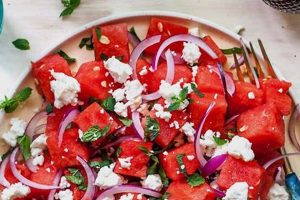
A Caprese salad traditionally features fresh mozzarella, tomatoes, and basil, seasoned with salt, pepper, and olive oil. Using small mozzarella balls, often called pearls, offers distinct advantages. Their size allows for even distribution throughout the salad, ensuring each bite contains all the signature flavors. The pearls also present a visually appealing presentation, adding a touch of elegance. A classic Caprese salad recipe adapted for these smaller mozzarella balls typically involves arranging them artfully with sliced tomatoes and fresh basil leaves.
This presentation elevates the salad from a simple side dish to a more refined appetizer or light meal. The smaller size of the mozzarella also increases the surface area exposed to the other ingredients, allowing the flavors to meld more effectively. Historically, Caprese salad originated on the island of Capri, Italy, known for its beautiful scenery and high-quality produce. The colors of the salad red, white, and green are said to represent the Italian flag. The use of mozzarella pearls maintains this visual appeal while adding a modern twist to a classic dish.
The following sections will explore various aspects of preparing a Caprese salad with mozzarella pearls, including selecting the best ingredients, different variations of the recipe, and tips for achieving optimal flavor and presentation.
Tips for a Perfect Caprese Salad with Mozzarella Pearls
Elevating a simple Caprese salad requires attention to detail. The following tips offer guidance on ingredient selection and preparation techniques to ensure optimal flavor and presentation.
Tip 1: Quality Ingredients are Paramount: Opt for ripe, flavorful tomatoes, preferably heirloom varieties for enhanced sweetness and visual appeal. Fresh basil leaves are essential; avoid dried or wilted basil.
Tip 2: Proper Mozzarella Handling: High-quality mozzarella pearls, ideally packed in water, should be drained and brought to room temperature to maximize their creamy texture and flavor.
Tip 3: Strategic Tomato Slicing: Tomatoes should be sliced to a similar thickness as the mozzarella pearls for balanced bites and visual harmony.
Tip 4: Artful Arrangement: Arrange the mozzarella pearls, tomato slices, and basil leaves in an alternating pattern on a platter or individual plates for an elegant presentation.
Tip 5: Seasoning with Finesse: Sea salt and freshly cracked black pepper enhance the inherent flavors of the ingredients. Drizzle high-quality extra virgin olive oil over the salad just before serving.
Tip 6: Balsamic Glaze (Optional): A drizzle of balsamic glaze adds a touch of sweetness and acidity, complementing the other flavors. Use sparingly to avoid overpowering the delicate balance.
Tip 7: Serve Immediately: For optimal freshness and flavor, Caprese salad is best served immediately after preparation.
By following these tips, one can create a Caprese salad with mozzarella pearls that is both visually stunning and a delight to the palate. The focus on fresh, high-quality ingredients and careful preparation ensures a truly exceptional culinary experience.
The following section concludes with variations and serving suggestions for this classic dish.
1. Fresh Mozzarella Pearls

Fresh mozzarella pearls play a crucial role in a Caprese salad recipe. The term “fresh” signifies the importance of using mozzarella that is packed in water or brine, as opposed to the low-moisture variety typically used for pizza. This higher moisture content provides a softer, creamier texture and a milder, sweeter flavor, essential characteristics of an authentic Caprese salad. Using fresh mozzarella pearls contributes significantly to the overall quality and enjoyment of the dish. For instance, if dried mozzarella were substituted, the salad would lack the desired creaminess and the interplay of textures would be compromised. The fresh mozzarella pearls provide a textural counterpoint to the firmness of the tomatoes and the slight chewiness of the basil leaves.
The size and shape of mozzarella pearls also offer practical advantages. Their small, uniform size allows for even distribution throughout the salad, ensuring a balanced flavor profile in each bite. This consistency enhances the aesthetic appeal of the salad, making it suitable for both casual and more formal occasions. Furthermore, the pearls’ higher surface area-to-volume ratio allows them to absorb the flavors of the olive oil, basil, and tomatoes more readily, resulting in a more cohesive and flavorful dish. A practical example of this can be observed when comparing a Caprese salad made with fresh mozzarella pearls to one made with a large block of mozzarella. The pearls will exhibit a more pronounced flavor due to their greater interaction with the other ingredients, while the large block may retain a more bland, milky flavor in its center.
In summary, the use of fresh mozzarella pearls is not merely a stylistic choice but a critical factor in achieving the desired flavor, texture, and presentation of a Caprese salad. Understanding this connection allows for informed ingredient selection and ultimately a more satisfying culinary experience. Choosing the correct mozzarella contributes directly to the success of the recipe and highlights the importance of seemingly minor details in creating a truly exceptional dish. Failing to recognize this nuance can result in a salad that falls short of the authentic Caprese experience.
2. Ripe, Flavorful Tomatoes
Ripe, flavorful tomatoes form an integral part of a successful Caprese salad featuring mozzarella pearls. The inherent sweetness and juiciness of a perfectly ripe tomato provide a necessary counterpoint to the creamy richness of the mozzarella and the peppery notes of the basil. Underripe or bland tomatoes diminish the overall balance and complexity of the salad, resulting in a less satisfying culinary experience. The choice of tomato variety significantly influences the final outcome. Heirloom tomatoes, known for their diverse colors, shapes, and complex flavor profiles, often offer a superior taste experience compared to standard supermarket varieties. For example, a Brandywine tomato, with its deep pink hue and balanced sweetness and acidity, enhances the Caprese salad, while a bland, watery tomato detracts from the overall flavor profile.
The ripeness of the tomato affects not only the flavor but also the texture of the salad. A ripe tomato holds its shape when sliced but offers a slight yield when bitten into, creating a pleasant textural contrast with the soft mozzarella pearls. Overripe tomatoes, on the other hand, tend to become mushy and release excess liquid, which can dilute the flavors and make the salad soggy. This textural element plays a crucial role in the overall enjoyment of the dish. Consider the difference between a Caprese salad made with firm, flavorful tomatoes and one made with mealy, flavorless tomatoes. The former provides a delightful interplay of textures, while the latter results in a less appealing, almost homogenous consistency.
Selecting and preparing the tomatoes properly is therefore essential for a successful Caprese salad. Choosing tomatoes at peak ripeness, ideally locally sourced and in season, ensures optimal flavor and texture. Slicing the tomatoes to a thickness similar to the mozzarella pearls further enhances the balance and presentation of the salad. Understanding the critical role of ripe, flavorful tomatoes in a Caprese salad allows for informed ingredient selection and elevates this simple dish to a truly exceptional culinary experience. This attention to detail demonstrates a commitment to quality and a deep appreciation for the delicate interplay of flavors and textures that define a classic Caprese salad.
3. Vivid Green Basil

Vivid green basil provides an essential aromatic and flavorful component within a Caprese salad featuring mozzarella pearls. The term “vivid green” signifies the importance of using fresh, vibrant basil leaves, as opposed to dried or wilted ones. Fresh basil offers a pronounced peppery, slightly minty aroma and flavor that complements the creamy mozzarella and sweet tomatoes. This distinct flavor profile contributes significantly to the overall sensory experience of the salad. Dried basil, while convenient, lacks the same intensity and freshness, resulting in a diminished flavor profile. Imagine comparing a Caprese salad made with freshly picked basil leaves to one made with dried basil flakes. The former exhibits a bright, herbaceous aroma and flavor, while the latter offers a duller, less nuanced taste.
Beyond flavor, the visual appeal of vivid green basil enhances the presentation of the Caprese salad. The vibrant green hue contrasts beautifully with the white mozzarella and red tomatoes, creating an aesthetically pleasing dish. This visual element is integral to the overall dining experience, elevating the salad from a simple dish to a more visually appealing culinary creation. Consider a Caprese salad arranged with vibrant green basil leaves interspersed among the mozzarella pearls and tomato slices. The bright green color creates visual interest and enhances the perceived freshness of the salad. Conversely, using wilted or browned basil detracts from the visual appeal and gives the impression of staleness.
The practical significance of using vivid green basil lies in its ability to elevate both the flavor and presentation of the Caprese salad. Selecting fresh, vibrant basil leaves ensures optimal flavor and aroma, contributing to a more satisfying culinary experience. Furthermore, the visual appeal of the basil enhances the overall presentation of the dish, making it more enticing and enjoyable. Understanding this connection allows for informed ingredient selection and a deeper appreciation of the nuances that contribute to a truly exceptional Caprese salad. The choice between fresh and dried basil exemplifies a seemingly small detail that significantly impacts the final outcome. Recognizing this underscores the importance of careful ingredient selection in achieving culinary excellence.
4. High-Quality Olive Oil

High-quality olive oil is an indispensable element in a Caprese salad featuring mozzarella pearls. It not only contributes richness and flavor but also serves as a unifying element, binding the other ingredients together. The quality of the olive oil significantly impacts the overall sensory experience, influencing both the taste and aroma of the salad. Selecting the right olive oil is therefore crucial for achieving the desired balance and complexity.
- Flavor Profile
Extra virgin olive oil, the highest quality grade, offers a complex flavor profile ranging from fruity and peppery to grassy and herbaceous. This complexity complements the delicate flavors of the mozzarella, tomatoes, and basil. For example, a robust Tuscan olive oil with peppery notes enhances the sweetness of the tomatoes and the creaminess of the mozzarella, while a milder Ligurian olive oil with fruity undertones provides a more subtle backdrop to the other flavors. Using lower-quality olive oil, such as refined or blended oils, compromises the flavor profile, resulting in a less nuanced and satisfying experience.
- Aroma
The aroma of high-quality olive oil contributes significantly to the overall sensory experience of a Caprese salad. Extra virgin olive oil possesses a distinct, fresh aroma that enhances the other ingredients. This aroma, often described as fruity, grassy, or herbaceous, awakens the palate and prepares it for the flavors to come. Imagine the difference between a Caprese salad drizzled with fragrant extra virgin olive oil and one made with a bland, odorless oil. The former immediately engages the senses, while the latter lacks this initial olfactory appeal.
- Texture and Mouthfeel
High-quality olive oil contributes to the texture and mouthfeel of the Caprese salad. Its viscosity coats the ingredients, creating a smooth, luxurious sensation on the palate. This textural element enhances the overall enjoyment of the dish. Consider the difference between a Caprese salad dressed with a rich, viscous olive oil and one made with a thin, watery oil. The former offers a more satisfying mouthfeel, while the latter lacks this textural depth.
- Health Benefits
Beyond flavor and texture, high-quality extra virgin olive oil offers numerous health benefits. Rich in antioxidants and monounsaturated fats, it contributes to a heart-healthy diet. These health benefits add another layer of value to the Caprese salad, making it not only a delicious but also a nutritious choice. Incorporating high-quality olive oil into the Caprese salad aligns with a health-conscious approach to dining, further enhancing its appeal.
In summary, the choice of olive oil is not a trivial matter in preparing a Caprese salad with mozzarella pearls. High-quality extra virgin olive oil elevates the dish by contributing flavor, aroma, texture, and even health benefits. Understanding the significance of this ingredient allows for informed decision-making and ultimately a more satisfying and enriching culinary experience. Selecting the right olive oil demonstrates an appreciation for the nuances that contribute to a truly exceptional Caprese salad and highlights the importance of seemingly minor details in achieving culinary excellence.
5. Sea Salt and Cracked Pepper

Sea salt and freshly cracked black pepper, though seemingly simple seasonings, play a crucial role in elevating the flavor profile of a Caprese salad with mozzarella pearls. Their function extends beyond mere seasoning; they enhance the inherent flavors of the core ingredients fresh mozzarella, ripe tomatoes, and fragrant basil without overpowering their delicate balance. The coarse texture of sea salt provides a pleasant textural contrast to the smooth mozzarella and juicy tomatoes, while freshly cracked black pepper adds a subtle bite that complements the sweetness of the tomatoes and the herbaceousness of the basil. Consider the impact of these seasonings: a Caprese salad seasoned only with fine table salt lacks the nuanced flavor and textural complexity provided by sea salt, and pre-ground black pepper often exhibits a stale, less vibrant flavor compared to freshly cracked peppercorns. The choice between these seemingly interchangeable options directly influences the final taste experience.
The interplay between sea salt and cracked pepper contributes to the overall complexity of the Caprese salad. The salinity of the sea salt enhances the sweetness of the ripe tomatoes, while the pepper’s subtle heat provides a counterpoint to the creamy richness of the mozzarella. This delicate balance of flavors creates a harmonious taste experience that highlights the quality of the individual ingredients. For instance, if iodized table salt were used instead of sea salt, the delicate flavor of the mozzarella might be masked by the iodine’s slightly metallic taste. Similarly, an excessive amount of black pepper could overpower the subtle flavors of the basil and tomatoes. Understanding the nuanced impact of these seasonings allows for precise flavor adjustments tailored to individual preferences and ingredient characteristics.
The practical significance of using sea salt and freshly cracked black pepper in a Caprese salad lies in their ability to enhance, rather than mask, the inherent flavors of the core ingredients. This approach demonstrates a respect for the simplicity and freshness that define this classic dish. The careful selection and application of these seasonings elevate the Caprese salad from a simple combination of ingredients to a harmonious and nuanced culinary experience. Achieving this balance requires an understanding of the subtle interplay between flavors and textures, emphasizing the importance of even seemingly minor details in culinary pursuits.
6. Optional Balsamic Glaze
Balsamic glaze, while not a traditional component of a Caprese salad, offers a contemporary twist, adding a layer of complexity to the flavor profile when used judiciously. Its inclusion, though optional, provides an opportunity to enhance the interplay of sweet, acidic, and savory notes within the Caprese salad featuring mozzarella pearls. The decision to incorporate balsamic glaze requires careful consideration of its potential impact on the overall balance and harmony of the dish.
- Flavor Enhancement
Balsamic glaze contributes a concentrated sweetness and tanginess derived from the reduction of balsamic vinegar. This sweet-tart element complements the creamy mozzarella, juicy tomatoes, and peppery basil. However, excessive use of balsamic glaze can overpower the delicate flavors of the other ingredients. A light drizzle provides a nuanced flavor enhancement, while a heavy hand can create an imbalance, masking the inherent flavors of the salad.
- Visual Appeal
The dark, glossy appearance of balsamic glaze adds visual interest to the Caprese salad. A carefully applied drizzle enhances the presentation, creating an aesthetically pleasing contrast against the white mozzarella, red tomatoes, and green basil. This visual enhancement can elevate the perceived quality of the dish, making it more appealing to the eye. However, an overly generous application can create a visually unappealing, messy appearance, detracting from the salad’s inherent beauty.
- Texture and Mouthfeel
Balsamic glaze contributes a syrupy texture that coats the ingredients, adding a subtle textural dimension to the salad. This textural element can enhance the overall mouthfeel, providing a pleasant contrast to the smoothness of the mozzarella and the firmness of the tomatoes. However, an excessive amount of glaze can create a sticky, cloying texture, detracting from the enjoyment of the dish. The key lies in finding the right balance, where the glaze enhances the texture without becoming overpowering.
- Quality Considerations
The quality of the balsamic glaze directly impacts its flavor contribution. High-quality balsamic glaze, typically made from aged balsamic vinegar, possesses a complex, nuanced flavor profile. Lower-quality glazes may contain added sugars, thickeners, and artificial flavorings that detract from the overall taste experience. Selecting a high-quality balsamic glaze ensures a more nuanced and balanced flavor enhancement, contributing positively to the overall quality of the Caprese salad.
The inclusion of balsamic glaze in a Caprese salad with mozzarella pearls offers an opportunity to enhance the dish but requires careful consideration. Used judiciously, a high-quality balsamic glaze can elevate the flavor, visual appeal, and texture of the salad, creating a more complex and satisfying culinary experience. However, excessive or indiscriminate use can mask the delicate balance of flavors and textures that define a classic Caprese salad. The decision to include balsamic glaze ultimately depends on individual preferences and a desire to explore variations on this traditional dish. Understanding the potential benefits and drawbacks allows for informed choices that align with personal taste and culinary objectives. Whether embracing tradition or exploring contemporary interpretations, the focus remains on achieving a harmonious and delightful balance of flavors and textures.
Frequently Asked Questions
This section addresses common inquiries regarding the preparation and enjoyment of Caprese salad featuring mozzarella pearls. Clarity on these points ensures optimal results and enhances appreciation for this classic dish.
Question 1: Can other cheeses be substituted for mozzarella pearls in a Caprese salad?
While variations exist, authentic Caprese salad relies on fresh mozzarella. Other cheeses alter the flavor profile and textural balance significantly. Substitutions deviate from the traditional recipe.
Question 2: What type of tomatoes are best suited for a Caprese salad?
Ripe, flavorful tomatoes, such as heirloom varieties, offer optimal sweetness and visual appeal. Locally sourced, in-season tomatoes generally provide the best flavor and texture. Avoid underripe or mealy tomatoes.
Question 3: Is it necessary to use fresh basil?
Fresh basil is essential for authentic Caprese salad. Dried basil lacks the vibrant flavor and aroma necessary for the desired balance. The peppery, slightly minty notes of fresh basil are integral to the dish.
Question 4: Can the salad be prepared in advance?
Caprese salad is best served immediately after preparation to ensure optimal freshness and flavor. Advanced preparation can lead to oxidation of the basil and release of excess liquid from the tomatoes, compromising the texture and overall quality.
Question 5: How should the salad be stored if leftovers remain?
While immediate consumption is recommended, leftover Caprese salad can be stored separately, with the mozzarella pearls kept in their brine and the tomatoes and basil stored airtight in the refrigerator. Reassemble the salad just before serving.
Question 6: What are some common serving suggestions for Caprese salad?
Caprese salad can be served as a light appetizer, a side dish, or a component of a larger antipasto platter. It pairs well with crusty bread, grilled meats, and light seafood dishes.
Understanding these frequently asked questions contributes to successful preparation and heightened enjoyment of Caprese salad with mozzarella pearls. Attention to detail ensures a truly exceptional culinary experience.
The following section offers concluding remarks on preparing and enjoying this classic dish.
Conclusion
Exploration of Caprese salad preparation emphasizing mozzarella pearls reveals the importance of ingredient selection and thoughtful assembly. High-quality mozzarella pearls, ripe tomatoes, and fresh basil contribute distinct flavors and textures essential for an authentic experience. Proper seasoning with sea salt and freshly cracked black pepper enhances these inherent flavors, while a judicious use of balsamic glaze offers a contemporary twist. Understanding the role of each component allows for informed choices, ensuring a harmonious balance of flavors, textures, and visual appeal.
Caprese salad, featuring mozzarella pearls, exemplifies culinary simplicity at its finest. Emphasis on fresh, high-quality ingredients and careful preparation elevates this seemingly simple dish to a culinary masterpiece. Appreciation for the interplay of flavors and textures encourages informed culinary exploration and a deeper understanding of the elements that contribute to a truly exceptional dining experience.