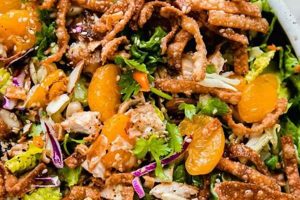
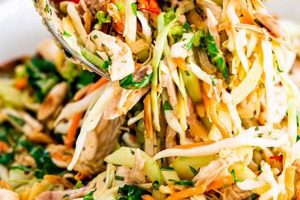
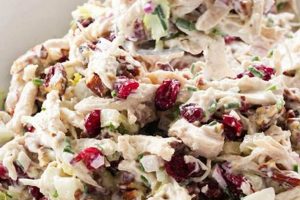
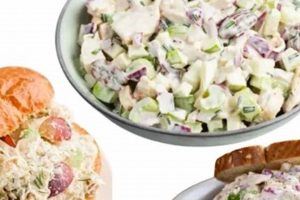
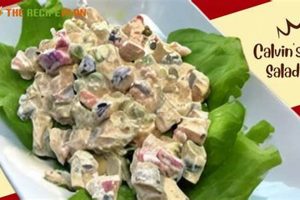
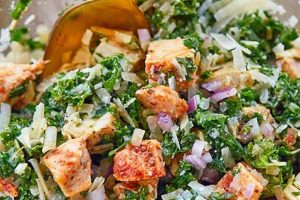
A dish composed of cooked chicken, typically shredded or diced, blended with mayonnaise and accented with fresh dill. Other common ingredients include celery, onion, and sometimes grapes or nuts. Variations exist, incorporating different herbs, spices, and additions like dried fruit or yogurt for a lighter version.
This combination offers a refreshing and flavorful meal option, suitable for sandwiches, wraps, salads, or enjoyed as a standalone dish. Dill’s bright, slightly tangy flavor complements the richness of the chicken and mayonnaise, creating a balanced and satisfying culinary experience. The dish is relatively simple to prepare, making it a popular choice for picnics, potlucks, and quick lunches or dinners. Its versatility allows for adaptation to individual preferences and dietary needs.
Further exploration will delve into specific ingredient choices, preparation methods, nutritional information, and variations on this classic dish, providing a comprehensive understanding of its creation and enjoyment.
Tips for an Exceptional Chicken Salad with Dill
Elevating this classic dish requires attention to detail and an understanding of flavor dynamics. The following tips provide guidance for achieving optimal results.
Tip 1: Chicken Selection and Preparation: Opt for high-quality chicken, either roasted, poached, or grilled. Avoid using pre-cooked or deli chicken, as these can be overly processed and lack flavor. Allow the chicken to cool completely before shredding or dicing to prevent a mushy texture.
Tip 2: Fresh Dill is Key: Dried dill lacks the vibrant flavor of fresh dill. Use freshly chopped dill for the best results. Incorporate the dill just before serving to maximize its aroma and taste.
Tip 3: Balancing Flavors: The mayonnaise provides richness, the dill offers brightness, and a touch of acidity enhances the overall profile. A squeeze of lemon juice or a splash of apple cider vinegar can achieve this balance.
Tip 4: Texture Considerations: Finely diced celery and red onion provide a pleasant crunch. Consider adding chopped walnuts or pecans for additional textural complexity.
Tip 5: Seasoning Appropriately: Season the salad with salt and freshly ground black pepper. A pinch of cayenne pepper can add a subtle touch of heat. Taste and adjust seasonings as needed.
Tip 6: Chilling for Optimal Flavor: Allow the salad to chill in the refrigerator for at least 30 minutes before serving. This allows the flavors to meld and deepen.
Tip 7: Serving Suggestions: Serve the chicken salad on bread, croissants, crackers, or lettuce cups. It also pairs well with fresh fruit or a side salad.
By following these tips, one can create a chicken salad with dill that is both flavorful and texturally satisfying. Attention to these details ensures a superior culinary experience.
These guidelines offer a comprehensive approach to creating a truly exceptional dish. The following section will offer concluding thoughts and further inspiration.
1. High-quality Chicken

The foundation of a successful dill chicken salad rests upon the quality of its primary ingredient: chicken. Selecting and preparing the chicken appropriately significantly impacts the final dish’s overall flavor, texture, and enjoyment. Understanding the nuances of chicken selection is crucial for crafting a superior culinary experience.
- Flavor Profile
Chicken contributes the dominant savory element to the salad. High-quality chicken, such as free-range or organic varieties, possesses a richer, more pronounced flavor compared to conventionally raised chicken. This depth of flavor enhances the interplay with the dill and other ingredients, resulting in a more complex and satisfying taste.
- Texture and Moisture
Properly cooked, high-quality chicken retains moisture and exhibits a tender texture. This contrasts with dry, stringy chicken that can detract from the salad’s overall appeal. Choosing chicken breasts or thighs from reputable sources ensures a pleasant textural experience. Roasting or poaching are ideal cooking methods that preserve moisture and tenderness.
- Overall Quality and Freshness
Freshness plays a pivotal role. Using fresh, rather than pre-cooked or processed chicken, guarantees a brighter, cleaner flavor profile. Avoiding chicken that has been frozen and thawed multiple times is essential, as this can negatively impact both taste and texture. Sourcing chicken from trusted butchers or reputable grocery stores contributes to a higher-quality final product.
- Impact on the Final Dish
The choice of chicken directly influences the success of the dill chicken salad. Subpar chicken can result in a bland, dry, or unappetizing salad, regardless of the quality of the other ingredients. Investing in high-quality chicken ensures a flavorful, moist, and satisfying dish that showcases the delicate balance between the chicken, dill, and accompanying components.
By prioritizing high-quality chicken, one elevates the dill chicken salad from a simple dish to a truly delightful culinary creation. The investment in superior ingredients yields a noticeable difference in the final product, showcasing the importance of selecting the best possible foundation for this classic recipe.
2. Fresh Dill

Fresh dill stands as a cornerstone of a successful dill chicken salad recipe. Its vibrant, herbaceous aroma and slightly tangy flavor profile distinguish the dish, elevating it beyond a simple chicken salad. Dried dill, while a convenient alternative, lacks the nuanced flavor and aromatic intensity crucial for capturing the essence of this classic preparation. The volatile oils responsible for dill’s distinctive character diminish significantly upon drying, resulting in a muted and less impactful contribution to the overall flavor profile. Substituting fresh dill with dried dill yields a noticeably different, often less satisfying, result. One can observe this contrast by comparing two identical chicken salad recipes, one utilizing fresh dill and the other dried. The fresh dill version offers a bright, invigorating flavor experience, while the dried dill version often presents a duller, less vibrant taste.
Fresh dill’s impact extends beyond mere flavor enhancement. Its feathery fronds contribute a delicate texture, adding a subtle layer of complexity to the salad’s mouthfeel. Incorporating fresh dill also offers visual appeal, its bright green hue contrasting pleasingly with the creamy white of the mayonnaise and the pale chicken. This visual element enhances the overall dining experience, stimulating appetite and creating a more enticing presentation. Consider a scenario where a catering service prepares dill chicken salad sandwiches for a luncheon. Using fresh dill not only guarantees a superior flavor but also elevates the presentation, creating a more visually appealing and professional spread.
Employing fresh dill necessitates proper handling and timing. To maximize its flavor and aroma, fresh dill should be added to the chicken salad just before serving. Storing the chopped dill separately and incorporating it at the last minute prevents it from wilting or losing its vibrancy. This practice ensures the dill’s delicate flavors remain at their peak, contributing fully to the dish’s overall character. Understanding the importance of fresh dill, coupled with proper handling techniques, ensures the creation of a dill chicken salad that truly embodies the classic qualities of this beloved recipe. The careful selection and incorporation of fresh dill directly impacts the final dish, transforming it from ordinary to exceptional.
3. Balanced Seasonings

Balanced seasonings constitute a critical element within a dill chicken salad recipe. The interplay of flavors, encompassing saltiness, acidity, and subtle heat, elevates the dish beyond simple ingredient combinations. Dill, possessing a distinctive herbaceous and slightly tangy flavor profile, requires complementary seasonings to achieve optimal impact. Salt enhances the inherent flavors of both the chicken and the dill, while a touch of acidity, often derived from lemon juice or vinegar, brightens the overall palate and balances the richness of the mayonnaise. A measured inclusion of black pepper adds depth and complexity. Over-seasoning can mask the delicate flavors of the dill and chicken, whereas under-seasoning results in a bland and uninspired salad. Consider a scenario where an excessive amount of salt is added: the dill’s nuanced flavor becomes obscured, and the overall taste leans toward overwhelmingly salty.
The concept of balance extends beyond the primary seasonings. Consider the interplay of other ingredients within the salad. The sweetness of chopped grapes or dried cranberries can counterbalance the savory elements of the chicken and the tanginess of the dill. The inclusion of textural components, such as celery or nuts, also influences the perceived seasoning balance. These additions, while not seasonings themselves, contribute to the overall sensory experience, affecting how the primary seasonings are perceived. For instance, the crunch of celery can subtly enhance the perception of saltiness, while the richness of nuts might necessitate a slight increase in acidity to maintain balance. A practical application of this understanding lies in recipe adaptation. If a sweeter variety of grapes is used, the amount of added acid might require adjustment to maintain the desired equilibrium.
Achieving balanced seasonings involves careful consideration and, often, iterative adjustments. Recipes provide a starting point, but individual palates and ingredient variations necessitate adjustments tailored to specific circumstances. Tasting the chicken salad mixture throughout the preparation process allows for real-time adjustments, ensuring the final product achieves the desired harmony of flavors. This iterative process, guided by an understanding of flavor interactions and balance principles, distinguishes a well-seasoned dill chicken salad from one that falls short. The ultimate goal lies in crafting a dish where each element contributes to a unified and harmonious whole, showcasing the dill’s bright notes alongside the savory chicken and complementary seasonings.
4. Mayonnaise (or alternative)
Mayonnaise serves as a crucial binding agent and flavor component in dill chicken salad, contributing significantly to the overall texture and taste. Its creamy consistency coats the chicken and other ingredients, creating a cohesive mixture while adding a rich, tangy flavor that complements the dill. However, variations using alternatives offer different flavor profiles and address dietary preferences.
- Traditional Mayonnaise
Standard mayonnaise, an emulsion of oil, egg yolks, and vinegar or lemon juice, provides the classic creamy texture and tangy flavor profile expected in traditional dill chicken salad. Its richness enhances the savory notes of the chicken and balances the brightness of the dill. For example, a full-fat mayonnaise provides a luxurious mouthfeel and amplifies the overall flavor experience.
- Light Mayonnaise
Light mayonnaise, formulated with less oil and sometimes egg whites, offers a lower-calorie option without drastically altering the texture. While the flavor may be slightly less rich, it still provides adequate creaminess and tang. This option suits those seeking a lighter version of the classic recipe. A dill chicken salad made with light mayonnaise might be preferred for a summer picnic or as part of a calorie-conscious meal plan.
- Greek Yogurt
Greek yogurt provides a tangier and lighter alternative to mayonnaise. Its higher protein content contributes a different textural element, resulting in a slightly less creamy but still cohesive salad. The tangy flavor of Greek yogurt complements the dill particularly well, creating a refreshing and lighter alternative. This substitution caters to those seeking a healthier option with a pronounced tang. Replacing mayonnaise entirely with Greek yogurt creates a lighter, protein-rich version of the salad, appealing to those focused on nutritional content.
- Avocado
Mashed avocado presents a unique alternative, offering a creamy, slightly nutty flavor and a healthy dose of monounsaturated fats. It contributes a distinct texture and a milder flavor compared to mayonnaise, allowing the dill to shine through. This option suits those seeking a vegan and allergen-friendly alternative with a focus on healthy fats. Using avocado results in a dill chicken salad with a distinctive green hue and a richer, more savory profile, appealing to those seeking plant-based options.
The choice of mayonnaise or alternative significantly influences the final character of the dill chicken salad. Each option contributes a unique blend of flavor, texture, and nutritional value, allowing for customization based on individual preferences and dietary needs. Selecting the appropriate base ensures a balanced and satisfying result, whether adhering to tradition or exploring innovative variations.
5. Textural Components
Textural components play a vital role in a dill chicken salad recipe, elevating it from a simple mixture to a multi-dimensional culinary experience. A successful dill chicken salad balances the creamy base provided by mayonnaise or its alternatives with contrasting textures that introduce complexity and interest. These components contribute not only to the mouthfeel but also enhance the overall perception of flavor.
Common textural additions include diced celery, chopped red onion, and various nuts. Celery provides a crisp, refreshing counterpoint to the creamy base, while red onion introduces a subtle sharpness and a slightly firmer bite. Nuts, such as walnuts, pecans, or almonds, offer a satisfying crunch and contribute a richer, more savory element. The interplay of these textures creates a dynamic eating experience, preventing the salad from becoming monotonous. Consider the difference between a smoothly blended chicken salad and one incorporating finely diced celery and toasted walnuts. The latter offers a more engaging and satisfying mouthfeel due to the contrasting textures.
The size and preparation of these textural elements also influence the final outcome. Finely diced components integrate seamlessly into the salad, providing subtle textural variations throughout each bite. Larger pieces, such as coarsely chopped celery or halved grapes, offer more pronounced contrasts. Toasting nuts enhances their inherent crunch and intensifies their flavor, further amplifying their textural contribution. The choice of textural components and their preparation should align with the desired overall character of the salad. A finely textured salad, suitable for sandwich fillings, might benefit from finely diced celery and finely chopped nuts. A salad intended as a standalone dish might incorporate larger, more substantial pieces for a more pronounced textural contrast. Careful consideration of these elements allows for tailored customization, ensuring a harmonious balance of flavors and textures in the final dish.
6. Proper Chilling

Proper chilling plays a crucial role in the final quality and flavor development of dill chicken salad. Chilling allows the flavors of the various componentschicken, dill, mayonnaise, and other additionsto meld and harmonize. The chilling process also firms the texture of the salad, making it more manageable for spreading or serving. Immediately after preparation, individual ingredient flavors remain distinct. Chilling allows these individual notes to blend, creating a more unified and complex flavor profile. This effect is particularly noticeable with the fresh dill, as its volatile aromatic compounds require time to permeate the other ingredients. Without adequate chilling, the dill’s flavor remains isolated, failing to fully integrate with the overall taste experience. A practical illustration can be observed by comparing freshly made dill chicken salad with a portion of the same salad chilled for at least two hours. The chilled salad exhibits a more balanced and harmonious flavor profile.
Beyond flavor development, chilling offers food safety benefits. Chicken salad, containing perishable ingredients like mayonnaise and chicken, provides an ideal environment for bacterial growth. Proper chilling inhibits bacterial proliferation, reducing the risk of foodborne illness. Maintaining a refrigerator temperature of 40F (4C) or below is crucial for ensuring food safety. This temperature range significantly slows bacterial growth, preserving the salad’s quality and minimizing potential health risks. Neglecting proper chilling can lead to spoilage and potential health hazards, especially during warmer months or when transporting the salad to picnics or outdoor events. Using insulated containers and ice packs helps maintain a safe temperature during transport, further mitigating risks.
Optimal chilling involves a balance between adequate time and appropriate temperature. A minimum of two hours of refrigeration is generally recommended to allow flavors to meld fully. However, extending the chilling period up to 24 hours can further enhance flavor development, particularly in salads with complex ingredient combinations. Chilling for excessively long periods, beyond 48 hours, may lead to textural changes and potential spoilage. Therefore, balancing chilling time with food safety considerations is essential for achieving optimal results. Proper chilling, therefore, constitutes a critical step in preparing dill chicken salad. It not only enhances flavor development but also ensures food safety, contributing significantly to the overall enjoyment and quality of the dish. Understanding the importance of chilling, along with adherence to safe food handling practices, guarantees a delicious and safe culinary experience.
7. Serving Considerations
Serving considerations represent a crucial final step in maximizing the enjoyment of dill chicken salad. While a well-executed recipe ensures a flavorful and texturally satisfying salad, the method of presentation significantly impacts the overall dining experience. Serving considerations encompass the choice of vessel, accompanying elements, and portion size, each influencing the perceived flavors and overall aesthetic appeal. A thoughtfully presented dill chicken salad elevates the dish from a simple meal to a more refined culinary experience. For example, serving the salad on delicate croissants alongside a fresh green salad creates a more elegant presentation than simply scooping it onto a plate.
The choice of serving vessel directly influences both presentation and practicality. Classic options include bread, croissants, crackers, and lettuce cups. Each option offers a distinct textural and flavor counterpoint to the salad. Serving the dill chicken salad within a scooped-out avocado half provides a visually appealing presentation and complements the salad’s flavors. Crackers offer a simple and versatile base, suitable for casual gatherings. For a more formal setting, serving the salad on endive leaves or within small puff pastry shells enhances visual appeal. Practical considerations also influence serving choices. For a picnic or outdoor event, sturdy wraps or sandwiches offer portability and convenience.
Accompanying elements further enhance the dining experience. A simple garnish of fresh dill sprigs reinforces the salad’s primary flavor and adds visual interest. Serving the salad alongside a vibrant green salad or fresh fruit provides a refreshing counterpoint and balances the richness of the mayonnaise-based salad. Consideration should also be given to portion size. Smaller portions, served as appetizers or tea sandwiches, suit formal occasions. Larger portions, accompanied by a side of crusty bread, provide a more substantial meal. Successfully navigating these considerations ensures that the dill chicken salad, carefully prepared with fresh ingredients and balanced seasonings, reaches its full potential, offering a delightful and memorable culinary experience. The final presentation should reflect the care taken in the preparation process, transforming a simple dish into a satisfying and aesthetically pleasing culinary creation.
Frequently Asked Questions
This section addresses common inquiries regarding dill chicken salad preparation and variations.
Question 1: Can dried dill be substituted for fresh dill?
While dried dill can be used in a pinch, it lacks the vibrant flavor and aroma of fresh dill. Fresh dill is strongly recommended for optimal results.
Question 2: How long can dill chicken salad be stored in the refrigerator?
Dill chicken salad should be stored in an airtight container in the refrigerator for no more than 3-4 days.
Question 3: What type of chicken is best suited for dill chicken salad?
Roasted or poached chicken breasts offer excellent flavor and texture. Boneless, skinless thighs can also be used for a richer flavor.
Question 4: Can dill chicken salad be frozen?
Freezing is not recommended, as it can negatively impact the texture of the mayonnaise and other ingredients, resulting in a watery consistency upon thawing.
Question 5: How can the flavor of dill chicken salad be adjusted to personal preferences?
Adjustments can be made by adding more or less dill, incorporating different types of nuts or dried fruits, or adjusting the amount of mayonnaise or other creamy base.
Question 6: What are some healthy alternatives to mayonnaise in dill chicken salad?
Greek yogurt or mashed avocado offer lighter and healthier alternatives to traditional mayonnaise while maintaining a creamy consistency.
Understanding these frequently asked questions ensures optimal preparation and enjoyment. Careful consideration of these points contributes to a successful and satisfying culinary outcome.
The following section will offer recipe variations and further inspiration for incorporating this versatile dish into meal planning.
Dill Chicken Salad Recipe
This exploration of dill chicken salad recipes has highlighted the essential components and techniques that contribute to a successful outcome. From the selection of high-quality chicken and fresh dill to the careful balancing of seasonings and the consideration of textural elements, each step plays a crucial role in the final product. Proper chilling techniques and thoughtful serving considerations further elevate this classic dish, transforming it from a simple mixture into a satisfying culinary experience. The versatility of dill chicken salad, adaptable to various dietary preferences and serving styles, underscores its enduring appeal.
Dill chicken salad, seemingly simple in its composition, offers a canvas for culinary creativity. Understanding the nuances of ingredient selection, preparation techniques, and flavor balancing empowers one to craft a dish that transcends the ordinary. Whether adhering to a classic recipe or exploring innovative variations, the pursuit of a perfectly balanced and flavorful dill chicken salad remains a worthwhile culinary endeavor.