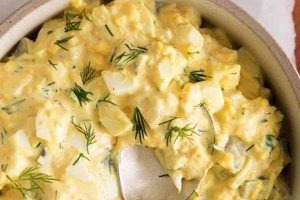
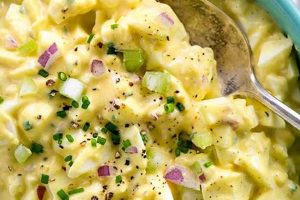
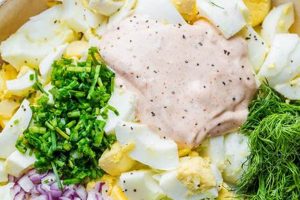
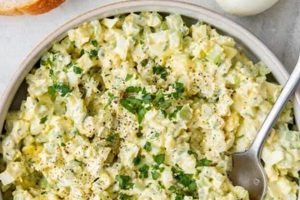
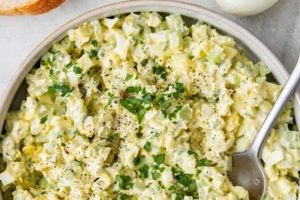
A variation on classic deviled eggs, this dish transforms the appetizer into a spreadable salad suitable for sandwiches, crackers, or vegetable dips. Typically, it involves combining chopped hard-boiled eggs with mayonnaise, mustard, vinegar, and seasonings. Variations might include additions like celery, onion, relish, or paprika for enhanced flavor and texture.
This dish offers a convenient and protein-rich option for quick meals or snacks. Its versatility makes it adaptable to various dietary preferences with simple ingredient substitutions. Historically, egg salads have been a popular and affordable dish, tracing back to ancient Roman cuisine and gaining widespread popularity in the 19th and 20th centuries. This adaptability and historical significance contribute to its continued presence in modern cuisine.
The following sections will explore various approaches to creating this dish, including classic recipes, modern interpretations, and tips for achieving optimal flavor and texture.
Tips for Exceptional Egg Salad
Achieving optimal flavor and texture in egg salad requires attention to detail throughout the preparation process. The following tips offer guidance for creating a superior culinary experience.
Tip 1: Perfect Hard-Boiled Eggs: Achieving properly cooked yolks is crucial. Overcooked yolks can develop a greenish tinge and dry texture. A recommended method involves placing eggs in a saucepan, covering them with cold water, bringing to a boil, then removing from heat and letting them sit, covered, for 10-12 minutes depending on size. Immediately transferring the eggs to an ice bath stops the cooking process and aids in easier peeling.
Tip 2: Precise Chopping: Consistency in egg size contributes to a pleasing texture. A fine chop creates a smoother salad, while a coarser chop offers more substantial mouthfeel. Consider using an egg slicer for uniform pieces.
Tip 3: Mayonnaise Matters: The quality and type of mayonnaise significantly influence the final product. Experiment with different brands or consider making homemade mayonnaise for maximum flavor control. Start with a small amount and add more as needed to achieve the desired consistency.
Tip 4: Balancing Flavors: Mustard and vinegar provide essential acidity that balances the richness of the mayonnaise and eggs. Experiment with different types of mustard, such as Dijon or yellow mustard, to find a preferred flavor profile. A touch of sweet pickle relish can add a tangy complexity.
Tip 5: Seasoning Strategically: Salt and pepper are fundamental seasonings, but consider incorporating other spices like paprika, cayenne pepper, or onion powder to elevate the flavor profile. Taste and adjust seasonings throughout the process.
Tip 6: Texture Enhancement: Finely diced celery or red onion can add a pleasant crunch. Fresh herbs like dill or chives contribute a fresh, aromatic dimension.
Tip 7: Chilling Time: Allowing the egg salad to chill for at least 30 minutes in the refrigerator allows the flavors to meld and enhances the overall taste experience.
By implementing these tips, one can elevate egg salad from a simple dish to a culinary delight. Attention to detail in each step, from egg preparation to seasoning, ensures a satisfying and flavorful result.
This foundation in preparation techniques sets the stage for exploring a variety of egg salad recipes and variations.
1. Classic Preparation
Classic preparation forms the bedrock of deviled egg salad recipes. This traditional approach establishes a fundamental flavor profile and texture that serves as a benchmark for variations. It typically involves combining finely chopped hard-boiled eggs with mayonnaise, yellow mustard, white vinegar, salt, and pepper. This simple yet effective combination highlights the natural flavors of the eggs while incorporating the creamy richness of mayonnaise and the tangy notes of mustard and vinegar. Classic preparation emphasizes a smooth, creamy texture, achieved through fine chopping and thorough mixing. Understanding this foundational recipe provides a crucial starting point for culinary exploration.
The importance of classic preparation lies in its ability to showcase the inherent versatility of deviled egg salad. By mastering this basic recipe, one gains a deep understanding of the interplay of ingredients and how they contribute to the overall sensory experience. This knowledge empowers cooks to experiment with different flavor combinations and textures, building upon the classic foundation to create unique and personalized variations. For example, one might substitute Dijon mustard for yellow mustard to introduce a more complex, nuanced flavor profile. Alternatively, adding finely diced celery or red onion can introduce a textural contrast while complementing the existing flavors. Without a firm grasp of the classic preparation, these variations risk becoming unbalanced or losing the essence of the dish.
Mastery of classic preparation serves as a gateway to culinary creativity. It equips individuals with the knowledge and skills to confidently explore the vast landscape of deviled egg salad recipes, fostering innovation and personalized culinary expression. By understanding the core principles of this classic dish, one can appreciate its enduring popularity and adaptability, continuing its legacy in modern cuisine.
2. Ingredient Variations
Ingredient variations represent a key aspect of deviled egg salad recipes, offering a pathway to personalized flavor profiles and catering to diverse dietary preferences. Exploring these variations allows for creative culinary expression and ensures continued enjoyment of this versatile dish.
- Flavor Enhancements
Additions beyond the classic ingredients can significantly alter the flavor profile. Smoked paprika introduces a smoky depth, while roasted red peppers contribute a sweet and slightly smoky note. Incorporating fresh herbs, such as dill, chives, or tarragon, provides a bright, aromatic dimension. Other options include curry powder, hot sauce, or horseradish for those seeking bolder flavors. These additions allow for customization based on individual preferences and culinary goals.
- Textural Contrasts
Beyond the creamy base, incorporating ingredients that provide textural contrast can elevate the sensory experience. Finely diced celery, red onion, or water chestnuts offer a satisfying crunch. Chopped pickles or relish introduce a tangy, textural element. Even crumbled bacon or crispy fried onions can provide a contrasting crispness. The interplay of textures adds complexity and depth to the dish.
- Dietary Adaptations
Ingredient variations enable adaptation to various dietary needs and preferences. Substituting vegan mayonnaise for traditional mayonnaise creates a plant-based version. Omitting mustard caters to those sensitive to its strong flavor. Using avocado instead of mayonnaise offers a healthier, creamier alternative. These adaptations ensure inclusivity and allow individuals with dietary restrictions to enjoy deviled egg salad.
- Regional Influences
Regional culinary traditions can inspire ingredient variations. In some regions, a touch of sweet pickle relish is customary, while others might incorporate chopped olives or capers. Exploring these regional influences can introduce unique flavor combinations and expand one’s culinary horizons. This adaptability allows deviled egg salad to transcend geographical boundaries and reflect diverse culinary heritages.
By understanding the potential of ingredient variations, one can transform deviled egg salad from a simple dish into a culinary canvas for creativity and personalization. These variations not only enhance the flavor and texture but also demonstrate the remarkable adaptability of this classic dish, ensuring its continued relevance and enjoyment across diverse palates and dietary needs.
3. Texture Considerations
Texture plays a crucial role in the overall enjoyment of deviled egg salad. The interplay of creamy, smooth, and crunchy elements contributes significantly to the sensory experience. Careful consideration of texture during preparation elevates the dish from simple to sophisticated. The desired texture influences ingredient choices and preparation methods. For a smoother, more traditional salad, finely chopping the eggs and incorporating a higher ratio of mayonnaise creates a homogenous, creamy consistency. Conversely, a coarser chop and the addition of ingredients like diced celery or chopped pickles introduce textural contrasts that enhance the eating experience.
Achieving the ideal texture often involves balancing contrasting elements. A predominantly smooth base of finely chopped eggs and mayonnaise can be complemented by the addition of crunchy components. For example, incorporating finely diced celery or water chestnuts provides a pleasant contrast to the creamy base without compromising the overall cohesion of the salad. Similarly, the use of chopped pickles or relish introduces a tangy, textural element that complements the richness of the mayonnaise and eggs. The interplay of these contrasting textures adds depth and complexity to each bite. Over-processing the eggs can result in a pasty texture, while insufficient mayonnaise can lead to a dry, crumbly salad. Finding the right balance is essential for a satisfying outcome.
Understanding the impact of texture on deviled egg salad recipes allows for informed decision-making throughout the preparation process. From the initial chopping of the eggs to the incorporation of additional ingredients, each step contributes to the final textural profile. By considering the desired outcome and adjusting techniques accordingly, one can consistently create deviled egg salads that offer a delightful sensory experience. This attention to detail elevates the dish and demonstrates a mastery of culinary technique. The interplay of textures adds a layer of sophistication and transforms a simple dish into a culinary delight.
4. Flavor Balancing

Flavor balancing represents a crucial aspect of crafting exceptional deviled egg salad recipes. The interplay of richness, acidity, saltiness, and spice determines the overall complexity and palatability of the final product. A well-balanced flavor profile elevates the dish beyond simple ingredients, creating a harmonious and satisfying culinary experience. This balance hinges on understanding the individual contributions of each ingredient and how they interact to create a cohesive whole. The creamy richness of mayonnaise and eggs necessitates a counterbalancing acidity, typically provided by vinegar or mustard. This acidity cuts through the richness, preventing the salad from becoming overly heavy or cloying. Furthermore, careful seasoning with salt enhances the other flavors, while the judicious use of spices like paprika or cayenne pepper adds depth and complexity.
Consider a deviled egg salad recipe relying solely on mayonnaise and eggs. The resulting flavor profile, while palatable, would lack depth and complexity. The richness of these ingredients, without a counterbalancing acidity, would become overwhelming. However, introducing a tangy element, such as white vinegar or Dijon mustard, immediately brightens the flavor profile. This acidity cuts through the richness, creating a more balanced and nuanced taste. Similarly, incorporating a pinch of salt amplifies the existing flavors, while a dash of paprika adds a subtle smokiness. These seemingly minor additions profoundly impact the final product, transforming a simple combination of ingredients into a well-rounded and flavorful dish. Over-reliance on any single flavor component can detract from the overall balance. Excessive mayonnaise can result in an overly rich and heavy salad, while too much vinegar can make it excessively tart. Careful measurement and tasting throughout the preparation process ensure a harmonious balance.
Mastering flavor balance in deviled egg salad recipes requires attention to detail and a willingness to experiment. Understanding the interplay of different flavor components empowers one to create personalized variations that cater to individual preferences. This ability to adjust and refine flavors based on desired outcomes marks a significant step towards culinary mastery. A well-balanced deviled egg salad offers a complex and satisfying sensory experience, highlighting the importance of flavor balancing in achieving culinary excellence.
5. Serving Suggestions

Serving suggestions represent a crucial aspect of deviled egg salad recipes, extending beyond mere presentation to enhance the overall dining experience. Thoughtful consideration of serving methods elevates the dish, showcasing its versatility and adaptability to various culinary contexts. The choice of serving vessel or accompanying elements directly influences flavor perception and enjoyment. Serving deviled egg salad on crusty bread, for instance, provides a textural counterpoint to the creamy filling, while using crisp lettuce cups offers a lighter, refreshing alternative. These seemingly simple choices significantly impact the overall culinary experience.
Practical applications of serving suggestions demonstrate their importance. Deviled egg salad, when served as a sandwich filling with toasted multi-grain bread and crisp lettuce, transforms a simple lunch into a satisfying meal. Alternatively, presenting it as a dip with an array of fresh vegetables or crackers offers a lighter, more social dining experience. Scooping the salad onto avocado halves provides a visually appealing and flavorful combination. These examples illustrate how serving suggestions can diversify the enjoyment of deviled egg salad, catering to different occasions and preferences. A lack of consideration for serving can limit the perceived value of the dish. Simply presenting deviled egg salad in a bowl, while functional, lacks the creativity and visual appeal that enhance the dining experience.
Effective serving suggestions transform deviled egg salad from a basic dish into a culinary centerpiece. They provide opportunities to enhance flavor combinations, add visual appeal, and cater to diverse dining occasions. Understanding the impact of serving choices elevates culinary expertise and maximizes the enjoyment of this versatile dish. The interplay of presentation, texture, and accompanying elements distinguishes a thoughtfully served deviled egg salad from a merely adequate one. This attention to detail showcases culinary creativity and enhances the overall dining experience.
6. Dietary Adaptations
Dietary adaptations represent a crucial consideration within deviled egg salad recipes, enabling broader accessibility and inclusivity. Adapting recipes to accommodate various dietary restrictions expands the potential audience and ensures enjoyment across diverse needs. These adaptations often involve ingredient substitutions or omissions without compromising the fundamental character of the dish. The capacity to modify deviled egg salad recipes highlights their inherent versatility and adaptability. This adaptability stems from the recipe’s relatively simple structure, allowing for ingredient flexibility without sacrificing flavor or texture. For instance, replacing traditional mayonnaise with a vegan alternative seamlessly caters to plant-based diets, while omitting mustard addresses sensitivities to that particular ingredient. Such modifications exemplify a proactive approach to inclusivity, extending the enjoyment of this classic dish to a wider population.
The practical significance of dietary adaptations becomes evident when considering real-world scenarios. Individuals with egg allergies can utilize substitutes like mashed avocado or chickpeas to mimic the texture and binding properties of eggs, maintaining the essence of the salad while eliminating the allergen. Lactose intolerance, a common dietary restriction, necessitates replacing traditional mayonnaise with lactose-free alternatives or plant-based oils. Such adaptations demonstrate a thoughtful consideration for dietary needs without compromising flavor or overall enjoyment. For example, a potluck gathering benefits from a deviled egg salad prepared with a vegan mayonnaise, ensuring accessibility for all attendees regardless of dietary restrictions. Furthermore, these adaptations can contribute to broader health goals, such as reduced fat intake or increased consumption of plant-based proteins, by utilizing ingredients like Greek yogurt or lentils. The ability to tailor recipes in such ways underscores the importance of dietary adaptations in promoting inclusivity and catering to individual health objectives.
Dietary adaptations in deviled egg salad recipes exemplify the power of culinary inclusivity. They demonstrate how seemingly minor modifications can significantly broaden accessibility and cater to diverse needs without sacrificing flavor or enjoyment. This approach underscores the importance of adaptability within the culinary landscape and emphasizes food’s potential to unite individuals despite dietary differences. The capacity to adapt recipes fosters a more inclusive and welcoming food culture, demonstrating that culinary enjoyment should be accessible to all.
7. Storage Techniques
Proper storage techniques are essential for maintaining the quality, flavor, and safety of deviled egg salad. This dish, comprised primarily of perishable ingredients like eggs and mayonnaise, is susceptible to bacterial growth and spoilage if not handled and stored correctly. Effective storage practices mitigate these risks, preserving the dish’s palatability and preventing foodborne illnesses. The delicate balance of flavors and textures achieved through careful preparation can be easily compromised by improper storage. Exposure to fluctuating temperatures, air, and light can accelerate spoilage, affecting both taste and texture. Therefore, adherence to appropriate storage guidelines is crucial for preserving the intended culinary experience.
Practical application of storage techniques demonstrates their significance. A freshly prepared batch of deviled egg salad, when stored in an airtight container in a refrigerator maintained at a consistent temperature below 40F (4C), retains its optimal quality for up to three to five days. Conversely, leaving the salad at room temperature for extended periods, especially in warmer environments, creates a breeding ground for bacteria, rendering it unsafe for consumption. Similarly, storing the salad in a loosely covered container allows air exposure, leading to oxidation and dryness, negatively impacting both flavor and texture. These examples highlight the direct correlation between storage practices and the overall quality and safety of the dish. Real-world scenarios further emphasize the importance of proper storage. Consider a picnic or outdoor event where deviled egg salad sandwiches are served. Without adequate cooling and proper storage, the salad can quickly spoil, posing a health risk to consumers. Conversely, utilizing insulated containers and ice packs maintains the required temperature, ensuring food safety and preserving the intended flavors.
Appropriate storage techniques are integral to the overall success of deviled egg salad recipes. They represent the final, yet crucial, step in preserving the culinary effort invested in preparing the dish. Neglecting these practices compromises not only the flavor and texture but also the safety of the food. Understanding and implementing proper storage techniques ensures that deviled egg salad remains a safe and enjoyable culinary experience. This knowledge empowers individuals to confidently prepare and serve this versatile dish while minimizing the risks associated with foodborne illnesses and spoilage. Effective storage practices contribute directly to the continued enjoyment and safe consumption of deviled egg salad.
Frequently Asked Questions
This section addresses common inquiries regarding deviled egg salad recipes, providing concise and informative responses to clarify potential uncertainties and enhance understanding of optimal preparation and handling practices.
Question 1: How long can deviled egg salad be safely stored in the refrigerator?
Deviled egg salad, when stored properly in an airtight container within a refrigerator maintained at 40F (4C) or below, typically remains safe for consumption for three to five days. Beyond this timeframe, the risk of bacterial growth increases significantly.
Question 2: Can deviled egg salad be frozen?
Freezing is generally not recommended for deviled egg salad. The mayonnaise-based dressing tends to separate upon thawing, resulting in an undesirable texture. Additionally, the eggs themselves can become watery and lose their desirable texture after freezing.
Question 3: What are common signs that deviled egg salad has spoiled?
Indicators of spoilage include a sour or off odor, a slimy texture, and discoloration of the eggs or dressing. If any of these signs are present, the salad should be discarded immediately.
Question 4: Can deviled egg salad be prepared in advance for events?
Preparation in advance is possible. For optimal flavor and texture, it’s recommended to prepare the salad no more than 24 hours before the intended serving time. Ensure thorough chilling and maintain consistent refrigeration until serving.
Question 5: How can one reduce the sodium content in deviled egg salad?
Sodium content can be reduced by using low-sodium mayonnaise and mustard, omitting added salt, and incorporating flavorful herbs and spices to enhance the taste without relying on salt.
Question 6: What are some alternatives to mayonnaise in deviled egg salad recipes?
Alternatives to mayonnaise include plain Greek yogurt, mashed avocado, or a combination of olive oil and lemon juice. These options offer different flavor profiles and nutritional benefits while maintaining a creamy consistency.
Adherence to safe food handling and storage practices ensures optimal quality and minimizes risks associated with foodborne illnesses. Understanding these guidelines contributes to a safe and enjoyable culinary experience.
This comprehensive guide to deviled egg salad recipes equips readers with the knowledge and techniques to create and enjoy this versatile dish. From classic preparations to innovative variations and safe handling practices, the information presented here facilitates culinary success.
Deviled Egg Salad Recipes
Exploration of deviled egg salad recipes reveals a dish adaptable to diverse tastes and dietary needs. From classic preparations emphasizing simplicity to innovative variations incorporating diverse ingredients, the potential for culinary creativity is vast. Proper techniques for hard-boiled egg preparation, ingredient selection, flavor balancing, and storage ensure optimal results. Dietary adaptations further expand accessibility, accommodating various restrictions without compromising flavor or texture. Understanding these elements allows for informed recipe customization and consistent culinary success.
Deviled egg salad recipes, while seemingly simple, offer a canvas for culinary expression. Continued exploration and adaptation of these recipes promise further innovation and enjoyment. Adherence to safe food handling practices remains paramount for preserving both quality and preventing health risks. This culinary staple, with its rich history and adaptable nature, continues to hold a prominent place in contemporary cuisine.