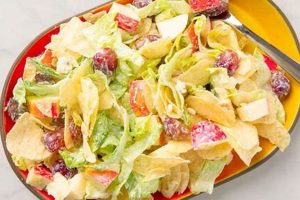
Dishes featuring a base of raw vegetables combined with other ingredients and a dressing are elevated by textural contrast. A satisfying auditory and tactile experience is created through the inclusion of elements like nuts, seeds, croutons, raw vegetables like carrots and celery, or even crispy fried onions. Examples include a classic Caesar salad with crisp romaine lettuce and croutons, or a vibrant Asian slaw with shredded cabbage, peanuts, and crispy wonton strips.
The appeal of such culinary creations lies in the multi-sensory experience they offer. The interplay of textures creates a more engaging and enjoyable meal, stimulating appetite and adding excitement to otherwise simple greens. Further, these additions often contribute nutritional value, providing fiber, healthy fats, and essential vitamins and minerals. Historically, the desire for textural variety in food can be seen in various cultures, from the addition of nuts and seeds in ancient Middle Eastern cuisine to the popularity of fried noodles in Asian dishes.
This exploration of contrasting textures in salads will delve into specific ingredient combinations, preparation techniques, and diverse cultural influences that contribute to the creation of flavorful and engaging dishes.
Tips for Creating Texturally Delightful Salads
Achieving optimal crispness and textural contrast in salads requires attention to ingredient selection, preparation methods, and thoughtful combinations.
Tip 1: Ingredient Selection is Key: Opt for sturdy greens like romaine, kale, or radicchio that maintain their structure. Consider less common options like endive or escarole for a unique, slightly bitter crunch.
Tip 2: Embrace Raw Vegetables: Incorporate thinly sliced carrots, bell peppers, cucumbers, or shredded cabbage for added layers of texture and nutrients.
Tip 3: Nuts and Seeds Provide Density: Toasted nuts and seeds, such as almonds, walnuts, sunflower seeds, or pumpkin seeds, introduce satisfying density and healthy fats.
Tip 4: Explore Croutons and Crispy Elements: Homemade or store-bought croutons offer a classic crunch, while crispy fried onions or wonton strips add an unexpected twist.
Tip 5: Proper Storage Maintains Freshness: Store salad ingredients separately and combine just before serving to prevent sogginess. Pat greens dry thoroughly after washing.
Tip 6: Timing is Crucial: Add dressings immediately before serving to prevent the salad from wilting and losing its desirable texture.
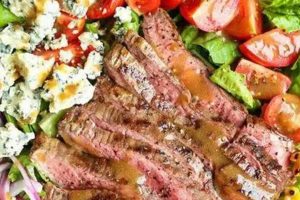
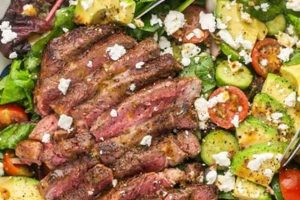
Tip 7: Consider Temperature Contrast: Incorporating chilled ingredients alongside room-temperature or slightly warmed elements, such as grilled chicken or roasted vegetables, further enhances the sensory experience.
By focusing on these elements, one can elevate a simple salad into a multi-dimensional culinary experience, maximizing both flavor and textural appeal.
These techniques, when applied thoughtfully, contribute to a more satisfying and enjoyable dining experience.
1. Fresh, Sturdy Greens

The foundation of any successful crunchy salad lies in the selection of fresh, sturdy greens. These greens provide the structural base upon which other ingredients are built, contributing significantly to the overall textural experience. Their ability to maintain crispness and freshness, even when combined with dressings and other components, is crucial for achieving the desired culinary outcome.
- Leaf Structure and Composition:
The cellular structure of certain greens contributes to their inherent crispness. Leaves with thicker cell walls and a higher water content, like romaine or iceberg lettuce, offer a satisfying crunch. Conversely, more delicate greens, such as spinach or butter lettuce, tend to wilt more quickly and contribute less to textural complexity.
- Impact on Flavor and Texture:
Beyond their structural contribution, sturdy greens often possess distinct flavors that complement other salad components. For example, the slightly bitter notes of radicchio or endive contrast well with sweeter elements like fruits or roasted vegetables, while the peppery bite of arugula adds a unique dimension.
- Versatility and Adaptability:
Sturdy greens can withstand a wider range of preparation methods and dressings. They hold their shape well when chopped, torn, or shredded, and are less prone to becoming soggy when tossed with vinaigrette or other dressings, making them ideal for diverse salad preparations.
- Storage and Handling for Optimal Crispness:
Proper storage techniques play a crucial role in maintaining the freshness and crispness of greens. Storing them unwashed in airtight containers in the refrigerator helps retain their optimal texture. Washing and thoroughly drying greens just before use further ensures maximum crunch.
The careful selection and handling of fresh, sturdy greens is essential for creating salads with the desired textural appeal. Their structural integrity, flavor profiles, and adaptability make them a key element in achieving a truly satisfying and crunchy salad experience. By understanding the nuances of different greens and employing appropriate storage and preparation techniques, one can maximize their contribution to the overall culinary creation.
2. Variety of raw vegetables

Raw vegetables play a crucial role in contributing to the textural complexity of crunchy salads. Their inherent crispness and structural integrity introduce a variety of textures, enhancing the overall sensory experience. Different vegetables offer unique textural profiles; for instance, the dense snap of a bell pepper contrasts with the watery crunch of a cucumber, while the firm bite of a radish differs from the delicate crispness of shredded carrots. This diversity elevates the salad beyond a simple combination of ingredients into a multi-dimensional culinary creation. The strategic inclusion of various raw vegetables also broadens the nutritional profile of the salad, introducing a wider range of vitamins, minerals, and fiber.
Consider a salad composed solely of lettuce. While the lettuce may provide some crunch, the overall texture remains relatively uniform. Introducing elements like julienned carrots, diced bell peppers, sliced cucumbers, and shredded red cabbage immediately transforms the textural landscape. Each bite offers a new and interesting combination of crispness and firmness, stimulating the palate and enhancing enjoyment. Furthermore, this variety ensures a broader spectrum of nutrients not found in lettuce alone, contributing to a more healthful meal. The practical application of this understanding allows for the creation of salads that are both satisfying and nutritionally balanced.
The incorporation of diverse raw vegetables is therefore essential for achieving textural depth and nutritional value in crunchy salads. Understanding the interplay of textures and flavors allows for the creation of dynamic and appealing dishes. Challenges may arise in maintaining the crispness of certain vegetables; proper storage and preparation techniques, such as storing vegetables separately and adding them to the salad just before serving, are crucial for mitigating this issue. This attention to detail ultimately contributes to a more enjoyable and satisfying culinary experience.
3. Nuts and Seeds

Nuts and seeds represent integral components of crunchy salad recipes, contributing significantly to both textural complexity and nutritional value. Their inherent density and crispness offer a marked contrast to leafy greens and other vegetables, introducing a satisfying element of chewiness and bite. This textural interplay elevates the overall sensory experience, making the salad more engaging and enjoyable. Beyond texture, nuts and seeds provide essential fatty acids, protein, fiber, and various vitamins and minerals, enhancing the nutritional density of the dish. Almonds, for instance, offer vitamin E and magnesium, while walnuts are rich in omega-3 fatty acids. Sunflower seeds contribute vitamin E and selenium, and pumpkin seeds provide zinc and magnesium. The inclusion of these nutrient-rich ingredients transforms a simple salad into a more complete and healthful meal.
Consider the classic Waldorf salad. The combination of apples, celery, and grapes offers a pleasant sweetness and subtle crunch. However, the addition of walnuts fundamentally alters the salad’s character. The walnuts introduce a contrasting textural element, their richness and density playing against the lighter, crisper ingredients. Simultaneously, they contribute healthy fats and protein, elevating the salad’s nutritional value. Similarly, a simple spinach salad gains significant textural and nutritional complexity with the addition of toasted pecans or slivered almonds. The practical implication of this understanding is the ability to strategically incorporate nuts and seeds to enhance both the sensory and nutritional aspects of a salad.
The strategic incorporation of nuts and seeds into salad recipes represents a simple yet effective method for enhancing both textural and nutritional profiles. However, certain challenges must be considered. Oxidation can lead to rancidity and undesirable flavors, particularly in nuts with a higher fat content. Proper storage, such as airtight containers in a cool, dark place, mitigates this risk. Furthermore, individuals with nut allergies require careful consideration of alternative ingredients to achieve similar textural and nutritional benefits. Seeds like sunflower, pumpkin, or hemp seeds can offer comparable textural contrast and nutritional value, ensuring inclusivity and a positive dining experience for all. Understanding these considerations allows for the creation of well-balanced and satisfying salads that cater to a wider range of dietary needs and preferences.
4. Crispy additions (croutons, wontons)
Crispy additions constitute a crucial element in achieving the desired textural complexity in crunchy salad recipes. These elements, ranging from classic croutons to innovative options like crispy wontons or fried onions, introduce a contrasting layer of texture that elevates the sensory experience. Their presence provides a satisfying counterpoint to the softer textures of leafy greens and other vegetables, enhancing the overall enjoyment of the salad. An understanding of the diverse options available and their respective contributions to flavor and texture is essential for creating well-balanced and appealing salads.
- Croutons: A Classic Choice
Croutons, typically made from cubed bread that is seasoned and either baked or pan-fried, represent a quintessential crispy addition. Their texture can range from delicately crisp to substantially crunchy depending on the preparation method and bread type used. The versatility of croutons allows for customization through varying seasonings, herbs, and spices, further enhancing their contribution to the overall flavor profile of the salad. Their readily available nature and ease of preparation make them a popular and accessible option for enhancing textural contrast.
- Crispy Wontons and Other Asian-Inspired Elements
Crispy wontons, achieved by frying wonton wrappers until golden and crisp, offer a unique and flavorful crunchy element. Often found in Asian-inspired salads, they introduce a delicate, airy crispness that contrasts beautifully with softer ingredients. Other Asian-inspired additions include crispy noodles, fried tofu, or toasted sesame seeds, further expanding the possibilities for textural and flavor complexity.
- Seeds and Nuts: Expanding Textural Horizons
While nuts and seeds often constitute core ingredients, their toasted or roasted variations can also function as crispy additions. Toasted pepitas, for example, offer a nutty flavor and substantial crunch, while roasted sunflower or sesame seeds contribute a delicate crispness. This versatility allows for creative exploration of textures and flavors within a single salad.
- Fried Onions and Other Innovative Options
Crispy fried onions, readily available commercially or easily prepared at home, offer a distinctive sweet and savory crunch. Other innovative crispy additions include roasted chickpeas, which provide a hearty, nutty flavor and substantial texture, or crispy kale chips, offering a nutrient-rich and satisfying crunch. These diverse options expand the culinary possibilities, allowing for customization and creativity in salad preparation.
The considered inclusion of crispy additions contributes significantly to the overall success of a crunchy salad recipe. The careful selection and application of these elements, whether traditional croutons or more innovative options, elevate the salad from a simple combination of ingredients into a multi-dimensional culinary experience. The interplay of textures, flavors, and aromas creates a symphony of sensations that stimulates the palate and enhances the overall dining experience. Understanding the diverse options available and their individual contributions to flavor and texture empowers culinary creativity and enables the development of truly exceptional salads.
5. Appropriate Dressings

The selection of an appropriate dressing is paramount in crunchy salad recipes. Dressings contribute not only to flavor but also significantly impact the textural integrity of the salad. An unsuitable dressing can compromise the crispness of the ingredients, rendering a carefully constructed crunchy salad soggy and unappetizing. Understanding the interplay between dressings and salad components is therefore crucial for achieving the desired textural and flavor balance.
- Viscosity and Coating Properties
The viscosity of a dressing directly influences its interaction with salad ingredients. Thicker, creamier dressings tend to coat ingredients more heavily, potentially leading to sogginess, particularly with delicate greens or crispy additions. Lighter, vinaigrette-style dressings, with their lower viscosity, offer a gentler coating, preserving the crispness of the components. The choice of viscosity should therefore align with the overall textural goals of the salad.
- Acidity and its Impact on Texture
The acidity level of a dressing plays a crucial role in maintaining textural integrity. Acidic dressings, often vinegar-based, can help preserve the crispness of vegetables by inhibiting enzymatic breakdown. However, excessively acidic dressings can also lead to undesirable softening over time. Balancing acidity with other flavor components is essential for achieving optimal results.
- Timing of Dressing Application
The timing of dressing application is crucial for preserving the desired crunch. Adding dressing too far in advance allows the ingredients to absorb excess moisture, leading to a loss of crispness. Adding the dressing just before serving ensures that the salad components retain their intended texture and structural integrity.
- Flavor Pairing and Balance
While textural considerations are paramount, flavor compatibility between the dressing and salad ingredients is equally important. The dressing should complement the flavors of the other components without overpowering them. A harmonious balance of flavors enhances the overall dining experience, creating a cohesive and enjoyable culinary creation.
Careful consideration of dressing properties and application techniques is therefore essential for maintaining the desired crunch in salads. Selecting a dressing with appropriate viscosity and acidity, and applying it just before serving, ensures that the carefully curated textures and flavors of the salad are preserved. This attention to detail elevates the salad from a simple combination of ingredients into a thoughtfully composed and satisfying dish.
Frequently Asked Questions
This section addresses common inquiries regarding the creation of salads emphasizing textural appeal.
Question 1: How can wilting be prevented after washing and storing greens?
Thorough drying after washing and storage in airtight containers lined with absorbent paper towels are crucial. Maintaining proper refrigeration temperature further inhibits wilting.
Question 2: What alternatives exist for croutons to achieve similar texture?
Toasted nuts, seeds, roasted chickpeas, or crispy fried onions offer comparable textural contrast and diverse flavor profiles.
Question 3: How can nut oxidation be prevented, maintaining optimal flavor and texture?
Storing nuts in airtight containers in a cool, dark, and dry environment minimizes exposure to oxygen and light, primary factors contributing to oxidation and rancidity.
Question 4: Which dressings best maintain the crispness of salad ingredients?
Lighter vinaigrette-style dressings generally preserve crispness better than heavier, creamier dressings. The timing of application, just prior to serving, is also crucial.
Question 5: What are suitable replacements for individuals with nut allergies seeking textural complexity?
Seeds (sunflower, pumpkin, sesame), roasted chickpeas, or crispy edamame offer comparable textural contrast while avoiding nut allergens.
Question 6: How can one achieve textural variety without compromising nutritional balance?
Incorporating a variety of raw vegetables, incorporating diverse nuts and seeds, and thoughtfully selecting crispy additions ensures both textural and nutritional complexity.
Prioritizing fresh ingredients, proper storage, and timely dressing application ensures optimal textural and flavor experiences in salads.
The following section explores specific recipe examples showcasing these principles in practice.
Culinary Explorations in Texture
Achieving optimal textural complexity in salads involves a multifaceted approach encompassing ingredient selection, preparation techniques, and a thorough understanding of flavor and texture interplay. The foundation lies in selecting fresh, sturdy greens that maintain their structural integrity. Incorporating a variety of raw vegetables introduces diverse textures and nutritional benefits. Nuts and seeds contribute density, healthy fats, and essential nutrients, while strategically chosen crispy additions provide contrasting textural elements. Appropriate dressings, applied judiciously, enhance flavors without compromising crispness. Careful consideration of these elements transforms simple salads into dynamic culinary experiences.
The pursuit of textural diversity in salads represents more than a mere culinary trend; it reflects an appreciation for the multifaceted sensory experience of dining. Exploration of diverse ingredients and innovative techniques expands culinary horizons and promotes healthful eating habits. This understanding empowers individuals to create salads that are not only nutritionally balanced but also offer a deeply satisfying and engaging culinary experience.