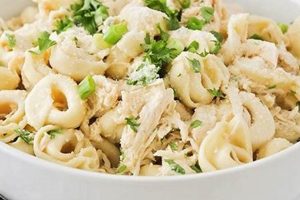
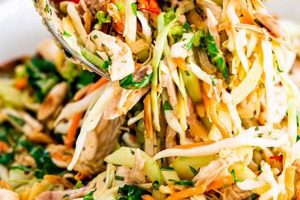
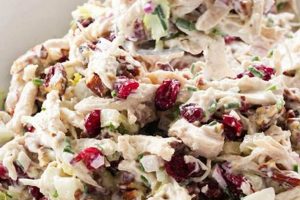
A dish featuring fried chicken as its centerpiece, often combined with fresh vegetables, cheeses, and a flavorful dressing, represents a popular culinary choice. Variations abound, with some featuring breaded and deep-fried chicken, while others opt for a lighter pan-fried or air-fried approach. The “secret” element often refers to a unique blend of spices in the breading, a distinctive dressing, or a particular combination of ingredients.
The appeal of such a dish lies in the contrasting textures and flavors. The crunchy chicken provides a satisfying bite, complemented by the freshness of the salad components. The dressing ties the elements together, creating a balanced and flavorful meal. Historically, similar preparations have existed for centuries, often utilizing leftover cooked chicken. The modern iteration, emphasizing a crisp coating and diverse ingredients, has become a staple in restaurants and homes alike. Its adaptability to different cuisines and dietary preferences contributes to its enduring popularity.
This article will explore various techniques for achieving optimal crispiness in the chicken, delve into a range of dressing options, and suggest complementary ingredients for a well-rounded and delicious culinary experience.
Tips for an Exceptional Chicken Salad
Achieving a truly remarkable salad with fried chicken as the star ingredient requires attention to several key details. These tips offer guidance for optimizing both the chicken and the accompanying components.
Tip 1: Marinating the Chicken: Marinating the chicken, even briefly, contributes significantly to both flavor and moisture retention during cooking. Buttermilk is a classic choice, tenderizing the meat while adding a subtle tang. Alternatively, a simple marinade of olive oil, herbs, and spices can be equally effective.
Tip 2: Double Breading for Extra Crispiness: A double breading technique, involving dipping the marinated chicken in flour, then egg, and then back into the flour mixture, creates a thicker, crispier coating. This helps to seal in juices and prevent the chicken from becoming soggy.
Tip 3: Maintaining Oil Temperature: Consistent oil temperature is essential for evenly cooked, crispy chicken. A thermometer is recommended to ensure the oil stays within the optimal range (typically between 350-375F/175-190C). Overcrowding the pan will lower the oil temperature, resulting in greasy, less crispy chicken.
Tip 4: Balancing Textures and Flavors: Consider the textural interplay between the chicken and the other salad components. A combination of crunchy, soft, and creamy elements creates a more interesting and satisfying dish. Balance the richness of the fried chicken with fresh, vibrant vegetables and a bright, acidic dressing.
Tip 5: Dressing Strategically: Avoid overdressing the salad, which can make the chicken soggy. Lightly dress the greens just before serving, or serve the dressing on the side, allowing individuals to customize their portions.
Tip 6: Freshly Made Dressings: While convenient, bottled dressings often contain preservatives and added sugars. A homemade dressing, tailored to complement the specific ingredients in the salad, elevates the overall flavor profile. A simple vinaigrette, a creamy ranch, or a tangy honey mustard are all excellent choices.
Tip 7: Creative Ingredient Combinations: Don’t be afraid to experiment with diverse ingredients. Consider incorporating dried fruits, nuts, seeds, or cheeses to add complexity and depth of flavor.
By following these tips, one can create a truly exceptional chicken salad that balances crispy, flavorful chicken with a harmonious blend of complementary ingredients.
This understanding of preparation techniques and ingredient selection sets the stage for crafting a dish that is both satisfying and memorable.
1. Crispy Coating
The crispy coating forms the cornerstone of a successful crispy chicken salad. It provides a crucial textural counterpoint to the other ingredients, offering a satisfying crunch that elevates the overall sensory experience. The coating’s structural integrity is essential; it must maintain its crispness even when exposed to the moisture present in the salad’s other components, particularly the dressing. This requires careful consideration of the breading process and frying technique. For instance, a double-breading method, utilizing flour, egg, and a final layer of seasoned breadcrumbs or flour, creates a more substantial barrier against moisture infiltration. Additionally, maintaining the correct oil temperature during frying is crucial for achieving optimal crispness and preventing a greasy texture.
The interplay between the crispy coating and the salad’s other elements is a defining characteristic of the dish. The contrast between the crunchy exterior of the chicken and the softer textures of greens, vegetables, and other additions creates a dynamic and enjoyable eating experience. A well-executed coating also enhances the flavor profile of the chicken, providing a savory, seasoned crust that complements the other ingredients. Consider the difference between a bland, soggy piece of fried chicken and one with a golden-brown, flavorful crust; the latter undoubtedly contributes significantly more to the overall enjoyment of the salad. Practical applications of this understanding include exploring different breading mixtures, incorporating spices and herbs into the coating, and experimenting with frying methods to achieve the desired level of crispness.
Mastering the art of the crispy coating is therefore paramount for creating a truly exceptional crispy chicken salad. Challenges such as maintaining crispness in the presence of dressing and achieving even cooking can be addressed through meticulous attention to detail in the preparation process. This emphasis on the coating’s role underscores its importance as a defining element of this popular dish, separating a mediocre salad from a truly memorable one. The structural integrity and flavor contribution of the crispy coating are essential factors that elevate the dish, justifying its position as a key component of a successful recipe.
2. Flavorful Marinade
Flavorful marinades play a crucial role in elevating crispy chicken salads beyond the ordinary. While the crispy exterior provides textural appeal, a well-chosen marinade ensures the chicken itself contributes depth of flavor. This is achieved through a combination of ingredients that not only season the meat but also enhance its moisture retention during the cooking process. The marinade acts as a flavor delivery system, permeating the chicken and creating a foundation upon which the other salad components can build. A simple marinade of buttermilk, for example, tenderizes the chicken while imparting a subtle tang, whereas a mixture of herbs, spices, and oil can create a more complex flavor profile. This pre-cooking flavor infusion is essential, preventing the chicken from tasting bland, even beneath a flavorful breading or dressing. The choice of marinade directly influences the overall taste experience; an herby marinade might complement a lighter vinaigrette, while a spicier marinade might pair well with a creamy, cooling dressing.
Consider a marinade incorporating lemon zest, garlic, and herbs. This not only seasons the chicken but also creates a bright, aromatic counterpoint to the richness of the crispy coating. Alternatively, a marinade utilizing smoked paprika, chili powder, and cumin offers a smoky, savory depth that complements bolder flavors in the salad. The practical significance of understanding marinade composition lies in the ability to tailor flavors to specific preferences and desired outcomes. Experimentation with different combinations of acids, oils, spices, and herbs allows for a personalized touch, creating a signature flavor profile that elevates the entire dish. Furthermore, the marinade contributes to the overall succulence of the chicken, counteracting the drying effects of frying.
The flavorful marinade acts as an essential building block within the architecture of a crispy chicken salad. Its impact extends beyond simply seasoning the chicken; it enhances moisture retention, complements the other ingredients, and offers a foundation for a more complex and satisfying culinary experience. Challenges such as balancing flavor intensity and ensuring even distribution within the chicken can be addressed through careful consideration of marinade composition and marinating time. Understanding this connection between marinade and the final product allows for greater control over the final result, transforming a simple crispy chicken salad into a flavorful, nuanced dish. This emphasis on flavor development within the chicken itself reinforces the importance of the marinade as a key element of a successful recipe.
3. Balanced Ingredients

Balanced ingredients are fundamental to a successful crispy chicken salad, representing far more than a simple assortment of components. Balance refers to the careful interplay of flavors, textures, and colors, creating a harmonious whole that elevates the dish beyond the sum of its parts. This involves considering the richness of the fried chicken and selecting ingredients that provide contrasting yet complementary characteristics. The crispy coating of the chicken provides a dominant textural element, necessitating the inclusion of ingredients that offer contrasting texturescreamy avocado, crunchy nuts, juicy tomatoes, or crisp lettuce. This interplay prevents textural monotony and adds complexity to each bite. Flavor balance follows a similar principle. The savory chicken benefits from the addition of sweet, acidic, or spicy elements. Consider the balance achieved by combining the richness of fried chicken with the tartness of dried cranberries, the sweetness of mandarin oranges, or the peppery bite of fresh arugula. Ignoring this interplay can result in a dish that is either overwhelmingly rich or lacking in depth. For example, a salad consisting solely of fried chicken and iceberg lettuce would lack the textural and flavor complexity that balanced ingredients provide.
The practical application of this understanding lies in the strategic selection of ingredients. A successful crispy chicken salad might include creamy goat cheese to contrast the crispy chicken, peppery radishes for a spicy kick, and crunchy candied pecans for textural variation and a touch of sweetness. This diverse array of ingredients, when carefully balanced, results in a more satisfying and enjoyable culinary experience. Furthermore, color plays a role in the overall appeal. Vibrant greens, colorful vegetables, and other visually appealing ingredients enhance the presentation and contribute to a more enticing dish. The visual appeal of a well-balanced salad further underscores the importance of ingredient selection.
Achieving balance within a crispy chicken salad presents specific challenges. The richness of the fried chicken must be considered, as overly rich additions can create a heavy, unbalanced dish. Similarly, the delicate balance of flavors and textures can be easily disrupted by excessive use of dressing or overpowering ingredients. Overcoming these challenges requires careful planning and execution, recognizing that balance is not simply about including a variety of ingredients, but about selecting and combining them thoughtfully to create a harmonious and delicious final product. This emphasis on balanced ingredients reinforces the importance of considering the interplay of flavors, textures, and colors in creating a truly exceptional crispy chicken salad.
4. Complementary Dressing
Complementary dressings are essential to a truly exceptional crispy chicken salad. The dressing is not merely a condiment; it acts as a unifying element, binding the diverse ingredients and enhancing their individual flavors. A well-chosen dressing complements the crispy chicken without overwhelming its texture or masking the flavors of the other components. This requires careful consideration of the existing flavor profile of the salad, including the marinade used for the chicken and the chosen vegetables, fruits, nuts, or cheeses. A complementary dressing enhances, rather than competes with, these existing flavors. For instance, a light vinaigrette with a touch of Dijon mustard might perfectly complement a salad featuring herbed chicken, mixed greens, and dried cranberries. The acidity of the vinaigrette cuts through the richness of the chicken and complements the tartness of the cranberries without masking the subtle herbal notes of the chicken. Conversely, a creamy ranch dressing might overwhelm this delicate flavor combination. However, that same ranch dressing might be ideal for a salad with bolder flavors, such as spiced chicken, roasted vegetables, and crumbled bacon. The richness of the ranch complements the smoky bacon and spiced chicken, creating a cohesive flavor profile.
Practical applications of this understanding involve analyzing the flavor profile of the intended salad before selecting a dressing. Consider the dominant flavors: is the chicken seasoned with herbs, spices, or a simple salt and pepper blend? Are the accompanying ingredients sweet, tart, or savory? A lemon-herb vinaigrette complements a salad with herbed chicken and fresh vegetables, while a creamy cilantro-lime dressing might enhance a salad with Southwestern-spiced chicken and corn. Furthermore, the dressing’s texture should also be considered. A light vinaigrette provides a refreshing contrast to the crispy chicken, while a creamy dressing adds richness and coats the ingredients more thoroughly. The amount of dressing used also plays a crucial role. Overdressing can make the salad soggy, especially detrimental to the crispy chicken. A light hand ensures the dressing enhances, rather than detracts from, the overall texture and flavor. The viscosity of the dressing also impacts how it interacts with the other ingredients; a thicker dressing clings more readily, while a thinner dressing disperses more evenly.
Mastering the art of complementary dressing elevates the crispy chicken salad from a simple combination of ingredients to a well-composed dish. Challenges, such as balancing the dressing’s intensity with the other flavors and preventing the salad from becoming soggy, can be overcome through careful selection and application. Understanding the crucial role of the dressing, not just as a flavor enhancer but as a unifying component, allows for greater control over the final product. This attention to the nuances of flavor and texture demonstrates a sophisticated approach to salad creation, transforming a simple crispy chicken salad into a nuanced culinary experience.
5. Freshness
Freshness plays a critical role in a truly exceptional crispy chicken salad, impacting both flavor and texture. It is not merely a desirable quality; it is essential for achieving the intended balance and maximizing the potential of each ingredient. From the crispness of the lettuce to the succulence of the chicken and the vibrancy of the dressing, freshness elevates every component of the salad. The contrast between the crispy chicken and the fresh, vibrant elements of the salad creates a dynamic interplay that distinguishes a superior preparation.
- Ingredient Selection
Ingredient selection represents the foundation of freshness in a crispy chicken salad. Using high-quality, seasonal ingredients significantly impacts the overall flavor and texture. Locally sourced produce, when available, offers peak flavor and optimal freshness. For example, freshly picked lettuce maintains its crispness and delicate flavor, unlike pre-packaged lettuce, which can become wilted and lose its vibrancy. Similarly, using freshly butchered chicken contributes to a more succulent and flavorful final product. Opting for high-quality oils and vinegars for the dressing also enhances the freshness and contributes to a brighter, cleaner flavor profile. Selecting ingredients at their peak ripeness ensures optimal flavor and contributes to the overall quality of the salad. Compromising on ingredient quality undermines the potential for freshness and diminishes the overall dining experience.
- Timing and Preparation
Timing and preparation are crucial for preserving freshness in a crispy chicken salad. The ideal scenario involves preparing components as close to serving time as possible. This is particularly important for elements like the fried chicken, which achieves peak crispness immediately after cooking. Delaying the assembly of the salad helps prevent the chicken from becoming soggy and the greens from wilting. Proper storage of ingredients prior to preparation also plays a vital role. Lettuce should be stored in a crisper drawer, and chicken should be kept refrigerated at the correct temperature until ready for use. Washing and drying greens thoroughly before storage helps maintain crispness. Additionally, homemade dressings retain optimal flavor when made fresh and used within a reasonable timeframe. Pre-dressing the salad far in advance can lead to a soggy, less appealing final product. Prepping components in advance, while efficient, can compromise freshness if not managed carefully.
- Flavor Enhancement
Freshness directly impacts the overall flavor profile of a crispy chicken salad. Fresh ingredients possess a vibrancy and depth of flavor that enhances the entire dish. Freshly squeezed lemon juice, for example, adds a bright, clean acidity that packaged lemon juice cannot replicate. Similarly, freshly chopped herbs offer a more potent aroma and flavor compared to dried herbs. The vibrant flavors of fresh ingredients elevate the salad, creating a more dynamic and enjoyable culinary experience. Freshly made dressings, free from preservatives and artificial flavors, contribute significantly to the overall freshness and flavor complexity of the salad. The inherent flavors of fresh, high-quality ingredients require less masking with heavy dressings or seasonings, allowing the natural flavors to shine through. For instance, a salad made with fresh, ripe tomatoes needs little more than a simple vinaigrette to enhance its natural sweetness.
- Visual Appeal
Freshness contributes significantly to the visual appeal of a crispy chicken salad. The vibrant colors of fresh produce, the glistening surface of a freshly made dressing, and the golden-brown crust of freshly fried chicken all contribute to a more appetizing presentation. Fresh greens provide a vibrant backdrop for the other ingredients, while colorful vegetables add visual interest. This visual appeal enhances the dining experience, making the salad more enticing and enjoyable. Wilted greens, soggy chicken, and a dull-looking dressing detract from the visual appeal and can diminish the perceived freshness, even if the ingredients are technically still safe to consume. A visually appealing salad suggests attention to detail and a commitment to quality, further enhancing the perceived value of the dish.
Ultimately, freshness represents a defining characteristic of a truly exceptional crispy chicken salad. It impacts not only the taste and texture but also the visual appeal and overall dining experience. By prioritizing fresh, high-quality ingredients and employing mindful preparation techniques, one elevates this simple dish to a new level of culinary excellence. The interplay between fresh components and the crispy chicken creates a dynamic contrast that distinguishes a superior salad. Recognizing the multi-faceted influence of freshness, from ingredient selection to presentation, is key to creating a truly memorable and satisfying crispy chicken salad.
Frequently Asked Questions
This section addresses common inquiries regarding the preparation and enjoyment of crispy chicken salads, offering practical guidance for achieving optimal results.
Question 1: How can crispiness be maintained after the chicken is added to the salad?
Maintaining crispiness requires strategic timing and preparation. Dress the salad immediately before serving, or serve the dressing on the side. Avoid adding warm chicken to cold ingredients, as condensation can contribute to sogginess. Consider placing the chicken on top of the salad rather than tossing it with the other ingredients. These techniques help maintain the desired textural contrast.
Question 2: What are effective methods for achieving a consistently crispy chicken coating?
A consistent crispy coating relies on proper breading and frying techniques. A double-breading method, using a sequence of flour, egg, and a final coating of breadcrumbs or flour, creates a more substantial barrier against moisture. Maintaining a stable oil temperature during frying is crucial. Overcrowding the pan lowers the oil temperature, resulting in greasy, less crispy chicken. Using a thermometer ensures the oil remains within the optimal range.
Question 3: Beyond lettuce, what other ingredients complement crispy chicken in a salad?
A variety of ingredients complement crispy chicken, offering diverse flavors and textures. Consider roasted vegetables like bell peppers or sweet potatoes for sweetness and substance. Add crunch with nuts, seeds, or croutons. Incorporate creamy elements like avocado or goat cheese for contrast. Fruits such as grapes, berries, or mandarin oranges offer a refreshing sweetness. These additions create a more balanced and interesting salad.
Question 4: What dressings best complement the richness of crispy chicken?
Dressings should balance the richness of the chicken. Light, acidic vinaigrettes cut through the richness without overwhelming the other flavors. Consider a lemon-herb vinaigrette, a balsamic vinaigrette, or a simple Dijon vinaigrette. Creamy dressings, like ranch or blue cheese, can complement the chicken but should be used sparingly to avoid sogginess. The dressing should enhance, not mask, the other flavors in the salad.
Question 5: Can crispy chicken salads be prepared in advance?
While some components can be prepared in advance, it is generally recommended to assemble the salad close to serving time. The chicken is best fried immediately before serving to maintain optimal crispiness. Ingredients like vegetables and other toppings can be prepared and stored separately. Dressings can also be made ahead of time. However, combining all elements too early can compromise the texture of the chicken and the freshness of the other ingredients.
Question 6: How can sodium content be managed in crispy chicken salads?
Managing sodium involves careful attention to ingredient selection and preparation. Opt for lower-sodium chicken broth or water when brining or marinating the chicken. Control the amount of salt added to the breading mixture and dressing. Utilize fresh herbs and spices to enhance flavor without relying solely on salt. Choose lower-sodium cheeses and other pre-packaged ingredients when possible. Rinse canned beans or vegetables to remove excess sodium. These measures contribute to a more health-conscious preparation without sacrificing flavor.
By addressing these frequently asked questions, one gains a deeper understanding of the key factors that contribute to a successful crispy chicken salad. This knowledge empowers individuals to create a dish that is not only delicious but also tailored to specific preferences and dietary considerations.
The following section will offer a collection of diverse recipe variations, demonstrating the adaptability of this popular dish.
Conclusion
Exploration of the elements contributing to a successful crispy chicken salad reveals the importance of a balanced approach. Careful consideration of the chicken’s coating, the marinade’s flavor profile, the selection of complementary ingredients, the dressing’s role, and the overall freshness of components significantly impacts the final product. Achieving optimal crispiness, balancing flavors and textures, and ensuring ingredient harmony are crucial for a satisfying culinary experience. This multifaceted approach, encompassing both technical execution and creative ingredient combinations, distinguishes a truly exceptional crispy chicken salad.
Culinary exploration often centers on seemingly simple dishes, revealing hidden complexities and opportunities for nuanced execution. The crispy chicken salad exemplifies this principle, demonstrating that even familiar recipes offer significant potential for refinement and personalized interpretation. Mastery of the techniques and principles discussed allows for consistent recreation of this dish while encouraging adaptation and experimentation. The enduring popularity of this dish underscores its adaptability and enduring appeal, inviting continued exploration and enjoyment.