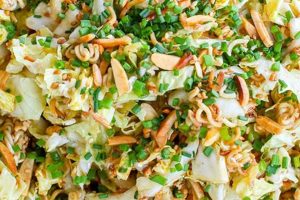
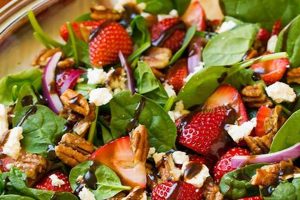
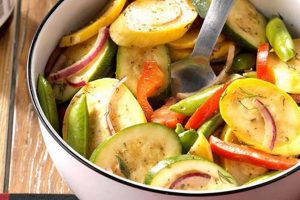
Cold pasta salads featuring spaghetti as the base offer a refreshing and convenient meal, particularly suited for warmer weather or potlucks. These dishes typically combine cooked spaghetti with a variety of vegetables, proteins, cheeses, and a flavorful dressing. A simple example might include cooked spaghetti, chopped bell peppers, cherry tomatoes, black olives, cubed mozzarella, and a vinaigrette dressing.
Such dishes are valued for their adaptability, affordability, and make-ahead convenience. They provide an opportunity to use leftover spaghetti, reducing food waste. Historically, pasta salads have evolved from composed salads featuring pasta as an ingredient to become a distinct category, reflecting changing culinary trends and the increasing availability of diverse ingredients. Their ease of preparation and portability have contributed to their popularity as a picnic staple and a common side dish at gatherings.
Further exploration will delve into specific ingredient combinations, dressing variations, tips for achieving optimal pasta texture, and strategies for presentation and storage.
Tips for Creating Delicious Spaghetti Salads
Achieving a flavorful and well-balanced spaghetti salad involves attention to several key details. These tips offer guidance for optimal results.
Tip 1: Cook the spaghetti al dente. Slightly firm pasta holds its shape better in a salad and prevents a mushy texture. Rinse the cooked spaghetti under cold water to stop the cooking process and cool it down quickly.
Tip 2: Select a flavorful dressing. Vinaigrettes, creamy dressings, and pesto all complement spaghetti salads. Consider the other ingredients when selecting a dressing, ensuring complementary flavors.
Tip 3: Incorporate a variety of vegetables. Colorful vegetables add visual appeal and nutritional value. Chopped bell peppers, cucumbers, cherry tomatoes, onions, and olives are excellent choices.
Tip 4: Consider adding protein. Cubed cheese, cooked chicken or shrimp, or chickpeas can enhance the heartiness and protein content of the salad.
Tip 5: Don’t overdress the salad. Start with a smaller amount of dressing and add more if needed. An overdressed salad can become soggy.
Tip 6: Chill the salad before serving. Chilling allows the flavors to meld and enhances the refreshing quality of the dish.
Tip 7: Taste and adjust seasonings. Before serving, taste the salad and adjust salt, pepper, or other seasonings as needed.
By following these tips, one can create a satisfying and flavorful spaghetti salad appropriate for various occasions.
The following section will present several recipe variations incorporating these principles.
1. Simple Ingredients
The ease of spaghetti salad recipes hinges significantly on the simplicity of their components. Recipes prioritizing readily available ingredients minimize preparation time and effort. This accessibility translates directly into convenience, making such salads a practical meal option. For example, a basic spaghetti salad might require only cooked spaghetti, a pre-made vinaigrette, canned vegetables, and perhaps some chopped fresh herbs. These ingredients are typically found in most pantries or easily acquired, eliminating the need for extensive shopping trips or specialized ingredients.
Furthermore, simple ingredients contribute to the adaptability of these recipes. Substitutions become straightforward. If fresh bell peppers are unavailable, frozen or jarred alternatives suffice. Generic brand pasta works as effectively as premium brands. This flexibility not only simplifies the cooking process but also allows for cost-effective meal preparation, making spaghetti salads budget-friendly. Moreover, the reliance on simple ingredients facilitates customization. A base recipe can be easily modified to suit individual dietary needs or preferences by adding or omitting certain components, such as opting for gluten-free pasta or incorporating plant-based protein sources. This inherent versatility extends the appeal of these recipes to a broader audience.
In summary, simple ingredients are integral to the concept of easy spaghetti salad recipes. They promote convenience, adaptability, and affordability. Understanding this connection empowers efficient meal planning and preparation, contributing to a more sustainable and enjoyable culinary experience. This principle of ingredient simplicity also extends to considerations of storage and shelf-life, further enhancing the practicality of these recipes.
2. Quick Preparation

Quick preparation is a defining characteristic of easy spaghetti salad recipes. The time investment required for these dishes is minimal, making them suitable for weeknight meals or situations where elaborate cooking is impractical. This speed is achieved through several factors. Pre-cooked or quickly-cooked ingredients contribute significantly. Pasta, the foundation of the dish, takes only minutes to cook. Furthermore, many recipes utilize readily available pre-cooked ingredients such as canned vegetables, rotisserie chicken, or pre-shredded cheese, significantly reducing active preparation time. For example, a simple spaghetti salad can be assembled in under 20 minutes using pre-cooked pasta, canned tuna, chopped celery, and a bottled Italian dressing.
The speed of preparation directly influences the perceived ease and accessibility of a recipe. A shorter preparation time translates to greater convenience. This is particularly relevant in contemporary lifestyles where time constraints often dictate meal choices. Quick preparation facilitates more frequent consumption of home-cooked meals, promoting healthier dietary habits compared to reliance on processed foods or takeout. Moreover, the limited active cooking time required reduces the cleanup burden, further enhancing the overall convenience. The ability to prepare a nutritious and satisfying meal quickly contributes significantly to the appeal of easy spaghetti salad recipes.
In summary, quick preparation is intrinsically linked to the concept of easy spaghetti salad recipes. It addresses the practical need for efficient meal solutions without compromising flavor or nutritional value. This characteristic broadens the appeal of these recipes, making them a practical and desirable option for a wide range of individuals and situations. Understanding the factors contributing to quick preparation, such as ingredient selection and streamlined techniques, empowers efficient meal planning and contributes to a more sustainable and enjoyable culinary experience.
3. Versatile Flavors
Versatility in flavor profiles is a significant advantage of easy spaghetti salad recipes. This adaptability stems from the neutral flavor of spaghetti itself, which acts as a blank canvas for a wide range of ingredients and dressings. The potential for flavor combinations is extensive, accommodating diverse palates and dietary preferences. A classic Italian-inspired salad might incorporate ingredients like sun-dried tomatoes, olives, and a balsamic vinaigrette. Alternatively, an Asian-inspired variation could feature sesame oil, soy sauce, edamame, and shredded carrots. This inherent versatility allows for customization based on available ingredients, seasonal produce, or specific culinary preferences. The simplicity of the base recipe readily accommodates both subtle flavor nuances and bold flavor combinations.
This adaptability extends beyond cultural influences to encompass dietary restrictions and preferences. Vegetarian versions can incorporate plant-based proteins like chickpeas or tofu. Gluten-free diets are easily accommodated with gluten-free pasta. Flavor profiles can be adjusted to suit individual preferences, ranging from tangy and vibrant to creamy and savory. This versatility makes spaghetti salads suitable for diverse occasions, from casual weeknight meals to potlucks and picnics. The ability to cater to a range of tastes enhances the appeal of these recipes, promoting inclusivity and enjoyment across a broader spectrum of individuals. The practical implications are significant, allowing for meal planning that satisfies multiple dietary needs and preferences simultaneously.
In summary, the versatility of flavors inherent in easy spaghetti salad recipes constitutes a core strength. This characteristic stems from the neutral base provided by spaghetti, allowing for a wide spectrum of flavor combinations and ingredient incorporations. The practical significance of this versatility lies in its capacity to accommodate diverse dietary needs, individual preferences, and various culinary traditions. This adaptability contributes directly to the sustained popularity and practicality of spaghetti salads as a meal option. Understanding this connection empowers creativity in the kitchen, allowing individuals to tailor recipes to specific tastes and available resources, ultimately promoting a more enjoyable and sustainable approach to meal preparation.
4. Make-Ahead Convenience

Make-ahead convenience represents a significant advantage of easy spaghetti salad recipes, contributing substantially to their practicality in various contexts. This attribute allows for efficient time management, particularly beneficial for busy schedules or meal prepping. Preparing these salads in advance reduces stress surrounding mealtimes and facilitates healthier eating habits by ensuring a readily available, home-cooked option.
- Reduced Mealtime Stress
The ability to prepare spaghetti salad in advance eliminates last-minute cooking pressures. This is particularly helpful for busy weeknights or when hosting gatherings. Having a prepared dish ready to serve simplifies mealtimes, allowing more time for other activities or focusing on guests. This reduced stress contributes to a more enjoyable and relaxed dining experience.
- Facilitated Meal Prepping
Spaghetti salads are ideal for meal prepping due to their make-ahead nature. Preparing a large batch on the weekend provides convenient lunches or dinners throughout the week. This practice supports healthier eating habits by reducing reliance on less nutritious convenience foods. Portioning individual servings further streamlines mealtimes and promotes portion control.
- Enhanced Flavor Development
Making spaghetti salad ahead of time often enhances its flavor. The chilling period allows the dressing to meld with the other ingredients, intensifying the overall taste. This flavor development is particularly noticeable with vinaigrette-based dressings, which benefit from the extended contact time with the pasta and vegetables.
- Simplified Entertaining
Spaghetti salads are a practical choice for potlucks, picnics, and other social gatherings. Their make-ahead convenience eliminates the need for on-site cooking or reheating, simplifying logistics and allowing hosts to focus on other aspects of the event. The portability of these salads further enhances their suitability for such occasions.
The make-ahead convenience of easy spaghetti salad recipes significantly enhances their practicality and appeal. This attribute, encompassing reduced mealtime stress, facilitated meal prepping, enhanced flavor development, and simplified entertaining, positions these recipes as a versatile and efficient meal solution for various lifestyles and occasions. This characteristic aligns with contemporary trends emphasizing time-saving meal solutions without compromising flavor or nutritional value.
5. Budget-Friendly Options

Affordability often drives recipe choices, and easy spaghetti salad recipes excel in this regard. The inherent budget-friendly nature of these dishes stems from several key factors. Primarily, spaghetti itself is a cost-effective staple food. Dried pasta offers a long shelf life and a high yield per package, contributing to its economical appeal. Furthermore, these recipes readily accommodate less expensive ingredients, such as canned or frozen vegetables, which offer comparable nutritional value to fresh produce at a lower price point. Utilizing pantry staples like canned beans or tuna further reduces costs without compromising flavor or protein content. For instance, a simple spaghetti salad using canned black beans, corn, diced tomatoes, and a basic vinaigrette provides a nutritious and filling meal at minimal expense.
The adaptability of spaghetti salad recipes further enhances their budget-friendly nature. Leftover cooked chicken or vegetables can be easily incorporated, minimizing food waste and maximizing resource utilization. Seasonal produce, often available at lower prices, offers opportunities for flavorful variations while adhering to budgetary constraints. Homemade dressings, often simpler and less expensive than store-bought alternatives, contribute to cost savings. Flexibility in ingredient choices allows adaptation to specific budget limitations without sacrificing the quality or enjoyment of the meal. This adaptability empowers individuals to prioritize affordability while maintaining dietary variety and nutritional intake. For example, substituting less expensive cheeses or opting for a homemade vinaigrette instead of a specialty dressing can significantly reduce the overall cost of the salad.
In conclusion, the budget-friendly nature of easy spaghetti salad recipes stems from the cost-effectiveness of core ingredients and the adaptability of these recipes to less expensive substitutions and additions. This affordability contributes significantly to the accessibility and practicality of these dishes, particularly for individuals or families seeking nutritious and satisfying meals on a limited budget. The ability to create flavorful and economical meals empowers individuals to prioritize both financial responsibility and dietary well-being. This understanding underscores the value of easy spaghetti salad recipes as a sustainable and accessible culinary option.
6. Adaptable to Preferences
Adaptability to individual preferences represents a cornerstone of the enduring appeal of easy spaghetti salad recipes. This inherent flexibility allows these dishes to cater to a wide range of tastes and dietary needs, solidifying their position as a versatile and practical meal option. The following facets illustrate the various dimensions of this adaptability.
- Dietary Accommodations
Dietary restrictions pose significant challenges to meal planning. Spaghetti salads offer solutions through ingredient substitutions and omissions. Gluten-free pasta seamlessly replaces traditional wheat-based pasta for gluten-sensitive individuals. Vegetarian or vegan adaptations readily incorporate plant-based proteins like chickpeas, lentils, or tofu in place of meat or cheese. This adaptability ensures inclusivity, allowing individuals with specific dietary needs to enjoy these versatile dishes.
- Flavor Customization
Flavor profiles are readily adjusted in spaghetti salads. Dressings play a crucial role; a tangy vinaigrette offers a contrasting flavor profile to a creamy ranch or pesto dressing. Ingredient selections further contribute to flavor customization. Spice levels can be adjusted through the addition of chili flakes or a dash of hot sauce. Herb and spice blends, such as Italian seasoning or a curry powder mix, impart distinct flavor characteristics tailored to individual preferences. This flexibility ensures that spaghetti salads can satisfy a broad spectrum of tastes.
- Ingredient Availability and Seasonality
Resourcefulness and adaptability are key aspects of easy spaghetti salad recipes. These recipes accommodate ingredient substitutions based on availability and seasonality. Fresh, in-season vegetables offer optimal flavor and nutritional value, but frozen or canned alternatives provide viable substitutes when fresh produce is unavailable or less affordable. This adaptability allows for year-round enjoyment while maximizing resource utilization and minimizing food waste.
- Creative Exploration and Personalization
Spaghetti salads encourage culinary creativity. The basic framework of pasta, vegetables, and dressing serves as a foundation for personalized variations. Unconventional ingredients, such as roasted nuts, dried fruits, or unique cheeses, can introduce unexpected textures and flavor dimensions. This open-ended nature empowers individuals to experiment with different ingredient combinations and develop signature recipes reflecting personal tastes and culinary preferences.
In summary, the adaptability of easy spaghetti salad recipes extends beyond mere ingredient substitution. It represents a fundamental characteristic that allows these dishes to seamlessly integrate into diverse dietary patterns, accommodate individual flavor preferences, and encourage culinary creativity. This inherent flexibility contributes significantly to the enduring popularity and practicality of spaghetti salads as a meal option.
Frequently Asked Questions
This section addresses common inquiries regarding the preparation and enjoyment of easy spaghetti salad recipes. Clarity on these points aims to facilitate successful culinary experiences.
Question 1: What type of spaghetti is best suited for cold pasta salads?
While most spaghetti varieties work well, thinner spaghetti tends to absorb dressing more readily, potentially leading to a softer texture. Thicker spaghetti or other short pasta shapes like rotini or farfalle hold their shape better in cold salads.
Question 2: How can one prevent the spaghetti from becoming sticky or clumpy in a cold salad?
Rinsing cooked spaghetti under cold water immediately after draining stops the cooking process and removes excess starch, preventing stickiness. Tossing the pasta with a small amount of oil can further deter clumping.
Question 3: How far in advance can spaghetti salad be prepared?
Spaghetti salad can typically be refrigerated for up to three days without significant flavor or texture degradation. However, salads containing mayonnaise-based dressings may have a shorter shelf life.
Question 4: Can frozen vegetables be used in spaghetti salad?
Frozen vegetables offer a convenient and cost-effective alternative to fresh produce. Thaw and drain them thoroughly before incorporating them into the salad to prevent excess moisture.
Question 5: What are some effective strategies for making a vegetarian spaghetti salad?
Plant-based proteins like chickpeas, black beans, lentils, or edamame provide substantial additions to vegetarian spaghetti salads. Cubed or crumbled tofu can also be incorporated for added protein.
Question 6: How can one adjust the flavor profile of a spaghetti salad?
The dressing choice significantly influences the overall flavor. Experimenting with different vinaigrettes, creamy dressings, or pesto provides variety. Adding fresh herbs, spices, or a squeeze of lemon juice can further enhance and personalize the flavor.
Understanding these common points of inquiry contributes to greater success in preparing satisfying and flavorful spaghetti salads.
The following section will offer a collection of curated recipes demonstrating these principles in practice.
Easy Spaghetti Salad Recipes
Exploration of easy spaghetti salad recipes reveals a dish characterized by simplicity, adaptability, and affordability. Key attributes include quick preparation, versatile flavors, make-ahead convenience, and budget-friendly options. These factors collectively position such recipes as practical and appealing meal solutions for diverse lifestyles and dietary preferences. The inherent adaptability to ingredient substitutions, flavor customizations, and dietary accommodations further enhances their versatility. From utilizing pantry staples to incorporating seasonal produce, these recipes empower culinary creativity while promoting economical meal planning.
The ease of preparation, combined with the potential for diverse flavor profiles and nutritional value, establishes easy spaghetti salad recipes as a valuable component of a balanced and sustainable approach to cooking. Continued exploration of ingredient combinations and flavor profiles promises further culinary innovation within this accessible and adaptable dish category. The potential for customization and personalization ensures that easy spaghetti salad recipes will remain a relevant and evolving culinary staple.