Congealed salads featuring gelatin, often incorporating fruit, vegetables, or nuts, are a common dish served during springtime celebrations. These dishes frequently appear at Easter meals, offering a vibrant and colorful addition to the table. Variations abound, from simple fruit-laden aspics to more complex layered creations, demonstrating the versatility of this culinary approach.
These festive dishes offer a refreshing counterpoint to richer, heavier Easter fare. Their light texture and bright flavors make them a welcome addition for palates of all ages. Historically, gelatin-based dishes symbolized prosperity and sophistication due to the labor involved in their preparation before commercially available gelatin. This tradition continues, adding a touch of nostalgic charm to contemporary celebrations. Furthermore, such desserts provide a convenient make-ahead option for busy hosts, allowing for more time spent with loved ones.
This exploration will delve into various aspects of creating these delightful dishes, including selecting appropriate ingredients, mastering techniques for achieving the perfect texture, and presenting them in visually appealing ways to enhance the dining experience. From classic recipes to modern interpretations, the following sections offer a comprehensive guide to preparing and enjoying these springtime treats.
Tips for Creating Exquisite Gelatin Salads
Achieving the perfect texture and flavor balance in gelatin-based salads requires attention to detail. The following tips offer guidance for creating visually appealing and palate-pleasing dishes.
Tip 1: Bloom the Gelatin: Dissolving gelatin granules in cold water before incorporating them into the hot liquid mixture ensures even distribution and prevents clumping. This step is crucial for achieving a smooth, uniform texture.
Tip 2: Manage Sweetness: The inherent sweetness of many canned fruits necessitates careful sugar adjustment. Tasting the mixture before setting allows for accurate balancing of flavors, preventing an overly sweet result.
Tip 3: Layer with Care: When creating layered salads, ensure each layer is fully set before adding the next. This prevents colors from bleeding and maintains distinct visual separation. Chilling the mold briefly between layers can expedite the setting process.
Tip 4: Incorporate Fresh Ingredients: Enhance flavor and visual appeal by incorporating fresh fruits, vegetables, or herbs. Consider seasonal produce for optimal flavor and vibrant color combinations.
Tip 5: Unmold with Ease: Dipping the mold briefly in warm water loosens the gelatin, facilitating clean release onto a serving platter. Avoid submerging the mold fully, as this can melt the delicate dessert.
Tip 6: Elevate Presentation: Garnishing with fresh mint, edible flowers, or a dollop of whipped cream elevates presentation. Consider using decorative molds for added visual interest.
Tip 7: Control Crystallization: Certain fruits, such as pineapple and kiwi, contain enzymes that inhibit gelatin setting. Briefly heating these fruits before adding them to the mixture neutralizes these enzymes, ensuring proper gel formation.
By following these guidelines, one can consistently create delightful gelatin salads that impress both visually and in terms of taste. These suggestions provide a foundation for experimentation and creativity in the kitchen.
These tips offer a starting point for crafting a wide array of variations, from classic combinations to more innovative creations, providing a delightful addition to any festive occasion.
1. Flavor Profiles
Flavor profiles play a crucial role in the creation of successful celebratory gelatin salads. The selection and balance of flavors contribute significantly to the overall enjoyment of the dish. A well-considered flavor profile complements the other ingredients and enhances the intended dining experience. For festive occasions like Easter, flavor profiles often lean towards lighter, brighter notes that align with the spirit of springtime. The interplay of sweet and tart components is frequently employed. For example, a lime-flavored gelatin base might be paired with mandarin orange segments and a hint of ginger, creating a refreshing and balanced flavor profile.
Understanding the impact of individual ingredients on the overall flavor profile allows for greater control over the final product. Tart fruits like raspberries and cranberries provide a counterpoint to the sweetness of the gelatin, preventing an overly saccharine result. The addition of spices, such as cinnamon or cloves, can introduce warmth and complexity. Herbal notes, like mint or basil, can offer a refreshing contrast. Considering these elements when selecting ingredients expands creative possibilities. The strategic use of contrasting flavors allows for the development of layered profiles, adding depth and nuance to the dish.
Careful consideration of flavor profiles elevates the gelatin salad beyond a simple dessert and transforms it into a considered culinary creation. Achieving a harmonious balance requires an understanding of the interplay between different taste elements. This understanding allows for the creation of dishes that are both visually appealing and palate-pleasing. The careful balancing of flavors not only enhances the individual dish but also contributes to a more enjoyable overall meal experience, aligning with the celebratory nature of the occasion.
2. Textural Elements

Textural elements contribute significantly to the overall appeal of festive gelatin salads. The inherent smooth, yielding quality of gelatin benefits from the incorporation of contrasting textures. This interplay creates a more dynamic and engaging sensory experience. Consideration of textural variety elevates these dishes beyond simple visual appeal, adding a crucial dimension to their enjoyment. The strategic introduction of contrasting textures can transform a homogeneous dish into a multi-faceted culinary creation.
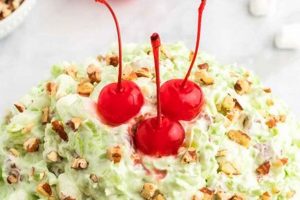
Several ingredients offer opportunities to introduce textural contrast. Chopped nuts, such as pecans or walnuts, provide a satisfying crunch. Shredded coconut introduces a delicate chewiness. Fruit pieces, depending on their ripeness and variety, offer a range of textures from firm to yielding. Even the inclusion of miniature marshmallows can introduce an element of airy lightness. The choice of textural additions depends on the overall flavor profile and desired outcome. A tropical-themed salad might benefit from the addition of toasted coconut flakes, while a more traditional fruit salad might be enhanced by the inclusion of chopped pecans.
Understanding the interplay of textures within a gelatin salad allows for a more nuanced approach to recipe development. Balancing the smooth, cool base with contrasting elements creates a more satisfying and memorable culinary experience. This principle applies not only to festive dishes but also to broader culinary contexts. The strategic incorporation of textural variety elevates dishes, adding depth and complexity. This awareness allows for the creation of gelatin salads that are not only visually appealing but also offer a delightful textural journey, enhancing the overall dining experience.
3. Color Combinations

Color combinations play a significant role in the aesthetic appeal of festive gelatin salads, particularly during Easter celebrations. The visual presentation of food significantly impacts perceived enjoyment, and color is a key component of this perception. Thoughtful color selection enhances the festive atmosphere and contributes to a more engaging dining experience. Understanding the principles of color harmony and the cultural associations of specific colors allows for the creation of visually appealing and contextually appropriate dishes.
- Pastel Palettes
Pastel hues are frequently associated with springtime and Easter celebrations. These soft, delicate colors evoke a sense of renewal and freshness. Light pinks, lavenders, and yellows create a harmonious and visually appealing presentation, aligning with the traditional color palettes of the holiday. Incorporating these colors through ingredient selection, such as using light-colored fruits or incorporating food coloring, reinforces the thematic connection to the occasion.
- Vibrant Contrasts
While pastel palettes are common, incorporating vibrant contrasting colors can create a visually dynamic and exciting presentation. The strategic use of complementary colors, such as pairing a vibrant green gelatin with red berries, adds a striking visual element. This approach can be particularly effective in layered salads, where distinct color bands create a visually appealing cross-section. The careful use of contrasting colors can add a modern twist to traditional dishes.
- Natural Color Derivation
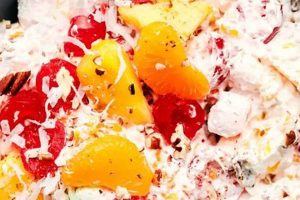
Utilizing the natural colors of fruits and vegetables offers a vibrant and appealing aesthetic while avoiding artificial colorings. The deep reds of strawberries, the bright oranges of mandarin segments, and the vibrant greens of kiwi create a naturally festive presentation. This approach aligns with contemporary trends towards natural ingredients and enhances the overall freshness of the dish.
- Thematic Color Coordination
Color choices can be further refined to align with specific Easter themes. For instance, incorporating shades of purple and yellow can evoke the imagery of spring flowers. The use of specific color combinations can add a subtle layer of meaning to the dish, enhancing its connection to the overall celebration. This attention to detail contributes to a more cohesive and immersive dining experience.
By carefully considering color combinations, one can elevate the presentation of gelatin salads, transforming them from simple dishes into visually captivating centerpieces. The strategic use of color enhances the festive atmosphere and contributes to a more memorable and enjoyable Easter celebration. This understanding of color principles allows for the creation of dishes that are not only delicious but also visually engaging, reflecting the spirit of the occasion.
4. Mold Selection

Mold selection significantly influences the presentation and overall impact of Easter jello salad recipes. The chosen mold dictates the final shape and serving size, contributing to both the visual appeal and practicality of the dish. Beyond mere functionality, the mold becomes an integral part of the recipe’s expression, offering an opportunity to enhance the festive theme and create a memorable presentation. A thoughtfully chosen mold elevates the dish from a simple dessert to a centerpiece worthy of celebration.
Several factors influence appropriate mold selection. The desired serving size dictates the mold’s capacity. The intricacy of the recipe, particularly layered creations, benefits from molds with smooth, sloping sides for easy unmolding. The occasion itself informs aesthetic choices. For Easter, molds shaped like bunnies, eggs, or flowers enhance the festive theme. Material considerations also play a role. Glass molds offer elegance and clarity, while metal molds provide durability and faster chilling. Silicone molds offer flexibility and intricate detail, simplifying the unmolding process. Selecting a mold aligned with these considerations ensures successful execution and enhances presentation.
Practical examples illustrate the impact of mold selection. A simple ring mold creates an elegant presentation for a layered fruit salad, allowing the vibrant colors to shine. Individual ramekins offer portion control and add a touch of sophistication. A whimsical bunny-shaped mold delights children and reinforces the Easter theme. Conversely, an inappropriately chosen mold can detract from the overall presentation. A highly intricate mold might obscure the details of a complex layered salad, while a mold too large for the recipe could result in a thin, unappealing presentation. Understanding the interplay between mold selection and the specific recipe ensures a successful and visually appealing outcome, maximizing the enjoyment of the Easter celebration.
5. Presentation Techniques
Presentation techniques significantly impact the perceived quality and enjoyment of Easter jello salad recipes. While flavor and texture are fundamental, visual appeal elevates these dishes from simple desserts to captivating centerpieces. Strategic presentation enhances the festive atmosphere and contributes to a more memorable dining experience. Consideration of various presentation techniques allows for creative expression and customization, aligning the dish with the celebratory spirit of Easter.
- Garnishing
Garnishing adds a final flourish, enhancing visual appeal and introducing complementary flavors or textures. Fresh mint sprigs, edible flowers, or a dusting of powdered sugar elevate the presentation. A dollop of whipped cream adds a touch of richness and contrasts the smooth gelatin. The choice of garnish should complement the flavor profile of the salad and enhance the overall aesthetic. For example, a citrus-based salad might be garnished with candied citrus peel, while a berry salad might benefit from fresh berries and a sprig of mint.
- Plating
Plating transforms the serving process into an act of artistic expression. A simple yet elegant approach involves unmolding the salad onto a decorative platter and surrounding it with complementary elements. Fresh fruit arrangements, strategically placed cookies, or a bed of edible flowers create a visually appealing tableau. The choice of serving dish should complement the shape and color of the salad. For instance, a ring-shaped salad might be served on a round platter, while a multi-layered salad might be showcased on a pedestal stand.
- Layering and Molding
Layering different colors and flavors of gelatin creates a visually stunning effect when unmolded. This technique requires careful planning and execution to ensure clean lines and distinct color separation. Using a variety of molds, from traditional shapes to novelty designs, adds an element of whimsy and aligns with the festive occasion. For example, a layered salad featuring pastel colors in an egg-shaped mold reinforces the Easter theme. Intricate molds can create impressive designs, while simpler molds showcase the beauty of layered colors and textures.
- Saucing and Accompaniments
Serving the jello salad with complementary sauces or accompaniments enhances flavor and provides textural contrast. A light custard sauce, a fruit coulis, or a sprinkle of toasted nuts complements the smooth texture of the gelatin. These additions should enhance, not overpower, the flavor profile of the salad. A berry salad might be served with a light vanilla sauce, while a tropical fruit salad might be accompanied by a coconut cream drizzle. Consideration of complementary flavors and textures elevates the overall dining experience.
These presentation techniques, when thoughtfully applied, elevate Easter jello salad recipes beyond simple desserts. They transform these dishes into visually appealing centerpieces that enhance the festive atmosphere and create a more memorable dining experience. The strategic use of garnishes, plating techniques, layering, and complementary accompaniments demonstrates attention to detail and elevates the overall enjoyment of the Easter celebration. By considering these elements, one can create a visually stunning and palate-pleasing dish that reflects the spirit of the occasion.
Frequently Asked Questions
This section addresses common inquiries regarding the preparation and presentation of gelatin-based salads, specifically within the context of Easter celebrations. Clarification on these points aims to facilitate successful recipe execution and enhance the overall dining experience.
Question 1: How can crystallization be prevented when using fresh pineapple or kiwi in gelatin salads?
Pineapples and kiwis contain enzymes that prevent gelatin from setting properly. Heating these fruits briefly before incorporating them neutralizes the enzymes, allowing the gelatin to set as intended.
Question 2: What techniques ensure clean separation between layers in a multi-layered gelatin salad?
Allowing each layer to fully set before adding the next is crucial. Briefly chilling the mold between layers accelerates the setting process and prevents color bleeding.
Question 3: How can one achieve the ideal level of sweetness when using canned fruits in gelatin salads?
Canned fruits often contain added sugar. Adjusting the amount of sugar added to the recipe based on the sweetness of the canned fruit prevents an overly sweet result. Tasting the mixture before chilling allows for precise adjustment.
Question 4: What methods facilitate smooth unmolding of gelatin salads?
Briefly dipping the mold in warm water loosens the gelatin from the mold’s surface, facilitating clean release. Avoid submerging the mold completely, as excessive heat can melt the gelatin. Using molds with smooth, sloping sides also aids in the unmolding process.
Question 5: What are suitable garnish options for enhancing the presentation of Easter gelatin salads?
Fresh mint sprigs, edible flowers, whipped cream, and a dusting of powdered sugar are suitable garnishes. The chosen garnish should complement the flavor profile of the salad and enhance its visual appeal. Seasonal garnishes, such as chocolate shavings or pastel-colored candies, can further reinforce the Easter theme.
Question 6: How can gelatin salads be stored and served to maintain optimal quality?
Gelatin salads should be stored, covered, in the refrigerator. They are best served chilled. Avoid freezing, as this can negatively impact texture. Prepare the salad a day or two in advance to allow flavors to meld and simplify serving logistics on the day of the celebration.
Addressing these frequently asked questions provides a foundation for successful preparation and presentation of gelatin salads. Careful attention to these details enhances the enjoyment of these dishes during Easter celebrations.
The following section offers a selection of curated Easter-themed gelatin salad recipes, incorporating the principles and techniques discussed throughout this article. These recipes showcase the versatility of gelatin salads and provide inspiration for creating visually appealing and palate-pleasing additions to the Easter table.
Easter Jello Salad Recipes
This exploration of festive gelatin salad preparation has provided a comprehensive overview of key elements, from flavor profiles and textural considerations to color coordination, mold selection, and impactful presentation techniques. Emphasis on achieving balanced flavors, incorporating contrasting textures, and utilizing visually appealing color palettes underscores the potential of these dishes to transcend simple desserts and become memorable culinary centerpieces. Proper handling of ingredients like pineapple and kiwi, alongside techniques for achieving clean layer separation and smooth unmolding, ensures successful recipe execution. The provided guidance empowers informed decision-making regarding ingredient selection, mold choice, and garnish application, fostering creativity and personalized expression within established culinary frameworks.
Gelatin-based salads, often associated with springtime celebrations, offer a canvas for culinary artistry. Their adaptability allows for a broad range of flavor profiles, from the refreshing brightness of citrus and berry combinations to the subtle elegance of floral infusions. Careful consideration of textural nuances and visual presentation elevates these dishes, transforming them into captivating focal points of festive meals. Continued exploration of flavor combinations, innovative molding techniques, and artistic presentation styles promises to further enrich the culinary landscape and solidify the enduring presence of these celebratory dishes in future generations’ culinary repertoire. The potential for creativity within this seemingly simple dish remains vast, inviting further exploration and innovation.