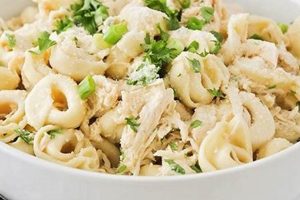
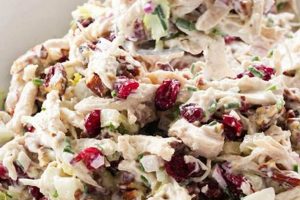
Combining convenience with culinary creativity, mixtures of pre-cooked, canned chicken, mayonnaise, and various supplementary ingredients offer a quick and versatile meal option ideal for sandwiches. These mixtures typically include seasonings and textural elements like celery, onions, or grapes. A classic example consists of canned chicken, mayonnaise, chopped celery, diced onion, salt, and pepper, served on bread or crackers.
Such preparations offer a significant advantage in terms of speed and ease of preparation, particularly beneficial for busy individuals or those with limited cooking resources. Historically, canned foods, including chicken, gained popularity due to their extended shelf life and simplified meal preparation. This practicality contributes to the enduring appeal of these convenient protein sources in contemporary cuisine, offering a budget-friendly and accessible route to nutritious meals. Furthermore, their adaptability allows for a wide range of flavor profiles, from classic comfort food to more adventurous culinary explorations.
The following sections will explore variations on this theme, including specific recipes, tips for ingredient selection, and suggestions for elevating these simple mixtures into truly satisfying and flavorful sandwich fillings.
Tips for Elevating Canned Chicken Salad Sandwiches
Optimizing flavor and texture requires attention to several key preparation details. The following tips offer guidance for creating superior chicken salad sandwiches using canned chicken.
Tip 1: Drain the chicken thoroughly. Excess liquid can dilute the flavor and create a watery consistency. Pressing the chicken gently with a paper towel removes excess moisture.
Tip 2: Select high-quality mayonnaise. Mayonnaise forms the base of the salad; opting for a richer, flavorful variety significantly impacts the overall taste.
Tip 3: Incorporate textural variety. Finely diced celery and onions offer a classic crunch. Consider adding chopped grapes, apples, or walnuts for contrasting textures and flavors.
Tip 4: Season thoughtfully. Freshly ground black pepper, a pinch of salt, and a dash of paprika enhance the chicken’s flavor. Experiment with herbs like dill, chives, or tarragon.
Tip 5: Don’t overmix. Overmixing can result in a mushy texture. Gently combine the ingredients until just incorporated.
Tip 6: Chill before serving. Chilling allows the flavors to meld and enhances the salad’s overall freshness.
Tip 7: Choose the right bread. A sturdy bread like sourdough, whole wheat, or a croissant holds up well to the filling. Consider toasting the bread lightly for added texture.
By following these guidelines, one can transform simple canned chicken into a flavorful and satisfying sandwich filling. Attention to detail in ingredient selection, preparation, and presentation elevates this convenient staple into a truly enjoyable culinary experience.
These tips provide a foundation for crafting delicious canned chicken salad sandwiches. Experimentation with different flavor combinations and ingredients is encouraged to discover personalized preferences.
1. Ingredient Selection

Ingredient selection significantly impacts the final quality and flavor profile of canned chicken salad sandwiches. Careful consideration of each component contributes to a more satisfying culinary experience. From the primary protein source to supporting elements, thoughtful choices elevate this simple dish.
- Chicken Quality
While convenience dictates the use of canned chicken, variations in quality exist among brands. Opting for higher-quality canned chicken, often packed in water rather than oil, results in a cleaner flavor profile, allowing other ingredients to shine. Chunk chicken breast offers a more substantial texture compared to shredded options. Draining the chicken thoroughly removes excess liquid, preventing a watery salad.
- Mayonnaise Selection
Mayonnaise serves as the foundation of the salad’s texture and flavor. Choosing a high-quality mayonnaise contributes richness and depth. Options such as olive oil-based mayonnaise or those with added flavors like lemon or herbs can complement the chicken and other ingredients. The amount of mayonnaise also influences the final consistency, offering flexibility in creating a creamier or chunkier salad.
- Complementary Ingredients
Beyond the core components of chicken and mayonnaise, a range of ingredients enhances the salad’s flavor and texture. Classic additions include finely diced celery and onion for a crisp, refreshing contrast. Chopped grapes, dried cranberries, or apples introduce sweetness and textural variation. Nuts like walnuts or pecans provide a satisfying crunch and depth of flavor. Herbs, such as dill, chives, or parsley, add freshness and complexity.
- Seasoning
Proper seasoning elevates the overall flavor profile. Freshly ground black pepper and salt are essential. A dash of paprika adds warmth and depth. Consider incorporating garlic powder, onion powder, or celery seed for enhanced savory notes. A touch of lemon juice or vinegar can brighten the flavors and provide a balanced acidity. Experimentation with different spice blends or curry powder can introduce unique and flavorful dimensions.
The interplay of these thoughtfully selected ingredients determines the ultimate success of canned chicken salad sandwiches. Balancing the flavors and textures of each component creates a cohesive and enjoyable culinary experience, transforming a simple, convenient meal into something truly satisfying.
2. Texture

Texture plays a crucial role in the overall enjoyment of canned chicken salad sandwiches. A balance of textures creates a more dynamic and satisfying sensory experience. The inherent softness of canned chicken necessitates the incorporation of ingredients that provide contrasting textural elements. This interplay of textures prevents the sandwich filling from becoming monotonous and enhances its appeal.
Consider the contrast between the smooth, creamy base provided by the mayonnaise and the crisp, crunchy additions of finely diced celery and onion. This juxtaposition of soft and crisp textures creates a delightful interplay in each bite. Further textural complexity can be achieved through the inclusion of chopped nuts, such as walnuts or pecans, which offer a satisfyingly firm bite. The addition of grapes or dried cranberries introduces a burst of juicy sweetness alongside a slightly chewy texture. Even the choice of bread contributes to the overall textural experience. A crusty sourdough or a flaky croissant offers a different textural dimension compared to a soft white bread.
Achieving textural balance requires careful consideration of ingredient proportions and preparation techniques. Over-chopping vegetables can lead to a loss of desirable crispness. Similarly, overmixing the salad can result in a mushy consistency, diminishing the impact of textural contrasts. The goal is to create a harmonious blend of textures that complement and enhance the flavors of the chicken salad. Understanding the importance of textural variety allows for a more intentional and satisfying culinary outcome, elevating a simple canned chicken salad sandwich to a more complex and enjoyable meal.
3. Flavor Balance

Flavor balance represents a critical aspect of palatable canned chicken salad sandwiches. A harmonious blend of flavors elevates this convenient meal beyond simple sustenance, creating a more enjoyable and satisfying culinary experience. Achieving this balance involves a careful interplay of savory, sweet, acidic, and salty notes, transforming basic ingredients into a cohesive and flavorful whole.
- Savory Foundation
The inherent savory character of chicken forms the foundation of the flavor profile. This savory base provides a canvas upon which other flavors can be layered and balanced. Enhancing this base with ingredients like onion powder, garlic powder, or a touch of smoked paprika adds depth and complexity, ensuring the chicken’s flavor remains prominent without becoming bland.
- Acidity as a Brightener
Acidity plays a vital role in balancing the richness of the mayonnaise and the savory notes of the chicken. A squeeze of lemon juice or a splash of apple cider vinegar introduces a brightness that cuts through the richness, preventing the salad from becoming overly heavy or cloying. This acidic element also contributes to a more refreshing overall flavor profile.
- Sweetness as a Complement
Incorporating a touch of sweetness complements the savory and acidic elements, adding depth and complexity. Finely diced apples, grapes, or dried cranberries provide a subtle sweetness that balances the other flavors. This touch of sweetness should be judicious, enhancing rather than dominating the overall flavor profile.
- Salt and Spice as Enhancers
Salt and spices are essential for enhancing the overall flavor profile. Salt acts as a flavor enhancer, accentuating the existing flavors without making the salad overtly salty. Freshly ground black pepper adds a subtle heat and complexity. A pinch of paprika or a dash of cayenne pepper can introduce a more pronounced spiciness, catering to individual preferences. The careful application of these elements elevates the flavor profile, preventing blandness while avoiding overpowering any single component.
Successfully balancing these flavor components transforms a simple canned chicken salad sandwich into a more nuanced and enjoyable culinary creation. The interplay of these flavors creates a symphony of taste, ensuring each bite is a harmonious blend of savory, sweet, acidic, and spicy notes, making for a truly satisfying experience.
4. Preparation Methods
Preparation methods significantly influence the final quality and enjoyment of canned chicken salad sandwiches. While the inherent simplicity of this dish suggests minimal preparation, attention to detail elevates the final product from merely adequate to truly exceptional. Careful consideration of each step, from ingredient handling to assembly techniques, ensures optimal flavor, texture, and overall appeal.
- Ingredient Handling
Proper ingredient handling is paramount. Thoroughly draining the canned chicken removes excess liquid, preventing a watery salad. Dicing vegetables uniformly ensures even distribution of flavor and texture throughout the mixture. Gentle handling of ingredients, especially during the mixing process, maintains the desired textures and prevents the salad from becoming overly mushy.
- Mixing Techniques
Employing appropriate mixing techniques ensures even distribution of ingredients and prevents overmixing. Gently folding the ingredients together, rather than vigorous stirring, maintains the integrity of the individual components while ensuring a cohesive mixture. Overmixing can result in a mushy texture, diminishing the overall appeal of the sandwich filling.
- Chilling and Resting
Chilling the prepared chicken salad allows the flavors to meld and develop fully. This resting period enhances the overall flavor profile, allowing the individual ingredients to harmonize and create a more complex and nuanced taste experience. Chilling also firms the salad, making it easier to spread on bread and improving the structural integrity of the sandwich.
- Assembly and Presentation
Thoughtful assembly and presentation elevate the perceived quality of the final product. Evenly spreading the chicken salad on the chosen bread ensures consistent flavor and texture in each bite. Adding complementary elements like lettuce, tomato, or other garnishes enhances the visual appeal and provides additional textural and flavor dimensions. Proper slicing and plating contribute to an aesthetically pleasing presentation, transforming a simple sandwich into a more visually appealing meal.
Careful execution of these preparation methods ensures a superior canned chicken salad sandwich experience. Attention to detail in each step, from ingredient handling to final presentation, optimizes flavor, texture, and overall appeal. These seemingly minor steps contribute significantly to transforming simple, readily available ingredients into a truly enjoyable culinary creation.
5. Bread Choices

Bread selection significantly impacts the overall canned chicken salad sandwich experience. The bread acts as both a structural foundation and a flavor component, influencing the final product’s taste, texture, and overall enjoyment. Choosing the appropriate bread complements the chicken salad filling and enhances its inherent qualities, transforming a simple sandwich into a more considered culinary creation.
- Structural Integrity
The bread’s structural integrity determines its ability to hold the chicken salad filling without becoming soggy or falling apart. Heartier breads, such as sourdough, whole wheat, or rye, offer a robust structure that can withstand the moisture content of the salad. These denser breads provide a stable base, ensuring a satisfying and manageable eating experience.
- Flavor Compatibility
The bread’s flavor profile should complement, not overpower, the chicken salad. A mildly flavored bread, like classic white bread, allows the flavors of the chicken salad to shine through. Alternatively, a more robust bread, such as a multigrain or pumpernickel, can add a complementary dimension to the overall flavor profile. The key is to select a bread whose flavor harmonizes with the chicken salad rather than competing with it.
- Textural Contrast
The bread’s texture contributes to the overall sensory experience. A crusty bread, like a baguette or ciabatta roll, provides a satisfying textural contrast to the creamy chicken salad. Softer breads, like brioche or challah, offer a more delicate textural experience. The choice depends on personal preference and the desired textural interplay between the bread and the filling.
- Visual Appeal
The bread’s appearance also plays a role in the overall presentation of the sandwich. Different shapes and sizes of bread offer varying visual appeal. A classic sliced loaf offers a traditional presentation, while rolls, croissants, or wraps provide a more contemporary aesthetic. The visual appeal of the bread contributes to the overall enjoyment of the meal, enhancing its perceived quality.
Careful consideration of these factors ensures a harmonious marriage between the bread and the chicken salad filling. Selecting the appropriate bread elevates the canned chicken salad sandwich from a simple meal to a more satisfying and enjoyable culinary experience. The chosen bread should complement the chicken salad in terms of flavor, texture, and structural integrity, creating a well-balanced and appealing final product.
6. Presentation
Presentation significantly influences the perceived quality and enjoyment of canned chicken salad sandwiches. While often overlooked in the context of simple meals, presentation elevates this dish beyond mere sustenance, transforming it into a more appealing and satisfying culinary experience. The visual aspect of food impacts appetite and enjoyment; a well-presented sandwich appears more appetizing and, consequently, more enjoyable.
Consider the impact of serving a simple chicken salad sandwich on plain white bread versus presenting the same filling on a toasted croissant with a garnish of fresh lettuce and a sprinkle of paprika. The latter presentation immediately elevates the perceived quality and entices the palate. Arranging the sandwich attractively on a plate, accompanied by a small side salad or a few crisp potato chips, further enhances the visual appeal and transforms a humble sandwich into a more complete and satisfying meal. Practical applications of this understanding include catering events, where presentation plays a crucial role in guest satisfaction, and home meals, where a little effort transforms a quick lunch into a more enjoyable experience.
Presentation encompasses more than just the arrangement of the sandwich itself. The choice of servingware, garnishes, and accompanying sides all contribute to the overall presentation. Using attractive plates and napkins enhances the dining experience. Garnishes, such as a sprig of parsley, a sprinkle of microgreens, or a few edible flowers, add visual interest and freshness. Thoughtful presentation demonstrates care and attention to detail, elevating the perceived value of even the simplest of meals. This principle extends to packed lunches, where arranging the sandwich attractively in a reusable container with colorful fruits and vegetables enhances the overall appeal and encourages healthier eating habits. Ultimately, recognizing the importance of presentation elevates the canned chicken salad sandwich from a basic meal to a more aesthetically pleasing and enjoyable culinary experience.
7. Storage
Proper storage is crucial for maintaining the safety and quality of canned chicken salad sandwiches. While canned chicken offers a convenient and shelf-stable protein source, once combined with other ingredients, the mixture becomes susceptible to bacterial growth and spoilage. Understanding appropriate storage techniques preserves the flavor, texture, and, most importantly, the safety of the sandwich filling.
Refrigeration at or below 40F (4C) is essential for inhibiting bacterial growth. Storing the prepared chicken salad in an airtight container minimizes exposure to air and further reduces the risk of spoilage. Proper storage extends the shelf life of the chicken salad, allowing for meal prepping and reducing food waste. For example, preparing a batch of chicken salad on Sunday for weekday lunches requires proper storage to ensure its safety and palatability throughout the week. Failing to adhere to appropriate storage guidelines can lead to foodborne illnesses and diminished quality, rendering the convenience of canned chicken moot.
The practical significance of proper storage becomes particularly relevant in contexts such as picnics, potlucks, or catered events where food may be left at room temperature for extended periods. In these situations, maintaining food safety requires extra vigilance. Utilizing insulated containers with ice packs helps maintain a safe temperature, preventing bacterial proliferation. Furthermore, minimizing the time the chicken salad spends outside of refrigeration is crucial. Adhering to these storage best practices safeguards against potential health risks and ensures the continued enjoyment of canned chicken salad sandwiches.
Frequently Asked Questions
This section addresses common inquiries regarding the preparation and consumption of canned chicken salad sandwiches, providing concise and informative responses to clarify potential uncertainties.
Question 1: How long can canned chicken salad be stored safely in the refrigerator?
Prepared canned chicken salad should be stored in an airtight container in the refrigerator at or below 40F (4C) for no more than 3-5 days.
Question 2: Can canned chicken salad be frozen?
Freezing is not generally recommended, as it can negatively affect the texture and consistency of the mayonnaise, leading to a watery consistency upon thawing.
Question 3: What are some healthy alternatives to mayonnaise in canned chicken salad?
Plain Greek yogurt or avocado can be substituted for mayonnaise, offering a healthier alternative with different flavor profiles and textures.
Question 4: How can one prevent canned chicken salad from becoming too watery?
Thoroughly draining the canned chicken before incorporating it into the salad is essential for preventing excess moisture. Additionally, using less mayonnaise contributes to a firmer consistency.
Question 5: Are there any safety concerns regarding the consumption of canned chicken?
Canned chicken is generally safe to consume provided it is within its expiration date and the can is not damaged or dented. Always follow proper storage guidelines after opening.
Question 6: Can other ingredients be added to canned chicken salad besides the traditional celery and onion?
Numerous ingredients complement canned chicken salad. Consider incorporating grapes, apples, dried cranberries, nuts, or various herbs for enhanced flavor and texture.
Addressing these common concerns provides a foundation for safe and enjoyable canned chicken salad preparation and consumption. Careful attention to ingredient selection, preparation methods, and storage guidelines ensures optimal quality and flavor.
This concludes the frequently asked questions section. The subsequent section will offer a collection of recipe variations to inspire culinary creativity.
Conclusion
Exploration of canned chicken salad for sandwiches reveals a multifaceted culinary subject. Emphasis on ingredient selection, textural balance, flavor profiles, preparation techniques, bread choices, presentation, and storage underscores the potential for elevating this convenient staple beyond basic sustenance. Careful consideration of each element contributes to a more nuanced and satisfying culinary experience, demonstrating that even simple dishes benefit from thoughtful preparation.
Culinary exploration extends beyond mere sustenance; it encompasses creativity, resourcefulness, and an appreciation for the transformative potential of readily available ingredients. Canned chicken salad, often perceived as a humble dish, exemplifies this principle. Through thoughtful preparation and attention to detail, this convenient staple can become a source of culinary satisfaction and an expression of individual creativity. Further exploration of flavor combinations and ingredient variations offers a continuing opportunity for culinary discovery.