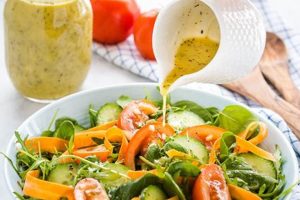
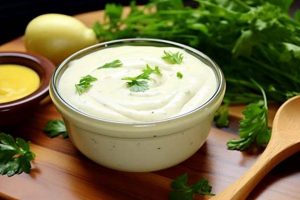
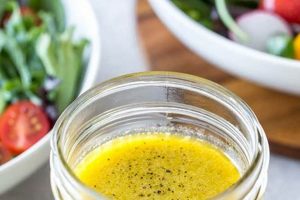
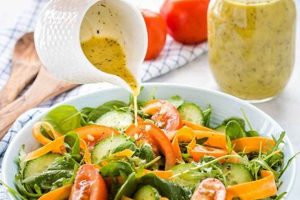
Creamy, vibrant dressings made with avocado as a primary ingredient offer a healthy and flavorful alternative to traditional options. These preparations typically involve blending or mashing ripe avocado with complementary ingredients like citrus juice, herbs, spices, and other vegetables to achieve the desired consistency and taste. For example, a simple version might combine avocado, lime juice, cilantro, and a touch of jalapeo.
Such dressings provide a substantial dose of healthy fats, fiber, and vitamins, contributing nutritional value beyond mere flavor enhancement. The use of avocado in culinary applications, including as a base for sauces and dressings, has a rich history in Central and South America, its place of origin. This practice has gained global popularity in recent times due to increased awareness of the fruit’s nutritional benefits and culinary versatility. The creamy texture adds richness to salads, while the subtle flavor profile pairs well with a wide range of ingredients.
Further exploration of this topic will cover variations in preparation methods, ingredient combinations suited to different cuisines and dietary preferences, and tips for achieving optimal flavor and texture. The discussion will also touch upon the nutritional aspects and potential health benefits of incorporating these dressings into one’s diet.
Tips for Crafting Exceptional Avocado-Based Dressings
Creating a successful avocado-based dressing involves attention to detail and an understanding of the fruit’s properties. The following tips offer guidance for optimal results.
Tip 1: Ripe Avocados are Key: Select avocados that yield to gentle pressure but are not overly soft. Overripe avocados can result in a bitter flavor and undesirable texture.
Tip 2: Balancing Flavors: Acidity is crucial to cut through the richness of the avocado. Citrus juices, such as lime or lemon, are commonly used. Vinegars, like apple cider or white wine vinegar, offer alternative flavor profiles.
Tip 3: Texture Control: Blending produces a smooth, creamy dressing, while mashing creates a chunkier texture. The desired consistency dictates the preparation method.
Tip 4: Herb and Spice Integration: Fresh herbs, like cilantro, parsley, or dill, add brightness and complexity. Spices, such as cumin, chili powder, or garlic powder, contribute depth of flavor.
Tip 5: Storage Considerations: Due to its susceptibility to oxidation, avocado-based dressing should be stored in an airtight container in the refrigerator. Placing plastic wrap directly on the surface can minimize browning.
Tip 6: Enhancing Flavor Complexity: Roasted garlic, toasted nuts, or crumbled cheese can be incorporated to add layers of flavor and texture.
Tip 7: Adjusting Consistency: Water, additional oil, or a touch of yogurt or sour cream can be used to thin or thicken the dressing as needed.
By following these guidelines, one can consistently produce flavorful and visually appealing dressings that elevate any salad. These tips offer a foundation for experimentation and customization based on individual preferences and dietary needs.
These insights provide a solid foundation for creating a diverse range of dressings, paving the way for a comprehensive understanding of their culinary potential.
1. Ripe Avocados

Ripe avocados are fundamental to successful avocado salad dressing recipes. The ripeness of the fruit directly impacts the flavor, texture, and overall quality of the dressing. Selecting and handling avocados correctly is crucial for achieving the desired outcome.
- Flavor Profile
Ripe avocados possess a rich, buttery flavor that forms the foundation of the dressing. Underripe avocados lack this characteristic richness and can impart a slightly bitter taste. Overripe fruit, while flavorful, can develop off-flavors and compromise the dressing’s texture, leading to a less appealing result.
- Texture and Creaminess
The creamy texture of a ripe avocado is essential for emulsification and creating a smooth, desirable dressing. Underripe avocados are difficult to blend or mash smoothly, resulting in a lumpy consistency. Overripe avocados, conversely, can become watery and less suitable for achieving the desired emulsion.
- Nutritional Value
While the nutritional content of avocados doesn’t change drastically with ripeness, optimal ripeness ensures the best flavor and texture, making the dressing more palatable and enjoyable. This encourages consumption and maximizes the intake of the fruit’s beneficial nutrients, including healthy fats, fiber, and vitamins.
- Ease of Preparation
Ripe avocados are easy to peel, pit, and process for dressings. Their soft flesh blends or mashes effortlessly, simplifying the preparation process. Underripe avocados require more effort to prepare, and overripe fruit can be messy to handle due to its excessive softness.
The ripeness of avocados plays a critical role in the overall success of avocado salad dressing recipes. Selecting perfectly ripe avocados ensures optimal flavor, texture, and ease of preparation, contributing to a high-quality and enjoyable culinary experience. Careful attention to this factor elevates the dressing from simple to exceptional.
2. Acidity (lime/lemon)
Acidity plays a crucial role in avocado salad dressing recipes, extending beyond mere flavor enhancement. Citrus juices, primarily lime or lemon, provide the necessary acidity to balance the richness of the avocado and create a harmonious flavor profile. This acidic component also serves several functional purposes vital to the dressing’s overall quality and stability.
The chemical reaction between the acid and the avocado’s enzymes inhibits enzymatic browning, preserving the vibrant green color and preventing the development of undesirable flavors. This preservation effect extends the dressing’s shelf life, maintaining its visual appeal and taste. Furthermore, the addition of acid contributes to the emulsification process, helping to bind the oil and water-based ingredients together, creating a stable and homogenous dressing that does not separate. A practical example is observed when preparing a simple avocado dressing: without sufficient lime or lemon juice, the mixture may appear dull and separate quickly, impacting both its aesthetic and textural qualities. Conversely, the correct balance of acidity results in a vibrant green, creamy, and stable emulsion.
Understanding the multifaceted role of acidity in avocado salad dressing recipes is essential for achieving optimal results. It not only contributes to the desired flavor profile but also ensures the dressing’s stability, color retention, and overall quality. This knowledge empowers culinary exploration and allows for informed adjustments based on specific ingredient combinations and desired outcomes. The careful balance of acidity represents a key factor in transforming simple ingredients into a sophisticated and flavorful culinary creation.
3. Flavor Pairings

Flavor pairings are essential to crafting exceptional avocado salad dressing recipes. The inherent mildness of avocado provides a versatile canvas for a wide range of complementary flavors. Thoughtful consideration of these pairings elevates the dressing beyond a simple condiment, transforming it into a complex and nuanced culinary element. The interplay of flavors creates a synergistic effect, where the combined taste is greater than the sum of its parts. For instance, the bright, herbaceous notes of cilantro enhance the creaminess of avocado, while a touch of lime juice provides a contrasting acidity that balances the richness. Alternatively, a combination of cumin, chili powder, and garlic creates a smoky, savory profile that complements the avocado’s smooth texture.
Understanding the principles of flavor pairing allows for informed decisions regarding ingredient selection and proportion. The goal is to create a balanced and harmonious flavor profile that complements the other components of the salad. Specific flavor pairings can also evoke regional culinary traditions. A Mediterranean-inspired dressing might incorporate oregano, feta cheese, and lemon, while a Southwestern variation could feature cumin, chili, and cilantro. These regional influences add depth and complexity to the dressing, reflecting diverse culinary heritages. Furthermore, considering the inherent flavors of the salad ingredients is crucial. A delicate salad with fresh greens and light vegetables might benefit from a brighter, more herbaceous dressing, while a heartier salad with roasted vegetables or grilled protein could support a more robust and savory flavor profile.
Successful flavor pairing in avocado salad dressing recipes hinges on a balance of complementary and contrasting tastes. This understanding empowers culinary creativity and allows for the development of unique and flavorful dressings tailored to specific preferences and dietary needs. The strategic combination of ingredients not only enhances the taste of the salad but also contributes to a more satisfying and enjoyable dining experience. Mastering this aspect of culinary art elevates the simple act of dressing a salad to an exploration of flavor and texture.
4. Texture Variations
Texture variations in avocado salad dressing recipes offer a significant dimension to culinary exploration. The texture of the dressing not only contributes to the overall sensory experience but also influences how it interacts with the other salad components. Understanding the factors affecting texture and the methods for achieving specific consistencies allows for greater control and creativity in recipe development.
- Blending Techniques
Blending creates a smooth, homogenous emulsion, ideal for dressings intended to coat salad ingredients evenly. High-speed blenders produce the smoothest results, breaking down avocado fibers completely. This method is particularly suitable for dressings with a thinner consistency, often achieved by adding more liquid ingredients. A smooth, blended dressing clings delicately to greens, ensuring even flavor distribution.
- Mashing Techniques
Mashing, typically with a fork, yields a chunkier texture with discernible pieces of avocado. This method offers a more rustic appeal and provides textural contrast within the salad. The degree of mashing dictates the final consistency, ranging from coarsely mashed with larger avocado pieces to finely mashed with a smoother texture. This method is well-suited for dressings intended for heartier salads, where the chunkier texture complements robust ingredients.
- Ingredient Incorporation
The addition of certain ingredients influences the final texture of the dressing. Incorporating diced ingredients, such as onions, tomatoes, or jalapeos, introduces textural variety. Alternatively, adding ingredients like Greek yogurt or sour cream contributes to a thicker, creamier consistency. These additions create layers of texture within the dressing itself, enhancing the overall sensory experience of the salad.
- Temperature Considerations
Temperature affects the viscosity and perceived texture of the dressing. Cold temperatures firm up the avocado, resulting in a thicker consistency. Room temperature allows the dressing to flow more freely, resulting in a thinner texture. Controlling the temperature of the ingredients and the finished dressing provides an additional layer of control over the final product. This allows for adjustments based on the specific salad ingredients and desired serving temperature.
The interplay of blending, mashing, ingredient incorporation, and temperature control offers a broad spectrum of textural possibilities in avocado salad dressing recipes. Consideration of these factors allows for precision and creativity in recipe development, ensuring a dressing that not only complements the flavors of the salad but also enhances its textural appeal. The choice of texture becomes an integral part of the culinary narrative, contributing to a more nuanced and satisfying dining experience.
5. Fresh Herbs/Spices

Fresh herbs and spices play a pivotal role in elevating avocado salad dressing recipes from simple to exceptional. Their aromatic and flavorful contributions add depth, complexity, and vibrancy, transforming the dressing into a key component of the culinary experience. Strategic selection and application of these ingredients enhance the inherent creaminess of avocado, creating a harmonious balance of flavors and aromas.
- Flavor Enhancement
Fresh herbs and spices contribute a wide spectrum of flavors that complement the mildness of avocado. Cilantro provides a bright, citrusy note, while dill offers a subtly sweet, anise-like flavor. Parsley contributes a fresh, grassy element, and mint adds a cool, invigorating touch. Spices like cumin, chili powder, and paprika introduce warm, earthy, and sometimes spicy notes, further enhancing the flavor profile. The choice of herbs and spices depends on the desired overall flavor profile of the dressing and its intended pairing with the salad ingredients.
- Aromatic Complexity
The volatile compounds in fresh herbs and spices release aromatic nuances that contribute to the overall sensory experience. The fragrant oils in cilantro, for instance, create a vibrant aroma that complements the creamy avocado. Similarly, the warm, earthy scent of cumin adds a layer of complexity to the dressing’s aroma profile. These aromatic components enhance the dining experience, engaging multiple senses and creating a more immersive culinary experience.
- Visual Appeal
Fresh herbs and spices contribute visual interest to avocado salad dressings. The vibrant green of chopped cilantro or parsley adds a pop of color against the backdrop of the creamy avocado. Speckled spices like paprika or chili flakes create visual texture and depth. These visual elements enhance the presentation of the dressing, making it more appealing and appetizing.
- Nutritional Benefits
Many fresh herbs and spices offer potential health benefits. Cilantro, for instance, is a good source of antioxidants and vitamins. Certain spices, like cumin and turmeric, are known for their anti-inflammatory properties. Incorporating these ingredients into avocado salad dressing not only enhances flavor and aroma but also adds nutritional value to the dish. This contributes to a more wholesome and health-conscious culinary approach.
The incorporation of fresh herbs and spices represents a crucial step in crafting exceptional avocado salad dressing recipes. Their contributions extend beyond mere flavor enhancement, encompassing aromatic complexity, visual appeal, and potential health benefits. Careful selection and application of these ingredients elevate the dressing to a culinary centerpiece, transforming the simple act of adding dressing into an exploration of flavor, aroma, and texture.
6. Storage Techniques
Proper storage techniques are essential for maintaining the quality, flavor, and appearance of avocado salad dressings. Avocado’s susceptibility to oxidation necessitates specific measures to prevent browning and preserve freshness. Effective storage ensures the dressing remains appealing and palatable, maximizing its shelf life and minimizing waste.
- Air Exposure Minimization
Limiting air exposure is crucial for preventing enzymatic browning, a chemical reaction that causes avocado to turn brown upon contact with oxygen. Storing the dressing in airtight containers, such as tightly sealed jars or containers with secure lids, minimizes oxidation. This practice preserves the vibrant green color and prevents the development of off-flavors associated with oxidation. An additional step involves pressing a layer of plastic wrap directly onto the surface of the dressing before sealing the container. This further reduces air contact, providing an extra layer of protection against browning.
- Temperature Control
Refrigeration plays a vital role in preserving avocado-based dressings. Low temperatures slow down enzymatic activity, inhibiting browning and microbial growth. Storing the dressing in the refrigerator, ideally at a temperature between 34F and 40F (1C and 4C), maximizes its shelf life. Avoid storing the dressing in areas of the refrigerator prone to temperature fluctuations, such as the door, to maintain consistent temperature control and prevent premature spoilage.
- Acidity Utilization
The addition of acidic ingredients, such as lime or lemon juice, helps to preserve the dressing’s color and freshness. The acidic environment inhibits enzymatic browning, extending the shelf life. Furthermore, the acid contributes to a balanced flavor profile, enhancing the overall palatability of the stored dressing. Recipes often specify the amount of acid required for both flavor and preservation purposes. Adhering to these recommendations ensures optimal results.
- Freezing Considerations
While refrigeration remains the preferred storage method, freezing avocado-based dressings is possible for longer-term preservation. However, freezing can alter the texture of the dressing, potentially leading to a slightly watery consistency upon thawing. To minimize textural changes, ensure the dressing is stored in airtight, freezer-safe containers, leaving a small amount of headspace to allow for expansion during freezing. Freezing is a viable option for extending shelf life, though it is important to acknowledge and anticipate potential textural variations upon thawing.
Implementing these storage techniques preserves the quality, flavor, and visual appeal of avocado salad dressings. Careful attention to air exposure, temperature control, acidity levels, and freezing considerations ensures the dressing remains a desirable culinary element, maximizing its shelf life and minimizing waste. These practices contribute to a more enjoyable and sustainable culinary experience.
7. Dietary Adaptations
Dietary adaptations play a significant role in the versatility of avocado salad dressing recipes. Adapting recipes to specific dietary needs expands accessibility and inclusivity, ensuring individuals with various dietary restrictions can enjoy flavorful and nutritious options. Understanding these adaptations allows for customization without compromising flavor or texture.
- Vegan Adaptations
Vegan diets exclude all animal products, including dairy and eggs. Traditional avocado salad dressing recipes sometimes incorporate ingredients like sour cream or yogurt for added creaminess. Vegan adaptations substitute these with plant-based alternatives, such as cashew cream, silken tofu, or coconut yogurt. These substitutes provide similar texture and mouthfeel while adhering to vegan principles. Careful selection of plant-based alternatives ensures the dressing maintains its desired consistency and flavor profile.
- Gluten-Free Adaptations
Gluten, a protein found in wheat, barley, and rye, must be avoided in gluten-free diets. While avocado salad dressings are typically gluten-free, cross-contamination can occur during preparation or through the use of certain ingredients. Ensuring all ingredients, including spices and condiments, are certified gluten-free is essential for those with celiac disease or gluten sensitivity. Careful attention to ingredient selection and preparation practices guarantees a safe and enjoyable culinary experience for those following gluten-free diets.
- Low-Fat Adaptations
Individuals following low-fat diets may seek to reduce the overall fat content of their meals. While avocados contain healthy fats, portion control and ingredient substitutions can create lower-fat versions of avocado salad dressings. Reducing the amount of avocado and incorporating more water-based ingredients, such as vegetable broth or lemon juice, lowers the overall fat content while maintaining flavor and texture. These adaptations allow individuals to enjoy the benefits of avocado while adhering to their dietary restrictions.
- Paleo Adaptations
Paleo diets emphasize whole, unprocessed foods and typically exclude legumes, grains, and dairy. Adapting avocado salad dressing recipes to fit paleo guidelines involves careful ingredient selection. Substituting honey or maple syrup for refined sugars and using compliant oils ensures the dressing aligns with paleo principles. These modifications maintain flavor and functionality while adhering to the dietary restrictions of the paleo diet.
Dietary adaptations demonstrate the inherent versatility of avocado salad dressing recipes. By understanding the principles of various dietary restrictions and employing appropriate substitutions, these dressings can be enjoyed by a wider audience. Careful consideration of ingredient selection and preparation methods ensures that adapted recipes remain flavorful, nutritious, and accessible to individuals with diverse dietary needs.
Frequently Asked Questions
This section addresses common inquiries regarding avocado-based dressings, providing clear and concise information to facilitate culinary success.
Question 1: How can browning be prevented after preparing an avocado-based dressing?
Minimizing air exposure is key. Storing the dressing in an airtight container and pressing plastic wrap directly onto the surface before sealing helps prevent oxidation. Adding acid, such as lime or lemon juice, also inhibits browning.
Question 2: What are suitable substitutes for lime or lemon juice in avocado dressings?
While citrus juices offer the best flavor profile and preservation qualities, white wine vinegar or apple cider vinegar can be used as substitutes. Adjusting the quantity may be necessary to achieve the desired balance of acidity.
Question 3: Can avocado salad dressings be frozen?
Freezing is possible, but it may alter the texture, potentially resulting in a slightly watery consistency upon thawing. For optimal results, store in airtight, freezer-safe containers, leaving headspace for expansion.
Question 4: How long can avocado salad dressing be stored in the refrigerator?
Properly stored, avocado dressing typically lasts for 2-3 days in the refrigerator. Signs of spoilage include discoloration, off-odors, or mold growth. Discard the dressing if any of these signs are present.
Question 5: What are some effective ways to incorporate avocado dressing into meals beyond salads?
Avocado dressings can be used as a dip for vegetables or chips, a spread for sandwiches or wraps, or a sauce for grilled meats or fish. Its versatility extends beyond salads, offering a flavorful and healthy addition to various dishes.
Question 6: How can the consistency of an avocado dressing be adjusted if it is too thick or too thin?
To thin a thick dressing, add water, additional oil, or a touch of citrus juice, one teaspoon at a time, until the desired consistency is reached. To thicken a thin dressing, incorporate more avocado or a small amount of Greek yogurt, blending until smooth.
Understanding these key aspects ensures successful preparation and storage of avocado-based dressings, maximizing flavor and enjoyment while minimizing potential issues.
This information provides a comprehensive foundation for incorporating avocado-based dressings into a diverse range of culinary creations.
Avocado Salad Dressing Recipes
Exploration of avocado salad dressing recipes reveals a versatile culinary landscape. From the selection of ripe avocados and the balancing role of acidity to the nuanced interplay of flavors through herbs and spices, crafting these dressings offers a dynamic interplay of taste and texture. Proper storage techniques ensure preservation of these creations, while dietary adaptations expand accessibility and inclusivity. Understanding these facets empowers culinary innovation and allows for the creation of dressings tailored to individual preferences and dietary needs.
Avocado salad dressing recipes represent more than simple condiments; they offer a gateway to culinary creativity and nutritional exploration. The potential for flavor combinations and textural variations is vast, inviting continued experimentation and discovery within the culinary arts. Embracing these possibilities enhances not only individual meals but also the broader appreciation of food as a source of both nourishment and enjoyment.