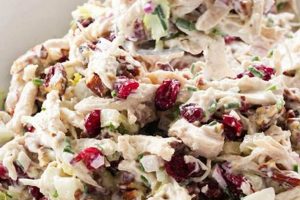
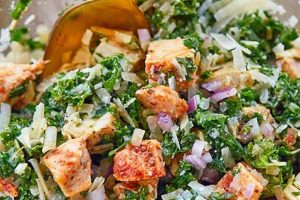
A top-tier, uncomplicated preparation of this dish typically involves cooked chicken, a binding agent (often mayonnaise), and select seasonings. A classic example combines shredded chicken with mayonnaise, celery, onion, salt, and pepper. Variations can include grapes, apples, nuts, or dried cranberries.
A straightforward approach to this culinary staple offers several advantages. It’s quick to prepare, requiring minimal ingredients and culinary expertise. This accessibility makes it a popular choice for lunches, picnics, and quick meals. Furthermore, the simplicity allows for easy customization, accommodating diverse dietary needs and preferences. The enduring popularity of this dish underscores its versatility and timeless appeal.
This exploration will delve further into various aspects of creating an exceptional yet uncomplicated version of this classic dish. Topics covered will include ingredient selection, preparation techniques, and suggested variations for customization.
Tips for an Exceptional Simple Chicken Salad
Achieving a superior result with minimal effort hinges on thoughtful ingredient selection and careful preparation. The following tips offer guidance for creating a truly satisfying dish.
Tip 1: Utilize High-Quality Chicken: The chicken constitutes the foundation of the salad. Roasting or poaching a whole bird or individual breasts yields optimal flavor and texture. Pre-cooked chicken, such as rotisserie chicken, provides a convenient alternative.
Tip 2: Consider the Chicken’s Texture: Shredding the chicken allows the binding agent and seasonings to coat it thoroughly, creating a more cohesive flavor profile. Dicing the chicken offers a chunkier, more substantial texture. The desired texture should inform the cutting method.
Tip 3: Choose the Right Binding Agent: Mayonnaise serves as the classic choice, offering a rich, creamy consistency. Plain Greek yogurt provides a lighter, tangier alternative. A combination of the two can achieve a balanced flavor and texture.
Tip 4: Elevate with Fresh Aromatics: Finely diced celery and onion provide a crisp, refreshing counterpoint to the richness of the chicken and binding agent. Shallots or chives offer a milder, more subtle flavor.
Tip 5: Season Thoughtfully: Salt and freshly ground black pepper are essential. A touch of Dijon mustard or lemon juice can brighten the flavor profile. Herbs such as fresh dill, parsley, or tarragon add complexity.
Tip 6: Add Textural Interest: Incorporating chopped nuts, such as pecans or walnuts, provides a satisfying crunch. Dried cranberries or chopped grapes offer a burst of sweetness and chewiness.
Tip 7: Chill Before Serving: Allowing the salad to chill in the refrigerator for at least 30 minutes allows the flavors to meld and enhances the overall experience.
By following these guidelines, one can elevate a simple chicken salad from ordinary to extraordinary. Careful attention to detail, even in a simple recipe, yields noticeable improvements in taste and texture.
This understanding of preparation techniques and ingredient selection paves the way for a concluding exploration of variations and serving suggestions.
1. High-quality Chicken

The foundation of a truly exceptional simple chicken salad rests upon the quality of its primary ingredient: the chicken. Selecting and preparing chicken with care significantly impacts the overall flavor, texture, and enjoyment of the final dish. Understanding the nuances of high-quality chicken is paramount to achieving a superior culinary result.
- Flavor and Freshness
Chicken that is fresh and properly handled possesses a clean, delicate flavor that enhances the overall taste of the salad. Flavorful chicken requires minimal seasoning, allowing other ingredients to shine. Conversely, chicken nearing its expiration date or improperly stored may impart off-flavors that detract from the final product. Choosing fresh, high-quality chicken ensures a pleasant, unadulterated taste experience.
- Texture and Moisture
High-quality chicken boasts a tender, moist texture that contributes to the salad’s overall appeal. Dry, stringy chicken results in a less palatable salad, regardless of other ingredients. Proper cooking methods, such as poaching or roasting, preserve the chicken’s natural moisture, leading to a more enjoyable textural experience within the salad.
- Sourcing and Preparation
The source of the chicken and its preparation method influence its quality. Free-range or organic chicken often exhibits a richer flavor profile. Roasting a whole chicken or individual breasts allows for greater control over the cooking process and maximizes flavor development. While convenient, pre-cooked options, such as rotisserie chicken, may sometimes compromise on texture and freshness.
- Impact on the Final Dish
The quality of the chicken directly correlates with the overall quality of the salad. High-quality chicken elevates the other ingredients, creating a harmonious blend of flavors and textures. Subpar chicken, on the other hand, can negatively impact the overall taste and enjoyment of the salad, regardless of other efforts. Investing in quality chicken ensures a more satisfying culinary outcome.
In conclusion, selecting high-quality chicken forms the cornerstone of a truly exceptional simple chicken salad. Its influence on flavor, texture, and overall enjoyment cannot be overstated. Prioritizing chicken quality ensures a delightful culinary experience, demonstrating the profound impact of this seemingly simple ingredient.
2. Appropriate Texture

Texture plays a crucial role in the overall enjoyment of a simple chicken salad. The interplay between the chicken, binding agent, and any added ingredients contributes to a satisfying sensory experience. A well-executed simple chicken salad avoids extremes; it is neither overly mushy nor excessively chunky. Balance is key.
Consider the impact of shredded versus diced chicken. Shredded chicken readily absorbs the flavors of the binding agent and seasonings, creating a cohesive flavor profile and a smoother texture. This method suits those who prefer a more uniform consistency. Conversely, diced chicken offers more substantial bites and a heartier texture. This approach provides a textural contrast against the creamy binding agent and adds visual interest. The choice between shredded and diced chicken directly influences the final product’s texture and, consequently, its appeal.
Beyond the chicken itself, the inclusion of ingredients such as celery, grapes, or nuts further influences textural complexity. Crisp celery offers a refreshing contrast to the richness of the chicken and mayonnaise. Sweet grapes provide bursts of juicy texture, while nuts contribute a satisfying crunch. A successful simple chicken salad carefully balances these elements, ensuring each contributes to a harmonious and enjoyable textural profile.
Understanding the interplay of textures within a simple chicken salad allows for intentional choices that cater to individual preferences. Recognizing the impact of shredding versus dicing, and the contribution of additional ingredients, empowers one to create a dish with a truly satisfying textural experience. This attention to detail elevates a simple dish from ordinary to extraordinary, demonstrating the importance of textural consideration in achieving a genuinely superior result.
3. Balanced Flavor Profile
A balanced flavor profile distinguishes a truly exceptional simple chicken salad from a mediocre one. This balance hinges on the harmonious interplay of salty, sweet, acidic, and savory elements. Overemphasis on any single element can detract from the overall enjoyment. A successful recipe carefully calibrates each component to achieve a nuanced and satisfying taste experience. For example, the richness of mayonnaise finds balance in the bright acidity of lemon juice or the subtle sweetness of grapes. The savory depth of roasted chicken complements the crisp, slightly bitter notes of celery. This interplay creates a complex yet accessible flavor profile, characteristic of a superior simple chicken salad.
The importance of a balanced flavor profile lies in its ability to engage the palate fully. A one-dimensional flavor profile quickly becomes monotonous. A well-balanced salad, however, offers a dynamic tasting experience. The subtle interplay of flavors keeps the palate interested, encouraging further consumption. Practical application of this understanding involves mindful ingredient selection and careful seasoning. Consider the individual flavors of each ingredient and how they contribute to the overall balance. A pinch of salt enhances sweetness, while a touch of acid cuts through richness. Thoughtful adjustments throughout the preparation process ensure a harmonious final product.
Achieving a balanced flavor profile requires more than simply combining ingredients. It necessitates an understanding of how different flavors interact and a willingness to adjust seasonings accordingly. This attention to detail elevates the simple chicken salad from basic sustenance to a genuinely enjoyable culinary creation. The resulting complexity and depth of flavor underscore the significance of a balanced flavor profile in a truly exceptional simple chicken salad recipe.
4. Fresh Ingredients
The hallmark of an exceptional simple chicken salad rests, in no small part, on the freshness of its ingredients. Freshness significantly impacts the overall flavor, texture, and aroma, elevating the dish from ordinary to extraordinary. Utilizing fresh ingredients is not merely a suggestion; it is a fundamental principle in achieving optimal results. The following facets explore the multifaceted impact of freshness on this classic dish.
- Enhanced Flavor
Fresh ingredients possess a vibrancy that enhances the overall flavor profile. Freshly roasted chicken offers a depth of flavor unmatched by pre-cooked alternatives. Newly chopped celery and onions provide a crisp, clean taste, while recently harvested herbs impart a bright, aromatic dimension. These elements contribute to a more nuanced and complex flavor profile, distinguishing a truly exceptional simple chicken salad.
- Superior Texture
Freshness directly impacts texture. Freshly cooked chicken exhibits a tender, moist texture, unlike the often dry, stringy consistency of pre-cooked chicken. Crisp, freshly chopped vegetables provide a satisfying crunch, contrasting with the creamy binding agent. This interplay of textures creates a more enjoyable and dynamic sensory experience.
- Invigorating Aroma
The aroma of a dish significantly influences its appeal. Fresh ingredients contribute a vibrant, enticing aroma that heightens anticipation and enhances overall enjoyment. The fragrant notes of fresh herbs, combined with the subtle aromas of freshly cut vegetables and freshly prepared chicken, create an olfactory experience that elevates the dining experience. This aromatic dimension distinguishes a truly exceptional simple chicken salad.
- Maximized Quality
Freshness signifies quality. Using fresh ingredients demonstrates a commitment to using the best possible components. This commitment translates directly to a higher quality final product. Prioritizing fresh ingredients ensures optimal flavor, texture, and aroma, signifying an attention to detail crucial for a truly exceptional simple chicken salad.
In conclusion, the use of fresh ingredients is paramount in crafting a best simple chicken salad recipe. Freshness elevates every aspect of the dish, from its flavor and texture to its aroma and overall quality. This emphasis on freshness underscores the importance of ingredient quality in achieving culinary excellence, even in a seemingly simple preparation.
5. Complementary Seasonings
Seasoning is integral to a best simple chicken salad recipe. The nuanced interplay of spices and herbs elevates the dish beyond basic sustenance, transforming it into a culinary delight. Careful consideration of complementary seasonings unlocks the full potential of this deceptively simple dish. The following facets explore the crucial role seasonings play in creating a truly exceptional chicken salad.
- Balancing Flavors
Complementary seasonings enhance and balance the inherent flavors of the core ingredients. Salt and freshly ground black pepper serve as the foundation, enhancing the chicken’s savory notes and overall taste. A touch of acidity, such as lemon juice or vinegar, brightens the flavor profile, counteracting the richness of the mayonnaise or other binding agents. This interplay of seasonings creates a harmonious flavor profile.
- Adding Depth and Complexity
Beyond basic seasoning, the judicious use of herbs and spices adds depth and complexity. Fresh dill, parsley, or chives impart bright, herbaceous notes. A hint of Dijon mustard adds a subtle tang, while a pinch of paprika introduces a touch of smokiness. These additions create a more nuanced and sophisticated flavor profile, elevating the simple chicken salad beyond the ordinary.
- Highlighting Key Ingredients
Complementary seasonings can highlight the flavors of other ingredients in the salad. For instance, tarragon complements the subtle sweetness of grapes or apples, while curry powder enhances the savory notes of chicken and nuts. This targeted use of seasonings creates a cohesive flavor profile, where each ingredient contributes to the overall harmony of the dish.
- Customization and Personalization
Seasonings provide an avenue for customization, allowing individuals to tailor the flavor profile to their preferences. Those who prefer a spicier salad might incorporate a pinch of cayenne pepper or a dash of hot sauce. Those seeking a more herbaceous flavor profile might opt for a blend of fresh herbs. This flexibility allows for personalization, ensuring the final product caters to individual tastes.
In conclusion, complementary seasonings are essential for crafting a best simple chicken salad recipe. Their role extends beyond mere flavor enhancement; they balance, add depth, highlight other ingredients, and offer opportunities for customization. A thoughtful approach to seasoning elevates this classic dish, demonstrating the profound impact of carefully chosen spices and herbs.
6. Proper Chilling

Proper chilling is a crucial, often overlooked, element in achieving a best simple chicken salad recipe. Chilling is not merely a matter of food safety; it directly impacts the flavor, texture, and overall enjoyment of the dish. The benefits derived from adequate chilling extend beyond mere cooling, influencing the complex interplay of ingredients within the salad. Chilling allows the flavors of the various componentschicken, binding agent, seasonings, and additionsto meld and harmonize. This fusion of flavors creates a more cohesive and nuanced flavor profile, distinguishing an exceptional chicken salad from a hastily assembled one. A freshly made salad, while palatable, often lacks the depth of flavor achieved through proper chilling. Allowing the salad to rest in the refrigerator for at least 30 minutes, preferably longer, allows these subtle transformations to occur, resulting in a more balanced and enjoyable flavor profile.
Beyond flavor development, chilling also positively impacts the texture of the chicken salad. Chilling firms the chicken, preventing it from becoming mushy, and allows the binding agent to set, creating a more desirable consistency. This improved texture contributes to a more satisfying sensory experience. For instance, a chilled salad holds its shape better when served on bread or crackers, avoiding a soggy or unappetizing presentation. This practical advantage underscores the importance of chilling as a key component in achieving a best simple chicken salad recipe. The textural improvement resulting from chilling further enhances the overall enjoyment of the dish, contributing to its appeal as a light yet satisfying meal.
In conclusion, proper chilling is an essential step in creating a truly exceptional simple chicken salad. Its impact on flavor development and textural improvement is significant, contributing to a more refined and enjoyable culinary experience. While often overlooked, this seemingly simple step plays a pivotal role in elevating the dish from ordinary to extraordinary. Understanding the importance of proper chilling provides a practical advantage, allowing one to consistently create a best simple chicken salad recipe, demonstrating a mastery of even the subtlest culinary details.
7. Versatile Serving Options

Versatility in serving options significantly contributes to a recipe’s merit. A best simple chicken salad recipe distinguishes itself through adaptability to various presentations, expanding its utility beyond a single format. This adaptability enhances the recipe’s value, making it suitable for diverse occasions and preferences. Consider the classic presentation on bread: a croissant offers a buttery, flaky counterpoint to the creamy salad, while whole-wheat bread provides a more nutritious option. Beyond sandwiches, crackers offer a lighter alternative, ideal for appetizers or snacks. Serving the salad in lettuce cups caters to low-carbohydrate preferences, showcasing the recipe’s adaptability to dietary restrictions.
The practical implications of versatile serving options extend to various culinary contexts. A simple chicken salad functions effectively as a light lunch, a picnic staple, or a component within a larger meal. Its adaptability allows for seamless integration into diverse menus and occasions. Consider its role in a buffet setting: presented alongside various breads, crackers, and vegetables, it allows guests to customize their experience. This adaptability contributes to the recipe’s overall appeal, making it a practical and versatile choice for both casual and more formal gatherings. Further applications include using the salad as a filling for wraps, a topping for baked potatoes, or an ingredient within a larger salad composition. This adaptability underscores the importance of serving versatility as a key element of a best simple chicken salad recipe.
In conclusion, the versatility of serving options elevates a simple chicken salad recipe from basic to exceptional. Adaptability to diverse formats, from sandwiches and crackers to lettuce cups and beyond, broadens its appeal and utility. This versatility makes the recipe suitable for a wide range of occasions and dietary needs, solidifying its status as a practical and adaptable culinary staple. The understanding of serving versatility, therefore, provides a valuable lens through which to assess and appreciate the true merit of a best simple chicken salad recipe.
Frequently Asked Questions
The following addresses common inquiries regarding optimal preparation of simple chicken salad.
Question 1: What type of chicken is best suited for simple chicken salad?
While various chicken types suffice, roasted or poached chicken breasts or a whole roasted chicken yield optimal flavor and texture. Rotisserie chicken offers convenience.
Question 2: How can dryness be avoided in simple chicken salad?
Dryness is often attributed to overcooked chicken. Careful temperature control during cooking, whether roasting or poaching, is crucial. Adequate moisture in the binding agent also contributes to a moist final product.
Question 3: Can mayonnaise be substituted in simple chicken salad?
Mayonnaise alternatives include plain Greek yogurt, avocado, or a combination thereof. These substitutions offer varying flavor profiles and textures. Dietary restrictions or personal preferences may necessitate substitutions.
Question 4: What seasonings best complement simple chicken salad?
Salt, pepper, and fresh herbs such as dill, parsley, or chives are recommended. A touch of Dijon mustard or lemon juice enhances flavor complexity. Seasoning choices should complement the chosen ingredients and personal preferences.
Question 5: How long can simple chicken salad be stored safely?
Properly stored in an airtight container in the refrigerator, it typically remains safe for consumption for up to three to five days. Indicators of spoilage include off-odors or discoloration. Food safety guidelines should be observed.
Question 6: How can simple chicken salad be made more nutritious?
Incorporating nutrient-rich ingredients such as chopped vegetables (e.g., carrots, bell peppers), fruits (e.g., grapes, apples), or nuts (e.g., walnuts, almonds) enhances nutritional value. Greek yogurt offers a healthier alternative to mayonnaise as a binding agent.
These responses offer practical guidance for achieving a superior simple chicken salad. Attention to these details enhances the overall dining experience.
This concludes the FAQ section. Subsequent sections will offer variations on the classic recipe, catering to diverse palates and dietary preferences.
Crafting the Best Simple Chicken Salad Recipe
This exploration has delved into the multifaceted nature of a best simple chicken salad recipe, emphasizing the crucial elements that elevate this seemingly straightforward dish. From the foundational importance of high-quality chicken and appropriate textural balance to the nuanced interplay of complementary seasonings and the often-overlooked aspect of proper chilling, each component contributes significantly to the overall culinary experience. The versatility of serving options further enhances the recipe’s value, demonstrating its adaptability to diverse occasions and preferences. Understanding these elements empowers one to consistently create a chicken salad that transcends the ordinary, achieving a truly exceptional result with minimal complexity.
A best simple chicken salad recipe, therefore, represents more than a mere list of ingredients and instructions; it embodies a culinary philosophy grounded in attention to detail and a commitment to quality. This approach, applicable beyond this specific dish, encourages a mindful approach to cooking, demonstrating that even the simplest of preparations can yield extraordinary results when approached with intention and care. Through this understanding, culinary endeavors become not just a means of sustenance but a pathway to genuine culinary satisfaction.