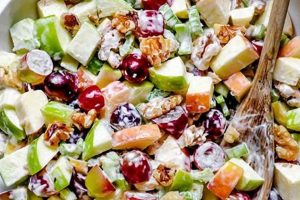
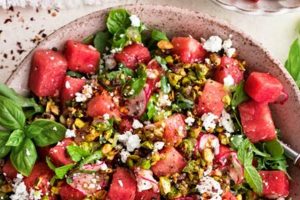
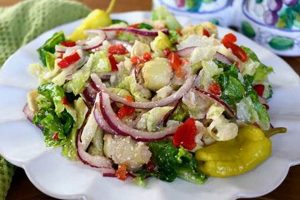
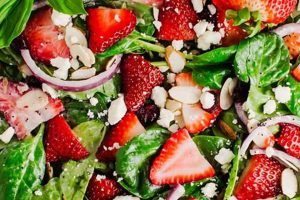
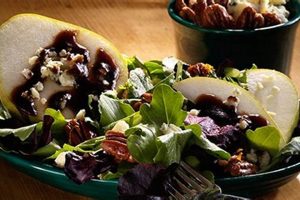
A salad maximizing nutritional value while minimizing unhealthy components like excessive fats, sugars, and processed ingredients constitutes an optimal choice for health-conscious individuals. Such a salad might feature leafy greens, a variety of colorful vegetables, lean protein sources, and a light, flavorful dressing. An example could include spinach, grilled chicken breast, bell peppers, cucumbers, avocado, and a lemon-vinaigrette dressing.
Nutrient-rich salads contribute significantly to overall well-being. They offer a substantial intake of vitamins, minerals, and fiber, supporting digestion, boosting immunity, and promoting healthy weight management. Historically, salads have evolved from simple combinations of raw greens to complex culinary creations, reflecting changing dietary understandings and cultural preferences.
This exploration will delve into constructing such nutritionally balanced salads, covering topics like ingredient selection, dressing preparation, and creative combinations to enhance flavor and maximize health benefits.
Tips for Crafting Optimal Salads
Constructing a truly nutritious and flavorful salad requires careful consideration of ingredients and preparation techniques. The following tips provide guidance for creating salads that maximize both health benefits and culinary enjoyment.
Tip 1: Prioritize Dark Leafy Greens: Nutrient density is key. Opt for spinach, kale, or romaine lettuce over iceberg lettuce for greater vitamin and mineral content.
Tip 2: Embrace Variety: A diverse range of colorful vegetables ensures a broader spectrum of nutrients. Incorporate ingredients like bell peppers, carrots, red onion, and broccoli.
Tip 3: Include Lean Protein: Grilled chicken breast, fish, beans, lentils, or tofu contribute protein essential for satiety and muscle maintenance.
Tip 4: Incorporate Healthy Fats: Avocados, nuts, and seeds provide healthy fats, crucial for nutrient absorption and overall health. Control portion sizes to manage calorie intake.
Tip 5: Opt for Whole Grains: Quinoa, brown rice, or farro add complex carbohydrates, providing sustained energy and fiber.
Tip 6: Craft Light and Flavorful Dressings: Avoid creamy, high-calorie dressings. Instead, create vinaigrettes using olive oil, lemon juice, or vinegar, enhanced with herbs and spices.
Tip 7: Prepare Ingredients Freshly: Washing and chopping ingredients just before consumption ensures optimal nutrient retention and flavor.
By following these guidelines, individuals can consistently create salads that contribute to a healthy and balanced diet, offering both nutritional value and culinary satisfaction.
These practical tips lay the groundwork for a deeper understanding of how to incorporate salads into a long-term healthy eating plan.
1. Fresh, Seasonal Ingredients

Optimal salad composition hinges on ingredient quality. Fresh, seasonal produce forms the foundation of a truly healthy and flavorful salad, offering peak nutritional value and taste.
- Enhanced Nutritional Value
Produce harvested in its peak season boasts higher nutrient density compared to out-of-season counterparts. Shorter transit times from farm to table minimize nutrient degradation. A salad featuring peak-season tomatoes, for instance, offers significantly more vitamins and antioxidants than one using tomatoes grown out of season.
- Superior Flavor
Seasonal ingredients possess a naturally vibrant flavor profile. Sun-ripened fruits and vegetables, grown in their ideal climate, develop complex sugars and aromatic compounds, enhancing the overall taste experience. A summer salad with freshly picked berries and herbs exemplifies this inherent flavor advantage.
- Environmental Impact
Choosing seasonal produce supports local agriculture and reduces reliance on long-distance transportation, minimizing the carbon footprint associated with food production and distribution. Consuming locally sourced, seasonal ingredients contributes to environmental sustainability.
- Economic Benefits
Purchasing in-season produce often translates to lower costs, as supply is higher and transportation expenses are reduced. This allows for greater access to high-quality ingredients, promoting healthier eating habits.
Incorporating fresh, seasonal ingredients elevates a simple salad to a culinary experience rich in flavor, nutrients, and sustainability. This approach underscores a commitment to both personal well-being and environmental responsibility, central to the concept of a truly healthy salad.
2. Variety of Textures
Textural diversity significantly enhances the sensory experience and overall enjoyment of a salad, contributing to its designation as a “best” choice. A monotonous texture, regardless of flavor, can diminish appeal and lead to decreased consumption of otherwise healthy ingredients. The interplay of textures stimulates different receptors in the mouth, creating a more complex and satisfying culinary experience. This encourages thorough chewing, aiding digestion and promoting satiety.
Consider a salad composed solely of soft ingredients like lettuce and tomatoes. While potentially nutritious, it lacks the dynamism of a salad incorporating crunchy elements like nuts, seeds, or croutons. Similarly, a salad consisting only of crisp vegetables might feel less satisfying than one that includes creamy components like avocado or cheese (in moderation). A well-composed salad strategically balances these contrasting textures. Roasted chickpeas, for example, offer a satisfying crunch alongside tender greens and juicy vegetables. Toasted nuts or seeds provide a delicate crispness contrasting with softer elements like cooked quinoa or lentils. The integration of textural variety elevates the salad beyond mere sustenance, transforming it into a multi-sensory culinary delight.
Understanding the interplay of textures enables the creation of more appealing and satisfying salads. This knowledge has practical implications for meal planning and preparation. By incorporating a variety of texturescrispy, crunchy, creamy, chewyindividuals can enhance the palatability and enjoyment of healthy salads, contributing to greater adherence to dietary goals and overall well-being.
3. Balanced Flavor Profiles

A truly exceptional salad transcends mere nutritional value; it offers a delightful sensory experience. Balanced flavor profiles are essential to achieving this, transforming a healthy salad into a culinary masterpiece. A harmonious blend of tastessweet, sour, salty, bitter, and umamiprevents monotony and encourages consistent consumption of nutrient-rich ingredients. This exploration delves into the key facets of flavor balance within the context of optimal salad creation.
- The Interplay of Tastes
Strategic combinations of ingredients create a symphony of flavors. The sweetness of roasted carrots can complement the slight bitterness of kale, while the saltiness of feta cheese enhances the acidity of a lemon vinaigrette. Understanding these interactions allows for the creation of complex and satisfying flavor profiles.
- The Role of Herbs and Spices
Fresh herbs and spices add depth and complexity. A sprinkle of fresh mint can brighten a summer salad, while a dash of chili flakes introduces a welcome heat. The judicious use of herbs and spices elevates a simple salad to a gourmet experience.
- Acidity as a Flavor Enhancer
Acidic elements like vinegar or citrus juice balance richness and brighten flavors. A squeeze of lemon juice can cut through the fattiness of avocado, while a balsamic vinaigrette adds a tangy complexity to a salad with roasted vegetables.
- Textural Contributions to Flavor Perception
Texture plays a subtle yet crucial role in flavor perception. The crunch of toasted nuts contrasts with the smoothness of avocado, creating a more dynamic and engaging flavor experience. The interplay of textures enhances the overall enjoyment of the salad.
Mastering the art of balanced flavor profiles is crucial for creating salads that are both healthy and enjoyable. This understanding empowers individuals to create culinary masterpieces that nourish the body and delight the palate, fostering a sustainable approach to healthy eating. A well-balanced salad becomes more than just a meal; it becomes a celebration of flavors and textures, promoting long-term adherence to a nutritious diet.
4. Nutrient-dense components

Nutrient density forms the cornerstone of a truly healthy salad. Maximizing the concentration of vitamins, minerals, antioxidants, and other beneficial compounds within each ingredient elevates a simple salad to a nutritional powerhouse. This principle distinguishes a “best” healthy salad recipe from less effective alternatives. Prioritizing nutrient-dense components ensures that each bite contributes meaningfully to overall health and well-being, supporting vital bodily functions and potentially mitigating chronic disease risks.
Consider the difference between iceberg lettuce and spinach. While both contribute volume to a salad, spinach boasts significantly higher levels of vitamins A, C, and K, as well as folate and iron. Similarly, incorporating brightly colored vegetables like bell peppers and broccoli introduces a wider spectrum of antioxidants and phytonutrients. Adding a handful of nutrient-rich seeds, such as chia or flaxseeds, further enhances the salad’s nutritional profile with healthy fats, fiber, and essential minerals. These choices exemplify the practical application of nutrient density in salad construction. A salad abundant in nutrient-dense components offers more than just satiety; it provides the building blocks for optimal cellular function and overall vitality.
Understanding the importance of nutrient density empowers informed ingredient selection. This knowledge translates directly into practical application within the kitchen, enabling the creation of salads that not only taste delicious but also contribute meaningfully to long-term health. Nutrient density, therefore, represents a critical factor in defining a “best” healthy salad recipe, moving beyond mere enjoyment to offer genuine health benefits.
5. Homemade dressings
Homemade dressings play a pivotal role in achieving a truly “best healthy salad recipe.” Commercially produced dressings often contain excessive amounts of sodium, added sugars, and unhealthy fats, undermining the nutritional integrity of an otherwise healthy salad. Homemade dressings, conversely, empower control over ingredients, facilitating the creation of flavorful, lower-calorie alternatives that complement, rather than detract from, the salad’s health benefits. This distinction highlights the critical connection between homemade dressings and optimal salad composition. A simple vinaigrette made with olive oil, lemon juice, and herbs offers a stark contrast to a store-bought creamy dressing laden with saturated fat and artificial additives. This conscious choice significantly impacts the overall nutritional profile of the salad.
The ability to tailor homemade dressings to individual dietary needs and preferences further underscores their importance. Those seeking to reduce sodium intake can precisely control the amount of salt added, while individuals managing blood sugar levels can opt for natural sweeteners or omit them entirely. The flexibility inherent in homemade dressings allows for seamless integration into diverse dietary patterns, from vegan and gluten-free to Mediterranean and ketogenic. A homemade tahini dressing, for example, offers a plant-based, allergen-friendly alternative to dairy-based dressings, showcasing the adaptability of this approach. This customizability empowers individuals to create dressings perfectly aligned with their specific health goals and taste preferences, maximizing both the nutritional value and enjoyment of their salads.
Shifting from commercially produced dressings to homemade versions represents a significant step towards optimizing salad nutrition. This transition empowers individuals to actively manage ingredient quality, reducing reliance on processed foods and promoting a more wholesome dietary pattern. Homemade dressings not only enhance the flavor and enjoyment of salads but also contribute to a broader understanding of the interconnectedness between food choices and overall well-being. The practical application of this knowledge transforms salad preparation from a routine task into an opportunity to prioritize health and savor the benefits of mindful ingredient selection.
6. Mindful Portion Sizes
Portion control plays a crucial role in the context of a “best healthy salad recipe.” Even the most nutrient-rich salad can contribute to weight gain if consumed in excessive quantities. Mindful portioning ensures that the health benefits of a salad are fully realized without undermining caloric goals. This concept highlights the often-overlooked connection between portion size and overall dietary success, regardless of ingredient quality. A large salad overflowing with healthy components can still deliver a surplus of calories, negating the intended health benefits.
- Calorie Awareness
Understanding the caloric density of individual salad components is essential for mindful portioning. While leafy greens contribute minimal calories, additions like nuts, seeds, cheese, and dried fruit can significantly increase the overall caloric load. Accurately assessing the caloric contribution of each ingredient enables informed portioning decisions, aligning intake with individual energy requirements. A salad featuring a large portion of avocado, for example, while rich in healthy fats, also contributes a substantial number of calories.
- Plate Size and Composition
Utilizing smaller plates and bowls can visually guide portion control. Filling a smaller plate creates the perception of a fuller meal, potentially reducing the tendency to overconsume. Strategically arranging the salad components on the plate, with leafy greens forming the base and other ingredients layered on top, can further enhance this visual cue and promote satiety. This strategy aids in managing expectations and promotes a sense of fullness with a controlled portion.
- Meal Timing and Frequency
Consuming salads as part of a balanced meal plan, rather than as stand-alone meals, can also contribute to effective portion control. Pairing a moderately sized salad with a lean protein source, such as grilled chicken or fish, further enhances satiety and provides a more complete nutritional profile. This approach prevents overconsumption of any single food group and supports balanced nutrition.
- Listening to Hunger and Fullness Cues
Cultivating an awareness of internal hunger and fullness cues plays a vital role in mindful portioning. Paying attention to these signals allows individuals to consume the appropriate amount of food to satisfy their needs without overeating. This practice fosters a healthier relationship with food and supports long-term weight management goals. It encourages intuitive eating, moving away from rigid dietary restrictions and fostering a more balanced approach to food consumption.
Mindful portioning complements the nutritional benefits of a well-composed salad, ensuring that health goals are not inadvertently undermined by excessive calorie consumption. Integrating portion awareness into meal planning and preparation reinforces the connection between food choices and overall well-being, contributing to a more sustainable and effective approach to healthy eating. This understanding elevates a “best healthy salad recipe” from a collection of ingredients to a holistic approach to nutrition, emphasizing the importance of balanced intake for optimal health outcomes.
Frequently Asked Questions
This section addresses common inquiries regarding the creation and consumption of optimally healthy salads.
Question 1: How can salads be made more filling without compromising their health benefits?
Incorporating lean protein sources, such as grilled chicken, fish, beans, lentils, or tofu, enhances satiety. Adding complex carbohydrates like quinoa or brown rice also contributes to a feeling of fullness. Healthy fats from avocados, nuts, or seeds provide sustained energy and further promote satiety.
Question 2: What are some strategies for making healthy salads more appealing to those who typically prefer less nutritious options?
Flavorful dressings made with fresh herbs, spices, and citrus can transform a simple salad into a culinary delight. Incorporating a variety of texturescrunchy, creamy, chewyalso enhances enjoyment. Experimenting with different ingredients and flavor combinations can broaden appeal and cater to individual preferences.
Question 3: Can salads be a complete meal, or should they be consumed as a side dish?
Salads can certainly constitute a complete meal when strategically composed. Including a variety of vegetables, lean protein, healthy fats, and complex carbohydrates ensures a balanced nutritional profile, providing the necessary nutrients for a satisfying and complete meal.
Question 4: Are there specific vegetables that offer superior nutritional value in salads?
Dark leafy greens like spinach, kale, and romaine lettuce offer higher concentrations of vitamins and minerals compared to iceberg lettuce. Cruciferous vegetables such as broccoli, Brussels sprouts, and cauliflower provide additional health benefits. Colorful vegetables like bell peppers and carrots contribute a diverse range of antioxidants.
Question 5: How can one minimize the use of unhealthy fats in salad dressings?
Opting for homemade dressings allows for complete control over ingredients. Utilizing olive oil, vinegar, or citrus juice as a base and incorporating fresh herbs and spices creates flavorful, low-fat alternatives to commercially produced dressings. Portion control also plays a key role in managing fat intake.
Question 6: How can time constraints be addressed when aiming to incorporate fresh, healthy salads into a regular dietary routine?
Pre-washing and chopping vegetables on the weekend or utilizing pre-cut vegetable mixes can streamline salad preparation during busy weekdays. Batch-cooking grains and proteins allows for quick assembly of nutritious salads throughout the week. Investing in convenient storage containers further facilitates meal prepping and simplifies healthy eating on a tight schedule.
Prioritizing nutrient-dense ingredients, utilizing flavorful homemade dressings, and practicing mindful portion control are key elements in optimizing salad consumption for health and enjoyment.
The subsequent section will provide practical examples of “best healthy salad recipes” incorporating the principles discussed throughout this article.
Best Healthy Salad Recipe
Exploration of optimal salad creation reveals key components contributing to nutritional value and culinary satisfaction. Prioritizing fresh, seasonal ingredients, incorporating a variety of textures and balanced flavor profiles, emphasizing nutrient density, utilizing homemade dressings, and practicing mindful portion control collectively define a truly healthy and enjoyable salad. These elements synergistically contribute to a culinary experience that nourishes the body and delights the palate, promoting long-term adherence to a wholesome dietary pattern.
Salad preparation offers an opportunity to actively engage with food choices, promoting a deeper understanding of the interconnectedness between diet and well-being. Consistent application of these principles empowers individuals to transform simple ingredients into culinary creations that support both immediate and long-term health goals. This mindful approach to salad construction represents a significant step towards cultivating a sustainable and fulfilling relationship with food.