Recipes featuring arugula as the primary salad green offer a wide range of possibilities, from simple combinations with olive oil and lemon juice to more complex creations incorporating various cheeses, fruits, vegetables, nuts, and proteins. For instance, a basic version might involve baby arugula, shaved Parmesan, and a lemon vinaigrette, while a more elaborate recipe could include roasted beets, goat cheese, candied walnuts, and grilled chicken.
The distinctive peppery flavor of this leafy green adds depth and complexity to salads, making them more than just a side dish. Its nutritional value, rich in vitamins A, C, and K, as well as minerals like calcium and potassium, further enhances its appeal. Historically, arugula has been cultivated in the Mediterranean region for centuries, prized for its culinary and medicinal properties. Its resurgence in modern cuisine speaks to its versatility and compatibility with diverse ingredients.
Exploring the numerous ways to prepare this versatile green offers a pathway to creating flavorful and healthful meals. From classic pairings to innovative combinations, the possibilities are vast and invite culinary exploration.
Tips for Creating Delicious Arugula Salads
Elevating arugula from a simple side dish to a star ingredient requires careful consideration of flavor pairings and preparation techniques. The following tips offer guidance for crafting exceptional salads.
Tip 1: Balance the Peppery Bite: The inherent peppery flavor of arugula can be balanced with sweeter, milder ingredients such as roasted beets, pears, or dried cranberries. Creamy cheeses like goat cheese or burrata also provide a complementary contrast.
Tip 2: Dress Lightly: Arugula’s delicate leaves require a light touch when dressing. A simple vinaigrette with lemon juice, olive oil, and a touch of Dijon mustard is often sufficient. Avoid heavy, creamy dressings that can overwhelm the greens.
Tip 3: Add Texture and Crunch: Incorporating textural elements enhances the overall sensory experience. Toasted nuts, seeds, croutons, or thinly sliced vegetables like fennel or radish provide satisfying crunch.
Tip 4: Consider the Occasion: A simple arugula salad with Parmesan and lemon vinaigrette suits a light lunch, while a more elaborate salad with grilled protein, roasted vegetables, and a richer dressing can serve as a main course.
Tip 5: Use Fresh, High-Quality Ingredients: The success of any salad depends on the quality of its components. Opt for fresh, vibrant arugula and ripe, seasonal produce for optimal flavor.
Tip 6: Don’t Overcrowd the Plate: Allow the arugula to breathe by avoiding overcrowding. Arrange the ingredients thoughtfully, allowing each element to stand out.
Tip 7: Time the Dressing: Dress the salad just before serving to prevent the leaves from wilting. This ensures a fresh and crisp texture.
By following these guidelines, one can create arugula salads that are not only flavorful and visually appealing but also offer a satisfying and nutritious meal option.
From simple pairings to complex compositions, the possibilities for arugula salads are vast. Experimentation and exploration of flavors and textures will undoubtedly lead to culinary discoveries.
1. Fresh, High-Quality Arugula

The foundation of any successful arugula salad lies in the quality of the arugula itself. Fresh, high-quality arugula provides the optimal flavor and texture necessary for a truly enjoyable culinary experience. Selecting and storing arugula correctly ensures that its distinctive peppery taste and tender leaves enhance the overall composition of the salad.
- Visual Inspection
Vibrant green color, absence of wilting or discoloration, and a uniform appearance signify fresh arugula. Avoiding leaves with blemishes or yellowing edges ensures optimal flavor and texture. This visual assessment provides an immediate indication of quality and freshness.
- Aroma
A subtly peppery aroma indicates fresh arugula. An absence of a distinct smell or the presence of a musty odor suggests less-than-optimal freshness. The aroma serves as a crucial indicator of quality and should be considered during selection.
- Texture
Tender, crisp leaves characterize fresh arugula. Limp, wilted, or slimy leaves indicate deterioration and should be avoided. Proper storage in a refrigerator, wrapped loosely in a damp paper towel and placed in a plastic bag, helps maintain optimal texture and extends shelf life.
- Source and Seasonality
Locally sourced arugula, especially when in season, tends to offer the best flavor and nutritional value. Farmers’ markets often provide access to freshly harvested greens. Understanding seasonality ensures access to the most flavorful arugula. While available year-round, peak season typically falls during cooler months.
By prioritizing these factors, one ensures the selection of fresh, high-quality arugula, crucial for maximizing the flavor and overall enjoyment of any arugula salad recipe. This attention to detail elevates the final dish from simply adequate to exceptional.
2. Complementary Flavor Pairings

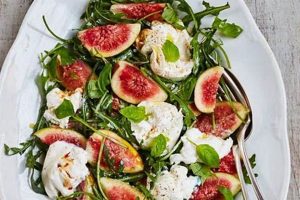
Flavor pairings significantly impact the success of arugula salad recipes. Arugula’s peppery, slightly bitter flavor profile necessitates careful consideration of complementary ingredients. Balancing these flavors creates a harmonious and palatable salad. Sweet, acidic, salty, creamy, and savory elements can all enhance arugula’s inherent qualities. For example, the sweetness of roasted butternut squash or ripe figs offsets arugula’s bitterness. Acidity, derived from lemon juice or balsamic vinegar, brightens the flavor profile. Salty components, such as Parmesan cheese or prosciutto, provide savory depth. Creamy ingredients, like goat cheese or avocado, offer a textural and flavorful counterpoint. Understanding these interactions allows for strategic ingredient selection, resulting in a balanced and delicious final product.
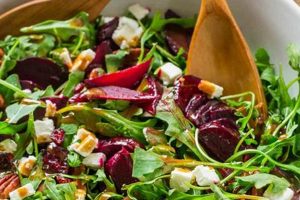
Specific examples illustrate the practical application of complementary flavor pairings. Pairing arugula with shaved Parmesan, toasted pine nuts, and a lemon vinaigrette exemplifies a classic combination. The nutty, salty Parmesan, the buttery pine nuts, and the bright lemon vinaigrette harmonize with arugula’s peppery notes. Similarly, a salad featuring arugula, roasted beets, goat cheese, and candied walnuts offers a more complex flavor profile. The earthy sweetness of roasted beets, the tangy goat cheese, and the sweet and crunchy candied walnuts create a multi-layered sensory experience. These pairings demonstrate how diverse ingredients can interact synergistically to enhance arugula’s unique flavor.
Successful arugula salad recipes depend on a thorough understanding of complementary flavors. This knowledge empowers culinary exploration, allowing for the creation of diverse and satisfying salads. While arugula’s peppery bite offers a distinct foundation, carefully chosen ingredients elevate the salad beyond a simple combination of greens. The interplay of sweet, acidic, salty, creamy, and savory components unlocks arugula’s full potential, resulting in a truly delicious and balanced culinary experience.
3. Balanced Dressings

Balanced dressings play a crucial role in arugula salad recipe development. Arugula’s distinctive peppery flavor requires a dressing that complements rather than overpowers its inherent qualities. An overly acidic or heavy dressing can mask the delicate flavor of the greens, while a bland dressing fails to enhance the overall taste experience. A balanced dressing provides the necessary acidity, sweetness, saltiness, and texture to create a harmonious flavor profile. This balance is achieved through careful consideration of ingredient ratios and the interplay of different flavor components.
For example, a classic lemon vinaigrette exemplifies a balanced dressing for arugula. The acidity of the lemon juice is tempered by the sweetness of a touch of honey or maple syrup, while a pinch of salt enhances the overall flavor. The addition of a small amount of Dijon mustard provides a subtle tang and helps emulsify the dressing. Similarly, a balsamic vinaigrette offers a slightly sweeter and more complex flavor profile. The sweetness of the balsamic vinegar is balanced by the addition of olive oil and a touch of black pepper. These examples illustrate how seemingly simple dressings can achieve a complex balance of flavors.
Understanding the impact of balanced dressings on arugula salad recipes allows for greater culinary control and creativity. The interplay of flavors between the dressing and the other salad components contributes significantly to the overall culinary experience. A well-balanced dressing elevates arugula from a simple green to the star ingredient of a complex and flavorful salad. Achieving this balance requires attention to detail and a willingness to experiment with different flavor combinations. Ultimately, a balanced dressing enhances the inherent qualities of arugula, resulting in a salad that is both refreshing and satisfying.
4. Textural Variety

Textural variety elevates arugula salad recipes from simple to sophisticated. Arugula’s naturally delicate, sometimes feathery, texture benefits from contrasting elements. These additions transform the sensory experience of consuming the salad, preventing monotony and adding interest. Crunchy, creamy, and chewy components create a dynamic interplay, enhancing enjoyment. Consider the contrast between the peppery bite of arugula and the satisfying crunch of toasted walnuts, the creaminess of goat cheese, or the chewy texture of dried cranberries. This interplay stimulates multiple sensory receptors, making each bite a multifaceted experience. Without textural variation, an arugula salad, despite flavorful ingredients, can feel one-dimensional.
Several ingredients contribute textural complexity. Nuts, such as toasted almonds, pecans, or pine nuts, offer a crisp and buttery counterpoint to arugula’s softness. Seeds, like sunflower or pumpkin seeds, provide a smaller but equally effective crunch. Croutons, whether homemade or store-bought, introduce a satisfyingly crisp element. Adding roasted chickpeas delivers a unique nutty flavor alongside a firm texture. Furthermore, incorporating fruits like sliced apples or pears introduces a juicy crispness, while dried fruits, such as cranberries or apricots, offer a chewy sweetness. Even vegetables contribute to textural diversity. Roasted vegetables, like butternut squash or sweet potatoes, provide a tender and slightly caramelized counterpoint, while raw vegetables, like shredded carrots or thinly sliced fennel, add a crisp and refreshing element.
Understanding the impact of textural variety empowers culinary creativity. Strategic incorporation of diverse textures enhances the overall enjoyment of arugula salad recipes. This awareness transforms a simple salad into a more satisfying culinary creation. Challenges may arise in balancing textural elements without overwhelming the delicate arugula. However, careful consideration of ingredient proportions and preparation methods allows for successful integration, ensuring a balanced and delicious salad.
5. Appropriate Serving Size
Appropriate serving size constitutes a crucial element within arugula salad recipe ideas. Portion control directly influences nutritional intake, satiety, and overall enjoyment of the dish. Arugula, while nutrient-rich, can contribute significantly to overall calorie count depending on accompanying ingredients and dressing. Careful consideration of portion size ensures balanced caloric intake while maximizing flavor and nutritional benefits. An excessively large portion, even with healthy ingredients, can negate dietary goals, while an insufficient portion may leave individuals feeling unsatisfied, potentially leading to overconsumption later. For instance, a large arugula salad featuring grilled chicken, avocado, cheese, and a rich dressing can constitute a full meal, while a smaller portion with a light vinaigrette might serve as a side dish or light lunch. Recipe developers must offer guidance on appropriate serving sizes based on intended usage and ingredient combinations. This clarity empowers individuals to make informed decisions aligning with their dietary needs and preferences.
Practical implications of portion control extend beyond individual meals. Accurately estimating serving sizes proves crucial for meal planning, grocery shopping, and event catering. Recipes lacking clear serving size guidelines can lead to food waste or insufficient quantities. Consider catering a large gathering; accurately calculating arugula salad portions based on recipe yield prevents shortages or excess. Similarly, precise portioning aids in managing grocery budgets and minimizing food waste within households. Recipe developers must consider the context in which their recipes will be used, providing flexible serving size suggestions adaptable to various scenarios. This foresight enhances the practical utility of arugula salad recipes, making them valuable resources for diverse culinary endeavors.
In summary, appropriate serving size forms an integral part of arugula salad recipe ideas. Understanding portion control’s impact on nutritional intake, satiety, and resource management allows for informed decision-making regarding meal planning and consumption. Clear serving size guidelines within recipes empower individuals to adapt recipes to individual needs and diverse contexts, maximizing recipe utility and promoting balanced dietary habits. Neglecting this aspect can lead to unintended consequences, hindering the effectiveness of even the most flavorful and nutritious arugula salad recipes. Therefore, emphasizing appropriate serving sizes strengthens the practical value and overall impact of arugula salad recipes.
6. Seasonal Ingredient Integration

Seasonal ingredient integration significantly enhances arugula salad recipe ideas. Aligning ingredients with their peak availability optimizes flavor, nutritional value, and cost-effectiveness. This approach elevates arugula salads from standard fare to vibrant, seasonally inspired culinary creations. Exploring the facets of seasonal integration reveals its transformative impact on recipe development.
- Flavor Optimization
Produce reaches peak flavor during its natural growing season. Incorporating seasonal ingredients into arugula salads intensifies taste profiles. Summer tomatoes, bursting with sweetness and acidity, offer a stark contrast to winter tomatoes, often lacking flavor. This dynamic interplay of seasonal flavors elevates the overall taste experience, showcasing the best of each ingredient.
- Enhanced Nutritional Value
Nutrients are often most abundant during peak season. Utilizing seasonal produce maximizes the nutritional content of arugula salads. For example, springtime asparagus, rich in vitamins K and A, contributes significantly more nutritional value than out-of-season alternatives. This focus on seasonal ingredients transforms the salad into a powerhouse of nutrients.
- Cost-Effectiveness
In-season produce typically costs less due to abundant supply and reduced transportation costs. Integrating seasonal ingredients into arugula salad recipes offers economic benefits. Choosing readily available summer berries over imported winter berries reduces expenses without compromising flavor or nutritional value. This practical advantage makes seasonal cooking accessible to a wider audience.
- Culinary Inspiration
Seasonal variations inspire culinary creativity. The cyclical nature of ingredient availability encourages exploration and experimentation. A spring arugula salad might feature fresh peas and mint, while an autumn version incorporates roasted butternut squash and cranberries. This adaptability ensures continuous culinary innovation, preventing recipe stagnation.
Seasonal ingredient integration fundamentally transforms arugula salad recipe ideas. By prioritizing peak-season produce, recipes maximize flavor, nutritional value, and cost-effectiveness. This approach encourages culinary creativity and aligns with sustainable practices. The cyclical nature of seasons provides continuous inspiration, ensuring arugula salads remain vibrant and engaging throughout the year. This adaptability strengthens the long-term appeal of arugula salad recipes within diverse culinary contexts.
7. Creative Presentation

Creative presentation elevates arugula salad recipes from mere sustenance to visually appealing culinary experiences. Thoughtful plating enhances sensory enjoyment, influencing perceptions of flavor and overall satisfaction. Visual appeal stimulates appetite and anticipation, impacting how diners perceive the salad before the first bite. A strategically arranged salad appears more appetizing, potentially enhancing perceived flavor and enjoyment. Consider the impact of a simple arugula salad tossed haphazardly in a bowl versus one artfully arranged with colorful ingredients strategically placed. The latter presentation immediately suggests greater care and attention to detail, elevating perceived value and stimulating anticipation.
Practical applications of creative presentation extend beyond home kitchens. Restaurants utilize plating techniques to enhance menu appeal and perceived value. A thoughtfully plated arugula salad featuring strategically placed prosciutto, fig slices, and crumbled goat cheese commands a higher price point than a simply tossed salad. Food photography for cookbooks and online platforms relies heavily on creative presentation to capture audience attention and inspire recipe recreation. A visually stunning arugula salad photograph entices viewers to engage with the recipe, increasing its likelihood of being prepared. Catering and event planning also benefit from creative presentation, transforming arugula salads into visually striking centerpieces or elegant appetizers. This attention to detail elevates the overall event experience, reinforcing the importance of visual appeal in culinary arts.
Creative presentation represents a crucial component of arugula salad recipe development. Visual appeal significantly influences diner perception, impacting overall enjoyment. Strategic plating techniques enhance perceived flavor, increase perceived value, and stimulate appetite. This understanding holds practical implications for restaurants, food media, and event planning. While flavor and nutritional value remain paramount, neglecting creative presentation limits a recipe’s full potential. Thoughtful plating elevates arugula salads from simple dishes to visually compelling culinary experiences, maximizing their impact and ensuring lasting appeal.
Frequently Asked Questions
This section addresses common inquiries regarding arugula salad preparation and consumption.
Question 1: How can one mitigate arugula’s peppery flavor?
Balancing arugula’s peppery taste can be achieved by incorporating sweeter, milder ingredients such as roasted beets, pears, or dried cranberries. Creamy cheeses like goat cheese or burrata also offer a complementary contrast.
Question 2: What dressings best complement arugula?
Light vinaigrettes with lemon juice, olive oil, and a touch of Dijon mustard generally complement arugula well. Heavy, creamy dressings can overwhelm the delicate leaves.
Question 3: How can textural variety be introduced into arugula salads?
Toasted nuts, seeds, croutons, or thinly sliced vegetables like fennel or radish provide satisfying crunch and textural contrast.
Question 4: How should arugula be stored to maintain freshness?
Storing arugula loosely wrapped in a damp paper towel within a plastic bag in the refrigerator helps maintain optimal freshness.
Question 5: Can arugula salads constitute a complete meal?
Arugula salads can serve as a complete meal when incorporating protein sources like grilled chicken or fish, along with healthy fats and other vegetables.
Question 6: How can one ensure the quality of purchased arugula?
Selecting arugula with a vibrant green color, an absence of wilting, and a fresh, peppery aroma indicates optimal quality. Locally sourced arugula, especially when in season, often provides the best flavor and nutritional value.
Careful consideration of these points ensures successful preparation and enjoyment of arugula salads, maximizing flavor, texture, and nutritional benefits.
Arugula Salad Recipe Ideas
Exploration of arugula salad recipe ideas reveals a diverse culinary landscape. From fundamental ingredient selection to creative presentation, each element contributes to the final product. Balancing arugula’s peppery bite with complementary flavors, incorporating textural variety, and utilizing seasonal ingredients maximizes both taste and nutritional value. Appropriate portioning and thoughtful presentation further enhance the dining experience, elevating arugula salads from simple side dishes to culinary centerpieces.
Culinary innovation thrives on exploration and adaptation. Arugula salad recipes offer a versatile canvas for creative expression. Continual experimentation with flavor combinations, textures, and presentations ensures ongoing discovery within this culinary domain. The potential for innovative arugula salad creations remains vast, inviting further exploration and refinement within the culinary arts.