A fruit salad incorporating champagne or a similar sparkling wine as a dressing or component is a refreshing and elegant dish often served during holidays, celebrations, or special occasions. Variations exist, ranging from simple mixtures of berries and grapes macerated in bubbly, to more complex preparations including nuts, cheeses, and whipped cream, with the effervescence adding a celebratory touch.
This type of fruit salad offers a light and flavorful alternative to heavier desserts, enhancing the natural sweetness of the fruit while providing a festive element. Historically, fruit and wine combinations have been appreciated for their complementary flavors and refreshing qualities, and the addition of sparkling wine elevates this classic pairing. The practice likely originated in contexts where access to fresh fruit and quality wine signified prosperity and celebration.
This article will explore diverse approaches to crafting these salads, offering detailed recipes, ingredient substitutions, and serving suggestions. From selecting the appropriate sparkling wine to preparing the fruit and complementary elements, readers will gain the knowledge needed to create impressive and delicious fruit salads ideal for any festive occasion.
Tips for Creating a Sparkling Fruit Salad
Achieving a balanced and flavorful fruit salad enhanced with sparkling wine requires careful consideration of ingredients and preparation techniques. The following tips offer guidance for a successful outcome.
Tip 1: Select ripe, but firm fruit. Overripe fruit can become mushy and lose its structural integrity when combined with liquid. Optimal choices include berries, grapes, melon, and pineapple.
Tip 2: Chill all ingredients. A cold salad is essential for maximizing refreshment. Chilling the fruit, sparkling wine, and any additional components before combining ensures the desired temperature.
Tip 3: Choose the right sparkling wine. A dry or brut champagne or prosecco works well, as the dryness balances the sweetness of the fruit. Consider the wine’s flavor profile and how it complements the chosen fruits.
Tip 4: Macerate the fruit judiciously. Allowing the fruit to soak in the sparkling wine enhances its flavor. However, excessive maceration can lead to an overly soggy salad. A short maceration period is typically sufficient.
Tip 5: Add complementary flavors. Enhance the salad with ingredients like fresh mint, citrus zest, or a sprinkle of nuts. A small amount of a complementary liqueur can add depth.
Tip 6: Consider presentation. Serve the salad in elegant glassware or a decorative bowl. Garnishing with fresh herbs or edible flowers adds visual appeal.
Tip 7: Time the preparation. Prepare the salad close to serving time to prevent the fruit from becoming overly saturated or losing its freshness. The effervescence of the wine is best enjoyed immediately.
By following these guidelines, one can create a delightful and refreshing fruit salad that enhances any celebratory occasion. The combination of ripe fruit, chilled sparkling wine, and complementary flavors offers a sophisticated and palate-pleasing experience.
The following section will provide specific recipes showcasing the versatility of sparkling fruit salads and offering further inspiration for creating memorable culinary experiences.
1. Fruit Selection

Fruit selection is paramount in a champagne salad recipe, directly influencing the final dish’s balance, texture, and overall enjoyment. The delicate nature of champagne requires careful consideration of fruit characteristics. Fruits that are too ripe may become mushy and lose their structural integrity upon contact with the liquid, resulting in an unappetizing texture. Conversely, underripe fruit can introduce unwanted tartness and detract from the intended flavor profile. The ideal fruit offers a balance of sweetness and firmness, holding its shape while absorbing the champagne’s effervescence and subtle flavors. For example, berries such as strawberries and raspberries provide sweetness and visual appeal, while firmer fruits like grapes and melon offer contrasting textures and refreshing notes.
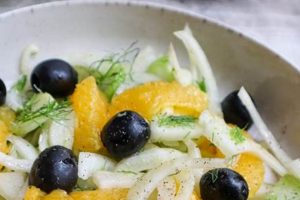
Specific fruit choices can further enhance the champagne’s inherent characteristics. For instance, the acidity of green grapes complements the dryness of brut champagne, creating a harmonious balance. Stone fruits like peaches or nectarines, when ripe but firm, offer a nuanced sweetness and a velvety texture that contrasts beautifully with the champagne’s crispness. The selection process should also account for seasonal availability and the desired flavor complexity. A winter citrus salad with segments of oranges and grapefruits paired with a dry sparkling wine offers a refreshing contrast to a summer berry medley featuring strawberries, blueberries, and a sweeter champagne.
Ultimately, successful fruit selection ensures a harmonious marriage between the fruit and the champagne. Challenges arise when textures clash or flavors compete. Careful planning, considering ripeness, flavor profiles, and textural contrasts, is essential for a successful champagne salad. This meticulous approach transforms a simple fruit salad into an elegant and refreshing culinary experience, highlighting the synergy between carefully chosen ingredients and the celebratory sparkle of champagne.
2. Champagne Choice

Champagne selection significantly impacts the overall flavor profile of a champagne salad recipe. The wine’s sweetness, acidity, and aromatic notes interact with the fruit, influencing the final taste and balance of the dish. Choosing the correct champagne elevates the salad from a simple fruit mixture to a sophisticated and harmonious culinary creation.
- Sweetness Level
The champagne’s sweetness, categorized from brut nature (driest) to doux (sweetest), plays a crucial role. A brut champagne, with its minimal residual sugar, balances the natural sweetness of the fruit, preventing the salad from becoming cloying. Conversely, a sweeter champagne, like a demi-sec, might overwhelm delicate fruits. Matching the sweetness level to the fruit’s inherent sugars creates a balanced flavor profile.
- Acidity
Acidity provides the necessary brightness and freshness in a champagne salad. A champagne with higher acidity cuts through the sweetness of the fruit, offering a clean, crisp finish. This balance prevents the salad from tasting flat or overly sweet. Consider the fruit’s acidity as well; highly acidic fruits pair well with champagnes that have a similar acidity level, while less acidic fruits benefit from a higher acidity in the wine.
- Flavor Profile
Champagnes exhibit diverse flavor profiles, ranging from citrus and floral notes to toasted brioche and nutty undertones. These nuances complement specific fruits. A champagne with citrus notes enhances the flavors of berries and citrus fruits, while a champagne with richer, toasty notes might pair better with stone fruits or apples. Careful consideration of these flavor pairings enhances the overall complexity and depth of the salad.
- Cost Considerations
While prestige cuves offer exceptional quality, a less expensive champagne or sparkling wine can be equally suitable for a champagne salad. The delicate flavors of the fruit often mask the subtle nuances of a high-end champagne. A well-chosen, moderately priced option delivers the desired effervescence and complements the fruit without breaking the budget. Reserve premium champagnes for occasions where the wine itself is the focal point.
Selecting the appropriate champagne requires a nuanced understanding of its characteristics and the chosen fruits’ flavor profiles. A well-considered choice elevates the champagne salad, creating a harmonious balance of sweetness, acidity, and aroma, transforming a simple fruit salad into a refined and celebratory dish.
3. Maceration Time
Maceration time, the duration fruit soaks in champagne, is a critical factor influencing a champagne salad recipe’s final texture and flavor. Balancing the enhancement of fruit flavor with the preservation of structural integrity requires careful consideration of maceration duration. Over-maceration results in soggy, unappetizing fruit, while insufficient maceration limits flavor absorption and the intended celebratory infusion.
- Flavor Infusion
Maceration allows the fruit to absorb the champagne’s aromas and flavors, enhancing the salad’s complexity. The champagne’s subtle notes, whether citrusy, floral, or toasty, permeate the fruit, creating a more nuanced and layered taste experience. The longer the maceration, the more pronounced the champagne’s influence on the fruit’s flavor.
- Texture Modification
Champagne softens fruit during maceration. Softening enhances the textural contrast between various fruits within the salad. However, excessive softening compromises structural integrity, leading to a mushy, undesirable texture. Delicate berries are particularly susceptible to over-softening, while firmer fruits like melon maintain their structure better.
- Sugar Concentration
As fruit macerates in champagne, its natural sugars release into the surrounding liquid, while simultaneously absorbing the champagne’s sugar content. This exchange alters the overall sweetness of the salad. A prolonged maceration can lead to a higher sugar concentration in the liquid, requiring adjustments to other ingredients or the champagne choice to maintain balance.
- Temperature Influence
Maceration occurs more rapidly at higher temperatures. Cold temperatures slow the process, preserving fruit texture while still allowing flavor infusion. Chilling the fruit and champagne before maceration is essential to maintain texture and prevent excessive softening, especially in warmer environments. This controlled approach balances flavor enhancement with textural preservation.
Careful management of maceration time optimizes the champagne salad’s sensory experience. The interplay of flavor infusion, texture modification, sugar exchange, and temperature influence demands precise control to achieve the desired balance. A successful champagne salad necessitates consideration of these factors to ensure the fruit retains its appeal while benefiting from the champagne’s nuanced contribution.
4. Complementary Ingredients

Complementary ingredients in a champagne salad recipe elevate the dish beyond a simple combination of fruit and sparkling wine. These additions introduce layers of flavor, texture, and aroma, transforming the salad into a more complex and nuanced culinary experience. The strategic incorporation of herbs, spices, nuts, or cheeses creates a balanced profile that enhances the champagne’s characteristics and complements the sweetness of the fruit.
Fresh herbs, such as mint, basil, or tarragon, provide aromatic complexity and a refreshing counterpoint to the sweetness. Mint, with its bright, cooling notes, pairs well with berries and lighter champagnes. Basil complements stone fruits and adds a subtle peppery touch. A sprinkle of finely chopped tarragon enhances the herbal complexity of a melon and champagne combination. The choice of herbs should align with both the fruit and champagne profiles. Spices, used judiciously, introduce warmth and depth. A pinch of ground cinnamon or cardamom complements apples and pears, while a touch of ginger enhances the tropical notes of a mango and champagne salad.
Nuts and cheeses offer textural contrast and savory elements. Toasted almonds or pistachios provide crunch and nutty depth, balancing the softness of the fruit. Crumbled goat cheese introduces a tangy, creamy element that complements the acidity of the champagne. The quantity of these additions should be carefully considered to avoid overpowering the delicate flavors of the fruit and champagne. The goal is to enhance, not dominate, the overall composition.
Successfully incorporating complementary ingredients requires an understanding of flavor pairings and balance. Overly assertive additions can clash with the champagne and fruit, disrupting the intended harmony. The selection should be purposeful, enhancing the existing flavors without introducing competing elements. Careful experimentation and tasting throughout the preparation process allow for adjustments and ensure a balanced final product. The ultimate aim is to create a symphony of flavors and textures that elevates the champagne salad from a simple refreshment to a sophisticated and memorable culinary experience.
5. Presentation Style

Presentation style significantly impacts the perceived quality and enjoyment of a champagne salad recipe. While flavor remains paramount, visual appeal enhances the dining experience, transforming a simple dish into an elegant and celebratory offering. Careful consideration of serving vessels, arrangement techniques, and garnishes elevates the perceived value and creates a memorable impression.
- Glassware
The choice of glassware influences both presentation and enjoyment. Elegant champagne flutes or coupes, traditionally associated with celebration, enhance the salad’s festive nature. The transparency of glass showcases the vibrant colors of the fruit and the effervescence of the champagne. Alternatively, clear glass bowls or individual dessert glasses offer a modern and versatile presentation, allowing for layered arrangements and visibility of all ingredients. The selected glassware should complement the overall aesthetic and occasion.
- Arrangement
Thoughtful arrangement elevates the visual appeal. Consider the color, size, and texture of the fruit when composing the salad. A layered approach, with contrasting colors and textures, creates visual interest. Alternatively, a more uniform arrangement emphasizes simplicity and elegance. The chosen arrangement should complement the glassware and the overall theme of the occasion. For individual servings, consider placing larger fruit pieces at the bottom and smaller, more delicate items on top.
- Garnishes
Garnishes provide the finishing touch, adding visual flair and subtle flavor enhancements. Fresh mint sprigs, edible flowers, or a light dusting of powdered sugar add elegance and visual appeal. Citrus zest or finely grated chocolate introduces complementary flavors and aromas. The garnish should complement the fruit and champagne, enhancing the existing flavors without overpowering the dish. Avoid excessive garnishing, as it can detract from the salad’s natural beauty.
- Context
The presentation style should align with the overall context of the occasion. A formal setting calls for elegant glassware and meticulous arrangements, while a more casual gathering allows for greater flexibility and creativity. Consider the table setting, dcor, and overall theme when choosing the presentation style. The goal is to create a harmonious and visually appealing presentation that complements the occasion and enhances the dining experience.
The presentation of a champagne salad recipe contributes significantly to the overall sensory experience. A well-considered presentation enhances the perceived quality, creating an impression of elegance and celebration. By carefully selecting glassware, arranging the fruit thoughtfully, and adding appropriate garnishes, one elevates a simple fruit salad into a visually stunning and memorable culinary creation.
6. Chill Time

Chill time plays a crucial role in a champagne salad recipe, impacting both the sensory experience and the structural integrity of the dish. Proper chilling enhances the flavors, preserves the texture of the ingredients, and contributes to the overall refreshing quality expected of this type of salad. Insufficient chilling can lead to a flat, less vibrant dish, while excessive chilling may compromise the delicate flavors and textures of the fruit.
- Flavor Enhancement
Chilling enhances the perception of sweetness and acidity in both the fruit and the champagne. Cold temperatures suppress volatile aromatic compounds, allowing the subtler, sweeter notes to become more prominent. This effect intensifies the refreshing quality of the salad, creating a more pronounced and enjoyable flavor profile. A well-chilled champagne salad offers a crisp, clean taste experience that complements the effervescence of the wine.
- Texture Preservation
Chill time is essential for maintaining the structural integrity of the fruit. Cold temperatures firm the fruit, preventing it from becoming overly soft or mushy during maceration in the champagne. This is particularly important for delicate fruits like berries, which are prone to breaking down quickly at warmer temperatures. Proper chilling ensures the fruit retains its desirable texture, contributing to a more pleasing mouthfeel.
- Effervescence Retention
Champagne, or any sparkling wine, retains its effervescence longer when chilled. The lower temperature reduces the rate at which carbon dioxide is released, preserving the bubbly characteristic crucial for a celebratory champagne salad. Serving the salad chilled maintains the desired level of fizziness, enhancing the sensory experience and adding to the festive nature of the dish.
- Synergistic Effect of Ingredients
Chilling all componentsfruit, champagne, and any additional ingredientsprior to combining them allows for a more harmonious blend of flavors and textures. The cold temperature creates a consistent environment for the ingredients to interact, preventing temperature-related imbalances and enhancing the overall synergy of the dish. This careful attention to temperature ensures a balanced and refreshing final product.
Chill time, therefore, is not merely a preparatory step but a crucial element contributing to the success of a champagne salad recipe. It enhances the flavor profile, preserves the texture of the delicate fruit, maintains the champagne’s effervescence, and allows the individual components to meld harmoniously. Understanding the importance of chill time and implementing it correctly elevates the champagne salad from a simple mixture to a truly refreshing and elegant culinary experience.
7. Recipe Variations
Recipe variations within the realm of champagne salad recipes offer a dynamic interplay between core principles and creative adaptations. The foundational elementsfruit selection, champagne choice, maceration time, complementary ingredients, presentation, and chill timeremain constant, providing a framework for diverse culinary explorations. Variations arise from the manipulation of these elements, allowing for personalized expressions of flavor and aesthetics while adhering to the fundamental principles that ensure a successful outcome.
Consider, for example, a classic champagne salad featuring berries and a brut champagne. Variations might include incorporating seasonal stone fruits like peaches or nectarines during summer, transitioning to citrus fruits and pomegranate seeds in winter, or introducing a touch of spice like cardamom or ginger for an autumnal twist. The champagne itself can be varied, substituting a dry prosecco for a different flavor profile or opting for a ros champagne to complement specific fruits and create a visually distinct presentation. Complementary ingredients offer further avenues for variation; toasted nuts, crumbled cheese, fresh herbs, or even a drizzle of honey or maple syrup can be incorporated to create unique flavor combinations and textural contrasts.
The practical significance of understanding recipe variations lies in the ability to tailor the champagne salad to specific occasions, preferences, and seasonal ingredient availability. Adaptability ensures the dish remains relevant and enjoyable throughout the year, offering a refreshing and elegant option for celebrations, holidays, or simply a light and flavorful dessert. While adherence to core principles guarantees a balanced and palatable outcome, embracing variations unlocks the creative potential within the champagne salad framework, transforming a classic dish into a personalized culinary expression.
Frequently Asked Questions
This section addresses common inquiries regarding the preparation and enjoyment of champagne-based fruit salads, offering clarity and practical guidance.
Question 1: Can non-alcoholic sparkling wine be substituted for champagne?
Non-alcoholic sparkling wine provides a suitable alternative for those abstaining from alcohol. The flavor profile will differ, influencing the overall taste of the salad. Select a high-quality non-alcoholic sparkling wine with balanced sweetness and acidity to best complement the fruit.
Question 2: How long can a champagne salad be stored?
Due to the delicate nature of the fruit and the potential for oxidation, champagne salad is best consumed immediately after preparation. Storage is not recommended as the fruit may become soggy and lose its desirable texture and flavor.
Question 3: What types of fruit are unsuitable for a champagne salad?
Overly ripe or very soft fruits are generally unsuitable. These fruits tend to break down quickly when exposed to liquid, resulting in an unappetizing texture. Additionally, fruits with strong competing flavors may clash with the delicate champagne notes.
Question 4: Can the sweetness of the salad be adjusted after preparation?
Adjusting sweetness after preparation is challenging. Careful selection of the champagne and fruit beforehand is crucial for achieving the desired balance. If necessary, a small amount of simple syrup or a squeeze of citrus juice can be added cautiously, but this may alter the intended flavor profile.
Question 5: Are there specific champagne brands recommended for this type of salad?
While specific brand recommendations are subjective, a dry or brut champagne or sparkling wine generally works best. The dryness balances the sweetness of the fruit, preventing the salad from becoming overly sweet. The choice ultimately depends on individual preferences and the chosen fruit components.
Question 6: Can frozen fruit be used in a champagne salad?
Frozen fruit is generally not recommended. Thawing frozen fruit often releases excess liquid, diluting the champagne and resulting in a soggy salad. Fresh, ripe, but firm fruit provides the best texture and flavor for this delicate dish.
Careful consideration of these points ensures a successful and enjoyable champagne salad experience, allowing one to appreciate the harmonious blend of fruit, sparkling wine, and complementary ingredients.
The following section will offer a collection of curated recipes incorporating the principles and techniques discussed throughout this article.
Champagne Salad Recipe
Exploration of champagne salad recipes reveals a delicate balance between ingredient selection, preparation techniques, and presentation. Careful consideration of fruit ripeness and flavor profiles, coupled with judicious champagne selection, forms the foundation for a successful outcome. Maceration time, complementary ingredients, and chilling temperature contribute significantly to the final product’s texture, flavor, and overall appeal. Presentation elevates the perceived quality, transforming a simple fruit and wine combination into an elegant culinary experience.
Champagne salad recipes offer a versatile platform for culinary creativity within established parameters. Adaptation to seasonal ingredients, personal preferences, and specific occasions allows for diverse interpretations while maintaining the core principles of balance and harmony. This adaptability ensures continued enjoyment and exploration of this refreshing and celebratory dish, solidifying its place as a sophisticated and versatile culinary creation.