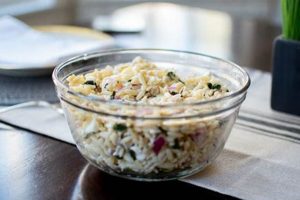
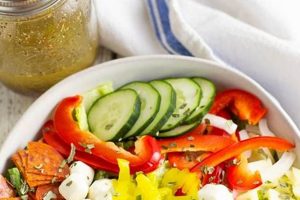
A basic macaroni salad typically consists of cooked elbow macaroni, mayonnaise, and a few simple ingredients like celery, onion, and sometimes hard-boiled eggs. Variations can include additions such as mustard, relish, vinegar, or other seasonings. This dish is often considered a staple at picnics, barbecues, and potlucks due to its ease of preparation and transport.
The appeal of a straightforward macaroni salad lies in its versatility and affordability. It serves as a refreshing side dish, complementing a variety of main courses. Historically, macaroni salads gained popularity in the mid-20th century as refrigeration became more common, making mayonnaise-based dishes safer and more convenient. The adaptability of the dish has allowed for countless variations to emerge, reflecting regional and personal preferences.
This exploration will delve into the creation of a classic macaroni salad, offering guidance on ingredient selection, preparation techniques, and suggestions for customization. Further discussion will encompass tips for storage and serving, ensuring a delightful culinary experience.
Tips for a Successful Macaroni Salad
Achieving a desirable macaroni salad involves attention to detail throughout the preparation process. The following tips offer guidance for optimal results.
Tip 1: Cook the pasta al dente. Slightly firm pasta holds its shape better in the salad and prevents a mushy texture. Overcooked pasta absorbs excess mayonnaise, resulting in a less appealing final product.
Tip 2: Rinse the cooked pasta with cold water. This stops the cooking process and cools the pasta quickly, preventing it from sticking together and ensuring a desirable texture in the finished salad.
Tip 3: Use high-quality mayonnaise. The mayonnaise serves as the base of the dressing; its flavor significantly impacts the overall taste. Experimenting with different brands or types can enhance the final product.
Tip 4: Add a touch of acidity. A small amount of vinegar or lemon juice balances the richness of the mayonnaise and adds brightness to the salad. Apple cider vinegar or white wine vinegar are popular choices.
Tip 5: Chop vegetables finely and uniformly. Consistent sizing ensures even distribution of ingredients and a pleasant mouthfeel.
Tip 6: Season generously. Salt and pepper are essential, but consider adding other seasonings such as paprika, garlic powder, or onion powder for a more complex flavor profile.
Tip 7: Chill thoroughly before serving. Chilling allows the flavors to meld and enhances the overall taste and texture of the macaroni salad.
By following these guidelines, one can create a macaroni salad that is both flavorful and visually appealing. Attention to these details elevates a simple dish to a culinary highlight.
With these preparation tips covered, a closer examination of variations and serving suggestions will further enrich one’s understanding of this versatile dish.
1. Ingredients

Ingredient selection significantly impacts the final character of a simple macaroni salad. The recipe’s simplicity amplifies the importance of each component’s quality and contribution to the overall flavor profile. For instance, using sweet onion instead of red onion introduces a subtle sweetness, while opting for Dijon mustard over yellow mustard adds a tangy complexity. Freshly ground black pepper provides a more robust flavor than pre-ground pepper. Even seemingly minor choices, such as the type of vinegar used, contribute to the final taste. Employing high-quality mayonnaise is crucial, as it forms the base of the dressing and significantly influences the overall richness and creaminess.
Consider the interplay between ingredients. The creamy texture of mayonnaise complements the crunch of celery and onion, while the acidity of vinegar balances the richness. A careful balance of ingredients ensures a harmonious blend of flavors and textures. Substituting or omitting ingredients alters this balance; for example, removing celery diminishes the textural contrast, while excluding vinegar may result in an overly rich salad. Understanding these relationships allows for informed ingredient choices tailored to specific taste preferences.
Judicious ingredient selection is fundamental to achieving a well-balanced and flavorful simple macaroni salad. Careful consideration of each ingredient’s individual contribution, as well as its interplay with other components, is essential. This understanding allows for customization and optimization, resulting in a dish that satisfies individual palates and culinary objectives.
2. Preparation

Preparation methods significantly influence the final quality of a simple macaroni salad. Careful execution of each step ensures optimal texture, flavor development, and overall enjoyment. From cooking the pasta to combining ingredients and chilling, each stage contributes to the dish’s success.
- Pasta Cooking
Cooking the pasta al dente is crucial. Overcooked pasta becomes mushy and absorbs excess dressing, resulting in a less appealing salad. Conversely, undercooked pasta offers an unpleasant, firm texture. The ideal consistency is firm to the bite yet tender. Rinsing the cooked pasta with cold water immediately after draining halts the cooking process and removes excess starch, preventing the pasta from sticking together. This step is essential for maintaining the desired texture and preventing a gummy consistency.
- Ingredient Incorporation
Gentle folding prevents the pasta from breaking and ensures even distribution of ingredients. Adding the dressing while the pasta is still slightly warm allows for better absorption of flavors. Overmixing can lead to a broken, less visually appealing salad. The order of ingredient addition can also affect the outcome. For example, adding more delicate ingredients like herbs towards the end prevents them from wilting or becoming bruised.
- Chilling Time
Adequate chilling allows the flavors to meld and develop fully. A minimum of one hour in the refrigerator is recommended, though longer chilling times can further enhance the flavor profile. This step is particularly important when using ingredients with strong flavors, such as onions or pickles, allowing them to integrate harmoniously with the other components. Insufficient chilling may result in a bland or disjointed flavor experience.
- Dressing Preparation
Proper emulsification of the dressing ensures a smooth, creamy texture and even flavor distribution. Whisk together the mayonnaise, vinegar, and seasonings until thoroughly combined. Adding the dressing ingredients in the correct order contributes to a stable emulsion. Lumps or separation in the dressing can detract from the overall enjoyment of the salad. Adjusting the ratio of mayonnaise to vinegar affects the tanginess and richness of the final product.
Precise execution of these preparation steps ensures a simple macaroni salad that is not only flavorful but also visually appealing and texturally satisfying. Attention to detail in each stage contributes to a final product that exceeds the sum of its parts, elevating a simple dish to a culinary delight.
3. Customization
Customization is integral to the enduring appeal of simple macaroni salad. Its adaptable nature allows for a wide range of variations, transforming a basic recipe into a dish that reflects individual preferences and culinary creativity. This flexibility extends to ingredient selection, flavor profiles, and even textural elements, offering a canvas for culinary exploration.
- Ingredient Swaps
Substituting ingredients offers an easy pathway to customization. For example, traditional celery can be replaced with diced bell peppers or chopped pickles for a different textural and flavor experience. Red onion can stand in for sweet onion, introducing a sharper, more pungent note. These simple swaps can dramatically alter the salad’s overall character, catering to specific dietary needs or taste preferences. Vegan variations can incorporate plant-based mayonnaise and omit hard-boiled eggs, while those seeking a lower-fat option can use Greek yogurt in place of some of the mayonnaise. The possibilities are extensive and limited only by culinary imagination.
- Flavor Adjustments
Flavor profiles can be easily adjusted through the incorporation of various herbs, spices, and seasonings. Fresh dill, chives, or parsley introduce bright, herbaceous notes. A dash of smoked paprika adds a smoky depth, while garlic powder or onion powder intensify savory flavors. Mustard varieties, ranging from Dijon to whole grain, contribute unique tangy dimensions. Even a simple addition of black pepper can significantly impact the overall taste. These adjustments allow for a nuanced approach to flavor development, creating a personalized culinary experience.
- Textural Variations
Texture plays a significant role in the enjoyment of macaroni salad. Incorporating chopped nuts, such as walnuts or pecans, adds a satisfying crunch. Crumbled bacon provides a smoky, savory element, while shredded cheese introduces a creamy, salty dimension. These additions contrast with the soft pasta and creamy dressing, creating a more dynamic and engaging mouthfeel. Even the type of pasta used can influence texture; for instance, rotini or shells offer a different experience compared to traditional elbow macaroni.
- Add-ins and Enhancements
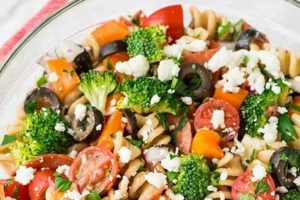
Beyond basic ingredient substitutions, the addition of other components can elevate a simple macaroni salad. Hard-boiled eggs provide protein and a creamy texture. Chopped vegetables, such as carrots or cucumbers, enhance nutritional value and add contrasting flavors. Grilled chicken or shrimp transforms the salad into a more substantial meal. These additions create opportunities for customization, adapting the dish to different occasions and dietary requirements. The versatility of macaroni salad allows for endless experimentation, turning a simple side dish into a culinary centerpiece.
The ability to customize a simple macaroni salad to individual preferences contributes to its enduring popularity. From simple ingredient swaps to more elaborate additions, the adaptable nature of this dish ensures a satisfying and personalized culinary experience. The potential for customization transforms a basic recipe into a versatile platform for creative expression, offering endless possibilities for culinary exploration.
4. Presentation
Presentation, while often overlooked, plays a significant role in the overall perception and enjoyment of a simple macaroni salad. Thoughtful presentation elevates this humble dish, transforming it from a simple side to a more appealing and appetizing component of a meal. The visual aspect influences perceived freshness and palatability, enhancing the dining experience.
- Serving Dish Selection
The choice of serving vessel directly impacts the visual appeal. A clear glass bowl showcases the vibrant colors of the ingredients, while a rustic wooden bowl adds a touch of homestyle charm. The size and shape of the bowl should complement the quantity of salad and the overall table setting. A shallow, wide bowl allows for easy access and showcases the salad’s texture, while a deeper bowl is more practical for larger quantities. Consider the context; a formal setting may call for a more elegant presentation than a casual picnic.
- Garnishing Techniques
Garnishes provide visual interest and enhance flavor. A sprinkle of freshly chopped herbs, such as parsley or chives, adds a pop of color and a fresh aroma. A dusting of paprika or a few strategically placed slices of hard-boiled egg create visual focal points. Even a simple grinding of black pepper can enhance the presentation. Garnishes should complement the existing flavors and not overpower the salad’s overall aesthetic. Over-garnishing can detract from the dish’s simplicity and create a cluttered appearance.
- Portioning and Plating
Individual portions offer a more elegant and controlled presentation, particularly for catered events or formal gatherings. Small bowls, ramekins, or even lettuce cups can be used to create individual servings. This approach allows for precise portion control and minimizes cross-contamination. For larger, casual gatherings, a communal bowl is often more practical. Consider the target audience and the formality of the occasion when deciding between individual portions and a shared serving dish.
- Contextual Considerations
The presentation of a simple macaroni salad should align with the overall context of the meal. A picnic or barbecue calls for a more casual, rustic presentation, while a formal dinner party may require a more refined approach. The choice of serving dish, garnishes, and plating style should reflect the occasion and complement the other dishes being served. Consider the overall table setting and the desired aesthetic when making presentation choices.
Effective presentation enhances the dining experience, transforming a simple macaroni salad into a visually appealing and more enjoyable dish. From selecting the appropriate serving vessel to adding thoughtful garnishes, attention to detail elevates this classic side dish, showcasing its simple elegance and highlighting the careful preparation that went into its creation.
5. Storage
Proper storage is crucial for maintaining the quality, flavor, and safety of simple macaroni salad. Mayonnaise-based salads are susceptible to bacterial growth if left at room temperature for extended periods, making appropriate storage essential for preventing spoilage and foodborne illness. Effective storage practices preserve the salad’s freshness, texture, and overall palatability.
- Container Selection
An airtight container is essential for preventing the salad from drying out and absorbing odors from other foods in the refrigerator. Choose a container that is appropriately sized to hold the salad without excessive air space. Materials such as glass or food-grade plastic are suitable. Avoid using metal containers, as they can react with acidic ingredients in the dressing and impart undesirable flavors. Proper container selection maintains the salad’s moisture content and prevents contamination.
- Temperature Control
Macaroni salad should be refrigerated promptly after preparation and kept at a temperature of 40F (4C) or below. Avoid leaving the salad at room temperature for more than two hours, as this increases the risk of bacterial growth. If serving the salad at a picnic or outdoor event, keep it chilled in a cooler with ice packs. Consistent temperature control is vital for food safety and preserving the salad’s quality.
- Shelf Life
Properly stored macaroni salad typically lasts for three to five days in the refrigerator. However, factors such as ingredient freshness and storage conditions can influence shelf life. Always inspect the salad for any signs of spoilage, such as off-odors, discoloration, or mold growth, before consuming. Discard any salad that appears questionable. Understanding the salad’s shelf life helps prevent food waste and ensures safe consumption.
- Freezing Considerations
Freezing macaroni salad is generally not recommended. Mayonnaise-based dressings can separate and become watery upon thawing, resulting in an undesirable texture. Freezing also affects the texture of certain vegetables, such as celery and onions, making them mushy upon thawing. While the salad may still be safe to eat after freezing, its quality and palatability will be significantly diminished. Other preservation methods, such as canning, are also unsuitable for macaroni salad.
Adhering to proper storage practices ensures the safety and enjoyment of a simple macaroni salad. Careful attention to container selection, temperature control, and shelf life preserves the salad’s freshness and prevents spoilage. By following these guidelines, one can maximize the longevity and maintain the desired qualities of this classic dish.
Frequently Asked Questions
This section addresses common inquiries regarding the preparation and enjoyment of simple macaroni salad, offering concise and informative responses to clarify potential uncertainties and enhance understanding.
Question 1: How long should macaroni salad be chilled before serving?
Chilling for at least one hour allows flavors to meld. Longer chilling enhances the overall taste and texture.
Question 2: Can other pasta shapes be used besides elbow macaroni?
While elbow macaroni is traditional, other small pasta shapes like rotini, shells, or ditalini can be substituted. The choice impacts texture and how the dressing adheres.
Question 3: What can be used as a substitute for mayonnaise?
Plain Greek yogurt offers a lower-fat alternative to mayonnaise, though it alters the flavor and texture somewhat. For vegan options, plant-based mayonnaise alternatives are available.
Question 4: How long does macaroni salad remain safe to consume when stored properly?
Properly stored macaroni salad typically remains safe for consumption for three to five days in a refrigerator maintained at 40F (4C) or below.
Question 5: Can macaroni salad be frozen?
Freezing is not recommended. Mayonnaise-based dressings separate upon thawing, resulting in an undesirable texture. Vegetable texture is also negatively affected.
Question 6: How can one prevent macaroni salad from becoming too dry?
Ensuring the pasta is cooked al dente and using sufficient dressing prevents dryness. Storing the salad in an airtight container helps maintain moisture content.
Addressing these frequently asked questions clarifies key aspects of macaroni salad preparation and storage. Applying this knowledge ensures optimal results and a satisfying culinary experience.
Beyond these FAQs, further exploration of macaroni salad variations and advanced techniques can enrich one’s understanding and culinary repertoire.
Simple Mac Salad Recipe
This exploration has provided a comprehensive overview of the simple macaroni salad recipe, encompassing ingredient selection, preparation techniques, customization options, presentation strategies, and proper storage practices. Emphasis has been placed on the importance of quality ingredients, precise execution of each preparation step, and the adaptability of this classic dish. From understanding the nuances of pasta cooking to exploring the vast possibilities for flavor adjustments and ingredient substitutions, this analysis has illuminated the essential elements that contribute to a successful and satisfying macaroni salad experience.
The simplicity of a macaroni salad recipe belies its culinary potential. Its adaptability allows for endless variations, catering to diverse palates and culinary aspirations. By understanding the fundamental principles outlined herein, one can confidently embark on culinary explorations, transforming a basic recipe into a personalized expression of creativity and flavor. The enduring appeal of macaroni salad lies not only in its ease of preparation but also in its capacity for customization and reinvention. It serves as a testament to the enduring power of simple ingredients, thoughtfully combined and presented, to create a dish that transcends generations and culinary trends.