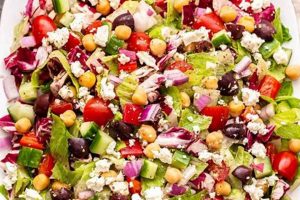
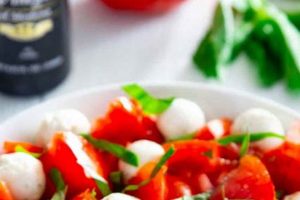
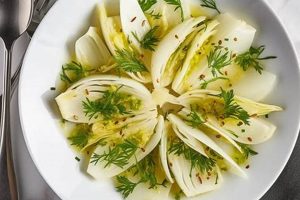
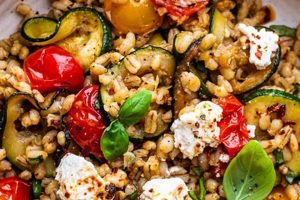
Utilizing the often-discarded leafy tops of beetroots in salads offers a culinary opportunity to minimize food waste and maximize nutritional intake. These greens, similar in texture and flavor to spinach or chard, can be incorporated raw or cooked into a variety of salad preparations. A simple example includes young, tender beet greens tossed with a vinaigrette, crumbled goat cheese, and toasted walnuts.
Beet greens are rich in vitamins A, C, and K, as well as minerals like potassium and iron. Their inclusion in salads provides a nutritional boost while adding a slightly earthy, peppery flavor. Historically, beet greens have been consumed for their nutritional value, highlighting their long-standing recognition as a valuable food source. This practice contributes to sustainable food consumption by utilizing the entire plant.
This exploration will further delve into specific preparation methods, flavor pairings, and creative ways to incorporate beet greens into salads for a delicious and nutritious culinary experience.
Tips for Utilizing Beet Greens in Salads
Maximizing the flavor and texture of beet greens in salads requires attention to preparation and pairings. The following tips offer guidance for incorporating this nutritious and flavorful ingredient.
Tip 1: Select Fresh Greens: Choose beet greens that appear vibrant and crisp, avoiding wilted or yellowed leaves. Smaller, younger leaves tend to be more tender and less bitter.
Tip 2: Thorough Cleaning: Wash beet greens meticulously, as soil can often cling to the leaves. Multiple rinses or soaking may be necessary.
Tip 3: Consider Stems and Roots: While very young stems can be included raw, larger stems benefit from being chopped and sauted or roasted. Small beetroots can also be thinly sliced and added to the salad.
Tip 4: Balance Flavors: Beet greens possess a slightly earthy and peppery flavor. Balance this with complementary ingredients like citrus dressings, creamy cheeses (goat, feta), toasted nuts, or sweet fruits (berries, apples).
Tip 5: Raw vs. Cooked: Young, tender beet greens can be enjoyed raw in salads, offering a fresh, slightly peppery taste. Larger, mature leaves can be lightly sauted, steamed, or roasted to mellow their flavor and enhance their texture.
Tip 6: Avoid Overcrowding: When combining beet greens with other salad components, avoid overcrowding the bowl. This allows for proper mixing and prevents the greens from becoming wilted.
Tip 7: Timing is Key: If using a vinaigrette, dress the salad just before serving to prevent the greens from becoming soggy.
By following these tips, one can elevate beet greens from a discarded byproduct to a star ingredient, adding nutritional value and complex flavors to any salad.
These practical strategies ensure that beet greens contribute positively to both the nutritional and sensory aspects of a well-composed salad.
1. Freshness

Freshness plays a critical role in optimizing the culinary and nutritional value of beet greens in salads. The delicate nature of these leafy greens necessitates careful selection and handling to preserve their optimal qualities. Fresh beet greens exhibit a vibrant color, ranging from deep green to reddish-purple, and possess a crisp texture. Wilting, yellowing, or slimy textures indicate deterioration and should be avoided. The flavor profile of fresh beet greens offers a pleasant, slightly earthy taste with peppery undertones. As beet greens age, these flavors can intensify, sometimes developing an unpleasant bitterness. A salad featuring fresh beet greens provides a superior sensory experience compared to one made with less-than-fresh ingredients.
The impact of freshness extends beyond flavor and texture. Nutrient degradation occurs as beet greens age, diminishing their vitamin and mineral content. A salad incorporating freshly harvested beet greens maximizes the nutritional benefits, providing a richer source of vitamins A, C, and K, as well as essential minerals. Practical applications of prioritizing freshness include sourcing beet greens from local farmers markets or gardens whenever possible, storing them properly in refrigeration, and using them within a few days of harvest. Choosing beet greens with firm stems and vibrant leaves directly correlates with a higher quality salad.
Ultimately, freshness represents a cornerstone of successful beet green salad recipes. Prioritizing fresh ingredients ensures optimal flavor, texture, and nutritional value. This understanding translates directly into a more satisfying and healthful culinary experience. While other factors, such as preparation techniques and flavor pairings, contribute to the overall quality of the dish, freshness establishes the foundation upon which a truly exceptional beet green salad is built. Ignoring this foundational element compromises both the sensory and nutritional aspects of the final product.
2. Preparation Methods
Preparation methods significantly influence the flavor, texture, and overall culinary experience of beet greens in salads. The techniques employed determine how these nutritious greens integrate with other salad components and contribute to the final dish. Understanding these methods allows for informed decisions regarding flavor profiles and desired outcomes.
- Raw Incorporation
Raw beet greens offer a fresh, slightly peppery flavor and a tender yet crisp texture. This method best suits young, tender leaves. Simply washing, drying, and tearing or chopping the greens prepares them for inclusion in salads. Raw incorporation preserves the inherent nutrients of the greens, maximizing their health benefits. This approach aligns well with salads emphasizing fresh, vibrant flavors and textures. However, larger, more mature leaves may be too fibrous or bitter for raw consumption.
- Blanching or Steaming
Blanching or steaming beet greens involves briefly submerging or exposing them to high heat. This process wilts the leaves, reducing their volume and softening their texture while maintaining a bright green color. It also mellows the peppery flavor, making it suitable for those who prefer a milder taste. Blanched or steamed beet greens can be incorporated into warm or cold salads, offering a textural contrast to crisp raw vegetables.
- Sauting
Sauting beet greens involves cooking them in a small amount of oil or fat over medium heat. This method imparts a richer, more savory flavor and a slightly wilted texture. Sauting offers opportunities to incorporate additional flavors by adding garlic, onions, or spices to the pan. This technique works well for more mature beet greens, as it tenderizes the leaves and reduces bitterness. Sauted beet greens can add depth and complexity to salads.
- Roasting
Roasting beet greens, often alongside the beetroots themselves, develops a deeper, more caramelized flavor and a crispy texture. This method intensifies the sweetness of the greens while adding a smoky char. Roasted beet greens can provide a unique flavor and textural element to salads, contrasting with other fresh ingredients.
Selecting the appropriate preparation method depends on the desired outcome and the maturity of the beet greens. Raw incorporation prioritizes freshness and nutritional value, while blanching and steaming offer a milder flavor and softer texture. Sauting and roasting, on the other hand, enhance the savory and caramelized notes, providing a unique culinary experience. Consider these nuances to effectively integrate beet greens into diverse salad creations, optimizing flavor, texture, and overall enjoyment.
3. Flavor Pairings

Flavor pairings play a crucial role in maximizing the culinary potential of beet greens in salads. The inherent earthy and slightly peppery notes of these greens necessitate careful consideration of complementary ingredients to achieve a balanced and harmonious flavor profile. Understanding these pairings allows for the creation of salads that highlight the unique characteristics of beet greens while mitigating any potential bitterness or overpowering earthiness. A well-considered flavor pairing elevates beet greens from a simple ingredient to a key component that contributes depth and complexity to the overall salad composition.
Several ingredients harmonize particularly well with beet greens. Acidity, for example, provides a refreshing counterpoint to the earthiness. Citrus fruits like lemon, orange, or grapefruit, along with vinegar-based dressings, brighten the flavor profile. Creamy elements, such as goat cheese, feta, or ricotta, offer a textural contrast and a mellowing effect. The tanginess of these cheeses complements the peppery notes of the greens. Nuts, particularly walnuts, pecans, or toasted almonds, introduce a satisfying crunch and a subtle sweetness that balances the earthy flavors. Sweet fruits, like berries or apples, provide another layer of complexity, contrasting the peppery notes with a touch of sweetness. Finally, alliums, such as red onion or shallots, offer a pungent bite that complements the overall flavor profile. A salad featuring beet greens, crumbled goat cheese, candied walnuts, and a citrus vinaigrette exemplifies a successful flavor pairing strategy.
Effective flavor pairings transform beet green salads from simple assemblages of ingredients into carefully orchestrated culinary experiences. The interplay of contrasting and complementary flavors elevates the dish, ensuring a balanced and satisfying result. Neglecting this aspect can lead to unbalanced flavors, where the earthiness of the beet greens dominates, potentially detracting from the overall enjoyment. Strategic flavor pairings unlock the full culinary potential of beet greens, showcasing their versatility and contributing to a more complex and nuanced salad experience. This understanding allows for creative exploration and the development of innovative salad recipes that highlight the unique characteristics of this often-overlooked ingredient.
4. Nutritional Benefits
Nutritional value represents a significant advantage of incorporating beet greens into salads. These leafy greens offer a dense source of essential vitamins and minerals, contributing to a healthy and balanced diet. This nutritional profile enhances the overall health benefits of salads beyond simple satiety. Beet greens are particularly rich in Vitamin K, crucial for blood clotting and bone health. They also provide a substantial amount of Vitamin A, supporting vision and immune function, and Vitamin C, an antioxidant that promotes collagen production and protects against cellular damage. Furthermore, beet greens offer significant amounts of iron, essential for red blood cell production, and potassium, crucial for maintaining fluid balance and regulating blood pressure. A salad featuring beet greens, alongside other nutrient-rich vegetables, contributes significantly to recommended daily intakes of these essential micronutrients.
The bioavailability of these nutrients within the context of a salad deserves consideration. Consuming beet greens raw maximizes nutrient retention, as cooking processes can sometimes diminish certain vitamin levels. Pairing beet greens with healthy fats, such as those found in nuts, seeds, or avocados, enhances the absorption of fat-soluble vitamins like A and K. Furthermore, the fiber content of beet greens aids digestion and promotes satiety, contributing to weight management efforts. A lunch featuring a beet green salad, rather than processed foods, provides sustained energy and essential nutrients, demonstrating a practical application of this nutritional understanding. Individuals seeking to increase their micronutrient intake while enjoying a flavorful and versatile meal find a compelling solution in beet green salads.
Understanding the nutritional benefits of incorporating beet greens into salads empowers informed dietary choices. This knowledge translates into practical applications for individuals seeking to enhance their nutritional intake. Beet greens, often overlooked, offer a readily available and nutrient-dense addition to salads, contributing to overall health and well-being. Incorporating these greens represents a proactive step toward a nutrient-rich diet, supporting long-term health goals and maximizing the nutritional value derived from everyday meals.
5. Creative Combinations

Creative combinations represent a crucial aspect of maximizing the culinary potential of beet greens in salads. Moving beyond basic preparations unlocks the versatility of these greens, transforming them from a simple ingredient into a culinary centerpiece. This exploration necessitates considering beet greens not merely as a component, but as a canvas upon which diverse flavors and textures can interact. Cause and effect relationships emerge: imaginative pairings directly influence the overall sensory experience of the salad. A thoughtful combination of ingredients elevates the dish, while a lack of creativity can result in a monotonous or unbalanced flavor profile.
The importance of creative combinations as a core component of beet green salad recipes stems from their ability to enhance flavor complexity, textural contrast, and visual appeal. Consider a salad featuring roasted beet greens, toasted walnuts, crumbled goat cheese, and orange segments. The slight bitterness of the greens is offset by the sweetness of the orange and the tanginess of the goat cheese, while the walnuts contribute a satisfying crunch. This example demonstrates the practical significance of understanding creative combinations. Another illustration involves pairing blanched beet greens with quinoa, chickpeas, chopped cucumbers, and a lemon-tahini dressing. This combination offers a complete protein source and a diverse array of textures, transforming a simple salad into a nutritionally balanced meal. Such combinations cater to various dietary preferences and needs, showcasing the adaptability of beet greens.
Culinary exploration benefits significantly from viewing beet green salads as opportunities for creative expression. The inherent versatility of these greens permits a wide range of pairings, from classic combinations to innovative fusions. Challenges may arise in balancing flavors and textures, requiring careful consideration of ingredient interactions. However, overcoming these challenges yields rewarding results, expanding culinary horizons and showcasing the often-underappreciated potential of beet greens. This understanding underscores the crucial role of creative combinations in transforming beet green salads into dynamic and satisfying culinary experiences, enriching both the nutritional and sensory aspects of the meal.
6. Culinary Versatility
Culinary versatility, a defining characteristic of beet greens, directly impacts the breadth and depth of recipes for beet green salads. This adaptability allows for seamless integration into diverse culinary contexts, expanding the possibilities beyond basic preparations. Understanding this versatility is crucial for maximizing the potential of beet greens in salads, transforming them from a simple ingredient into a dynamic component capable of anchoring diverse flavor profiles and culinary styles.
- Adaptability to various cooking methods
Beet greens readily lend themselves to a wide range of cooking methods, including raw incorporation, blanching, sauting, and roasting. Each technique yields distinct flavor profiles and textures, enabling diverse salad creations. Raw beet greens offer a fresh, peppery bite, while sauting imparts a richer, more savory character. This adaptability allows chefs and home cooks to tailor beet green salads to specific preferences and desired outcomes. A raw beet green salad with a light vinaigrette exemplifies a focus on fresh, vibrant flavors, whereas a salad featuring roasted beet greens alongside caramelized onions and toasted nuts showcases a more robust and complex flavor profile.
- Compatibility with diverse flavor pairings
The inherent earthy and slightly peppery notes of beet greens harmonize with a surprising array of ingredients. Citrus fruits, creamy cheeses, nuts, sweet fruits, and alliums each contribute unique characteristics that complement and balance the flavor profile. This compatibility fosters creativity and experimentation within salad recipes. A beet green salad with crumbled goat cheese and candied walnuts demonstrates a successful balance of contrasting flavors and textures, while a salad combining beet greens with grapefruit segments and a poppy seed dressing showcases the refreshing interplay of acidity and earthiness.
- Integration into various culinary traditions
Beet greens transcend specific culinary boundaries, finding a place in diverse global cuisines. From Mediterranean salads featuring feta and olives to Asian-inspired salads incorporating sesame oil and ginger, beet greens seamlessly integrate into various flavor profiles and culinary traditions. This adaptability reflects their historical usage across different cultures and demonstrates their potential to enrich both traditional and contemporary salad recipes. A beet green salad with a miso-ginger dressing and toasted sesame seeds exemplifies the versatility of these greens within an Asian-inspired context.
- Contribution to both simple and complex salads
Beet greens function effectively in both simple and complex salads. A basic salad featuring raw beet greens, a simple vinaigrette, and a sprinkle of toasted nuts can be a light and refreshing meal. Conversely, beet greens can contribute depth and complexity to more elaborate salads incorporating roasted vegetables, grilled proteins, and artisanal cheeses. This adaptability makes beet greens a valuable ingredient for cooks of all skill levels, from novice to expert. A composed salad featuring roasted beet greens, grilled chicken, shaved Parmesan, and a balsamic reduction exemplifies the role of beet greens in elevating a more complex salad composition.
The culinary versatility of beet greens contributes significantly to the diverse landscape of beet green salad recipes. This adaptability, encompassing cooking methods, flavor pairings, cultural integration, and complexity levels, positions beet greens as a dynamic and valuable ingredient. Understanding this versatility empowers culinary exploration and allows for the creation of innovative and satisfying salads that cater to a wide range of palates and preferences. This appreciation for beet greens extends beyond mere nutrition, recognizing their potential to elevate salads from simple accompaniments to culinary centerpieces.
Frequently Asked Questions
This section addresses common inquiries regarding the utilization of beet greens in salads, providing clear and concise information to facilitate successful integration of this nutritious and versatile ingredient.
Question 1: Can all varieties of beet greens be used in salads?
While all beet greens are edible, younger, smaller leaves offer the most tender texture and mildest flavor for salads. Larger, more mature leaves can be utilized but may require cooking to reduce bitterness and fibrousness.
Question 2: How should beet greens be stored to maintain freshness?
Beet greens should be stored in a refrigerator, ideally wrapped in a damp paper towel and placed in a sealed plastic bag. This method helps maintain optimal moisture levels and extends their shelf life.
Question 3: Do beet greens require cooking before adding them to salads?
Young, tender beet greens can be incorporated raw into salads. Mature leaves benefit from light cooking, such as blanching, sauteing, or roasting, to enhance their texture and mellow their flavor.
Question 4: How can the sometimes-bitter taste of beet greens be mitigated in salads?
Balancing the flavor profile with acidic elements like citrus dressings or vinegar, along with creamy components like goat cheese or feta, can effectively mitigate any perceived bitterness.
Question 5: What are some complementary ingredients to pair with beet greens in salads?
Ingredients such as toasted nuts, dried fruits, roasted vegetables, citrus segments, and various cheeses complement the earthy flavor of beet greens and create balanced flavor profiles.
Question 6: What are the key nutritional advantages of including beet greens in salads?
Beet greens offer a rich source of Vitamins A, C, and K, as well as essential minerals like iron and potassium. Their inclusion in salads enhances the nutritional value of the meal.
Understanding these key aspects of utilizing beet greens ensures successful integration into a variety of salad recipes. This knowledge empowers informed culinary choices, promoting both nutritional intake and culinary enjoyment.
This concludes the FAQ section. The following segment will offer a collection of sample recipes to further illustrate the versatility and culinary potential of beet greens in salads.
Recipes for Beet Greens in Salad
Exploration of recipes incorporating beet greens into salads reveals a versatile ingredient offering both culinary and nutritional advantages. From raw preparations highlighting fresh, peppery notes to cooked applications showcasing nuanced earthy and caramelized flavors, beet greens demonstrate adaptability to diverse culinary techniques. Careful consideration of flavor pairings, such as acidic elements, creamy cheeses, and crunchy nuts, enhances the overall sensory experience. The notable nutritional profile of beet greens, rich in vitamins and minerals, further underscores their value in promoting healthy dietary choices.
Culinary innovation through incorporating beet greens into salads presents an opportunity to minimize food waste while maximizing nutritional intake. This approach promotes sustainable practices and encourages broader appreciation for often-overlooked ingredients. Continued exploration of flavor combinations and culinary applications promises to further elevate the role of beet greens within the diverse and evolving landscape of salad recipes.