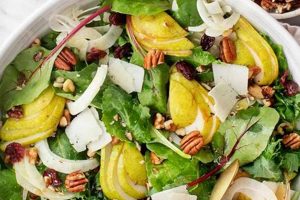
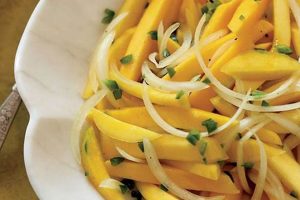
A blend of various leafy vegetables forms the foundation of this culinary creation. Typically, this includes lettuces like romaine, butter lettuce, and red leaf lettuce, often combined with other greens such as spinach, arugula, or mizuna. This provides a diverse textural and flavor profile, ranging from mild sweetness to peppery notes. A simple example might consist of romaine, baby spinach, and red leaf lettuce, dressed with a light vinaigrette.
The nutritional value of combining various greens is significant. Such combinations offer a richer array of vitamins, minerals, and antioxidants compared to relying on a single type of lettuce. Historically, consuming a variety of foraged greens has been a practice across cultures, ensuring a wider spectrum of nutrients. This tradition has evolved into the modern preference for diverse salad blends, reflecting an understanding of the health benefits associated with varied plant consumption.
This exploration of diverse leafy salads will delve into selecting the freshest ingredients, crafting complementary dressings, and creating balanced, flavorful meals. Topics will include proper storage techniques for maintaining crispness, flavor pairings, and the nutritional advantages of specific greens.
Tips for Crafting Exceptional Mixed Greens Salads
Achieving a vibrant and flavorful salad involves careful consideration of ingredients and techniques. The following tips offer guidance for creating a delightful culinary experience.
Tip 1: Prioritize Freshness: Select greens that appear crisp and vibrant, avoiding wilted or damaged leaves. Store unwashed greens in airtight containers lined with paper towels to absorb excess moisture.
Tip 2: Embrace Variety: Incorporate a diverse selection of greens for a complex flavor profile and enhanced nutritional value. Consider textures as well, balancing tender leaves with heartier varieties.
Tip 3: Dress Strategically: Add dressing just before serving to prevent the leaves from becoming soggy. Toss gently to ensure even coating.
Tip 4: Balance Flavors: Complement the greens with ingredients that offer contrasting flavors and textures. Nuts, seeds, dried fruits, cheeses, and proteins create depth and complexity.
Tip 5: Consider Seasonality: Opt for seasonal greens for optimal flavor and nutritional content. Farmers’ markets often provide access to the freshest local produce.
Tip 6: Proper Washing Technique: Wash greens thoroughly in cold water and dry them completely before assembling the salad. Excess water dilutes the dressing and can make the salad less appealing.
Tip 7: Artful Presentation: Consider the visual appeal of the salad. Arrange ingredients thoughtfully to create an attractive and appetizing presentation.
By focusing on freshness, variety, and thoughtful preparation, one can elevate a simple salad into a culinary masterpiece. These tips contribute to a more enjoyable and nutritious dining experience.
From selecting the right greens to adding the final touches, these guidelines provide a comprehensive approach to crafting exceptional salads. The following section will offer specific recipe ideas to inspire culinary creativity.
1. Fresh, Diverse Greens

Fresh, diverse greens are fundamental to a successful mixed greens salad. The quality and variety of greens directly influence the salad’s flavor, texture, and nutritional value. A blend of lettuces, such as romaine, butter lettuce, and red leaf, combined with other greens like spinach or arugula, offers a complex flavor profile ranging from subtle sweetness to peppery bitterness. This diversity also contributes a range of textures, from crisp romaine to tender spinach. Furthermore, varying greens provides a broader spectrum of vitamins and minerals. A salad composed solely of iceberg lettuce lacks the nutritional depth and flavor complexity of one incorporating kale, spinach, and radicchio, for example.
The freshness of the greens is equally crucial. Wilted or damaged leaves negatively impact both flavor and appearance. Freshly harvested greens offer optimal crispness and flavor. Storing greens properly, such as in airtight containers lined with paper towels in the refrigerator, helps maintain their freshness. Practical applications of this understanding include inspecting greens carefully at the market, selecting vibrant, undamaged leaves, and employing proper storage techniques to maximize shelf life. The difference between a salad made with fresh, crisp greens and one made with wilted greens is readily apparent in both taste and visual appeal.
In summary, the emphasis on fresh, diverse greens in a mixed greens salad recipe is not merely aesthetic; it is crucial for maximizing flavor, texture, and nutritional content. Challenges such as sourcing high-quality, diverse greens year-round can be addressed through exploring local farmers’ markets, growing one’s own greens, or utilizing frozen greens in appropriate recipes. The selection of greens acts as the cornerstone of the salad, influencing all other ingredient choices and ultimately determining the overall culinary experience.
2. Complementary Ingredients

Complementary ingredients elevate a mixed greens salad from a simple base of leafy vegetables to a complex and satisfying dish. These additions provide contrasting textures, introduce diverse flavors, and enhance the overall nutritional profile. The careful selection of complementary ingredients is essential for achieving a well-balanced and appealing salad. A synergistic relationship exists between the greens and the added components, where each element contributes to the final culinary experience. For instance, the peppery bite of arugula might be balanced by the sweetness of dried cranberries, while the creaminess of goat cheese complements the crunch of toasted walnuts. Such combinations create a multi-sensory experience, engaging the palate with varying textures and flavors.
The importance of complementary ingredients lies in their ability to create depth and complexity. Consider a salad composed solely of lettuce. While nutritious, it lacks the textural and flavor contrasts that make a salad truly enjoyable. The addition of ingredients like roasted vegetables, toasted nuts, or grilled chicken or fish transforms the salad into a complete meal. These additions not only introduce new flavors but also provide essential nutrients, such as protein, healthy fats, and additional vitamins and minerals. The practical significance of this understanding is evident in the ability to create flavorful and nutritious salads tailored to individual preferences and dietary needs. A vegan salad might feature roasted chickpeas and sunflower seeds for protein and healthy fats, while a salad designed for a heartier meal might include grilled salmon and avocado.
In conclusion, complementary ingredients are indispensable for achieving a well-rounded mixed greens salad. They contribute texture, flavor, and nutritional value, elevating the dish beyond a simple collection of greens. Challenges such as balancing flavors and textures can be addressed through thoughtful ingredient selection and experimentation. The ultimate goal is to create a harmonious blend of flavors and textures, ensuring a delightful and nutritious culinary experience. Further exploration of specific ingredient pairings and their synergistic effects can enhance one’s ability to craft truly exceptional salads.
3. Balanced Dressing

Balanced dressing plays a crucial role in a mixed greens salad recipe, acting as a unifying element that complements and enhances, rather than overpowers, the flavors of the greens and other ingredients. A well-balanced dressing provides acidity, sweetness, saltiness, and often a touch of fat, all in harmonious proportions. This balance prevents any single flavor from dominating, allowing the nuances of the other components to shine through. For example, a vinaigrette made with high-quality olive oil, a mild vinegar like white wine or champagne vinegar, a touch of Dijon mustard, honey, and fresh herbs provides a balanced flavor profile that complements a variety of greens and other ingredients. Conversely, a dressing that is overly acidic or too sweet can mask the delicate flavors of the greens and other components, resulting in a less satisfying culinary experience. The cause-and-effect relationship is clear: a balanced dressing elevates the salad, while an unbalanced dressing detracts from it.
The importance of a balanced dressing as a component of a mixed greens salad recipe lies in its ability to tie all the elements together. The dressing acts as a bridge, connecting the diverse flavors and textures of the greens and other ingredients, creating a cohesive and enjoyable culinary experience. Consider a salad with peppery arugula, sweet roasted beets, creamy goat cheese, and crunchy walnuts. A balanced vinaigrette, perhaps with a touch of lemon zest and Dijon mustard, enhances these individual flavors without overpowering them, allowing each component to contribute to the overall taste profile. Practical applications of this understanding include tasting and adjusting dressing ingredients as needed, considering the specific greens and other components of the salad. A lighter dressing might suit delicate greens like butter lettuce, while a more robust dressing might complement heartier greens like kale or spinach.
In summary, a balanced dressing is essential for a successful mixed greens salad. It harmonizes the flavors of the various ingredients, creating a cohesive and enjoyable dish. Challenges such as achieving the proper balance of acidity, sweetness, and saltiness can be overcome through careful ingredient selection and mindful tasting. Understanding the crucial role of a balanced dressing contributes significantly to the overall success of a mixed greens salad recipe, transforming a simple combination of ingredients into a truly delightful culinary experience.
4. Proper Storage
Proper storage is crucial for maintaining the quality and extending the lifespan of fresh ingredients, directly impacting the final outcome of a mixed greens salad recipe. Ingredient degradation affects flavor, texture, and nutritional value. Effective storage techniques preserve these desirable attributes, ensuring the salad remains a vibrant and enjoyable culinary experience.
- Temperature Control
Maintaining optimal temperature is paramount. Leafy greens thrive in cool, humid environments. Refrigeration between 34F and 40F (1C and 4C) is ideal. Exposure to warmer temperatures accelerates wilting and bacterial growth, diminishing quality. Conversely, excessively cold temperatures can cause damage similar to freezing. Proper temperature management preserves crispness, color, and nutritional integrity.
- Moisture Regulation
Excess moisture promotes spoilage and bacterial growth. Storing greens in airtight containers lined with absorbent paper towels helps regulate humidity, preventing premature wilting. Thorough drying after washing is equally essential. Minimizing moisture contact safeguards against textural degradation and extends shelf life, crucial for maintaining salad ingredient quality. Proper moisture control also helps prevent the dressing from becoming diluted when added to the salad.
- Air Circulation
Adequate air circulation is beneficial for certain salad components. Storing items like herbs loosely wrapped in slightly damp paper towels allows for airflow, preventing premature wilting or rotting. However, excessive air exposure can dry out leafy greens. Balancing airflow with moisture control is key to maintaining optimal ingredient freshness, directly influencing the salad’s overall quality. Proper air circulation, tailored to the specific ingredient, is a crucial element of effective storage.
- Separation and Organization
Storing different ingredients separately prevents cross-contamination and off-flavor development. Strong-smelling ingredients, like onions or garlic, should be kept isolated to avoid imparting their aromas to delicate greens. Organized storage also facilitates efficient ingredient selection during salad preparation. This organized approach ensures each component retains its distinct characteristics, contributing to the final salad’s balanced and complex flavor profile.
Effective storage practices are integral to a successful mixed greens salad recipe. Maintaining freshness through temperature control, moisture regulation, air circulation, and organized storage ensures the salad remains a vibrant and enjoyable culinary experience. These practices maximize the lifespan and quality of ingredients, contributing directly to the overall culinary outcome.
5. Creative Presentation
Creative presentation elevates a mixed greens salad from mere sustenance to a visually appealing and engaging culinary experience. While flavor and nutritional value remain paramount, presentation transforms the salad into an aesthetically pleasing creation that enhances the overall dining experience. Visual appeal stimulates appetite and contributes to a more satisfying meal. Consideration of color, texture, height, and the interplay of ingredients distinguishes a thoughtfully presented salad from a haphazardly assembled one.
- Color Harmony and Contrast
Strategic use of color significantly impacts visual appeal. Incorporating a variety of colorful ingredients, such as red tomatoes, orange carrots, yellow bell peppers, and dark leafy greens, creates a vibrant and visually stimulating salad. Contrasting colors, like deep green spinach against bright red berries, create focal points and add visual interest. Monochromatic salads can also be visually striking, utilizing varying shades of green for a sophisticated and elegant presentation.
- Textural Variation
Textural diversity enhances both visual appeal and eating enjoyment. Combining crunchy elements like croutons, nuts, or seeds with soft lettuces, creamy cheeses, and juicy fruits creates a multi-sensory experience. This interplay of textures adds depth and complexity, making the salad more engaging and satisfying. Consider a salad featuring crisp romaine lettuce, creamy avocado, crunchy toasted pecans, and chewy dried cranberriesthe textural contrast elevates the overall dining experience.
- Height and Dimension
Creating height and dimension adds visual drama and interest. Rather than simply tossing all ingredients together, consider layering components or creating a focal point with taller ingredients. Mounding the salad on a plate, rather than spreading it flat, creates visual interest and enhances presentation. Incorporating ingredients like whole cherry tomatoes or cucumber ribbons adds height and visual appeal. This approach transforms a flat, two-dimensional salad into a more dynamic and appealing presentation.
- Plating and Garnishing
Thoughtful plating and garnishing are the finishing touches that elevate the presentation. Choosing appropriate servingware complements the salad’s aesthetic. A simple white plate provides a neutral backdrop that allows the colors of the salad to shine. Garnishes, like fresh herbs, edible flowers, or a sprinkle of spice, add a final touch of elegance and visual flair. The placement of ingredients on the plate also influences the overall visual impression, creating a sense of balance and harmony.
Creative presentation enhances the enjoyment of a mixed greens salad. By considering color, texture, height, and plating, one transforms a simple dish into a visually appealing culinary creation. This attention to detail elevates the dining experience, demonstrating that presentation plays a significant role in the overall appreciation of a meal. The integration of these elements distinguishes a thoughtfully composed salad, enhancing its aesthetic appeal and contributing to a more satisfying and memorable dining experience.
Frequently Asked Questions
This section addresses common inquiries regarding the preparation and enjoyment of mixed greens salads.
Question 1: How does one prevent a mixed greens salad from becoming soggy?
Sogginess often results from premature dressing application. Dress the salad immediately before serving. Ensure greens are thoroughly dried after washing. Avoid overly watery ingredients. Certain ingredients, such as tomatoes, release excess moisture; consider adding them just before serving.
Question 2: What are optimal storage practices for mixed greens?
Store unwashed greens in airtight containers lined with absorbent paper towels to maintain optimal humidity. Refrigerate at temperatures between 34F and 40F (1C and 4C). Avoid storing greens near ethylene-producing fruits like apples or bananas, as this can accelerate spoilage.
Question 3: How can one enhance the nutritional value of a mixed greens salad?
Incorporate a variety of nutrient-rich greens like spinach, kale, and arugula. Add protein sources such as lean meats, beans, lentils, or nuts. Include healthy fats from avocados, seeds, or olive oil. Maximize nutrient absorption by pairing the salad with a source of vitamin C, such as a squeeze of lemon juice in the dressing.
Question 4: What are suitable alternatives to traditional salad dressings?
Alternatives include simple vinaigrettes made with olive oil and vinegar, flavored with herbs, spices, or citrus zest. A squeeze of lemon or lime juice offers a light and refreshing alternative. Plain Greek yogurt or mashed avocado can also serve as creamy dressing bases, offering healthy fats and additional nutrients.
Question 5: How can one adapt mixed greens salad recipes for different dietary restrictions?
Adaptations for various dietary needs are readily achievable. For gluten-free diets, ensure all ingredients, including dressings and croutons, are gluten-free. Vegan diets require the omission of animal products, substituting plant-based proteins and dressings. Adjustments to sodium content can be made by using low-sodium ingredients and dressings or omitting salt altogether.
Question 6: How does seasonality influence mixed greens salad preparation?
Seasonal greens offer optimal flavor and nutritional value. Utilize locally sourced, in-season greens whenever possible. Adapt recipes to incorporate seasonal produce, such as incorporating winter citrus fruits or summer berries. Farmers markets often offer a wide variety of fresh, seasonal produce to enhance salad creations.
Understanding these common inquiries aids in the successful preparation and enjoyment of mixed greens salads, contributing to a more informed and positive culinary experience.
This concludes the frequently asked questions section. The following section will provide a collection of sample recipes for inspiration.
Mixed Greens Salad Recipe
Exploration of the mixed greens salad recipe reveals a dish offering significant culinary versatility and nutritional value. Emphasis on fresh, diverse greens provides a foundation of flavor, texture, and essential nutrients. Complementary ingredients, including proteins, healthy fats, and fruits, contribute complexity and enhance the nutritional profile. Balanced dressings unify these diverse elements, while proper storage techniques maintain ingredient quality. Creative presentation elevates the dining experience, transforming a simple salad into a visually appealing culinary creation. Understanding these core components allows for crafting salads tailored to individual preferences and dietary needs.
The mixed greens salad recipe represents more than a simple combination of ingredients; it embodies a culinary approach emphasizing freshness, balance, and creativity. Continued exploration of flavor profiles, ingredient pairings, and presentation techniques offers endless possibilities for culinary innovation. This adaptable recipe serves as a canvas for culinary expression, encouraging experimentation and a deeper appreciation for fresh, wholesome ingredients.