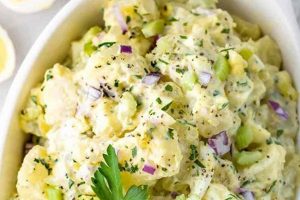
This dish typically features cooked turkey, mayonnaise, and a blend of celery, onion, and sweet pickle relish. Often, hard-boiled eggs and seasonings like mustard powder, salt, and pepper are included. Variations may incorporate pecans, grapes, or cranberries for added sweetness and texture. A simple yet satisfying dish, it can be enjoyed as a sandwich filling, a light lunch on its own, or served with crackers or lettuce cups.
A staple in many Southern US households, this type of salad offers a flavorful way to utilize leftover turkey, making it a popular choice after holidays like Thanksgiving and Christmas. Its adaptable nature allows for personalized variations based on regional preferences and seasonal ingredients. Its historical roots likely stem from the practicality of repurposing roasted meats combined with readily available produce, resulting in a dish that is both economical and delicious. This enduring appeal highlights its place within the broader context of Southern culinary traditions.
Further exploration will detail various preparation methods, ingredient substitutions for dietary restrictions, and serving suggestions for different occasions. This information aims to provide a comprehensive understanding of this classic dish and inspire culinary creativity.
Tips for a Delicious Turkey Salad
Elevating this classic dish requires attention to detail and an understanding of key ingredients. The following tips offer guidance for creating a truly exceptional turkey salad.
Tip 1: Selecting the Turkey: Roasted turkey provides the best flavor. Store-bought rotisserie chicken or leftover Thanksgiving turkey work well. Avoid overly processed deli turkey, as it can result in a bland salad.
Tip 2: Mayonnaise Matters: High-quality mayonnaise is crucial for flavor and texture. Consider using a combination of mayonnaise and plain Greek yogurt for a lighter, tangier version.
Tip 3: Balancing the Ingredients: Achieve a harmonious blend of flavors by using appropriate ratios of ingredients. Too much celery or onion can overpower the delicate turkey flavor.
Tip 4: Enhancing the Texture: Finely diced celery and onion provide a pleasant crunch. Toasted pecans or walnuts can add further textural complexity.
Tip 5: Seasoning Strategically: Salt and pepper are essential. A touch of Dijon mustard, celery seed, or paprika can elevate the flavor profile. Fresh herbs like dill or chives can add brightness.
Tip 6: Chilling for Optimal Flavor: Allowing the salad to chill in the refrigerator for at least 30 minutes allows the flavors to meld, resulting in a more cohesive taste.
Tip 7: Creative Serving Suggestions: Beyond traditional bread, consider serving the salad on croissants, lettuce cups, or as a filling for avocados or tomatoes.
By following these tips, one can create a turkey salad that is both flavorful and satisfying. Attention to ingredient selection, balanced flavors, and proper chilling contribute significantly to the overall dining experience.
These tips provide a foundation for culinary exploration and encourage personalized variations to suit individual preferences.
1. Fresh, High-Quality Ingredients

The success of a Southern turkey salad rests significantly on the quality of its ingredients. Freshly roasted turkey, as opposed to processed deli meat, provides a depth of flavor that significantly elevates the dish. Crisp, recently purchased celery and onion offer a satisfying texture and a clean, bright taste, contrasting with the richness of the mayonnaise. Using high-quality mayonnaise itself is paramount; its creamy texture and tangy flavor form the foundation of the salad’s dressing. Even seemingly minor components, like freshly ground black pepper and a good quality salt, contribute noticeably to the overall complexity and balance.
Consider the impact of using wilted celery or onion. Their diminished flavor and limp texture detract from the salad’s overall appeal. Similarly, using pre-ground pepper or inexpensive mayonnaise can result in a bland, uninspired final product. Conversely, a salad made with a freshly roasted turkey breast, vibrant produce, and a premium mayonnaise offers a superior sensory experience. The difference is palpable. One bite reveals the bright notes of the celery, the subtle sweetness of the onion, and the savory depth of the perfectly seasoned turkey, all brought together by the rich, creamy mayonnaise. This illustrates the direct correlation between ingredient quality and the final dish’s enjoyment.
Investing in fresh, high-quality ingredients represents an investment in the overall dining experience. While cost considerations are always relevant, the difference in taste and satisfaction often justifies the minor price difference between generic and premium ingredients. Understanding the pivotal role of ingredient quality empowers one to create a truly exceptional Southern turkey salad. It transforms a simple dish into a culinary delight, demonstrating the significant impact of sourcing and selecting the finest components.
2. Balanced Flavor Profile

A balanced flavor profile is essential for a successful Southern turkey salad. It distinguishes a truly enjoyable salad from a mediocre one. Achieving this balance involves carefully considering the interplay of different tastessweet, savory, tangy, and acidicand ensuring no single flavor dominates. This nuanced approach elevates the dish, creating a harmonious and satisfying culinary experience.
- Savory Foundation:
The savory base of the salad primarily comes from the turkey itself. Choosing roasted or rotisserie turkey over processed deli meat contributes a richer, more authentic flavor. This foundation sets the stage for other ingredients to complement and enhance the overall profile. Selecting a high-quality protein source is crucial for a flavorful outcome.
- Creamy and Tangy Notes:
Mayonnaise provides the creamy texture and a subtle tang. The quality of mayonnaise significantly impacts the final product; a richer, more flavorful mayonnaise elevates the salad, while a bland one can detract from it. A touch of Dijon mustard can further enhance the tangy notes, adding complexity. Greek yogurt can be incorporated for a lighter, brighter tang, while maintaining the desired creaminess.
- Balancing Sweetness and Acidity:
Sweet pickle relish introduces sweetness and acidity. This counterbalances the richness of the mayonnaise and the savory turkey. The amount of relish used requires careful consideration; too much can overpower other flavors, while too little can leave the salad lacking in brightness. Some recipes incorporate a touch of sugar or a sweeter onion variety like Vidalia to further enhance this dimension.
- Textural and Flavorful Accents:
Ingredients like celery and onion add crucial texture and subtle flavors. Celery provides a refreshing crunch and a slightly bitter note that contrasts with the richness of the other components. Onion, depending on the variety, contributes sweetness or sharpness, further layering the flavor profile. Toasted pecans or walnuts can introduce a nutty element and pleasing textural contrast.
The interplay of these elements creates a well-rounded Southern turkey salad. The savory base, the creamy and tangy notes, the balanced sweetness and acidity, and the textural and flavorful accents work in concert, resulting in a dish that is more than the sum of its parts. Understanding and manipulating these components allows for customization and ensures a flavorful, satisfying experience.
3. Proper Chilling Time

Proper chilling time plays a crucial role in the final quality of Southern turkey salad. Chilling allows the flavors of the various ingredients to meld and harmonize, resulting in a more cohesive and flavorful dish. This seemingly simple step significantly impacts the overall dining experience, transforming a simple mixture of ingredients into a well-rounded, balanced salad.
- Flavor Development:
Chilling allows the individual flavors of the turkey, mayonnaise, celery, onion, and other ingredients to blend together. This fusion creates a more complex and nuanced flavor profile than immediately after mixing. The flavors mature and deepen, resulting in a more satisfying taste. Similar to how a stew or soup improves with time, the chilling period provides an opportunity for the individual components of the salad to harmonize.
- Texture Enhancement:
Chilling firms the texture of the salad, making it easier to handle and spread. This is particularly important when using the salad as a sandwich filling or serving it on crackers. The colder temperature also enhances the perceived crunch of the celery and onion, providing a more enjoyable textural contrast against the creamy mayonnaise. The chilling process prevents the salad from becoming watery or mushy, maintaining its structural integrity.
- Food Safety:
Chilling is essential for food safety, particularly with mayonnaise-based salads. Maintaining a safe temperature below 40F (4C) inhibits the growth of harmful bacteria. This precaution is crucial for preventing foodborne illnesses. Adhering to safe food handling practices is paramount when preparing any dish containing perishable ingredients.
- Optimal Serving Temperature:
A chilled turkey salad is simply more refreshing and palatable, especially in warmer weather. The cool temperature provides a welcome contrast to the richness of the mayonnaise and the savory flavors of the other ingredients. Serving the salad chilled enhances the overall sensory experience, making it more enjoyable to consume.
Therefore, proper chilling is not merely a suggestion but a crucial step in creating a truly delicious Southern turkey salad. It enhances flavor development, improves texture, ensures food safety, and provides the optimal serving temperature. By allowing sufficient chilling time, typically at least 30 minutes, one ensures the best possible outcome, showcasing the full potential of this classic dish. This attention to detail elevates the salad from a simple combination of ingredients to a carefully crafted culinary creation.
4. Creative Serving Options

Serving options significantly influence the overall dining experience of a Southern turkey salad. While the classic sandwich remains a staple, exploring creative alternatives broadens culinary horizons and allows for greater versatility. These options cater to diverse preferences and occasions, transforming a traditional dish into a customizable culinary canvas. Consideration of presentation and complementary elements elevates the dish beyond a simple meal.
- Beyond the Bread:
Traditional sandwich bread provides a familiar and convenient vessel. However, substituting croissants, biscuits, or even lettuce wraps introduces textural and flavor nuances. Croissants offer a buttery, flaky counterpoint, while biscuits provide a heartier, more substantial base. Lettuce wraps cater to lighter, low-carb preferences. This adaptability demonstrates the salad’s versatility and its capacity to accommodate dietary restrictions or preferences.
- Appetizer Applications:
Miniature phyllo cups or endive leaves filled with turkey salad offer elegant, bite-sized appetizers suitable for parties or gatherings. These presentations elevate the dish’s aesthetic appeal and provide a convenient, portion-controlled serving. Adding a garnish of fresh herbs or a sprinkle of paprika further enhances the visual appeal, transforming a simple salad into a sophisticated hors d’oeuvre.
- Salads and Bowls:
Incorporating turkey salad into a larger salad expands the nutritional value and textural complexity. A bed of mixed greens topped with turkey salad, cherry tomatoes, cucumbers, and a light vinaigrette offers a refreshing and balanced meal. Alternatively, the salad can serve as a component within a grain bowl, alongside quinoa, roasted vegetables, and a flavorful dressing. This approach reimagines the salad as a versatile ingredient within a larger culinary composition.
- Stuffed Vegetables:
Hollowed-out tomatoes or avocados provide visually appealing and flavorful vessels for turkey salad. These options not only enhance presentation but also introduce complementary flavors and textures. The acidity of the tomato balances the richness of the mayonnaise, while the creamy avocado complements the turkeys savory notes. These combinations highlight the potential for creating harmonious flavor pairings and expanding the dish’s versatility.
Exploring creative serving options demonstrates the adaptability and versatility of Southern turkey salad. Moving beyond the traditional sandwich format expands the dish’s culinary potential, catering to diverse tastes and occasions. Whether presented as elegant appetizers, incorporated into refreshing salads, or nestled within flavorful vegetables, the core components of the salad remain a constant, adaptable foundation. This flexibility reinforces the dish’s enduring appeal and its capacity for culinary innovation.
5. Regional Variations
Regional variations within Southern turkey salad recipes offer a fascinating glimpse into the diverse culinary landscape of the American South. While the core componentsturkey, mayonnaise, and aromaticsremain constant, subtle additions and ingredient substitutions reflect local traditions, ingredient availability, and evolving culinary preferences. These variations highlight the dynamic nature of Southern cuisine and its capacity for adaptation and innovation.
- Coastal Influences:
Coastal regions often incorporate seafood elements into their turkey salads. Shrimp or crab may be added, lending a briny sweetness and a distinct oceanic character. Fresh herbs like dill and tarragon, commonly found in coastal areas, further enhance this maritime influence. This reflects the readily available seafood and the culinary traditions of these regions.
- Appalachian Adaptations:
In the Appalachian Mountains, ingredients like chopped apples, walnuts, and dried cranberries frequently appear in turkey salads. These additions introduce a contrasting sweetness and textural complexity. The use of locally sourced ingredients reflects the region’s emphasis on seasonality and resourcefulness. This demonstrates how regional variations adapt to local agricultural practices and available produce.
- Lowcountry Flavors:
The Lowcountry of South Carolina and Georgia often features a spicier rendition of turkey salad. A dash of cayenne pepper or a spoonful of chopped pickled jalapeos adds a fiery kick, reflecting the region’s affinity for bold flavors. The incorporation of rice, a staple in Lowcountry cuisine, further distinguishes this regional variation. These adaptations showcase the influence of climate, agriculture, and cultural preferences on culinary traditions.
- Delta Delights:
The Mississippi Delta region often incorporates pecans, a regional crop, into turkey salad. This addition provides a buttery richness and a satisfying crunch, complementing the creamy mayonnaise and savory turkey. Sweet pickle relish, often made with locally grown cucumbers, adds a tangy sweetness. This demonstrates how regional variations highlight the use of local ingredients and celebrate the area’s agricultural heritage.
These regional variations demonstrate the adaptability and enduring appeal of Southern turkey salad. While the core elements remain consistent, regional influences shape the dish, reflecting the unique culinary heritage of each area. These adaptations underscore the dynamic interplay between tradition and innovation within Southern cuisine, illustrating how a simple dish can evolve and express the diverse flavors of a region.
Frequently Asked Questions
This section addresses common inquiries regarding the preparation and enjoyment of Southern turkey salad.
Question 1: What type of turkey is best suited for this salad?
Roasted turkey, whether homemade or store-bought rotisserie, offers optimal flavor. Leftover holiday turkey also works exceptionally well. Processed deli turkey is generally less suitable due to its often bland flavor and added sodium.
Question 2: Can mayonnaise be substituted with a healthier alternative?
Plain Greek yogurt can partially or fully replace mayonnaise, resulting in a lighter, tangier salad with reduced fat content. Avocado can also be used, adding a creamy texture and healthy fats.
Question 3: How long can turkey salad be safely stored in the refrigerator?
Properly stored in an airtight container, it typically remains safe for consumption for three to five days. Beyond this timeframe, the risk of bacterial growth increases significantly.
Question 4: What can be added to enhance the flavor profile?
Fresh herbs, such as dill, chives, or tarragon, can brighten the flavor. Spices like paprika, celery seed, or a dash of cayenne pepper introduce complexity. Toasted nuts, such as pecans or walnuts, contribute both flavor and textural contrast.
Question 5: Can this salad be frozen?
Freezing is generally not recommended. Mayonnaise-based dressings can separate upon thawing, resulting in an undesirable texture. The celery and onion also lose their desirable crispness when frozen.
Question 6: How can one adapt the recipe to accommodate dietary restrictions?
Gluten-free bread or lettuce wraps easily address gluten sensitivities. Substituting Greek yogurt or avocado for mayonnaise reduces fat content. Adjusting the amount of sweet pickle relish caters to varying sugar preferences. Omitting nuts accommodates nut allergies.
Addressing these common inquiries aims to clarify potential uncertainties and facilitate a more informed approach to preparing and enjoying this versatile dish.
The following section will provide a detailed, step-by-step recipe guide for crafting the perfect Southern turkey salad.
Southern Turkey Salad Recipe
Exploration of this classic dish reveals its enduring appeal rooted in simplicity, adaptability, and flavor. From ingredient selection emphasizing fresh, high-quality components to the careful balancing of savory, sweet, and tangy elements, crafting a truly exceptional salad requires attention to detail. Proper chilling allows flavors to meld, enhancing the overall dining experience. Creative serving options, ranging from traditional sandwiches to elegant appetizers and composed salads, showcase the dish’s versatility. Regional variations, incorporating local ingredients and flavor profiles, further highlight its adaptability and cultural significance within the broader context of Southern cuisine.
The enduring popularity of this dish speaks to its ability to satisfy a variety of palates and adapt to diverse culinary traditions. Continued exploration of ingredient combinations and presentations ensures its relevance in contemporary kitchens while preserving its historical significance. Ultimately, the recipe serves as a foundation for culinary creativity, encouraging adaptation and personalization within the framework of a beloved classic.