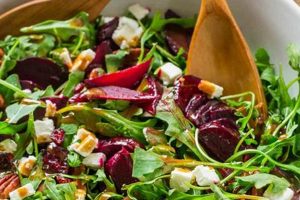
A vibrant and flavorful salad typically combines earthy roasted or pickled beets with the tangy creaminess of goat cheese. Complementary ingredients often include leafy greens like spinach or arugula, crunchy elements such as walnuts or pecans, and a light vinaigrette, often citrus-based. Variations may incorporate other vegetables, fruits, or herbs.
This combination offers a nutritional powerhouse, with beets providing essential vitamins and minerals, and goat cheese contributing protein and calcium. The contrasting textures and flavors create a balanced and satisfying dish. Historically, both beets and goat cheese have been culinary staples in various cultures, and their combined use in salads reflects a modern appreciation for simple yet elegant cuisine.
Further exploration will cover variations on this classic combination, including specific ingredient recommendations, preparation techniques, and tips for achieving optimal flavor balance and presentation.
Tips for a Perfect Beetroot and Goat Cheese Salad
Elevating a simple beetroot and goat cheese salad to an extraordinary culinary experience involves attention to detail and a balance of flavors and textures. The following tips offer guidance in achieving optimal results.
Tip 1: Beet Preparation: Roasting beets intensifies their sweetness and earthiness. Wrap beets individually in foil with a drizzle of olive oil and roast until tender. Alternatively, pre-cooked, vacuum-packed beets offer convenience.
Tip 2: Goat Cheese Selection: Consider different goat cheese varieties. Soft, fresh chvre provides a creamy texture, while aged goat cheese offers a more complex, tangy flavor.
Tip 3: Balancing Flavors: A citrus vinaigrette, often lemon or orange-based, cuts through the richness of the cheese and complements the sweetness of the beets. A touch of honey or maple syrup can further enhance the flavor profile.
Tip 4: Textural Contrast: Incorporate crunchy elements such as toasted walnuts, pecans, or pumpkin seeds. These provide a satisfying counterpoint to the soft beets and cheese.
Tip 5: Leafy Green Selection: Baby spinach, arugula, or mixed greens provide a bed of freshness. Avoid overly bitter greens that might clash with the other flavors.
Tip 6: Proportions and Presentation: Ensure a balanced ratio of beets, cheese, and greens. Consider the visual appeal by arranging components thoughtfully. A sprinkle of fresh herbs can add an elegant finishing touch.
Tip 7: Seasoning: A light seasoning of salt and freshly ground black pepper enhances the overall flavor profile. Avoid over-salting, as the goat cheese can be naturally salty.
By following these suggestions, one can create a beetroot and goat cheese salad that is both visually appealing and a delight to the palate. Attention to detail in ingredient selection, preparation, and presentation ensures a truly memorable culinary experience.
These tips provide a strong foundation for crafting a delightful salad. Experimentation with different ingredients and variations allows for personalized adaptations to suit individual preferences.
1. Beet Preparation (Roasting, Pickling)

Beet preparation forms the foundation of a successful beetroot and goat cheese salad. The method employed significantly influences the vegetable’s flavor profile and texture, ultimately impacting the final dish. Roasting and pickling represent two distinct yet equally valid approaches, each offering unique benefits.
- Roasting
Roasting beets in a hot oven caramelizes their natural sugars, intensifying their sweetness and developing a tender, almost melt-in-the-mouth texture. This method enhances the earthy notes inherent in beets, creating a robust flavor that complements the tangy goat cheese. Roasting also concentrates the beet’s flavor, preventing it from becoming diluted in the salad.
- Pickling
Pickling introduces a vibrant acidity that balances the richness of the goat cheese and adds a refreshing counterpoint to the earthy beets. The pickling process also imparts a crisp, firm texture, creating an interesting textural contrast within the salad. Furthermore, pickled beets offer a longer shelf life compared to roasted beets.
- Flavor Enhancement
Both roasting and pickling offer opportunities to infuse beets with additional flavors. Herbs, spices, and aromatics can be added during roasting, while pickling liquids can incorporate various spices, herbs, and citrus elements. This customization allows for a wide range of flavor profiles tailored to individual preferences.
- Impact on Salad Composition
The chosen beet preparation method influences the salad’s overall character. Roasted beets contribute a warm, earthy sweetness, while pickled beets lend a bright, tangy edge. This choice allows for customization based on desired flavor profiles and seasonal considerations.
Ultimately, the preferred beet preparation method depends on the desired flavor profile and textural preferences. Both roasting and pickling offer distinct advantages, allowing for versatility and culinary creativity within the context of a beetroot and goat cheese salad. Understanding these nuances ensures a well-balanced and flavorful final dish.
2. Goat cheese selection (fresh, aged)
Goat cheese selection significantly influences the overall flavor profile and textural experience of a beetroot and goat cheese salad. The spectrum of goat cheese, ranging from fresh, creamy chvre to aged, firm varieties, offers distinct characteristics that interact dynamically with the other salad components. Understanding these nuances allows for informed decisions aligned with specific culinary goals.
Fresh chvre contributes a creamy, tangy element that contrasts pleasantly with the earthy sweetness of roasted beets. Its delicate texture melts slightly when combined with warm ingredients, creating a luscious mouthfeel. Conversely, aged goat cheese provides a more assertive, pungent flavor and a firmer texture. This adds a pronounced tang and a crumbly dimension that contrasts with the soft beets. A salad featuring aged goat cheese offers a bolder flavor experience compared to one using fresh chvre.
For example, a salad with roasted beets, candied pecans, and fresh chvre creates a balanced interplay of sweet, tangy, and crunchy elements, where the creaminess of the cheese binds the flavors harmoniously. Alternatively, a salad composed of pickled beets, toasted walnuts, and aged goat cheese delivers a more intense flavor experience, highlighting the tanginess of both the cheese and beets, with the nuts providing a contrasting texture.
Practical application of this knowledge empowers informed choices based on desired outcomes. If a milder, creamier profile is desired, fresh chvre proves ideal. For a bolder, more complex flavor experience, aged goat cheese provides a more impactful contribution. Careful consideration of goat cheese selection allows for strategic flavor and texture manipulation, ultimately leading to a more satisfying and balanced beetroot and goat cheese salad.
3. Complementary Ingredients

Complementary ingredients elevate a beetroot and goat cheese salad from simple to sophisticated. These additions contribute not only to flavor complexity but also textural variation and visual appeal. Careful selection ensures a harmonious balance, transforming individual components into a cohesive and delightful culinary experience. Consideration of flavor profiles, textures, and colors guides ingredient choices.
Leafy greens form the foundation, providing a bed of freshness. Arugula offers peppery notes, while spinach contributes a mild sweetness. Other options include watercress, frise, or mixed greens. Crunchy elements, such as toasted walnuts, pecans, or pumpkin seeds, introduce a satisfying textural contrast to the soft cheese and beets. These additions also contribute healthy fats and enhance the salad’s nutritional value. Fruits, like sliced oranges or pears, provide sweetness and juiciness, counterbalancing the earthiness of the beets and the tang of the goat cheese. Dried cranberries or cherries offer a chewy texture and concentrated sweetness.
A simple vinaigrette enhances the salad’s flavor profile. A classic citrus vinaigrette, made with lemon or orange juice, olive oil, and a touch of honey, brightens the dish and complements the other ingredients. Alternatively, a balsamic vinaigrette adds a subtle sweetness and acidity. Fresh herbs provide an aromatic lift and visual appeal. Chopped chives, dill, or mint contribute distinct flavors that enhance the overall sensory experience. These additions should be used sparingly to avoid overpowering the delicate balance of flavors. Understanding the interplay of these complementary ingredients allows for informed choices, maximizing flavor, texture, and presentation.
4. Vinaigrette (citrus, balsamic)

Vinaigrette selection plays a crucial role in a successful beetroot and goat cheese salad, acting as a unifying element that harmonizes the diverse flavors and textures. The right vinaigrette enhances the sweetness of the beets, complements the tanginess of the goat cheese, and adds brightness to the overall composition. Citrus and balsamic-based vinaigrettes offer distinct yet equally compelling options.
- Citrus Vinaigrettes
Citrus vinaigrettes, typically lemon or orange-based, provide a refreshing acidity that cuts through the richness of the goat cheese and enhances the sweetness of the beets. The bright, zesty notes lift the earthy flavors, creating a balanced and vibrant flavor profile. Examples include a classic lemon vinaigrette with olive oil, Dijon mustard, and honey, or an orange vinaigrette with a hint of ginger.
- Balsamic Vinaigrettes
Balsamic vinaigrettes offer a deeper, more complex flavor profile. The sweetness and slight acidity of balsamic vinegar complement both the beets and goat cheese. A balsamic vinaigrette adds a touch of sophistication to the salad. A simple balsamic vinaigrette might combine balsamic vinegar, olive oil, and a touch of Dijon mustard, while more complex versions could incorporate fig or maple syrup.
- Balancing Flavors
The choice between citrus and balsamic depends on the desired flavor profile. A citrus vinaigrette emphasizes brightness and freshness, while balsamic offers a richer, more nuanced flavor. Consider the other salad components when selecting a vinaigrette. For example, a salad with candied pecans and fresh goat cheese might benefit from a bright citrus vinaigrette, while a salad with walnuts and aged goat cheese might pair well with a balsamic vinaigrette.
- Emulsification and Texture
Proper emulsification of the vinaigrette ensures a smooth, even coating on the salad ingredients. This prevents the vinaigrette from separating and creates a more pleasant textural experience. A stable emulsion also enhances the visual appeal of the salad.
The vinaigrette acts as a bridge, connecting the individual components of the beetroot and goat cheese salad into a cohesive whole. Careful consideration of vinaigrette type ensures a harmonious balance of flavors, elevating the salad from a simple combination of ingredients to a sophisticated and satisfying culinary experience.
5. Textural Contrast (Nuts, Seeds)

Textural contrast contributes significantly to the sensory experience of a beetroot and goat cheese salad. The inherent softness of roasted or pickled beets and the creamy or crumbly nature of goat cheese benefit from the incorporation of crunchy elements. Nuts and seeds provide this essential counterpoint, elevating the salad from a simple combination of ingredients to a more complex and satisfying dish. This textural diversity enhances enjoyment by stimulating a broader range of tactile receptors during consumption.
Walnuts, pecans, and pumpkin seeds represent popular choices, each offering unique characteristics. Walnuts contribute a robust, earthy flavor and a substantial crunch, while pecans provide a delicate buttery flavor and a finer texture. Pumpkin seeds offer a subtly sweet and nutty taste with a distinct crispness. The chosen nut or seed should complement the other salad components, enhancing the overall balance of flavors and textures. For instance, candied pecans might pair well with fresh goat cheese and a citrus vinaigrette, whereas toasted walnuts might complement aged goat cheese and a balsamic vinaigrette. The quantity of nuts or seeds also requires consideration; an excessive amount can overwhelm the other flavors and textures, while too few fail to provide the desired contrast.
Understanding the impact of textural contrast allows for strategic ingredient selection and preparation techniques to achieve optimal results. Toasted nuts and seeds offer a more pronounced crunch and intensified flavor compared to their raw counterparts. Additionally, the size of the pieces influences the textural experience. Coarsely chopped nuts provide a more substantial crunch, while finely chopped nuts offer a gentler contrast. Successfully incorporating textural elements, specifically nuts and seeds, elevates the beetroot and goat cheese salad from a simple dish to a multi-dimensional culinary experience, showcasing the interplay of flavors, textures, and aromas.
6. Presentation and plating

Presentation and plating significantly impact the perceived value and enjoyment of a beetroot and goat cheese salad. While flavor and ingredient quality remain paramount, visual appeal enhances the overall dining experience. Thoughtful arrangement transforms a simple salad into an aesthetically pleasing culinary creation, stimulating appetite and enhancing enjoyment. Strategic placement of components allows for highlighting color contrasts and textural variations.
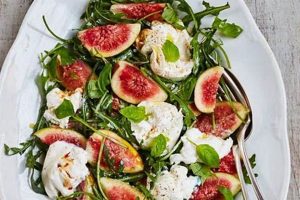
Consider a scenario where roasted beet slices are artfully arranged alongside crumbled goat cheese, interspersed with toasted walnuts and fresh arugula. A drizzle of vinaigrette completes the presentation, adding a touch of gloss and visual interest. This approach emphasizes the vibrant colors and varied textures, creating a more engaging culinary experience compared to simply tossing all ingredients together. Layering elements adds depth and dimension. For example, a bed of greens topped with sliced beets, followed by crumbled goat cheese, and finally sprinkled with nuts and a light vinaigrette creates a visually appealing and texturally satisfying presentation.
Practical application of plating techniques elevates the perceived quality of the salad. Using appropriate servingware, such as a shallow bowl or a flat plate, provides an optimal canvas for showcasing the arrangement. Garnishes, such as a sprinkle of fresh herbs or a drizzle of balsamic glaze, add finishing touches that enhance visual appeal and introduce subtle flavor nuances. Ultimately, attention to presentation and plating demonstrates care and attention to detail, transforming a simple beetroot and goat cheese salad into a memorable culinary experience.
Frequently Asked Questions
This section addresses common inquiries regarding beetroot and goat cheese salad preparation, offering practical guidance and clarifying potential uncertainties.
Question 1: Can canned beets be used as a substitute for fresh beets?
While canned beets offer convenience, they often lack the vibrant flavor and texture of fresh, roasted beets. If using canned beets, opt for those packed in water rather than syrup, and consider roasting them briefly to enhance their flavor.
Question 2: What type of goat cheese is best suited for this salad?
Both fresh and aged goat cheese complement this salad. Fresh chvre offers a creamy texture, while aged goat cheese provides a more assertive, tangy flavor. The choice depends on individual preference.
Question 3: How can the salad be adapted for dietary restrictions?
Adaptations for dietary needs are straightforward. For gluten-free versions, ensure all ingredients, including the vinaigrette, are gluten-free. Vegan alternatives to goat cheese, such as cashew-based cheeses, can be substituted.
Question 4: How long can the salad be stored?
Storage time depends on the preparation method. Roasted beets and assembled salads are best consumed fresh. Pickled beets, stored separately, can last for several weeks in the refrigerator. Always store components separately and combine just before serving to maintain optimal texture and prevent flavors from muddling.
Question 5: How can one prevent the beets from staining other ingredients?
Handling beets carefully minimizes staining. Wear gloves during preparation, and add the beets to the salad just before serving. Pre-cooked, vacuum-packed beets also minimize staining issues.
Question 6: What are some alternative ingredients for those with nut allergies?
For individuals with nut allergies, sunflower seeds, pumpkin seeds, or roasted chickpeas offer crunchy alternatives to nuts. These options provide similar textural contrast and enhance the overall sensory experience.
Addressing these common queries facilitates successful preparation and enjoyment of a beetroot and goat cheese salad, accommodating various preferences and dietary needs.
The following section provides a sample recipe incorporating the principles discussed throughout this article.
Beetroot Goats Cheese Salad Recipe
Exploration of beetroot goats cheese salad recipes reveals a dish offering versatility and nutritional value. Careful consideration of beet preparation, goat cheese selection, complementary ingredients, vinaigrette, textural contrast, and presentation elevates this simple combination to a sophisticated culinary experience. From the earthy sweetness of roasted beets to the tangy complexity of goat cheese, each element contributes to a harmonious balance of flavors and textures. Understanding these nuances empowers informed choices, maximizing the potential of this versatile salad.
The adaptability of beetroot goats cheese salad recipes allows for endless variations, catering to individual preferences and dietary needs. Continued exploration of flavor combinations and presentation techniques promises further culinary innovation, solidifying this salad’s place as a contemporary classic. Its enduring appeal lies in the harmonious blend of simple ingredients, transformed through thoughtful preparation and presentation into a dish that delights both the palate and the eye.