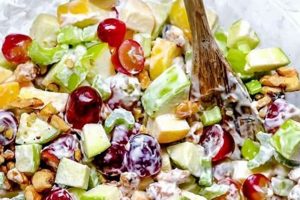
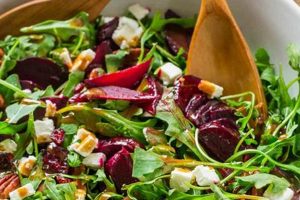
A molded fruit salad featuring cranberries suspended in a gelatin base is a classic holiday dish. Variations often incorporate other ingredients, such as chopped nuts, oranges, or pineapple, to enhance texture and flavor. A prepared dish often showcases vibrant red hues and a jiggly consistency, making it a visually appealing addition to festive meals.
This type of congealed salad gained popularity in the mid-20th century with the rise of convenience foods. The ease of preparation and attractive presentation made it a staple at potlucks and holiday gatherings. Beyond its visual appeal, this dish offers a refreshing, sweet-tart flavor profile that complements richer holiday fare. Furthermore, the cranberry component can contribute antioxidants and other potential health benefits.
The following sections will explore various aspects of creating this dish, including ingredient selection, preparation techniques, and creative variations to suit diverse tastes and dietary needs.
Tips for a Perfect Cranberry Gelatin Salad
Achieving optimal texture and flavor requires attention to detail throughout the preparation process. These tips offer guidance for creating a successful and satisfying dish.
Tip 1: Cranberry Sauce Selection: Whole berry cranberry sauce contributes a more appealing texture and brighter flavor than jellied cranberry sauce.
Tip 2: Gelatin Dissolution: Ensure complete dissolution of the gelatin granules in boiling water before incorporating other ingredients. Undissolved granules create an unpleasant, gritty texture.
Tip 3: Mold Preparation: Lightly coat the mold with cooking spray or a thin layer of oil to facilitate easy removal of the set salad.
Tip 4: Chill Time: Allow adequate chilling time for the gelatin to set completely. A minimum of four hours is typically recommended.
Tip 5: Serving Suggestions: Consider garnishing the unmolded salad with fresh mint sprigs, orange slices, or candied cranberries. This elevates the presentation and adds a touch of elegance.
Tip 6: Layering for Visual Appeal: Create a visually striking presentation by layering different colors of gelatin or incorporating layers of fruit and nuts.
Tip 7: Balancing Sweetness and Tartness: The sweetness of the gelatin can be balanced by incorporating tart ingredients such as orange juice or pineapple chunks.
By following these tips, one can create a visually appealing and flavorful dish suitable for any occasion.
The following section will offer variations on this classic dish, providing inspiration for customized creations.
1. Ingredients

Ingredient selection significantly influences the final quality and character of a cranberry gelatin salad. Each component contributes specific properties that affect texture, flavor, and overall appearance. The foundation typically includes a flavored gelatin powder, which provides the structural matrix of the salad. Cranberry sauce, either whole berry or jellied, imparts the characteristic tart-sweet flavor and vibrant red color. Additional ingredients, such as fruit pieces (oranges, pineapple, grapes) and nuts (pecans, walnuts), introduce textural complexity and complementary flavors. The choice of liquid, often water or fruit juice, impacts both flavor and setting properties. For example, substituting orange juice for water enhances the citrus notes and complements the cranberry’s tartness, while using a lower liquid volume results in a firmer set. The quality of ingredients directly correlates with the final product; fresh, high-quality fruit contributes superior flavor and visual appeal compared to canned or frozen alternatives.
Careful consideration of ingredient interactions is essential. Balancing sweetness and tartness requires attention to the sugar content of the cranberry sauce and other added fruits. Certain fruits, such as pineapple, contain enzymes that can inhibit gelatin setting. Pre-cooking or using canned pineapple mitigates this effect. Understanding these potential interactions enables informed ingredient choices and successful recipe adaptation. For instance, if incorporating fresh pineapple, a small adjustment to the gelatin quantity might be necessary to achieve the desired firmness. Substituting different types of fruit juice or adding spices like cinnamon or cloves allows for customized flavor profiles.
A thorough understanding of ingredient contributions enables informed choices that optimize the final product. Balancing flavors, ensuring proper setting, and enhancing visual appeal all depend on careful ingredient selection. This knowledge empowers customization and successful recipe execution, resulting in a dish that satisfies individual preferences and dietary requirements. Successfully navigating ingredient interactions can elevate a simple cranberry gelatin salad from an ordinary dish to a culinary highlight.
2. Preparation

Proper preparation is crucial for a successful cranberry gelatin salad. The process involves several key steps that influence the final texture, flavor, and appearance of the dish. Understanding and executing these steps correctly ensures a satisfying culinary outcome.
- Dissolving the Gelatin:
Complete dissolution of the gelatin is paramount for achieving the desired smooth texture. Gelatin granules must be fully dissolved in boiling water before other ingredients are added. Incomplete dissolution results in an unpleasant, grainy consistency. This step requires careful attention to ensure all granules are incorporated into the hot water and fully dispersed before proceeding.
- Incorporating the Cranberry Sauce:
The method of incorporating the cranberry sauce affects the final appearance of the salad. Whole berry cranberry sauce can be added directly, contributing visual appeal and textural variation. Alternatively, it can be blended for a smoother, more uniform appearance. Jellied cranberry sauce should be broken down to avoid large clumps. Proper mixing ensures even distribution of cranberry flavor and color throughout the gelatin mixture.
- Adding Additional Ingredients:
The timing of adding supplementary ingredients, such as fruits and nuts, influences their distribution within the molded salad. Adding these components while the gelatin is still slightly warm allows them to suspend evenly throughout the mixture. If added too early, they may sink to the bottom; if added too late, they might not distribute properly. This step requires careful monitoring of the gelatin’s temperature and consistency.
- Chilling and Molding:
Sufficient chilling time allows the gelatin to set completely, resulting in the desired firm texture. The choice of mold affects the final presentation. Lightly oiling the mold ensures easy release of the set salad. Chilling time varies depending on the recipe and the desired firmness. Premature unmolding can result in a collapsed or misshapen salad, highlighting the importance of adequate chilling.
Careful execution of each preparation step ensures a cranberry gelatin salad with optimal texture, flavor, and visual appeal. These steps are interconnected; each influences the final product. Attention to detail throughout the process, from dissolving the gelatin to chilling the molded salad, contributes significantly to the overall success of the dish.
3. Texture

Texture plays a pivotal role in the overall sensory experience of a cranberry gelatin salad. The interplay between the smooth, yielding gelatin and the interspersed ingredients contributes significantly to its appeal. The characteristic “jiggle” of the set gelatin is a defining feature, offering a unique textural contrast to other salad types. This textural element is influenced by several factors, including the concentration of gelatin, the chilling time, and the presence of additional ingredients. A higher gelatin concentration results in a firmer texture, while insufficient chilling can yield a softer, less stable structure. Incorporating ingredients like chopped nuts or whole cranberries introduces textural complexity, contrasting the smooth gelatin with crunchy or chewy elements. For instance, the smooth gelatin matrix provides a backdrop for the burst of tartness from a whole cranberry, enhancing the sensory experience. The interplay of textures creates a multi-dimensional mouthfeel that distinguishes this dish from other salads.
The choice of cranberry sauce also significantly impacts the textural profile. Whole berry cranberry sauce introduces a pleasant chewiness and visual interest with the distinct berries suspended within the gelatin. Conversely, jellied cranberry sauce creates a smoother, more homogenous texture. The selection of additional ingredients further influences the textural experience. Crisp ingredients like diced celery or chopped apples provide a contrasting crunch, while softer fruits like grapes or mandarin orange segments offer a juicy burst. Consider a salad with whole cranberries, chopped pecans, and diced oranges: the smooth gelatin provides the foundation, the cranberries offer a chewy burst of tartness, the pecans introduce a satisfying crunch, and the oranges contribute juicy segments. This combination demonstrates how varied textural elements create a more engaging and enjoyable culinary experience.
Understanding the factors that contribute to texture allows for manipulation and customization of the final product. Balancing smooth, chewy, and crunchy elements enhances the sensory appeal. Controlling the gelatin concentration and chilling time allows for tailoring the firmness to individual preferences. Strategic ingredient selection creates textural complexity, elevating the dish beyond a simple combination of flavors. Achieving the desired textural profile is crucial for a truly satisfying cranberry gelatin salad experience. This attention to texture transforms the dish from a simple side into a more complex and enjoyable culinary creation.
4. Flavor
Flavor forms a cornerstone of the cranberry gelatin salad experience, arising from a delicate balance between sweetness and tartness. The inherent tartness of cranberries provides a refreshing counterpoint to the sweetness of the gelatin base. This interplay is crucial; an overly sweet salad can be cloying, while excessive tartness can be unappealing. The specific type of cranberry sauce influences the overall flavor profile. Whole berry cranberry sauce, with its distinct berries, offers a more pronounced tartness and textural complexity compared to the smoother, sweeter profile of jellied cranberry sauce. The choice of liquid further modulates the flavor; using fruit juice instead of water introduces additional sweetness and nuanced flavor dimensions, such as the bright citrus notes of orange juice or the tropical sweetness of pineapple juice. For instance, a salad made with whole berry cranberry sauce and orange juice offers a brighter, more complex flavor profile than one made with jellied cranberry sauce and water. This demonstrates how ingredient choices directly impact the final flavor outcome.
Beyond the core cranberry and gelatin components, additional ingredients contribute layers of flavor complexity. Incorporating fruits like oranges or pineapple introduces complementary sweetness and distinct flavor notes, while the addition of chopped nuts, such as pecans or walnuts, provides earthy, savory undertones. Spices, like cinnamon or ginger, can further enhance the flavor profile, adding warmth and depth. The interplay of these flavors creates a multi-dimensional sensory experience. For example, the combination of tart cranberries, sweet oranges, and crunchy pecans offers a more nuanced and balanced flavor profile than cranberries and gelatin alone. This illustrates how strategic ingredient combinations elevate the overall sensory experience.
Mastering the flavor profile of a cranberry gelatin salad involves careful consideration of ingredient interactions and achieving a harmonious balance between sweet, tart, and complementary flavors. Understanding the impact of each ingredient, from the cranberry sauce to the added fruits and spices, allows for precise flavor manipulation and customization. This knowledge empowers creation of a dish tailored to specific preferences, whether highlighting the bright tartness of cranberries or incorporating complementary sweet and savory notes. Successfully balancing these elements elevates the cranberry gelatin salad from a simple side dish to a more complex and satisfying culinary creation.
5. Presentation
Presentation significantly elevates the perceived value of a cranberry gelatin salad, transforming it from a simple dish into a visually appealing centerpiece. While flavor and texture are paramount, a well-considered presentation enhances the dining experience. The choice of serving vessel plays a crucial role. A decorative mold, whether intricate or simple, adds an element of elegance. Individual portions molded in small glasses or ramekins offer a refined touch. Conversely, serving the salad directly from a mixing bowl diminishes its visual impact. Unmolding the salad onto a serving platter allows for garnishing and creates a more formal presentation. For instance, a cranberry gelatin salad molded in a Bundt pan and garnished with fresh cranberries and mint sprigs creates a festive centerpiece, while the same salad served from a bowl appears less refined. This illustrates how presentation elevates perception.
Garnishing techniques further enhance visual appeal. Fresh mint sprigs, candied cranberries, or orange slices complement the salad’s colors and flavors. A dusting of powdered sugar adds a touch of elegance. The arrangement of garnishes should be purposeful and balanced, avoiding overcrowding. Consider a ring mold of cranberry gelatin salad garnished with segments of orange arranged in a radiating pattern. This deliberate placement creates visual interest and complements the salad’s flavor profile. Alternatively, a scattering of chopped pecans around the base of an unmolded salad adds textural and visual contrast. These examples demonstrate how thoughtful garnishing elevates a simple dish.
Effective presentation requires consideration of the surrounding context. A holiday table setting benefits from a more elaborate presentation, while a casual gathering might warrant a simpler approach. The choice of serving dish and garnishes should harmonize with the overall theme and occasion. Understanding the target audience and the dining context allows for tailoring the presentation to maximize impact. Ultimately, thoughtful presentation enhances the dining experience, demonstrating care and attention to detail. It transforms the cranberry gelatin salad from a simple dish into a visually appealing element that complements the overall culinary experience.
6. Variations

The inherent adaptability of the cranberry gelatin salad framework allows for extensive variation, transforming a traditional dish into a versatile culinary canvas. Modifications to the core recipe expand flavor profiles, accommodate dietary restrictions, and cater to individual preferences. These variations stem from ingredient substitutions, additions, and alterations to the preparation process. For instance, substituting different fruit juices for water impacts both sweetness and flavor, while incorporating alternative fruits, such as diced apples or grapes, introduces textural and flavor nuances. Adding ingredients like chopped nuts or shredded coconut introduces contrasting textures and complementary flavors. These modifications transform the basic recipe into a personalized creation, reflecting individual tastes and culinary creativity. Consider the impact of substituting pineapple juice for water and adding chopped macadamia nuts: the tropical sweetness of the pineapple juice complements the tart cranberries, while the macadamia nuts offer a rich, buttery crunch. This exemplifies how variations elevate a simple dish.
Variations extend beyond simple ingredient substitutions. Dietary adaptations represent a crucial aspect of recipe modification. Sugar-free gelatin and alternative sweeteners allow individuals with dietary restrictions to enjoy this classic dish. Substituting agar-agar for gelatin creates a vegan-friendly version. These adaptations ensure inclusivity and demonstrate the recipe’s versatility. Imagine a sugar-free cranberry gelatin salad made with fresh orange juice and chopped walnuts: the natural sweetness of the orange juice balances the tart cranberries, while the walnuts provide a satisfying crunch. This example highlights how variations cater to diverse dietary needs without compromising flavor or enjoyment. Furthermore, variations can be inspired by seasonal ingredients. Incorporating fresh berries in the summer or spiced apples in the fall creates unique, seasonally-appropriate flavor profiles. These adaptations demonstrate the recipe’s responsiveness to ingredient availability and culinary trends.
Understanding the potential for variation within the cranberry gelatin salad framework empowers culinary exploration and personalization. Ingredient substitutions, additions, and adaptations to the preparation process offer a wealth of possibilities. These variations not only cater to individual preferences and dietary needs but also reflect culinary creativity and seasonal influences. Successfully navigating these variations requires an understanding of flavor balances, texture combinations, and the impact of ingredient interactions. This knowledge transforms the cranberry gelatin salad from a static recipe into a dynamic platform for culinary expression.
Frequently Asked Questions
This section addresses common inquiries regarding the preparation and variations of cranberry gelatin salad.
Question 1: Can jellied cranberry sauce be used instead of whole berry cranberry sauce?
While jellied cranberry sauce can be used, it results in a smoother, less texturally complex salad. Whole berry cranberry sauce offers a more visually appealing and flavorful outcome.
Question 2: How can the sweetness of the salad be adjusted?
Sweetness can be adjusted by using a different flavor of gelatin, incorporating less sweet cranberry sauce, or adding a tart component such as orange juice or lemon juice. Tasting and adjusting accordingly is recommended.
Question 3: What can be done if the gelatin doesn’t set properly?
Insufficient chilling time or the presence of certain enzymes in fresh fruits like pineapple can inhibit gelatin setting. Ensure adequate chilling and consider using canned or pre-cooked pineapple.
Question 4: Can this salad be made ahead of time?
This salad is ideal for making ahead. It can be prepared a day or two in advance and stored, covered, in the refrigerator until ready to serve.
Question 5: How can this recipe be adapted for dietary restrictions?
Sugar-free gelatin and alternative sweeteners can be used for those with dietary restrictions. Agar-agar can be substituted for gelatin to create a vegan version.
Question 6: What are some creative variations on this classic recipe?
Incorporating different fruits, nuts, spices, or extracts can significantly alter the flavor profile. Consider additions like chopped apples, pecans, cinnamon, or ginger for customized variations. Layering different flavors or colors of gelatin can also enhance the visual appeal.
Understanding these common points of inquiry assists in successful preparation and customization of cranberry gelatin salad. Thoughtful consideration of these elements allows for creating a dish tailored to individual preferences and dietary needs.
The following section will offer a selection of curated recipes showcasing diverse variations on the classic cranberry gelatin salad.
Conclusion
Exploration of cranberry gelatin salad recipes reveals a dish offering versatility beyond its seemingly simple composition. From ingredient selection and preparation techniques to presentation and flavor variations, nuanced considerations influence the final product. Careful selection of cranberry sauce, whether whole berry or jellied, establishes a foundational flavor profile. Proper gelatin dissolution and chilling are crucial for achieving desired textural characteristics. Complementary ingredients, such as fruits and nuts, introduce layers of flavor and textural complexity. Thoughtful presentation elevates the dish from a simple side to a visually appealing centerpiece.
Cranberry gelatin salad, often associated with holiday traditions, possesses potential beyond seasonal limitations. Adaptability through ingredient substitutions and flavor variations positions this dish for diverse culinary applications. Understanding core principlesbalancing sweetness and tartness, achieving desired texture, and employing effective presentation techniquesempowers culinary exploration and customization. This knowledge transforms a classic recipe into a versatile platform for creative expression, ensuring its continued presence in culinary traditions and future innovations.