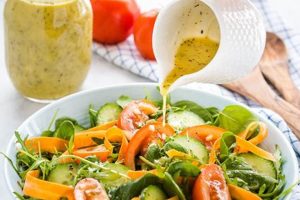
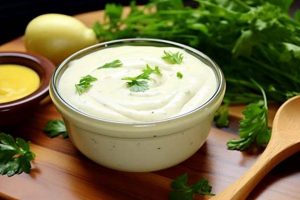
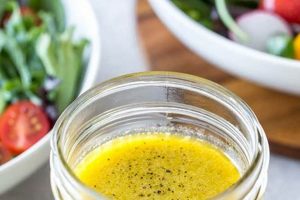
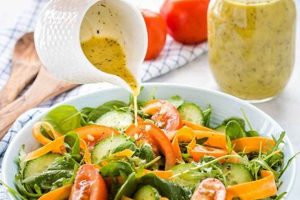
A blend of ripe avocado, acid (such as lime or lemon juice), and a liquid base (like water, buttermilk, or yogurt) forms the foundation of this type of dressing. Additional flavor enhancers can include herbs, spices, garlic, or other aromatics. The resulting emulsion provides a rich, smooth texture and a vibrant green hue, making it a visually appealing and flavorful addition to various salads and dishes.
This style of dressing offers a healthy alternative to traditional creamy dressings, often high in saturated fat. Avocados contribute healthy monounsaturated fats, fiber, and essential vitamins and minerals. The versatility of this dressing extends beyond salads; it can serve as a dip for vegetables, a spread for sandwiches, or a sauce for grilled meats or fish. Its fresh, vibrant flavor profile complements a wide range of cuisines and dietary preferences. The rising popularity of avocados in recent decades has contributed to the increased prevalence and variety of recipes for this dressing.
The following sections will delve into variations on this foundational recipe, explore specific ingredient choices and their impact on flavor and texture, and provide step-by-step instructions for creating a perfect emulsion. Tips for storage and usage will also be discussed.
Tips for Creating the Perfect Avocado-Based Dressing
Achieving optimal flavor and texture requires attention to detail. The following tips offer guidance for producing a superior result.
Tip 1: Avocado Selection is Key: Ripe, but not overripe, avocados are crucial. The flesh should yield to gentle pressure but not be mushy. Underripe avocados will result in a bland dressing, while overripe ones can have an unpleasant flavor.
Tip 2: Acid is Essential: Citrus juice, such as lime or lemon, provides necessary acidity to balance the richness of the avocado and prevent browning. The acid also helps create a stable emulsion.
Tip 3: Liquid Base Considerations: Water, buttermilk, Greek yogurt, or even olive oil can be used as a base to adjust the consistency. Water creates a lighter dressing, while yogurt or buttermilk adds creaminess and tang.
Tip 4: Flavor Enhancement: Fresh herbs (cilantro, dill, parsley), spices (cumin, chili powder), garlic, or jalapeo can elevate the flavor profile. Consider the overall flavor profile desired when selecting additions.
Tip 5: Emulsification Technique: A blender or food processor creates the smoothest, most evenly blended dressing. For a chunkier texture, a fork or whisk can be used.
Tip 6: Seasoning Adjustment: Salt and pepper are essential for enhancing the overall flavor. Taste and adjust seasonings throughout the process to achieve the desired balance.
Tip 7: Storage and Usage: Store the dressing in an airtight container in the refrigerator for up to 3 days. A layer of plastic wrap pressed directly onto the surface of the dressing can help prevent browning. This versatile dressing can be used on salads, as a dip, a spread, or a sauce.
By following these tips, a creamy, flavorful, and visually appealing avocado-based dressing can be consistently achieved. The resulting product offers a healthy and delicious enhancement to a variety of dishes.
In conclusion, crafting an avocado-based dressing is a simple yet rewarding culinary endeavor. Experimentation with different flavors and textures allows for customization to suit individual preferences and dietary needs.
1. Ripe Avocados

Ripe avocados are fundamental to a successful creamy avocado salad dressing. The ripeness directly influences the texture, flavor, and overall quality of the dressing. A perfectly ripe avocado provides the necessary creaminess and contributes a mild, buttery flavor that forms the foundation of the dressing. Underripe avocados lack the desired texture and flavor, resulting in a bland and less palatable dressing. Conversely, overripe avocados can have an off-putting flavor and a mushy consistency, negatively impacting the final product. For instance, a dressing made with underripe avocados might require excessive amounts of liquid to achieve a creamy consistency, diluting the flavor. Overripe avocados, on the other hand, might impart a slightly fermented taste to the dressing.
The importance of ripe avocados extends beyond flavor and texture. Ripe avocados emulsify more readily, creating a stable and smooth dressing. The natural oils in a ripe avocado contribute to the emulsification process, binding with the other ingredients and preventing separation. This is crucial for achieving a visually appealing and texturally pleasant dressing. Consider the difference between a smooth, vibrant green dressing made with ripe avocados and a separated, watery dressing made with underripe fruit. The visual appeal alone speaks volumes about the importance of selecting properly ripened avocados.
Selecting ripe avocados involves a tactile assessment. Gentle pressure should yield slightly to the touch, indicating ripeness. Avocados that are firm to the touch are underripe, while those that feel mushy are likely overripe. The skin color can also be an indicator, although it’s not always reliable. A darker green color often suggests ripeness, but the specific shade varies depending on the avocado variety. Ultimately, the gentle pressure test offers the most accurate assessment. This understanding allows for consistent creation of high-quality creamy avocado salad dressings.
2. Acidic element

The acidic element plays a crucial role in creamy avocado salad dressing recipes, contributing to both flavor and functionality. Its presence is essential not only for balancing the richness of the avocado but also for maintaining the dressing’s vibrant green color and preventing enzymatic browning. Understanding the function and selection of appropriate acidic components is key to creating a successful and appealing dressing.
- Flavor Enhancement
Acidity brightens the overall flavor profile of the dressing, cutting through the richness of the avocado and adding a refreshing tang. Examples include lime juice, lemon juice, and vinegar. The specific acid chosen contributes distinct nuances to the final flavor. Lime juice offers a zesty, tropical note, while lemon juice provides a slightly more tart and acidic flavor. Vinegar, particularly apple cider vinegar or white wine vinegar, can add a subtle sharpness and complexity. The interplay between the avocado’s inherent flavor and the selected acid creates a balanced and more nuanced flavor profile.
- Enzymatic Browning Prevention
Avocados are prone to enzymatic browning when exposed to air. The acidic element inhibits this process by lowering the pH, effectively slowing down the oxidation reaction responsible for discoloration. This preservation of the dressing’s vibrant green color enhances its visual appeal. The effectiveness of the acid in preventing browning depends on its concentration and the duration of exposure to air. Proper storage techniques, such as using airtight containers and minimizing air contact, further contribute to maintaining the dressing’s fresh appearance.
- Emulsion Stability
While not the primary emulsifier, the acid contributes to the stability of the avocado dressing. It helps to maintain the emulsion by interacting with the avocado’s natural oils and the other ingredients, preventing separation. This results in a smoother, more homogenous texture. The acid’s contribution to emulsion stability is particularly noticeable when using water-based liquids in the dressing. In such cases, the acid helps to bind the water and oil components, creating a more cohesive mixture.
- Balancing Richness
The inherent richness of avocado benefits from the balancing effect of an acidic element. The acidity cuts through the fattiness, creating a lighter, more refreshing flavor profile. This balance is essential for preventing the dressing from feeling heavy or overly rich. Consider the contrast between a dressing made solely with avocado and one that incorporates lime juice. The addition of the acid elevates the flavor and enhances the overall sensory experience.
In conclusion, the acidic element is an integral component of creamy avocado salad dressing recipes. Its impact on flavor, color preservation, emulsion stability, and overall balance is significant. Careful consideration of the specific acid chosen and its concentration allows for precise control over the final product’s characteristics, contributing to a more refined and enjoyable culinary experience.
3. Liquid Base

The liquid base is a critical component of creamy avocado salad dressings, influencing the final consistency, flavor profile, and overall quality. Proper selection of the liquid base allows for customization of the dressing to suit specific dietary needs and flavor preferences. The liquid base interacts with the other ingredients, impacting the emulsion’s stability and the overall sensory experience.
- Water
Water offers a neutral base that allows the flavor of the avocado and other ingredients to shine. It creates a lighter, less calorie-dense dressing compared to other options. However, water-based dressings may be less stable and prone to separation. The addition of emulsifying agents, such as a small amount of Dijon mustard, can improve stability. Water is a suitable choice for those seeking a cleaner flavor profile and a lower-fat dressing.
- Dairy Products
Dairy products, such as buttermilk, sour cream, or Greek yogurt, introduce a creamy texture and a tangy flavor. Buttermilk’s acidity complements the avocado, while Greek yogurt adds protein and contributes to a thicker consistency. However, dairy-based dressings are higher in calories and fat. Full-fat Greek yogurt provides the creamiest texture, while lower-fat versions offer a lighter option. These are ideal for those seeking a richer, more traditional creamy dressing experience.
- Plant-Based Milk Alternatives
Plant-based milk alternatives, like almond milk, cashew milk, or coconut milk, offer dairy-free options for creamy avocado dressings. The choice of plant-based milk impacts the flavor profile. Unsweetened almond milk provides a neutral base, while coconut milk adds a subtle sweetness. The fat content and consistency of different plant-based milks vary, affecting the dressing’s final texture. These alternatives cater to dietary restrictions while offering diverse flavor possibilities.
- Oil-Based Liquids
Olive oil, avocado oil, or other flavorful oils can serve as the liquid base, creating a richer, more decadent dressing. The oil contributes to the emulsification process and adds its distinct flavor profile to the final product. Extra virgin olive oil imparts a peppery note, while avocado oil enhances the avocado’s inherent flavor. Oil-based dressings are typically higher in calories and fat compared to water-based options. These are suitable for individuals seeking a robust flavor and a luxurious texture.
The interplay between the liquid base and other ingredients, such as the acid and flavor enhancers, determines the dressing’s final character. Careful consideration of the desired consistency, flavor profile, and dietary needs informs the optimal choice of liquid base. The liquid base contributes significantly to the versatility of creamy avocado salad dressing, enabling its adaptation to a wide range of culinary applications.
4. Flavor Enhancers

Flavor enhancers play a vital role in elevating creamy avocado salad dressing recipes beyond their basic components. While ripe avocado, acid, and liquid form the foundation, flavor enhancers contribute depth, complexity, and character. Understanding the impact of various flavor enhancers allows for customization and the creation of dressings tailored to specific cuisines or individual preferences. This nuanced approach to flavor development transforms a simple avocado dressing into a culinary statement.
Fresh herbs, spices, alliums, and other aromatics offer a diverse range of flavor profiles. Cilantro provides a bright, citrusy note that complements the avocado’s creaminess, particularly in Mexican-inspired dishes. Dill, with its subtle anise flavor, adds a refreshing herbaceous element suitable for lighter salads or seafood pairings. Chives offer a delicate onion flavor, while parsley contributes a mild, grassy note. The selection of herbs should consider the overall flavor profile desired and the other ingredients in the salad or dish. For instance, a creamy avocado dressing with cilantro and lime pairs well with grilled chicken or fish tacos, while a dill-infused dressing complements smoked salmon and cucumber sandwiches.
Spices such as cumin, chili powder, and smoked paprika introduce warmth and depth. Cumin adds an earthy, slightly smoky note that pairs well with Southwestern or Tex-Mex cuisine. Chili powder contributes heat and complexity, while smoked paprika offers a smoky, savory element. Garlic, a staple in many cuisines, provides a pungent, savory flavor that enhances the richness of the avocado. Consider how roasted garlic, with its mellowed sweetness, creates a different flavor profile compared to raw garlic’s sharpness. These spices and alliums should be used judiciously, allowing the avocado flavor to remain prominent while adding layers of complexity.
The practical significance of understanding flavor enhancers lies in the ability to create balanced and harmonious flavor profiles. Overuse of any single enhancer can overshadow the delicate flavor of the avocado, while careful selection and balanced proportions create a synergistic blend. Experimentation with different combinations of herbs, spices, and aromatics allows for endless variations, ensuring that the creamy avocado salad dressing complements and enhances the overall dining experience. The ability to tailor the dressing’s flavor profile opens up a world of culinary possibilities, transforming a simple condiment into a versatile and exciting element in a wide range of dishes.
5. Emulsification Method
Emulsification is crucial for achieving the desired texture and stability in creamy avocado salad dressings. The method employed directly impacts the dressing’s smoothness, consistency, and ability to resist separation. Effective emulsification creates a homogenous mixture where the oil and water-based ingredients are evenly dispersed, preventing a watery or oily layer from forming. This understanding is essential for producing a high-quality, visually appealing, and palatable dressing.
- Hand Whisking
Whisking vigorously by hand can create a stable emulsion, particularly for dressings with a smaller volume and a slightly thicker consistency. This method offers control over the degree of emulsification, allowing for a slightly textured dressing if desired. However, hand whisking can be time-consuming and may not produce the smoothest results, especially for larger batches or thinner dressings. It requires consistent effort and attention to ensure proper emulsification.
- Blender or Food Processor
Using a blender or food processor offers the most efficient and effective method for achieving a perfectly smooth and stable emulsion. The high-speed blades rapidly combine the ingredients, creating a uniform mixture and preventing separation. This method is ideal for larger batches and allows for the incorporation of ingredients with varying textures. The power of these appliances ensures a consistent and homogenous result, even with ingredients like garlic or herbs.
- Immersion Blender
An immersion blender offers convenience and control, allowing for emulsification directly within the mixing container. This method minimizes cleanup and is particularly useful for smaller batches or when a specific texture is desired. The immersion blender’s direct contact with the ingredients ensures thorough mixing and emulsification. However, care must be taken to avoid splashing and to ensure all ingredients are fully incorporated.
- Mortar and Pestle
For a more rustic and textured dressing, a mortar and pestle can be employed. This method allows for the gradual incorporation of ingredients and offers control over the final texture. The grinding action of the pestle can release flavors from herbs and spices, adding depth to the dressing. However, this method is more time-consuming and may not be suitable for large quantities or when a perfectly smooth emulsion is required. It offers a unique, handcrafted approach to dressing preparation.
The chosen emulsification method directly influences the final texture and stability of the creamy avocado salad dressing. While hand whisking offers control and simplicity, a blender or food processor provides efficiency and consistent smoothness. An immersion blender provides convenience, and a mortar and pestle offers a unique, textured result. The selection of method should align with the desired outcome and the resources available. Each method contributes distinct characteristics to the final product, allowing for customization and control over the dressing’s consistency and appearance.
6. Seasoning Balance

Seasoning balance is paramount in creamy avocado salad dressing recipes. It determines the overall palatability and complexity of the final product. A well-seasoned dressing elevates the inherent flavors of the avocado and other ingredients, creating a harmonious and satisfying culinary experience. Understanding the interplay of different seasonings and their impact on the dressing is crucial for achieving optimal results.
- Salt
Salt enhances the flavors of all other ingredients, acting as a flavor amplifier rather than a distinct taste on its own. It balances the richness of the avocado and the acidity of the other components, creating a cohesive flavor profile. The correct amount of salt allows the other flavors to shine while preventing the dressing from tasting bland. Too much salt can overpower the delicate avocado flavor, while too little leaves the dressing tasting flat.
- Black Pepper
Black pepper adds a subtle heat and complexity to the dressing, contrasting with the creamy avocado and brightening the other flavors. Freshly ground black pepper offers a more pronounced and nuanced flavor compared to pre-ground pepper. The amount of black pepper used should complement the other ingredients without overwhelming the palate. A touch of black pepper can elevate the dressing’s flavor profile, while excessive amounts can create an unpleasant bitterness.
- Acidity Adjustment
Beyond the initial acid used for preservation and flavor, further adjustments with vinegar or citrus juice can fine-tune the balance of the dressing. A touch of additional acidity can brighten the flavors and create a more vibrant taste. The type of acid used can also contribute to the overall flavor profile. For instance, a splash of red wine vinegar adds a subtle fruitiness, while a squeeze of lemon juice provides a brighter, more citrusy note.
- Sweetness and Heat
A touch of sweetness, such as a pinch of sugar or a drizzle of honey, can balance the acidity and add depth to the dressing. Conversely, a hint of heat from chili flakes or a dash of hot sauce can add a spicy kick and complexity. These additions should be used sparingly, complementing the avocado and other ingredients without dominating the flavor profile. The balance of sweet and heat adds another layer of complexity to the dressing.
Careful consideration of seasoning balance is essential for creating a creamy avocado salad dressing that is both flavorful and harmonious. The interplay of salt, pepper, acidity, sweetness, and heat determines the final taste profile. Proper seasoning elevates the avocado’s natural creaminess and complements the other ingredients, resulting in a well-rounded and satisfying culinary experience. A balanced dressing enhances the overall enjoyment of any dish it accompanies.
7. Proper Storage

Proper storage is essential for maintaining the quality, flavor, and appearance of creamy avocado salad dressing. Exposure to air and temperature fluctuations can lead to oxidation, discoloration, and changes in texture, compromising the dressing’s appeal and palatability. Implementing appropriate storage techniques preserves the freshness and vibrancy of the dressing, ensuring an optimal culinary experience.
- Airtight Containers
Storing the dressing in an airtight container is crucial for minimizing exposure to oxygen, the primary driver of oxidation and browning. A tight-fitting lid prevents air from entering the container, preserving the vibrant green color and preventing the development of off-flavors. Various airtight containers, including glass jars, plastic containers with secure lids, and reusable silicone pouches, are suitable. The choice of container depends on individual preferences and storage duration. For instance, glass jars offer a non-reactive environment and are ideal for longer-term storage.
- Minimizing Surface Area
Minimizing the surface area of the dressing exposed to air further reduces oxidation. This can be achieved by pressing a piece of plastic wrap directly onto the surface of the dressing before sealing the container. The plastic wrap creates a barrier, preventing direct contact between the dressing and air. This technique is particularly effective for dressings stored for longer periods. The close contact between the plastic wrap and the dressing surface effectively minimizes air exposure.
- Refrigeration
Refrigeration at temperatures between 34F and 40F (1C and 4C) slows down enzymatic activity and microbial growth, preserving the dressing’s freshness and preventing spoilage. Consistent refrigeration is critical, as temperature fluctuations can accelerate degradation. Storing the dressing in the coldest part of the refrigerator, typically the back, further ensures optimal preservation. Avoid storing the dressing near the refrigerator door, as this area experiences more temperature fluctuations.
- Storage Duration
While proper storage techniques significantly extend the shelf life of creamy avocado salad dressing, it remains a fresh product with a limited storage duration. Even under optimal conditions, the dressing is best consumed within 2-3 days. Beyond this timeframe, the quality and flavor may begin to deteriorate, and the risk of spoilage increases. Adhering to recommended storage durations ensures the consumption of a fresh and flavorful product.
By adhering to these proper storage practices, the vibrant color, creamy texture, and fresh flavor of the avocado dressing can be maintained for an extended period. Proper storage enhances the overall culinary experience by ensuring that the dressing remains a delectable and visually appealing component of any dish. This attention to detail, from preparation to storage, demonstrates a commitment to culinary excellence and maximizes the enjoyment of this versatile condiment.
Frequently Asked Questions
This section addresses common inquiries regarding the preparation and utilization of creamy avocado salad dressings.
Question 1: How can browning be prevented after the dressing is made?
Minimizing exposure to air is key. Storing the dressing in an airtight container and pressing plastic wrap directly onto the surface before sealing minimizes oxidation. Adding a squeeze of extra citrus juice to the recipe can also help.
Question 2: What can be substituted for lime or lemon juice if citrus fruits are unavailable?
White wine vinegar or apple cider vinegar offer suitable alternatives, contributing a slightly different but complementary flavor profile. Adjust the quantity to achieve the desired balance.
Question 3: Can this dressing be made ahead of time for meal preparation?
Yes, but it’s best consumed within two to three days. Proper storage, as outlined previously, is crucial for maintaining quality.
Question 4: How can the dressing’s thickness be adjusted?
The liquid base determines consistency. Adding more water thins the dressing, while incorporating more avocado or Greek yogurt thickens it. Adjust gradually until the desired consistency is reached.
Question 5: What are some common culinary applications for this dressing beyond salads?
Its versatility extends to use as a dip for vegetables, a spread for sandwiches and wraps, a sauce for grilled meats or fish, or a topping for tacos or baked potatoes.
Question 6: Are there specific avocado varieties best suited for dressing preparation?
While most varieties work well, Hass avocados are a popular choice due to their creamy texture and rich flavor. Ensure the avocado is ripe, regardless of variety.
Understanding these aspects allows for successful preparation and versatile application of creamy avocado salad dressings.
The following section provides a selection of variations on the basic recipe, offering further culinary exploration.
Creamy Avocado Salad Dressing Recipe
Creamy avocado salad dressing recipes offer a versatile and healthful approach to culinary enhancement. From the selection of ripe avocados and the balancing acidity to the choice of liquid base and nuanced flavor enhancers, each component contributes significantly to the final product. Proper emulsification techniques ensure a smooth, stable dressing, while meticulous seasoning balances flavors. Appropriate storage preserves the dressing’s quality and extends its usability. Understanding these elements allows for customization and adaptation to diverse palates and dietary preferences.
The exploration of creamy avocado salad dressing recipes extends beyond a simple culinary instruction; it represents a gateway to creative flavor combinations and healthful eating. The potential for innovation within this seemingly simple recipe remains vast, encouraging further experimentation and personalized adaptations. Culinary enthusiasts and health-conscious individuals alike can benefit from incorporating this versatile dressing into their repertoire, enriching their culinary experiences.