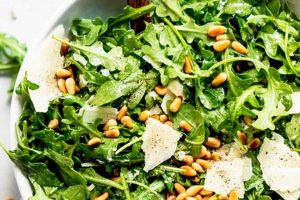
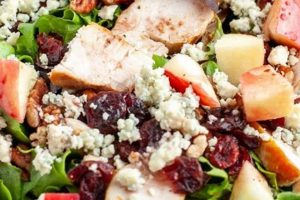
A foundational fruit and nut salad typically features apples, celery, and grapes, dressed in mayonnaise and often served on a bed of lettuce. Variations may include walnuts, pecans, or raisins. A simple preparation involves dicing the apples and celery, halving the grapes, and combining them with the chosen nuts and dressing.
This classic dish offers a refreshing and texturally appealing combination of sweet, tart, and crunchy elements. Its enduring popularity stems from its ease of preparation, adaptability to seasonal ingredients, and suitability for various occasions, from casual lunches to elegant gatherings. Originating in the late 19th century at New York’s Waldorf-Astoria Hotel, it quickly became a culinary staple, its straightforward elegance resonating with diners then and now.
The following sections will delve into specific ingredient selections, variations on the classic preparation, tips for achieving optimal flavor and texture, and suggestions for presentation and serving.
Tips for a Successful Waldorf Salad
Achieving a well-balanced and flavorful salad involves attention to ingredient selection and preparation techniques. These tips offer guidance for creating an exceptional culinary experience.
Tip 1: Apple Selection: Opt for firm, crisp apples such as Honeycrisp, Fuji, or Braeburn. These varieties offer a pleasant sweetness and maintain their texture well when combined with the other ingredients.
Tip 2: Enhancing Celery Flavor: Using the inner, more tender celery stalks yields a milder flavor and a more delicate crunch. Alternatively, briefly blanching the celery in boiling water can soften the texture while retaining its crispness.
Tip 3: Nut Preparation: Toasting nuts before adding them to the salad enhances their flavor and adds a satisfying crunch. Lightly toast them in a dry pan over medium heat until fragrant.
Tip 4: Dressing Consistency: The mayonnaise-based dressing should be smooth and creamy, coating the ingredients evenly without being overly thick. Adjust the consistency by adding a small amount of lemon juice or milk if necessary.
Tip 5: Freshness is Key: Prepare the salad shortly before serving to prevent the apples and celery from browning and the nuts from becoming soggy. If making in advance, store the ingredients separately and combine them just before serving.
Tip 6: Balancing Flavors: The sweetness of the apples and grapes should be balanced by the tartness of the dressing. A squeeze of fresh lemon juice or a dash of apple cider vinegar can enhance the flavor profile.
Tip 7: Presentation Matters: Arrange the salad attractively on a bed of lettuce or in individual serving bowls. Garnish with a sprinkle of chopped walnuts or a few fresh grapes.
By following these guidelines, one can elevate a simple combination of ingredients into a truly delightful culinary creation. Attention to detail in ingredient selection and preparation techniques ensures a consistently enjoyable and flavorful experience.
This exploration of ingredient optimization and preparation techniques provides a comprehensive guide for achieving a superior Waldorf salad. The following section will offer concluding thoughts and suggestions for further culinary exploration.
1. Fresh, Crisp Apples

Apple selection significantly influences the overall quality of a Waldorf salad. The right apple provides textural contrast and balances the flavors of other ingredients, making “fresh, crisp apples” an essential component.
- Texture and Crispness
Firm apples maintain their structure when combined with the dressing and other ingredients, preventing a mushy texture. Varieties like Honeycrisp or Fuji offer the desired crispness. This textural integrity contributes to a more enjoyable eating experience.
- Sweetness and Tartness Balance
The apple’s sweetness offsets the creamy richness of the mayonnaise and the slight saltiness of the nuts. A balanced sweetness-tartness profile enhances the overall flavor complexity. Slightly tart apples, such as Braeburn or Pink Lady, offer a particularly effective counterpoint to the other ingredients.
- Visual Appeal
Visually appealing ingredients enhance the dining experience. Brightly colored, unblemished apples contribute to the salad’s aesthetic presentation. This visual freshness adds to the overall appeal of the dish.
- Preventing Browning
Certain apple varieties are more prone to browning after being cut. Selecting varieties less susceptible to oxidation, or employing techniques such as coating cut apples with lemon juice, helps maintain the salads fresh appearance and flavor. This preservation of freshness contributes to both the aesthetic and culinary experience.
The careful consideration of apple selectionprioritizing crispness, balancing sweetness and tartness, attending to visual appeal, and mitigating browningdirectly impacts the Waldorf salad’s success. These factors combine to elevate a simple combination of ingredients into a harmonious and refreshing culinary creation.
2. Tender Celery

Celery’s textural contribution is crucial to a successful Waldorf salad. Tender celery provides a satisfying crunch without being fibrous or stringy, contrasting with the apple’s crispness and the nut’s firmness. The inner, paler stalks typically offer greater tenderness. Alternatively, briefly blanching celery in boiling water can soften tougher outer stalks while preserving their fresh crunch. This attention to texture enhances the overall sensory experience of the dish.
Beyond texture, celery’s subtle, slightly peppery flavor complements the other ingredients. Its vegetal notes balance the sweetness of the apples and grapes without overpowering them. This delicate balance allows the other flavors to shine while adding depth and complexity to the overall profile. For instance, the mild bitterness of celery can offset the richness of mayonnaise-based dressings, creating a more balanced flavor profile.
Choosing and preparing celery appropriately ensures its successful integration into the Waldorf salad. Tender celery contributes both satisfying texture and subtle flavor, enhancing the overall culinary experience. Overly fibrous or tough celery detracts from the salad’s appeal. Therefore, selecting tender inner stalks or employing blanching techniques enhances enjoyment and exemplifies the importance of ingredient quality in achieving a balanced and delicious final product.
3. Sweet Grapes

Sweet grapes play a crucial role in a basic Waldorf salad recipe, contributing both flavor and textural complexity. Their sweetness balances the tartness of the apples and the savory notes of the dressing. The grapes’ juicy burst and smooth skin offer a textural counterpoint to the crisp apples and crunchy nuts. Seedless varieties, such as red or green grapes, are generally preferred for ease of consumption. For example, the sweetness of red grapes complements the tartness of Granny Smith apples, while the milder sweetness of green grapes pairs well with sweeter apple varieties like Fuji. Using overly tart or seeded grapes can disrupt the intended balance and diminish the overall enjoyment.
The choice of grape variety influences the overall flavor profile. While traditional recipes often call for green grapes, red grapes can introduce a slightly different sweetness and a pop of color. The size of the grapes also matters. Smaller grapes integrate more seamlessly with the other ingredients, while larger grapes may require halving or quartering. Consider the overall composition of the salad. If dried cranberries or raisins are included, the grapes’ sweetness should be adjusted accordingly to prevent an overly sweet result. For a more complex flavor profile, consider incorporating a mix of red and green grapes.
Understanding the role of sweet grapes in a basic Waldorf salad recipe allows for informed ingredient selection and enhances the final product. Careful consideration of grape variety, size, and sweetness level ensures a balanced and enjoyable culinary experience. This knowledge empowers one to tailor the recipe to individual preferences and achieve optimal flavor and textural harmony. The interplay of flavors and textures among the ingredients highlights the importance of each component in creating a successful and satisfying dish.
4. Mayonnaise-based Dressing

Mayonnaise-based dressing forms the foundation of a basic Waldorf salad recipe, binding the ingredients and contributing a creamy richness that complements the other flavors. Understanding its role and potential variations is crucial for creating a successful and enjoyable salad. The dressing’s consistency, flavor profile, and interplay with other components significantly impact the overall culinary experience.
- Binding Agent
Mayonnaise acts as the primary binding agent, coating the ingredients and holding them together. Its creamy texture adheres to the apples, celery, grapes, and nuts, ensuring they remain cohesive rather than scattered. This cohesive quality is essential for serving and presentation, allowing the salad to maintain its form and preventing individual components from separating. Without an effective binder, the salad would lack structural integrity, impacting both its visual appeal and ease of consumption.
- Flavor Enhancement
The rich, tangy flavor of mayonnaise complements the sweetness of the fruit and the subtle bitterness of the celery. Its creamy texture also provides a pleasing contrast to the crunch of the apples, celery, and nuts. Variations, such as incorporating a touch of Dijon mustard or lemon juice, introduce complexity to the flavor profile without overpowering the other ingredients. For instance, a hint of Dijon mustard adds a subtle sharpness that balances the sweetness of the fruit. These nuanced flavors contribute to the overall balanced and harmonious taste experience.
- Consistency and Texture
The dressing’s consistency is critical. It should be thick enough to coat the ingredients evenly but not so thick that it becomes heavy or gloppy. Adjusting the consistency with a small amount of milk or lemon juice allows for customization based on personal preference and ingredient characteristics. A thinner dressing might be preferred for a lighter, more delicate salad, while a thicker dressing may better suit a salad with larger chunks of ingredients or heavier additions like nuts. Achieving the correct consistency ensures that the dressing complements, rather than overwhelms, the other elements.
- Ingredient Compatibility
The mayonnaise-based dressing interacts with the other salad components, influencing the overall flavor and texture. The acidity in the mayonnaise can react with the apples, potentially leading to browning if the salad is not consumed promptly. Adding a squeeze of lemon juice to the dressing can help prevent this. Furthermore, the richness of the mayonnaise can be balanced by incorporating ingredients with contrasting flavors or textures, such as tart apples or crunchy nuts. These interactions highlight the importance of considering ingredient compatibility when preparing the dressing and assembling the salad.
The mayonnaise-based dressing is integral to a basic Waldorf salad recipe, playing a crucial role in binding the ingredients, enhancing flavor, providing textural contrast, and interacting with other components. Careful consideration of these factors allows for customization and optimization, resulting in a harmonious and delicious culinary experience. The interplay between the dressing and the other ingredients demonstrates the importance of a well-balanced recipe where each element contributes to the overall success of the dish.
5. Optional walnuts/pecans

While not strictly mandatory, walnuts and pecans frequently enhance basic Waldorf salad recipes, contributing textural complexity and flavor depth. Their presence, while optional, significantly impacts the sensory experience, offering a counterpoint to the other ingredients and expanding the potential flavor profiles.
- Textural Contrast
Walnuts and pecans introduce a satisfying crunch, contrasting with the softer textures of apples and grapes. This textural variation elevates the salad beyond a simple mix of soft ingredients, creating a more dynamic and engaging mouthfeel. The interplay of textures contributes to a more satisfying culinary experience.
- Flavor Enhancement
The distinct, slightly bitter flavor of walnuts and the buttery richness of pecans complement the sweetness of the fruit and the creamy dressing. Their inclusion adds depth and complexity to the overall flavor profile, moving beyond a simple sweet and savory combination. Toasted nuts further intensify these flavor characteristics.
- Nutritional Value
Walnuts and pecans offer nutritional benefits, including healthy fats, protein, and fiber. Their incorporation elevates the nutritional profile of the salad, contributing to a more wholesome and balanced meal. This added nutritional value aligns with contemporary dietary trends that emphasize whole foods and nutrient-dense meals.
- Visual Appeal
The visual contrast provided by the darker hues of walnuts and pecans against the lighter colors of the other ingredients enhances the salad’s aesthetic presentation. This visual interest further elevates the dining experience, adding another layer of enjoyment beyond taste and texture. Their presence adds a touch of elegance and sophistication to the dish.
The inclusion of walnuts or pecans, while optional, demonstrably enhances the basic Waldorf salad recipe. The interplay of texture, flavor, nutrition, and visual appeal elevates the dish from simple to sophisticated. Consideration of these factors allows for customization and optimization, resulting in a more complex and satisfying culinary experience. Their presence, though optional, underscores the potential for nuanced variations within a classic framework.
Frequently Asked Questions
This section addresses common inquiries regarding the preparation and variations of this classic dish.
Question 1: Can alternative fruits be used in a Waldorf salad?
While apples and grapes are traditional, other fruits like pears, dried cranberries, or chopped dates can be incorporated to add nuanced flavors and textures. However, maintaining a balance of sweetness and tartness is crucial for a successful variation.
Question 2: How can browning of apples be prevented?
Tossing cut apples with a small amount of lemon juice inhibits enzymatic browning. This helps maintain the salad’s fresh appearance and prevents discoloration, preserving visual appeal.
Question 3: What are suitable alternatives to mayonnaise?
Plain yogurt or Greek yogurt can be substituted for mayonnaise, offering a lighter, tangier alternative. These alternatives provide a different flavor profile while retaining the creamy texture necessary for binding the ingredients.
Question 4: Can a Waldorf salad be prepared in advance?
While best served fresh, the salad can be prepared a few hours in advance. Store the dressed ingredients and nuts separately and combine just before serving to maintain optimal texture and prevent sogginess. This method helps preserve the individual components’ crispness and prevents the nuts from absorbing excess moisture.
Question 5: How can a vegan Waldorf salad be created?
Vegan mayonnaise effectively replaces traditional mayonnaise. Ensure all other ingredients align with vegan dietary restrictions. This substitution allows individuals following a vegan lifestyle to enjoy this classic dish without compromising their dietary principles.
Question 6: What are traditional serving suggestions for a Waldorf salad?
A Waldorf salad is classically served on a bed of lettuce, enhancing visual appeal and adding a fresh element. It can also be served as a standalone dish or as an accompaniment to grilled meats or poultry. These serving suggestions provide flexibility for various dining occasions and culinary preferences.
Understanding these common inquiries facilitates successful Waldorf salad preparation and enjoyment. Adaptability within the classic framework allows for customization while preserving the dish’s essential character.
This FAQ section has provided clarity on common queries. The following section offers concluding thoughts and encourages culinary exploration.
Conclusion
Exploration of the basic Waldorf salad recipe reveals a dish characterized by simplicity, adaptability, and enduring appeal. Emphasis on fresh, high-quality ingredientscrisp apples, tender celery, sweet grapesunderscores the foundational importance of ingredient selection. The mayonnaise-based dressing, while seemingly straightforward, offers opportunities for nuanced flavor adjustments through additions like Dijon mustard or lemon juice. Optional inclusion of walnuts or pecans introduces textural and flavor complexity, further demonstrating the recipe’s versatility.
The enduring popularity of this classic salad speaks to its adaptability and capacity for personalized interpretation. Culinary exploration through ingredient variations and dressing adjustments allows for continued evolution while respecting the dish’s fundamental character. Careful consideration of ingredient selection and preparation techniques ensures a consistently satisfying and enjoyable culinary experience.