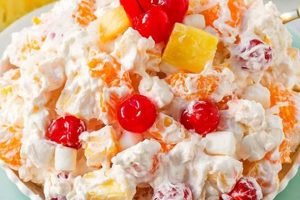
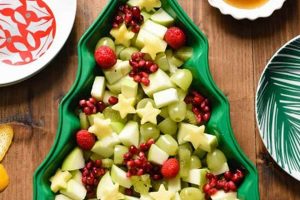
A refreshing and nutritious dish, combining a variety of fresh fruits with the added crunch and protein of nuts, offers a versatile culinary creation. This blend of flavors and textures provides a healthy and satisfying option for breakfast, brunch, a light lunch, a snack, or even a dessert. An example might include a mix of berries, melon, grapes, and apples, tossed with almonds and walnuts.
This type of dish provides essential vitamins, minerals, and antioxidants from the fruit, while the nuts contribute healthy fats, fiber, and protein. Its adaptability allows for endless variations, catering to individual preferences and seasonal availability. Historically, the combination of fruits and nuts has been a staple in many cultures, reflecting both readily available ingredients and an appreciation for their combined nutritional value.
Further exploration will encompass optimal fruit and nut selections, preparation techniques, variations to enhance flavor profiles, and suggestions for presentation and serving.
Tips for Creating a Delicious Fruit and Nut Salad
Creating a balanced and flavorful fruit and nut salad involves careful consideration of ingredient selection, preparation methods, and complementary flavors. These tips offer guidance for crafting a delightful culinary experience.
Tip 1: Select a Variety of Fruits: Combining fruits with diverse textures and sweetness levels enhances the overall flavor profile. Consider incorporating berries, citrus fruits, melons, and tree fruits.
Tip 2: Choose Complementary Nuts: Nuts like almonds, walnuts, pecans, and pistachios offer distinct flavors and textures. Match nut choices to the chosen fruits to create a harmonious blend.
Tip 3: Ensure Freshness: Utilize ripe, but not overripe, fruits for optimal flavor and texture. Store nuts in an airtight container in a cool, dark place to maintain freshness.
Tip 4: Prepare Ingredients Properly: Wash and dry all fruits thoroughly. Chop larger fruits into bite-sized pieces for easier consumption and even distribution. Toast nuts briefly to enhance their flavor and crunch.
Tip 5: Consider Flavor Enhancements: A squeeze of citrus juice, a sprinkle of spices like cinnamon or nutmeg, or a drizzle of honey can elevate the flavor profile. Fresh herbs like mint or basil can also add a refreshing touch.
Tip 6: Prevent Browning: Tossing cut fruits with a small amount of lemon juice helps prevent enzymatic browning and maintains their vibrant appearance.
Tip 7: Serve Chilled: Chilling the fruit salad enhances its refreshing qualities, particularly during warmer months.
By following these guidelines, one can achieve a delicious and visually appealing fruit and nut salad that provides a satisfying and nutritious culinary experience.
These preparation and presentation techniques contribute significantly to the overall enjoyment of a fruit and nut salad.
1. Fresh, Seasonal Fruits

Utilizing fresh, seasonal fruits forms the foundation of a superior fruit and nut salad. Seasonal produce offers peak flavor and nutritional value, significantly impacting the overall quality of the dish. This connection stems from the natural ripening process, which allows fruits to develop their full flavor profiles and accumulate optimal levels of vitamins and minerals. For instance, a summer fruit salad featuring locally sourced strawberries, blueberries, and raspberries will exhibit a vibrancy and sweetness unmatched by out-of-season alternatives. Similarly, a fall version incorporating crisp apples and juicy pears reflects the distinct flavors of the season. Choosing seasonal fruits ensures the freshest, most flavorful ingredients, elevating the taste and nutritional benefits of the final product.
The emphasis on seasonality extends beyond flavor. Selecting locally grown, seasonal produce supports sustainable agricultural practices and reduces the environmental impact associated with long-distance transportation. Furthermore, using fresh ingredients allows for greater control over quality, minimizing exposure to preservatives and artificial ripening agents. Incorporating a variety of seasonal fruits also introduces a broader spectrum of nutrients and antioxidants, contributing to a healthier and more balanced diet. The practical significance of this understanding lies in the ability to create flavorful and nutritious salads that reflect the bounty of each season. This approach not only maximizes taste but also promotes healthier eating habits and supports local agricultural communities.
In summary, the connection between fresh, seasonal fruits and a successful fruit and nut salad is paramount. Prioritizing seasonal ingredients elevates flavor, maximizes nutritional value, and aligns with sustainable practices. By understanding this relationship, individuals can consistently create delicious and healthy salads that celebrate the unique flavors of each season. This approach contributes to a more enriching and sustainable culinary experience.
2. Variety of Textures

Textural diversity significantly contributes to the overall enjoyment of a fruit and nut salad. A combination of crisp, soft, and crunchy elements elevates the sensory experience beyond simple flavor. This interplay of textures creates a more dynamic and satisfying culinary experience.
- Crispness
Crisp fruits, such as apples, pears, and grapes, provide a refreshing contrast to softer ingredients. Their firmness offers a satisfying bite and contributes a juicy element. In a fruit and nut salad, crisp components provide structural integrity and prevent the dish from becoming overly mushy.
- Softness
Softer fruits, like bananas, berries, and melon, contribute a smooth, yielding texture. They offer a sweetness that complements the crisp elements. The inclusion of soft textures adds a delicate balance to the salad, preventing it from being too firm or dense. Consider ripe bananas or juicy berries.
- Crunchiness
Nuts, such as almonds, walnuts, and pecans, introduce a crucial crunchy element. This textural contrast enhances the overall sensory experience. The addition of nuts not only provides textural complexity but also introduces healthy fats and protein. Toasted nuts further amplify the crunch and impart a richer flavor.
- Juiciness
The natural juices of the fruits contribute to a refreshing and hydrating quality. This juiciness balances the drier elements, such as nuts, and creates a more palatable and enjoyable experience. The interplay of juicy and dry components prevents the salad from being too dry or too wet. Consider the juice of oranges or the moisture within watermelon.
The interplay of these textural elements creates a harmonious balance, enhancing the sensory experience of consuming a fruit and nut salad. This careful consideration of texture elevates the dish from a simple combination of ingredients to a more complex and satisfying culinary creation.
3. Complementary Nuts

Nut selection significantly impacts the overall flavor profile and nutritional value of a fruit and nut salad. Choosing nuts that complement the chosen fruits creates a harmonious blend of flavors and textures. Careful consideration of nut pairings enhances the sensory experience and contributes to a more balanced and satisfying dish.
- Flavor Pairing
Nuts exhibit diverse flavor profiles, ranging from buttery and mild to robust and earthy. Pairing nuts with fruits that share complementary flavor notes enhances the overall taste. For example, the subtle sweetness of almonds pairs well with berries and stone fruits, while the more assertive flavor of walnuts complements apples and pears. Understanding these flavor affinities allows for the creation of a more nuanced and balanced flavor profile.
- Textural Contrast
Nuts introduce a desirable textural contrast to the softer textures of many fruits. This interplay of textures creates a more dynamic and enjoyable eating experience. The crunch of almonds or pecans provides a counterpoint to the smoothness of bananas or the juiciness of grapes. The strategic use of textural contrast elevates the sensory experience of the salad.
- Nutritional Enhancement
Different nuts offer varying nutritional benefits. Incorporating a variety of nuts into a fruit salad enhances the overall nutritional value of the dish. Almonds are a good source of vitamin E and magnesium, while walnuts are rich in omega-3 fatty acids. Combining different nuts ensures a broader spectrum of nutrients, contributing to a more healthful meal.
- Visual Appeal
The variety of shapes, sizes, and colors of different nuts adds visual interest to the fruit salad. This visual appeal enhances the overall presentation and makes the dish more appetizing. The contrast between the smooth surfaces of fruits and the textured surfaces of nuts creates a visually appealing composition. This visual element contributes to a more enjoyable dining experience.
The careful selection of complementary nuts elevates the fruit and nut salad from a simple combination of ingredients to a more sophisticated and satisfying culinary creation. By considering flavor pairings, textural contrasts, nutritional enhancements, and visual appeal, one can create a balanced and delicious dish that offers both sensory pleasure and nutritional value. This attention to detail distinguishes a thoughtfully composed fruit and nut salad from a more basic rendition.
4. Balanced Sweetness
Balanced sweetness plays a crucial role in a successful fruit and nut salad. Overly sweet salads can be cloying and mask the subtle flavors of individual fruits, while insufficient sweetness can result in a bland and unappetizing dish. Achieving this balance requires careful consideration of the natural sugar content of different fruits and the potential addition of supplemental sweeteners. The interplay of sweetness with other flavor components, such as tartness and acidity, contributes significantly to the overall complexity and enjoyment of the salad. For example, a salad featuring predominantly sweet fruits like bananas and mangoes might benefit from the inclusion of tart berries or a squeeze of lime juice to balance the sweetness. Conversely, a salad with tart fruits like cranberries or grapefruit may require a touch of honey or maple syrup to achieve the desired level of sweetness.
Several factors influence the perceived sweetness of a fruit salad. Fruit ripeness significantly impacts sugar content; fully ripened fruits generally exhibit higher sweetness levels than underripe counterparts. Varietal differences also contribute; certain apple varieties, for instance, are naturally sweeter than others. The inclusion of nuts, often less sweet than fruits, plays a role in balancing the overall sweetness profile. Additionally, any added sweeteners, such as honey or maple syrup, must be carefully measured to avoid overpowering the natural fruit flavors. Practical application of this understanding involves tasting and adjusting the sweetness level during preparation. This might entail adding a squeeze of lemon juice to counteract excessive sweetness or incorporating a drizzle of honey to enhance the sweetness of a tart fruit mixture.
Managing sweetness effectively is essential for creating a harmonious and palatable fruit and nut salad. A well-balanced sweetness profile allows the individual flavors of the fruits and nuts to shine through, resulting in a more complex and satisfying culinary experience. Failure to achieve this balance can detract from the overall enjoyment of the dish, rendering it either overly sweet or disappointingly bland. A successful fruit and nut salad offers a nuanced interplay of flavors, textures, and sweetness levels, creating a harmonious and refreshing culinary experience.
5. Proper Storage
Proper storage is essential for maintaining the quality, safety, and flavor of a fruit and nut salad. Neglecting proper storage practices can lead to undesirable consequences, including spoilage, bacterial growth, and diminished sensory appeal. Correct storage preserves the freshness of individual ingredients, ensuring a higher quality final product. For instance, storing cut fruits in airtight containers at appropriate refrigeration temperatures inhibits enzymatic browning and microbial proliferation, preserving both visual appeal and preventing foodborne illnesses. Similarly, storing nuts in a cool, dry environment prevents oxidation and rancidity, maintaining their desirable flavor and texture. Understanding these storage principles enables the creation of a safer and more enjoyable culinary experience.
Different ingredients require specific storage conditions. Highly perishable fruits, such as berries and bananas, necessitate prompt refrigeration and should ideally be consumed within a few days. Less perishable fruits, such as apples and oranges, can be stored at room temperature for shorter periods but benefit from refrigeration for extended storage. Nuts, susceptible to oxidation and rancidity, require airtight containers in cool, dark, and dry environments. Failure to adhere to these specific storage requirements compromises ingredient quality, potentially impacting both flavor and safety. For example, storing bananas at room temperature accelerates ripening and browning, while storing nuts in humid environments can lead to mold growth. Proper segregation of ingredients during storage further prevents cross-contamination and preserves individual flavors. This knowledge equips individuals to make informed decisions regarding ingredient storage, maximizing freshness and minimizing spoilage.
Proper storage practices directly influence the overall success of a fruit and nut salad. Preserving ingredient quality through appropriate storage techniques ensures optimal flavor, texture, and nutritional value. This attention to detail elevates the final product, creating a more enjoyable and satisfying culinary experience. Conversely, improper storage can compromise the dish, resulting in diminished quality and potential health risks. Understanding and applying appropriate storage techniques contributes significantly to a successful and enjoyable fruit and nut salad experience.
6. Attractive Presentation

Attractive presentation elevates a fruit and nut salad from a simple dish to a visually appealing culinary creation. Visual appeal significantly influences perceived enjoyment, stimulating appetite and enhancing the overall dining experience. Presentation encompasses various elements, including color, arrangement, serving vessel, and garnishes. Careful consideration of these factors maximizes the sensory impact and perceived value of the salad.
- Color Harmony
A vibrant and harmonious color palette enhances the visual appeal. Utilizing a variety of colorful fruits creates a visually stimulating presentation. Consider the contrast between the deep reds of strawberries, the bright oranges of mandarin segments, and the verdant greens of kiwi. A well-balanced color composition attracts the eye and enhances the perceived freshness and flavor.
- Arrangement
Thoughtful arrangement contributes significantly to visual appeal. Arranging fruit and nuts in an aesthetically pleasing manner elevates the presentation. Consider arranging ingredients in concentric circles, creating a visually engaging pattern. Alternatively, a more casual arrangement can evoke a sense of abundance and freshness. The arrangement should complement the chosen serving vessel and the overall dining setting.
- Serving Vessel
The choice of serving vessel plays a crucial role in presentation. A carefully selected bowl or platter complements the salad and enhances its visual appeal. A clear glass bowl showcases the vibrant colors of the fruit, while a rustic wooden platter adds a touch of natural elegance. The size and shape of the vessel should be proportionate to the quantity of salad and the overall dining context. A large, shallow bowl is ideal for serving a crowd, while individual ramekins offer a more personalized presentation.
- Garnishes
Garnishes provide finishing touches that elevate the presentation. A sprinkle of chopped nuts, a few fresh mint leaves, or a dusting of powdered sugar can add visual interest and enhance the perceived flavor. Garnishes should complement the existing flavors and colors of the salad without overpowering the main ingredients. A light hand with garnishes ensures they enhance rather than detract from the overall presentation. Edible flowers or a light dusting of spices can provide an elegant touch.
Attractive presentation enhances the perceived value and enjoyment of a fruit and nut salad. By carefully considering color harmony, arrangement, serving vessel, and garnishes, one transforms a simple dish into a visually captivating culinary experience. This attention to detail elevates the dining experience, stimulating appetite and enhancing appreciation for the flavors and textures of the salad. A well-presented fruit and nut salad demonstrates care and attention, enhancing the overall enjoyment for both the preparer and the consumer.
Frequently Asked Questions
This section addresses common inquiries regarding the preparation and enjoyment of fruit and nut salads.
Question 1: How can enzymatic browning of fruits be prevented?
Enzymatic browning, a natural oxidation process, can be inhibited by coating cut fruits with an acidic agent, such as lemon or lime juice. This helps maintain the fruit’s visual appeal.
Question 2: What are optimal nut storage practices?
Nuts, susceptible to rancidity, should be stored in airtight containers in a cool, dark, and dry environment. Proper storage preserves their flavor and texture.
Question 3: How can one achieve a balanced sweetness profile?
Balancing sweetness involves considering the natural sugar content of chosen fruits. Tart fruits can balance overly sweet selections. Supplemental sweeteners, if used, should be added judiciously.
Question 4: What factors influence fruit selection?
Optimal fruit selection prioritizes freshness, seasonality, and variety. Flavor, texture, and color should be considered for a balanced and appealing salad.
Question 5: How long can a fruit and nut salad be safely stored?
Refrigeration in airtight containers is crucial. Consumption within two to three days is generally recommended for optimal quality and safety. Highly perishable fruits necessitate shorter storage durations.
Question 6: What are the nutritional benefits of incorporating nuts?
Nuts contribute healthy fats, protein, fiber, and essential vitamins and minerals. They complement the nutritional profile of fruits, creating a more balanced and nutritious meal.
Understanding these aspects facilitates the creation of a delicious, visually appealing, and nutritionally balanced fruit and nut salad.
The following section explores various recipe variations and serving suggestions.
Fruit Salad with Nuts Recipe
Exploration of the “fruit salad with nuts recipe” reveals a dish offering significant culinary potential. Careful selection of fresh, seasonal fruits, combined with complementary nuts, creates a nutritionally balanced and flavorful experience. Attention to texture, balanced sweetness, proper storage, and attractive presentation elevates this simple combination of ingredients to a sophisticated culinary creation. Understanding these elements allows for a diverse range of flavor profiles and presentations, adaptable to individual preferences and seasonal availability.
The “fruit salad with nuts recipe” represents more than a mere listing of ingredients; it embodies a culinary philosophy emphasizing freshness, balance, and aesthetic appeal. This approach encourages mindful ingredient selection and preparation, promoting a deeper appreciation for the natural flavors and textures inherent in fresh produce. Continued exploration of flavor combinations and presentation techniques promises further culinary enrichment, positioning the fruit and nut salad as a versatile and enduring culinary staple.