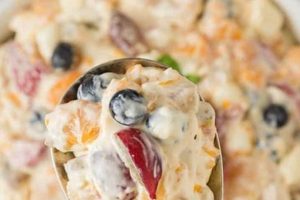
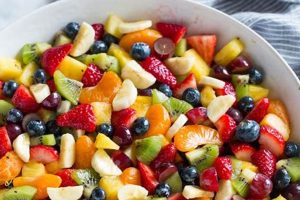
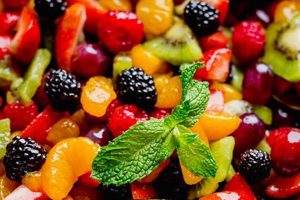
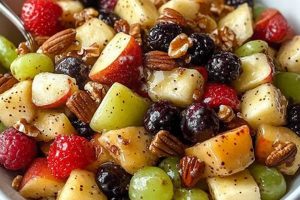
A delectable mixture of various fresh fruits, typically prepared by combining cut pieces of different fruits, often enhanced with a dressing or syrup, creates a refreshing and nutritious dish. For instance, a simple combination might include strawberries, blueberries, bananas, and oranges, tossed with a light honey-lime dressing.
This culinary creation offers a versatile and healthful option for snacks, desserts, or even light meals. The nutritional value varies based on the chosen fruits, but generally provides vitamins, minerals, and dietary fiber. Historically, access to diverse fruits played a role in the composition; regional and seasonal availability dictated the specific ingredients used. Modern refrigeration and global trade now offer a wider range of possibilities, enabling year-round enjoyment of diverse combinations.
The following sections will delve into optimal fruit selection, preparation techniques, dressing options, and creative presentation ideas to elevate this simple dish to a culinary masterpiece.
Tips for Creating the Perfect Fruit Salad
Achieving a well-balanced and flavorful fruit salad requires careful consideration of several factors, from ingredient selection to preparation techniques.
Tip 1: Select a Variety of Fruits: Incorporating fruits with diverse textures, colors, and flavor profiles enhances both the visual appeal and the taste experience. Consider a mix of sweet, tart, and subtly flavored fruits.
Tip 2: Prioritize Fresh, Ripe Produce: Peak-season fruits offer optimal flavor and nutritional value. Choose fruits that yield slightly to gentle pressure, indicating ripeness.
Tip 3: Cut Fruits Uniformly: Consistent bite-sized pieces create a more pleasing texture and ensure even distribution of flavors.
Tip 4: Prevent Browning: To maintain the vibrant colors of easily oxidized fruits like apples and bananas, a light coating of citrus juice can help prevent browning.
Tip 5: Enhance with Herbs and Spices: A touch of mint, basil, or a sprinkle of cinnamon can elevate the overall flavor profile, adding complexity and freshness.
Tip 6: Dress it Up (Optional): A simple syrup, a squeeze of citrus, or a light yogurt-based dressing can complement the natural sweetness of the fruit without overpowering it.
Tip 7: Chill Before Serving: Chilling the salad allows the flavors to meld and enhances the refreshing qualities of the fruit.
By following these guidelines, one can consistently create fruit salads that are not only visually appealing but also nutritionally beneficial and deliciously satisfying.
These tips offer a foundation for creating a wide array of fruit salad variations tailored to individual preferences and dietary needs. Experimentation with different combinations and dressings is encouraged to discover personalized favorites.
1. Fresh, Ripe Fruits

The foundation of any successful fruit salad lies in the selection of fresh, ripe fruits. Quality ingredients directly impact the final product’s flavor, texture, and nutritional value. Understanding the characteristics of ripe fruit and their contribution to a balanced composition is crucial for creating a delightful culinary experience.
- Peak Seasonality
Fruits harvested during their peak season offer optimal flavor and nutritional content. Seasonal variations influence availability and should be considered when planning a fruit salad. Choosing in-season produce ensures the freshest, most flavorful ingredients, enhancing the overall taste profile. For example, strawberries in early summer or apples in autumn provide the best flavor and texture for a fruit salad.
- Indicators of Ripeness
Visual cues such as vibrant color, appropriate size, and absence of blemishes signify ripeness. Tactile indicators, like slight yielding to gentle pressure, further confirm optimal maturity. Aroma also plays a role, with ripe fruits emitting characteristic fragrant notes. These factors help determine whether a fruit has reached its peak flavor and sweetness.
- Flavor and Texture Profiles
Different fruits offer a spectrum of flavors, from sweet to tart, and textures ranging from soft to firm. Balancing these profiles within a fruit salad creates a more complex and enjoyable experience. Combining contrasting textures and flavors enhances the overall sensory experience. A mixture of juicy berries, crisp apples, and smooth melon provides a multi-dimensional textural element.
- Nutritional Value
Fresh, ripe fruits are rich sources of vitamins, minerals, and dietary fiber. Incorporating a variety of fruits maximizes the nutritional benefits of the salad, contributing to a healthy diet. The specific nutrients vary depending on the chosen fruits, further emphasizing the importance of diverse selection.
By prioritizing fresh, ripe, and seasonally appropriate fruits, one ensures optimal flavor, texture, and nutritional value in a fruit salad. The careful selection of ingredients elevates this simple dish into a vibrant and healthful culinary creation. These factors, combined with skillful preparation and presentation, create a truly satisfying sensory experience.
2. Balanced Flavor Profiles

Balanced flavor profiles are essential for a successful fruit salad. A harmonious blend of sweet, tart, and subtly flavored fruits creates a more complex and enjoyable sensory experience. Overly sweet combinations can become cloying, while excessively tart flavors may be unappealing. Careful consideration of the chosen fruits’ inherent sweetness and acidity is crucial. For instance, incorporating tart berries like raspberries or cranberries alongside sweeter fruits such as bananas or mangoes achieves a balanced profile. The interplay of contrasting flavors elevates the overall taste, preventing monotony and enhancing palatability. This balance extends beyond mere sweetness and tartness to encompass other flavor dimensions, such as the aromatic notes of melon or the subtle tang of pineapple.
Achieving a balanced flavor profile requires not only selecting the right ingredients but also considering their proportions. Dominance of a single flavor can overshadow the others, diminishing the complexity of the overall taste. A thoughtful ratio of different fruits ensures that each contributes to the final flavor profile without overpowering the others. Practical implementation involves tasting and adjusting the fruit ratios until a desirable balance is achieved. This iterative process allows for personalized adjustments according to individual preferences. Furthermore, the addition of herbs, spices, or dressings can further refine the flavor profile, adding depth and complexity. A touch of mint can brighten the flavors, while a sprinkle of cinnamon can add warmth.
Understanding the interplay of flavors within a fruit salad is paramount for creating a truly satisfying culinary experience. A well-balanced flavor profile elevates this simple dish beyond a mere combination of ingredients to a harmonious blend of tastes and textures. This balance contributes not only to enjoyment but also encourages consumption of a wider variety of fruits, promoting a more diverse and nutrient-rich diet. Challenges can arise when incorporating less common or intensely flavored fruits; careful experimentation and small adjustments are key to successful integration. Ultimately, a well-balanced flavor profile maximizes both the sensory pleasure and the nutritional benefits of a fruit salad.
3. Appropriate Cutting Techniques

Appropriate cutting techniques play a crucial role in both the aesthetic appeal and the overall enjoyment of a fruit salad. Uniformly sized pieces ensure even distribution of flavors, prevent certain fruits from dominating the palate, and contribute to a pleasing textural consistency. Consider a salad containing strawberries and melon; if the melon is cut into large chunks while the strawberries remain whole, the melon flavor will likely overpower the more delicate strawberry notes. Conversely, if all ingredients are diced too finely, the salad can become mushy and lose its textural appeal. Specific cutting techniques should also be chosen based on the fruit’s characteristics; softer fruits like berries might benefit from gentle halving or quartering, while firmer fruits such as apples or pears can be diced or sliced thinly.
The relationship between cutting techniques and the overall recipe extends beyond mere aesthetics and flavor balance. Proper cutting also influences the fruit’s susceptibility to oxidation and enzymatic browning. Smaller pieces have a greater surface area exposed to air, accelerating browning in fruits like apples, bananas, and avocados. To mitigate this, applying a coating of citrus juice to cut surfaces can inhibit enzymatic activity and preserve the fruit’s fresh appearance. Moreover, specific cutting styles can enhance visual presentation. Decorative cuts like melon balls or pineapple wedges can elevate a simple fruit salad to a visually appealing centerpiece. Understanding these nuances allows for optimization of both the sensory and visual aspects of the dish.
In summary, appropriate cutting techniques are integral to a successful fruit salad, influencing flavor distribution, textural consistency, preservation of freshness, and visual presentation. Careful consideration of fruit characteristics, desired presentation style, and potential for oxidation informs the choice of cutting method. Mastering these techniques elevates the fruit salad from a simple mix of ingredients to a thoughtfully composed dish that maximizes both flavor and visual appeal.
4. Complementary Dressings (Optional)

Complementary dressings, while optional, offer an opportunity to enhance and unify the diverse flavors within a fruit salad. Dressings act as a bridge, connecting individual fruit components into a cohesive whole. The choice of dressing should consider the inherent sweetness and acidity of the chosen fruits. A light vinaigrette, for example, can balance the sweetness of a melon-heavy salad, while a creamy yogurt-based dressing might complement a tart berry mixture. A honey-lime dressing applied to a tropical fruit salad enhances the existing sweetness while adding a touch of citrusy tang. Conversely, a heavier, sweeter dressing might overwhelm a delicate fruit salad composed primarily of berries. The interplay between dressing and fruit flavors is crucial; the goal is to complement, not mask, the natural fruit flavors.
The practical application of dressings requires careful consideration of both the flavor profile and the texture of the desired outcome. A thin, watery dressing might not adhere well to the fruit, while a thick, heavy dressing could make the salad soggy. Emulsified dressings, combining oil and an acidic element, offer a good balance, coating the fruit lightly without adding excessive moisture. Furthermore, the timing of dressing application impacts the final result. Delicate fruits, like berries, can macerate and lose their structural integrity if dressed too far in advance of serving. In contrast, robust fruits like apples and melons can tolerate earlier dressing. Understanding these factors allows for strategic dressing application, maximizing flavor enhancement while preserving the desired texture and presentation.
In conclusion, complementary dressings offer a valuable tool for refining and unifying the flavor profiles of a fruit salad. Careful selection and application, based on the inherent characteristics of the chosen fruits and the desired outcome, elevate this simple dish. Challenges arise when balancing flavor enhancement with the preservation of fruit integrity and avoiding undesirable textural changes. However, mindful consideration of these factors allows for strategic dressing choices that maximize both flavor and presentation, transforming a basic fruit mixture into a more sophisticated and enjoyable culinary experience.
5. Proper Storage Methods
Proper storage methods are integral to preserving the quality and safety of fruit salad. Neglecting appropriate storage techniques can lead to undesirable outcomes, including premature spoilage, bacterial growth, and loss of flavor and nutritional value. The delicate nature of fresh fruit necessitates careful attention to temperature, humidity, and exposure to air. For instance, storing a prepared fruit salad at room temperature accelerates enzymatic browning and bacterial proliferation, compromising both its aesthetic appeal and its safety. Conversely, proper refrigeration significantly slows down these processes, maintaining the salad’s freshness and quality for a longer period. Cut fruits, particularly those susceptible to oxidation, benefit from airtight containers or a covering of plastic wrap to minimize air exposure. This understanding influences recipe development, dictating the timing of fruit preparation and assembly.
The practical application of proper storage methods extends beyond simply refrigerating the finished product. Consideration should also be given to the pre-preparation storage of individual fruit ingredients. Certain fruits, such as berries and bananas, are highly perishable and require specific storage conditions to maintain optimal quality. Storing unripe fruits at room temperature allows them to ripen fully before incorporation into the salad. Conversely, ripe fruits benefit from refrigeration to slow down the ripening process and extend their shelf life. Understanding these nuances enables optimization of ingredient quality, resulting in a superior final product. Furthermore, proper storage post-preparation plays a crucial role in food safety. Thorough chilling of the prepared salad inhibits bacterial growth, minimizing the risk of foodborne illnesses. This is particularly critical for salads containing easily perishable ingredients like melons or cut berries.
In conclusion, proper storage methods are inextricably linked to the success of a fruit salad recipe. Careful consideration of storage conditions at each stage, from pre-preparation to post-consumption, preserves the quality, flavor, and safety of the ingredients. Challenges arise when balancing optimal storage conditions with practical limitations. However, understanding the underlying principles of food preservation empowers informed decisions that maximize both the sensory appeal and the safety of the final product, contributing to a more enjoyable and healthful culinary experience.
Frequently Asked Questions
This section addresses common inquiries regarding fruit salad preparation and storage, aiming to provide clear and concise information for optimal results.
Question 1: How can enzymatic browning in fruits like apples and bananas be prevented in a fruit salad?
Coating cut surfaces with an acidic agent, such as lemon or lime juice, inhibits enzymatic browning. Alternatively, using a commercial anti-browning agent specifically designed for fruit can also be effective. Minimizing exposure to air by storing cut fruit in airtight containers also helps.
Question 2: What are the best fruits to use for a fruit salad?
Optimal fruit selection depends on personal preferences and desired flavor profiles. However, a mix of textures and flavors is generally recommended. Combining sweet fruits like berries and bananas with tart fruits like citrus and kiwi creates a balanced flavor profile. Consideration should also be given to seasonal availability for optimal ripeness and flavor.
Question 3: How long can fruit salad be stored safely in the refrigerator?
Properly stored fruit salad, kept in an airtight container in the refrigerator, typically remains safe for consumption for up to three to five days. However, the specific shelf life depends on the types of fruit used and the storage temperature. Visual inspection and assessment of aroma are crucial for determining freshness.
Question 4: Can canned fruit be used in a fruit salad?
While canned fruit can be used, fresh fruit is generally preferred for optimal flavor and nutritional value. If using canned fruit, choose varieties packed in juice rather than syrup to minimize added sugar. Drain the fruit thoroughly before adding it to the salad to prevent excess liquid from diluting the flavors.
Question 5: What are some healthy dressing alternatives for fruit salad?
Healthy dressing options include a light squeeze of citrus juice, a drizzle of honey, or a small amount of plain yogurt. These options enhance the natural sweetness of the fruit without adding excessive sugar or calories. Alternatively, a blend of fruit juice and a touch of balsamic vinegar can create a light and flavorful vinaigrette.
Question 6: How can one maintain the texture and prevent sogginess in a fruit salad?
To prevent a soggy fruit salad, avoid adding overly juicy fruits or dressing the salad too far in advance of serving. Adding fruits with varying textures, such as crisp apples and juicy berries, creates a more appealing textural experience. Chilling the salad helps maintain its freshness and firmness.
Careful attention to ingredient selection, preparation techniques, and storage methods ensures a delicious and healthful fruit salad experience. Understanding these key aspects contributes to optimal flavor, texture, and food safety.
For further culinary inspiration and specific recipe ideas, explore the following resources
Conclusion
Careful selection of ingredients, informed by an understanding of flavor profiles, ripeness indicators, and optimal cutting techniques, forms the foundation of a successful fruit salad. Complementary dressings, judiciously applied, enhance the inherent flavors of the fruit, while proper storage methods maintain freshness and ensure food safety. Consideration of these elements elevates this seemingly simple dish, transforming a basic combination of ingredients into a vibrant and healthful culinary creation.
The potential for creativity within the realm of fruit salad preparation remains vast. Exploration of diverse fruit combinations, innovative dressing options, and artful presentation styles offers a continuous opportunity for culinary discovery. Emphasis on fresh, seasonal produce not only maximizes flavor and nutritional value but also supports sustainable agricultural practices. Ultimately, a well-composed fruit salad represents a celebration of nature’s bounty, offering a refreshing and healthful contribution to any meal or occasion.