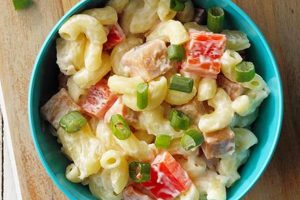
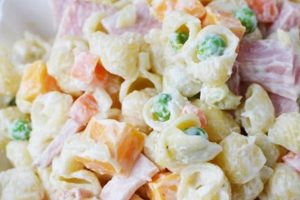
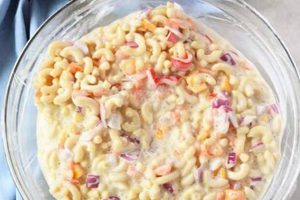
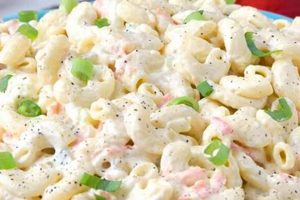
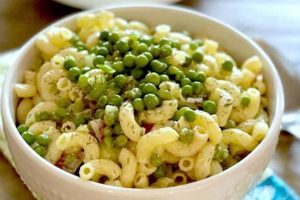
A creamy, sweet variation on traditional macaroni salad involves incorporating sweetened condensed milk into the dressing. This typically complements other common ingredients such as cooked macaroni, mayonnaise, and various vegetables like celery, onions, and bell peppers. The resulting dish offers a unique flavor profile, balancing the tanginess of the mayonnaise with the rich sweetness of the condensed milk.
This approach to macaroni salad offers a distinct textural and flavor experience. The condensed milk contributes a creamy richness and a pronounced sweetness that sets it apart from more savory versions. While its precise origins are difficult to pinpoint, the use of sweetened condensed milk in salads likely emerged as a way to add both sweetness and body to dressings, particularly in regions where this ingredient is readily available and popular. This adaptation reflects broader culinary trends towards exploring diverse flavor combinations and adapting traditional recipes to suit regional preferences and ingredient availability.
Further exploration will cover variations in ingredients and preparation techniques for this style of macaroni salad, addressing common questions and offering tips for achieving optimal results. Nutritional information and potential adaptations for dietary restrictions will also be examined.
Tips for Macaroni Salad with Sweetened Condensed Milk
Achieving optimal results with this style of macaroni salad requires attention to several key factors, from ingredient selection to preparation techniques.
Tip 1: Pasta Selection: Elbow macaroni is traditional, but other small pasta shapes work well. Ensure the pasta is cooked al dente for optimal texture in the finished salad.
Tip 2: Balancing Sweetness: Sweetened condensed milk provides significant sweetness. Adjust the quantity according to preference and consider balancing it with a touch of acidity, such as a squeeze of lemon juice or a dash of vinegar.
Tip 3: Mayonnaise Choice: Full-fat mayonnaise contributes to the creamy texture. Consider using a high-quality mayonnaise for the best flavor and consistency.
Tip 4: Incorporating Add-ins: Classic additions include chopped celery, onions, and bell peppers. Other vegetables, fruits (such as pineapple or grapes), or even shredded coconut can be incorporated for varied flavor and texture.
Tip 5: Chilling Time: Allow the salad to chill for at least an hour before serving. This allows the flavors to meld and the salad to thicken slightly.
Tip 6: Ingredient Quality: Use fresh, high-quality ingredients for the best flavor. Consider using finely diced vegetables for a smoother texture.
Tip 7: Portion Control: Due to its richness, this type of macaroni salad is often best served in smaller portions.
By following these tips, one can create a well-balanced and flavorful macaroni salad with a distinctive sweet character. Attention to detail ensures a satisfying culinary experience.
In conclusion, macaroni salad made with sweetened condensed milk offers a unique twist on a classic dish. Careful consideration of ingredients and preparation methods yields a delightful balance of sweetness and creaminess.
1. Sweetened Condensed Milk
Sweetened condensed milk plays a pivotal role in the distinct character of macaroni salad made with this ingredient. Its presence transforms the dish from a savory side to a sweeter, creamier offering. The condensed milk contributes not only intense sweetness but also a characteristic viscosity that affects the overall texture of the salad. This ingredient binds the other components, creating a cohesive, creamy matrix. Without sweetened condensed milk, the salad reverts to a more traditional, less sweet profile. One can observe this distinction by comparing classic macaroni salad recipes, typically based on mayonnaise and vinegar, with variations incorporating condensed milk. The latter exhibits a noticeable difference in both taste and texture.
The impact of sweetened condensed milk extends beyond simply adding sweetness. It influences the overall balance of flavors, interacting with other ingredients, such as mayonnaise and any added acidity, to create a complex flavor profile. For instance, the tanginess of mayonnaise is tempered by the sweetness of the condensed milk, resulting in a more nuanced taste. Furthermore, the condensed milk contributes to the preservation of the salad due to its high sugar content, inhibiting bacterial growth to some extent. This characteristic, however, does not negate the need for proper refrigeration.
Understanding the function of sweetened condensed milk in this specific type of macaroni salad allows for informed adjustments to recipes. One can manipulate the quantity of condensed milk to achieve the desired level of sweetness and creaminess. Further adjustments can be made by introducing complementary ingredients that enhance or balance the sweetness. Recognizing the multifaceted role of this ingredient allows for greater control over the final product, ensuring a desirable outcome tailored to individual preferences.
2. Cooked Macaroni

Cooked macaroni forms the foundational element of macaroni salad made with sweetened condensed milk, providing the structure and substance around which the other ingredients coalesce. The type and quality of the pasta, as well as its preparation, significantly influence the final dish’s texture and overall enjoyment. Understanding the role of cooked macaroni in this context is essential for creating a successful salad.
- Pasta Shape and Size:
Elbow macaroni is the traditional choice due to its ability to hold the creamy dressing and its pleasing mouthfeel. However, other small pasta shapes, such as shells, rotini, or ditalini, can also be used. The size and shape of the pasta affect the salad’s visual appeal and how well the dressing clings to the pasta. Larger shapes might require adjustments to the dressing’s consistency.
- Cooking Method:
Properly cooked macaroni is crucial for achieving the desired texture. Overcooked pasta becomes mushy and loses its ability to hold its shape, resulting in an unappetizing salad. Undercooked pasta, conversely, presents a firm, unpleasant texture. Cooking the pasta al dente, or “to the tooth,” ensures a pleasant firmness that holds up well in the salad.
- Cooling and Draining:
After cooking, thoroughly draining and rinsing the pasta with cold water stops the cooking process and prevents the pasta from sticking together. This step also helps to cool the macaroni quickly, which prevents it from continuing to absorb water and becoming mushy. Proper cooling also helps the dressing adhere more effectively.
- Quantity and Proportion:
The ratio of cooked macaroni to other ingredients influences the salad’s overall balance. Too much pasta can result in a dry salad, while too little can make the salad overly rich and heavy. A well-balanced macaroni salad provides a harmonious blend of pasta, dressing, and add-ins.
The careful consideration of these factors, related to the cooked macaroni, significantly impacts the final quality of the macaroni salad made with sweetened condensed milk. A thoughtful approach to pasta selection, cooking method, and post-cooking handling ensures a pleasing texture and optimal flavor absorption, contributing to a more satisfying culinary experience. Neglecting these aspects can compromise the overall quality of the dish, highlighting the importance of proper pasta preparation in achieving a balanced and enjoyable macaroni salad.
3. Mayonnaise
Mayonnaise plays a crucial role in macaroni salad made with sweetened condensed milk, contributing significantly to the texture, flavor, and overall success of the dish. It acts as a bridge between the sweetness of the condensed milk and the other ingredients, creating a cohesive and balanced flavor profile. Understanding its function within this specific context is essential for achieving optimal results.
- Emulsification and Texture:
Mayonnaise, an emulsion of oil and egg yolks, provides a creamy texture that coats the pasta and other ingredients. This creates a smooth, rich mouthfeel that complements the sweetness of the condensed milk. The emulsification process stabilizes the dressing, preventing separation and maintaining a consistent texture throughout the salad.
- Flavor Balance:
The tangy flavor of mayonnaise offers a counterpoint to the sweetness of the condensed milk, preventing the salad from becoming overly saccharine. This balance of sweet and tangy is a hallmark of this style of macaroni salad. The subtle acidity of mayonnaise also enhances the flavors of the other ingredients, such as celery and onion.
- Binding and Cohesion:
Mayonnaise acts as a binding agent, holding the various components of the salad together. Its viscous nature helps to adhere the dressing to the pasta and other ingredients, creating a unified and appealing dish. This binding property also contributes to the salad’s overall stability, preventing it from becoming watery or separating over time.
- Variations and Adaptations:
Different types of mayonnaise, such as those made with different oils or flavored with additional ingredients, can be used to create variations on the classic recipe. For example, using olive oil mayonnaise imparts a slightly fruity and peppery flavor, while a mayonnaise with added herbs can complement the other ingredients in the salad. These variations allow for customization and exploration of different flavor profiles.
The interplay between mayonnaise and sweetened condensed milk is crucial for achieving the desired balance of flavors and textures in this type of macaroni salad. The creamy richness of the mayonnaise complements the sweetness of the condensed milk, while its tanginess provides a necessary counterpoint. The emulsifying and binding properties of mayonnaise further contribute to the salad’s overall success. Careful consideration of the type and quality of mayonnaise used, as well as its interaction with other ingredients, is therefore essential for producing a harmonious and delicious final product.
4. Complementary Ingredients
Complementary ingredients play a vital role in macaroni salad made with sweetened condensed milk, adding depth, texture, and visual appeal. These additions move the dish beyond simple sweetness and creaminess, contributing complexity and balance. A careful selection of complementary ingredients elevates this variation of macaroni salad, transforming it into a more nuanced and satisfying culinary experience.
- Vegetables:
Common vegetable additions include finely diced celery, red onion, and bell peppers. These provide a crisp, refreshing contrast to the creamy dressing and offer a subtle savory element that balances the sweetness. Other options include shredded carrots, chopped pickles, or even blanched peas. The choice of vegetables influences not only the flavor but also the texture and color of the salad.
- Fruits:
Incorporating fruits introduces another layer of flavor and sweetness. Crushed pineapple, halved grapes, or diced apples offer complementary sweetness and a burst of freshness. The acidity of some fruits, such as pineapple, can also balance the richness of the sweetened condensed milk. However, the choice of fruit requires careful consideration to ensure compatibility with the other ingredients and the overall flavor profile.
- Nuts and Seeds:
Chopped nuts, such as walnuts or pecans, and seeds, like sunflower or pumpkin seeds, introduce textural complexity and subtle nutty flavors. These additions also contribute a satisfying crunch that contrasts with the creamy dressing and soft pasta. Toasted nuts enhance their flavor and provide a deeper aromatic dimension.
- Other Additions:
Beyond the typical additions, other ingredients can further enhance the flavor and texture of the salad. Shredded coconut adds a tropical sweetness and chewiness, while hard-boiled eggs contribute protein and a savory element. Chopped fresh herbs, such as chives or parsley, offer a fresh, aromatic counterpoint to the richness of the dressing. These additions demonstrate the versatility of macaroni salad and the potential for customization based on individual preferences.
The interplay between these complementary ingredients and the core components of macaroni saladthe pasta, sweetened condensed milk, and mayonnaisedetermines the final character of the dish. Thoughtful selection and balanced incorporation of these additions create a harmonious blend of flavors, textures, and colors, resulting in a more complex and satisfying salad. Experimentation with different combinations allows for personalization and the creation of a truly unique culinary experience.
5. Chilling Time
Chilling time is a crucial element in macaroni salad recipes incorporating sweetened condensed milk, significantly impacting the final dish’s flavor, texture, and overall quality. This period of refrigeration allows for a series of beneficial changes that enhance the sensory experience.
- Flavor Development:
Chilling allows the diverse flavors of the various ingredientssweetened condensed milk, mayonnaise, vegetables, and any additional componentsto meld and harmonize. This fusion creates a more complex and balanced flavor profile compared to a freshly made salad. The chilling process reduces the initial sharpness of individual ingredients, allowing their subtle nuances to emerge and integrate.
- Texture Enhancement:
Refrigeration firms the pasta and allows the dressing to thicken and adhere more effectively. This results in a more cohesive and less watery salad, improving its overall texture and mouthfeel. The chilled temperature also enhances the perception of creaminess from the mayonnaise and condensed milk.
- Food Safety:
While sweetened condensed milk possesses some preservative qualities due to its high sugar content, chilling is essential for maintaining food safety. Refrigeration inhibits the growth of bacteria that can cause spoilage, ensuring the salad remains safe for consumption. Adhering to appropriate chilling times and temperatures minimizes risks associated with foodborne illnesses.
- Enhanced Sensory Experience:
Serving macaroni salad chilled enhances the overall sensory experience. The cool temperature provides a refreshing contrast to the richness of the dressing and the subtle sweetness of the condensed milk. This makes the salad more palatable, especially in warmer climates. The chilled temperature also heightens the perception of the various textures and flavors.
The impact of chilling time extends beyond mere convenience. It represents a crucial step that allows the flavors and textures of the macaroni salad to fully develop and integrate. This period of refrigeration not only enhances the sensory experience but also contributes to food safety. Therefore, chilling should be viewed as an integral part of the preparation process, rather than an optional afterthought, ensuring the creation of a well-balanced and enjoyable macaroni salad with sweetened condensed milk.
6. Balanced Sweetness

Balanced sweetness is paramount in a successful macaroni salad recipe incorporating sweetened condensed milk. This ingredient introduces a significant level of sweetness, which, if left unchecked, can overwhelm the other flavors and result in a cloying dish. Balancing this sweetness involves strategic incorporation of contrasting flavors, primarily acidity and savory notes, to create a harmonious flavor profile. The interplay of these contrasting elements elevates the dish beyond simple sweetness, adding complexity and depth. For instance, the tanginess of mayonnaise or the addition of a splash of vinegar or lemon juice provides the necessary acidity to cut through the sweetness of the condensed milk. Incorporating savory elements, such as chopped celery, onions, or pickles, further balances the sweetness and introduces textural complexity. Without this careful balancing act, the sweetness of the condensed milk can dominate, resulting in a one-dimensional and potentially unappetizing experience.
The practical significance of understanding balanced sweetness in this context lies in the ability to adjust recipes to achieve the desired flavor profile. Recognizing the intensity of sweetened condensed milk allows for informed decisions regarding the quantity used and the incorporation of balancing ingredients. For example, reducing the amount of condensed milk and supplementing with a touch of honey or maple syrup can offer a more nuanced sweetness. Similarly, increasing the proportion of acidic or savory ingredients can temper the sweetness and create a more balanced flavor profile. This understanding empowers one to tailor the recipe to individual preferences and achieve a harmonious blend of flavors. Consider a scenario where a recipe calls for a cup of sweetened condensed milk. If tasters find the initial result too sweet, reducing the condensed milk to three-quarters of a cup and adding a tablespoon of apple cider vinegar could provide the desired balance. This iterative process, guided by an understanding of balanced sweetness, allows for fine-tuning and customization.
In conclusion, balanced sweetness is not merely an aesthetic consideration; it is a fundamental principle in formulating a successful macaroni salad with sweetened condensed milk. It requires a thoughtful approach to ingredient selection and proportion, recognizing the interplay of contrasting flavors. This understanding allows for informed adjustments and adaptations, ultimately resulting in a more balanced, nuanced, and enjoyable culinary experience. Failure to achieve this balance can result in a dish that is overly sweet and lacks the complexity and depth that characterize a well-executed macaroni salad.
Frequently Asked Questions
This section addresses common inquiries regarding macaroni salad prepared with sweetened condensed milk, offering clarity and practical guidance.
Question 1: Can sugar be substituted for sweetened condensed milk?
While granulated sugar adds sweetness, it lacks the creamy texture and distinct flavor profile imparted by sweetened condensed milk. The condensed milk contributes to both the taste and consistency of the salad.
Question 2: How long can this type of macaroni salad be stored?
Refrigeration is crucial. Properly stored in an airtight container, it typically remains safe for consumption for up to three to five days. However, quality and flavor may degrade over time.
Question 3: What are suitable alternatives to traditional elbow macaroni?
Other small pasta shapes, such as shells, ditalini, or rotini, offer viable alternatives. The key is to select a shape that holds the dressing well.
Question 4: Can this salad be frozen?
Freezing is not recommended. Mayonnaise-based dressings often separate upon thawing, resulting in an undesirable texture. The pasta’s texture may also be negatively affected by freezing.
Question 5: How can excessive sweetness be mitigated?
Incorporating a small amount of acidity, such as lemon juice or vinegar, can balance the sweetness. Savory elements like chopped pickles or celery also contribute to a more balanced flavor profile.
Question 6: Is it necessary to use full-fat mayonnaise?
While full-fat mayonnaise contributes to the desired creamy texture, lower-fat versions can be used. However, this may affect the overall richness and mouthfeel of the salad.
Careful consideration of these points ensures a successful outcome when preparing and storing macaroni salad made with sweetened condensed milk.
The following sections will explore variations and adaptations of this recipe, offering further insights into this unique take on a classic dish.
Macaroni Salad Recipe with Sweetened Condensed Milk
Examination of macaroni salad incorporating sweetened condensed milk reveals a complex interplay of ingredients and techniques. Sweetened condensed milk contributes not only sweetness but also a distinct creamy texture. Balancing this sweetness with acidic and savory elements, such as vinegar or chopped vegetables, proves crucial for a harmonious flavor profile. Mayonnaise acts as a binding agent and textural enhancer, while the choice of pasta shape influences both appearance and mouthfeel. Proper chilling allows flavors to meld and textures to develop fully. Careful consideration of these factors ensures a successful outcome, transforming a simple concept into a nuanced culinary creation.
This exploration underscores the potential for culinary innovation within seemingly simple dishes. Adaptation and refinement of established recipes, such as incorporating sweetened condensed milk into macaroni salad, exemplify the dynamic nature of food preparation. Further investigation into regional variations and individual preferences promises continued evolution and a deeper understanding of culinary creativity.