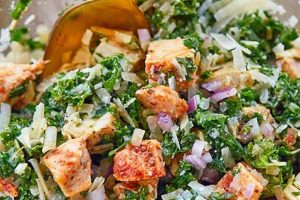
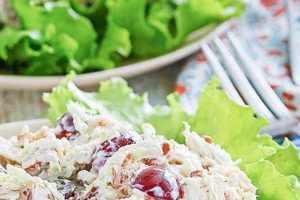
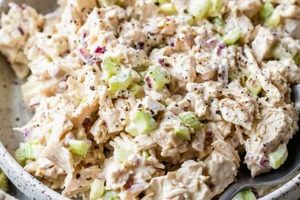
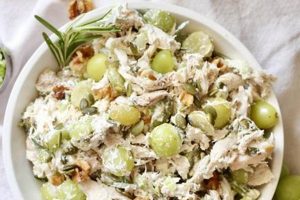
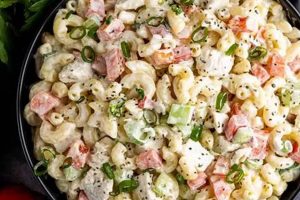
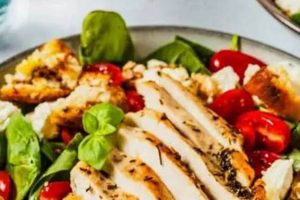
A combination of cooked chickpeas (also known as garbanzo beans), vegetables, and a flavorful dressing creates a nutritious and versatile dish. Common additions include diced celery, red onion, and bell peppers. Dressings often incorporate mayonnaise, vinaigrette, or yogurt, along with herbs and spices for added complexity. This dish offers a refreshing and protein-rich alternative to traditional salads.
This type of salad provides a good source of plant-based protein and fiber, contributing to satiety and digestive health. It’s also a versatile option, suitable for packed lunches, picnics, or as a side dish at barbecues and potlucks. Historically, variations of this dish have appeared in cuisines across the Mediterranean and Middle East, demonstrating its enduring appeal and adaptability.
The following sections will explore various preparation methods, ingredient variations, and nutritional information to help you create a delicious and wholesome meal.
Tips for a Delicious Chickpea Salad
Creating a flavorful and satisfying dish involves attention to detail and a few key techniques. The following tips offer guidance for optimizing both texture and taste.
Tip 1: Proper Chickpea Preparation: Canned chickpeas should be rinsed thoroughly and drained to remove excess sodium and aquafaba. Dried chickpeas require soaking and cooking until tender but firm. Overcooked chickpeas can result in a mushy texture.
Tip 2: Vegetable Selection and Cutting: Fresh, crisp vegetables enhance the overall experience. Uniformly diced vegetables ensure even distribution of flavors and create a pleasant mouthfeel.
Tip 3: Dressing Considerations: The dressing is crucial for binding the ingredients and adding depth of flavor. Consider using high-quality mayonnaise, extra virgin olive oil, or Greek yogurt for a healthier alternative.
Tip 4: Flavor Enhancement: Fresh herbs, such as parsley, dill, or mint, add brightness. Spices like cumin, paprika, or curry powder can introduce warmth and complexity.
Tip 5: Balancing Texture: Adding a crunchy element, such as chopped walnuts, toasted almonds, or sunflower seeds, provides textural contrast.
Tip 6: Chilling for Optimal Flavor: Allowing the salad to chill in the refrigerator for at least 30 minutes allows the flavors to meld and enhances the overall taste.
Tip 7: Creative Variations: Explore different variations by incorporating ingredients like dried cranberries, chopped apples, or crumbled feta cheese.
By following these tips, one can create a nutritious, flavorful, and versatile dish suitable for various occasions. Attention to these details elevates this simple salad to a culinary delight.
The following section offers several variations and serving suggestions for this adaptable and satisfying meal.
1. Ingredients

Ingredient selection significantly impacts the final flavor profile, texture, and nutritional value of a chickpea salad. A careful balance of components creates a cohesive and satisfying dish. Understanding the role of each ingredient allows for informed choices and creative variations.
- Base Ingredient: Chickpeas
Chickpeas form the foundation of the salad, providing plant-based protein and fiber. The chickpeas’ texture and mild flavor make them a versatile base, receptive to various flavor combinations. Proper preparation, whether using canned or dried chickpeas, ensures optimal texture and taste. Canned chickpeas should be rinsed and drained, while dried chickpeas require soaking and cooking until tender.
- Vegetables: Adding Texture and Flavor
Vegetables contribute texture, color, and nutrients. Common choices include diced celery, red onion, bell peppers, and carrots. These additions offer crispness and contrasting flavors that complement the chickpeas. The selection of vegetables can be adapted based on personal preferences and seasonal availability.
- Dressing: Binding and Enhancing Flavor
The dressing binds the ingredients and imparts a significant flavor dimension. Traditional options include mayonnaise-based dressings or vinaigrettes. Greek yogurt offers a lighter, tangier alternative. Incorporating herbs, spices, and acidic elements like lemon juice or vinegar elevates the flavor profile.
- Optional Enhancements: Adding Complexity
Optional additions further enhance the flavor and texture. Chopped fresh herbs like parsley, dill, or mint provide brightness. Nuts and seeds contribute crunch and healthy fats. Dried fruits, such as cranberries or raisins, offer sweetness and chewiness. Crumbled cheese or chopped hard-boiled eggs introduce additional protein and savory notes.
The careful selection and combination of these ingredient categories yield a balanced and flavorful chickpea salad. Understanding the interplay of these components allows for endless customization and the creation of a truly satisfying culinary experience.
2. Preparation Methods
Preparation methods significantly influence the final outcome of a chickpea salad recipe. Different techniques impact texture, flavor development, and overall quality. A methodical approach ensures a successful and enjoyable culinary experience.
Chickpea Preparation: The foundation of a successful recipe lies in properly preparing the chickpeas. Canned chickpeas require rinsing and draining to remove excess sodium and aquafaba. Using dried chickpeas involves soaking and cooking until tender but firm, avoiding a mushy texture. This initial step directly affects the salad’s final consistency and mouthfeel. For instance, overcooked chickpeas can lead to a less appealing, paste-like consistency. Conversely, undercooked dried chickpeas will be too firm and unpleasant to eat. Proper cooking ensures a pleasant, slightly firm, yet tender texture.
Vegetable Incorporation: The way vegetables are incorporated also plays a crucial role. Uniformly dicing vegetables ensures even distribution of flavor and texture throughout the salad. Furthermore, the choice between raw or cooked vegetables introduces different textural and flavor dimensions. For example, blanching or roasting vegetables before adding them to the salad can create a softer texture and deeper flavor profile. Raw vegetables provide a more crisp and refreshing element.
Dressing Emulsification and Incorporation: Proper emulsification of the dressing, whether mayonnaise-based or a vinaigrette, creates a stable and flavorful coating for the other ingredients. Gradual incorporation of the dressing prevents over-mixing and maintains the desired texture of the salad components. Adding the dressing just before serving helps maintain the crispness of the vegetables if using raw ingredients. A pre-dressed salad, especially with raw vegetables, can become watery and lose its textural appeal if stored for too long.
Careful attention to each stage of preparation yields a superior chickpea salad. Understanding these techniques allows for greater control over the final product, leading to a more enjoyable and satisfying culinary creation. The subsequent section will delve into various flavor profiles achievable through ingredient combinations and dressing variations.
3. Flavor Profiles
Flavor profiles play a crucial role in the overall success of a chickpea salad recipe. The interplay of ingredients and seasonings determines the sensory experience, influencing enjoyment and satisfaction. A well-developed flavor profile elevates this simple dish from basic sustenance to a culinary delight. Understanding the components that contribute to flavor complexity allows for customization and the creation of unique taste experiences.
Several factors contribute to the flavor profile. The inherent nuttiness of chickpeas provides a neutral base, readily accepting a wide range of flavor combinations. Acidity, often introduced through lemon juice, vinegar, or yogurt, brightens the flavor and balances richness. Herbs and spices add depth and complexity. For instance, a classic Mediterranean profile might incorporate fresh parsley, dill, and mint, combined with a lemon-tahini dressing. A spicier variation could utilize cumin, coriander, and chili flakes, creating a more robust and warming flavor experience. The sweetness of dried fruits like cranberries or raisins can provide a contrasting element, while the savory notes of crumbled feta cheese or chopped olives offer a salty and umami counterpoint. The choice of dressing also significantly influences the final flavor profile. A creamy mayonnaise-based dressing adds richness, while a vinaigrette provides a lighter, brighter touch.
Achieving a balanced and harmonious flavor profile requires careful consideration of these elements. Understanding the interplay of sweet, sour, salty, bitter, and umami tastes allows for precise flavor manipulation. Mastering the art of flavor profiling transforms a chickpea salad recipe into a versatile and customizable culinary canvas. Exploration of different flavor combinations offers endless possibilities for culinary creativity and personalized enjoyment.
4. Nutritional Value
Nutritional value represents a significant aspect of a chickpea salad recipe. This dish offers a range of essential nutrients, contributing to a healthy and balanced diet. Understanding its nutritional composition allows for informed dietary choices and recipe modifications to meet specific dietary needs. The nutritional profile is primarily influenced by the core ingredients: chickpeas, vegetables, and the dressing.
Chickpeas are a rich source of plant-based protein and fiber, promoting satiety and supporting digestive health. They also provide essential minerals like iron and folate. The inclusion of various vegetables further enhances the nutritional content. Vegetables such as celery, bell peppers, and red onions contribute vitamins, antioxidants, and dietary fiber. For example, red bell peppers are an excellent source of vitamin C, while celery provides vitamin K. The type of dressing used can significantly impact the overall nutritional value. A vinaigrette-based dressing, using olive oil, contributes healthy monounsaturated fats. However, mayonnaise-based dressings can be higher in saturated fat and calories. Substituting Greek yogurt for mayonnaise offers a lower-fat and higher-protein alternative. Careful selection of ingredients allows for customization of the nutritional profile to align with specific dietary goals, such as reducing sodium intake or increasing fiber consumption.
Optimizing the nutritional value of a chickpea salad recipe requires thoughtful ingredient selection and preparation methods. Minimizing the use of processed ingredients and opting for fresh, whole foods maximizes nutrient density. Controlling portion sizes contributes to balanced calorie intake. Incorporating a variety of colorful vegetables broadens the spectrum of vitamins and minerals consumed. Awareness of the nutritional composition empowers individuals to make informed choices, maximizing the health benefits derived from this versatile and nutritious dish. This nutritional awareness transforms the dish from simply a palatable meal to a valuable component of a health-conscious dietary strategy.
5. Serving Suggestions
Serving suggestions enhance the versatility of a chickpea salad recipe, extending its utility beyond a basic side dish. Consideration of different serving styles expands the recipe’s adaptability to various occasions and culinary contexts. The manner in which this salad is presented influences perceived value and enjoyment. A simple scoop of chickpea salad served on a bed of lettuce offers a light lunch or a refreshing side at a barbecue. Elevating the presentation transforms the dish into a more substantial and appealing meal. For example, using the chickpea salad as a filling for whole-wheat pita bread or croissants creates a portable and satisfying lunch or snack. Serving the salad on toasted multi-grain bread with a side of mixed greens transforms it into a heartier meal. Incorporating it into lettuce wraps offers a lighter, low-carbohydrate option.
Beyond traditional presentations, chickpea salad can be utilized in more creative ways. It functions as a flavorful dip for whole-grain crackers or vegetable sticks, providing a healthy and satisfying snack. Incorporating it into a larger culinary creation adds both flavor and nutritional value. For example, chickpea salad can serve as a topping for baked potatoes, adding protein and a vibrant flavor dimension. It can also be used as a filling for bell peppers or tomatoes, creating a visually appealing and nutrient-rich appetizer or light meal. These varied applications demonstrate the inherent adaptability of chickpea salad, showcasing its potential beyond a standard salad preparation.
Thoughtful serving suggestions transform a basic chickpea salad recipe into a multifaceted culinary tool. Considering various presentation styles and applications maximizes the recipe’s potential, broadening its appeal and integration into diverse dietary preferences and occasions. A simple shift in presentation can elevate the perceived value and enjoyment of this versatile dish, encouraging culinary exploration and appreciation for its adaptability.
6. Variations

Variations within a chickpea salad recipe demonstrate the dish’s adaptability and potential for customization. This inherent flexibility allows for the incorporation of diverse ingredients and flavor profiles, catering to a wide range of palates and dietary preferences. The core recipe, consisting of chickpeas, vegetables, and a binding agent, serves as a foundational template upon which numerous variations can be built. Understanding the interplay of ingredients and flavors empowers culinary exploration and the creation of unique taste experiences.
Consider, for example, a Mediterranean-inspired variation. Incorporating ingredients such as Kalamata olives, crumbled feta cheese, sun-dried tomatoes, and a lemon-herb vinaigrette transforms the basic recipe into a distinctly Mediterranean experience. Alternatively, a spicy variation might include chopped jalapeos, cilantro, cumin, and a lime-cilantro dressing, introducing a Southwestern flair. The addition of curry powder, raisins, and chopped apples creates an entirely different flavor profile, reflecting influences from Indian cuisine. These examples illustrate how ingredient variations can drastically alter the final dish, offering a spectrum of culinary possibilities within a single recipe framework. Further variations can cater to specific dietary requirements. Substituting avocado for mayonnaise creates a vegan-friendly option while maintaining a creamy texture. Using quinoa or brown rice in addition to chickpeas increases the protein and fiber content, catering to those seeking a more substantial and nutrient-dense meal.
The ability to create variations within a chickpea salad recipe highlights its inherent value and adaptability. This flexibility allows the dish to transcend cultural boundaries and dietary restrictions, offering a customizable and universally appealing culinary experience. Understanding the core principles of flavor balance and ingredient compatibility empowers individuals to personalize the recipe, creating variations that cater to individual preferences and dietary needs. This capacity for customization ensures the recipe’s continued relevance and enjoyment across diverse culinary landscapes.
7. Storage
Proper storage is crucial for maintaining the quality, flavor, and safety of chickpea salad. Neglecting appropriate storage techniques can lead to spoilage, bacterial growth, and diminished sensory appeal. Understanding and implementing correct storage practices ensures optimal enjoyment and minimizes food waste. The following facets outline key considerations for preserving the freshness and integrity of chickpea salad.
- Container Selection
Choosing the right container plays a vital role in preserving chickpea salad. An airtight container is essential for preventing oxidation and maintaining freshness. The container should be of appropriate size to minimize excess air space, further reducing the risk of spoilage. Materials such as glass or food-grade plastic are recommended for their durability and ability to maintain a stable temperature. Using a container that is too large can expose the salad to more air, accelerating oxidation and spoilage. Conversely, a container that’s too small can crush the salad and compromise its texture.
- Refrigeration Temperature
Maintaining a consistent and appropriate refrigeration temperature is paramount for food safety and preservation. Chickpea salad should be stored at or below 40F (4C) to inhibit bacterial growth and maintain optimal quality. Fluctuations in temperature can create a breeding ground for harmful bacteria, compromising the safety and edibility of the salad. Consistent refrigeration ensures the salad remains safe for consumption and preserves its intended flavor profile.
- Shelf Life
Chickpea salad, even when properly stored, has a limited shelf life. Generally, it is recommended to consume the salad within 3-5 days of preparation. Beyond this timeframe, the risk of bacterial growth increases, and the quality of the ingredients, particularly the vegetables, may deteriorate. Observing the recommended shelf life ensures optimal flavor and minimizes potential health risks associated with consuming spoiled food. Visual inspection and smell assessment can further aid in determining the salad’s freshness before consumption.
- Freezing Considerations
While refrigeration is the preferred storage method, freezing chickpea salad is possible, though not ideal. Freezing can alter the texture of the ingredients, particularly the vegetables, resulting in a less desirable consistency upon thawing. Mayonnaise-based dressings may separate after freezing, affecting the overall texture and flavor. If freezing is necessary, it’s recommended to use a freezer-safe, airtight container and consume the salad within 1-2 months for optimal quality. Understanding the potential effects of freezing allows for informed decisions regarding long-term storage and management of potential texture changes upon thawing.
Adhering to these storage guidelines ensures the safety and maximizes the enjoyment of chickpea salad. Proper storage preserves the intended flavor profile, maintains the desired texture, and minimizes the risk of foodborne illness. These practices contribute to a positive culinary experience and reduce food waste, reflecting responsible food handling and consumption.
Frequently Asked Questions
This section addresses common inquiries regarding chickpea salad recipes, providing concise and informative responses to clarify potential uncertainties and enhance understanding of this versatile dish.
Question 1: How long can chickpea salad be stored in the refrigerator?
Properly stored in an airtight container at or below 40F (4C), chickpea salad typically maintains optimal quality for 3-5 days. Beyond this timeframe, quality may deteriorate, and the risk of spoilage increases.
Question 2: Can dried chickpeas be used instead of canned chickpeas?
Dried chickpeas offer a viable alternative to canned varieties. They require soaking for at least 8 hours or overnight and then cooking until tender but firm. This process allows for greater control over texture and sodium content.
Question 3: What are some suitable dressing alternatives to mayonnaise?
Alternatives to mayonnaise include Greek yogurt, tahini-based dressings, or vinaigrettes made with olive oil and lemon juice or vinegar. These options offer diverse flavor profiles and potential health benefits, such as reduced fat content or increased protein.
Question 4: Can chickpea salad be frozen?
While freezing is possible, it is not generally recommended. Freezing can alter the texture of the vegetables and cause mayonnaise-based dressings to separate. If freezing is necessary, store the salad in a freezer-safe, airtight container for no longer than 1-2 months.
Question 5: How can one increase the nutritional value of chickpea salad?
Nutritional value can be enhanced by incorporating a variety of nutrient-rich vegetables, such as chopped bell peppers, carrots, and spinach. Using a lower-fat dressing, like a vinaigrette or Greek yogurt-based dressing, also contributes to a healthier profile.
Question 6: What are some common allergens to consider when preparing chickpea salad?
Common allergens include sesame seeds (often found in tahini), nuts, and eggs (if included in the recipe or the mayonnaise). Always communicate ingredient details when serving to others, particularly those with known food allergies. Careful ingredient selection and clear communication are essential for accommodating dietary restrictions and preventing allergic reactions.
Understanding these common inquiries helps ensure the safe and successful preparation and enjoyment of chickpea salad. This knowledge facilitates informed decision-making regarding ingredient selection, preparation methods, and storage practices.
Exploring diverse recipes and variations further expands appreciation for this versatile and nutritious dish.
Conclusion
Exploration of this culinary subject reveals a dish offering nutritional value and culinary versatility. From ingredient selection and preparation methods to flavor profiles and serving suggestions, the preceding information provides a comprehensive understanding of crafting a successful and satisfying meal. Proper storage techniques ensure food safety and maximize enjoyment. Addressing common inquiries further clarifies nuances and empowers informed choices.
This adaptable recipe provides a foundation for culinary creativity and personalized expression. Continued exploration of variations and flavor combinations promises an evolving culinary experience. The inherent simplicity of the recipe belies its potential for delivering both nourishment and gastronomic satisfaction. Thoughtful consideration of ingredients and techniques elevates this humble dish to a culinary staple, adaptable to diverse palates and dietary preferences.