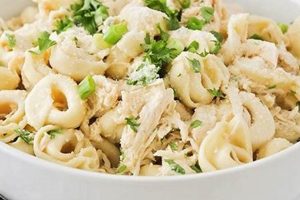
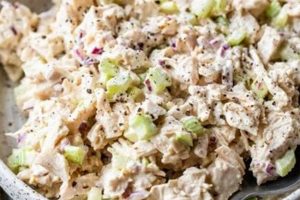
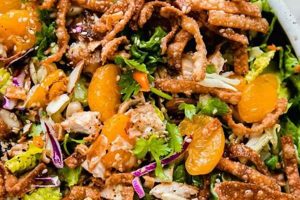
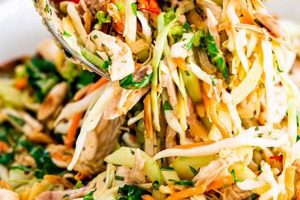
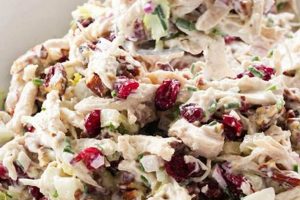
A dish combining cooked chicken, typically shredded or diced, with a variety of fruits and often other ingredients like nuts, vegetables, and a creamy dressing, creates a sweet and savory culinary experience. Variations can include grapes, apples, cranberries, oranges, pecans, celery, and mayonnaise-based dressings, offering a wide range of flavor profiles. This type of salad is often served chilled as a light meal, side dish, or sandwich filling.
The refreshing and adaptable nature of this dish contributes to its popularity. It offers a balance of protein and vitamins, making it a nutritious option. Historically, fruit and meat combinations have been present in numerous cuisines, highlighting the established tradition of blending sweet and savory elements. The contemporary iteration reflects evolving palates and dietary preferences, adapting the concept for modern tastes.
Further exploration will cover specific ingredient combinations, preparation techniques, nutritional information, and variations suited for different dietary needs, offering a complete guide to creating and enjoying this versatile dish.
Tips for Creating Exceptional Chicken Salad with Fruit
Elevating this classic dish requires attention to detail and an understanding of flavor pairings. The following tips offer guidance for crafting a truly exceptional culinary experience.
Tip 1: Balance Sweetness and Savory Elements: Careful fruit selection is crucial. Tart fruits like Granny Smith apples or cranberries complement the richness of the chicken, while overly sweet fruits can create an unbalanced flavor profile.
Tip 2: Consider Textural Variety: A combination of textures enhances the overall enjoyment. Crisp apples, crunchy nuts, and tender chicken create a delightful contrast.
Tip 3: Choose High-Quality Chicken: Whether using roasted, poached, or grilled chicken, the quality of the protein significantly impacts the final result. Freshly cooked chicken is preferred over pre-packaged options.
Tip 4: Dress Strategically: Overdressing can mask the delicate flavors of the ingredients. Start with a small amount of dressing and add more as needed, ensuring the salad is lightly coated, not drenched.
Tip 5: Chill Thoroughly Before Serving: Chilling allows the flavors to meld and enhances the refreshing quality of the salad. Refrigerate for at least 30 minutes before serving.
Tip 6: Explore Flavor Enhancements: Fresh herbs like tarragon or mint, spices such as curry powder, or a touch of citrus zest can add depth and complexity.
Tip 7: Proper Storage: Store leftover salad in an airtight container in the refrigerator for up to three days. Avoid freezing, as it can negatively impact the texture of the ingredients.
By following these guidelines, one can achieve a harmonious balance of flavors and textures, resulting in a truly satisfying and memorable chicken salad experience.
The following section provides a selection of specific recipe variations incorporating these principles, offering practical examples of how to achieve culinary excellence.
1. Chicken Selection

Chicken selection significantly impacts the overall quality and flavor profile of a fruited chicken salad. The chosen cooking method and the chicken’s inherent characteristics influence the final dish. Roasting enhances flavor development and yields a firm texture suitable for salads, while poaching produces a more delicate, moist result. Grilled chicken imparts a smoky char, adding another dimension to the salad. Pre-cooked rotisserie chicken offers convenience. However, freshly cooked chicken generally provides superior control over flavor and texture. Matching the chicken preparation to the desired salad profile is essential; a robustly flavored roasted chicken may pair well with bolder fruits and dressings, while a subtly flavored poached chicken might complement lighter, more delicate ingredients.
The choice between white and dark meat also contributes to the final outcome. White meat, typically breast, offers a leaner, milder flavor, while dark meat, from thighs and legs, provides richer flavor and more moisture. The chosen cut should align with the desired taste and texture of the salad. For instance, a lighter salad might benefit from lean white meat, while a richer, more savory salad could utilize dark meat. Additionally, the quality of the chicken itself matters. Free-range or organic options often possess more complex flavors than conventionally raised chickens. Considering these nuances during chicken selection elevates the final dish.
Appropriate chicken selection lays the foundation for a successful fruited chicken salad. Careful consideration of cooking method, meat type, and quality ensures the chicken complements, rather than overwhelms, the other ingredients. This attention to detail results in a well-balanced and flavorful dish, highlighting the interplay between the chicken and the fruits, dressing, and other components.
2. Fruit Pairings

Fruit pairings play a crucial role in a successful fruited chicken salad recipe, influencing the overall balance of flavors and textures. The inherent sweetness and acidity of different fruits interact with the savory chicken and other ingredients, creating a complex flavor profile. Consideration of these interactions is essential for achieving a harmonious and palatable result. Sweet fruits, such as grapes or dried cranberries, provide a direct contrast to the savory chicken, while tart fruits like green apples or citrus segments offer a refreshing counterpoint. The interplay between these flavor profiles defines the character of the salad. For instance, pairing sweet grapes with a tangy mayonnaise-based dressing creates a balanced sweetness, while combining tart apples with a creamy, subtly sweet dressing offers a refreshing contrast. The selection of fruits should not only consider individual flavors but also how these flavors interact with other ingredients. Balancing sweetness and acidity is key to creating a well-rounded and enjoyable dish. Furthermore, textural variety contributes to the sensory experience. Firm apples provide a satisfying crunch, juicy grapes offer a burst of sweetness, and dried cranberries introduce a chewy texture. Combining different textures enhances the overall appeal and enjoyment of the salad.
Effective fruit pairings elevate the fruited chicken salad beyond a simple combination of ingredients. They create a dynamic interplay of flavors and textures that engage the palate and enhance the dining experience. Understanding these interactions allows for informed decisions regarding fruit selection, maximizing the potential for a well-balanced and delicious salad. For example, a salad featuring grilled chicken, grapes, and pecans benefits from the contrast between the smoky chicken, sweet grapes, and crunchy pecans. The interplay of these flavors and textures creates a multi-dimensional sensory experience. Similarly, a salad with poached chicken, tart apples, and walnuts offers a different but equally satisfying profile. The delicate chicken complements the crisp apples and earthy walnuts, creating a nuanced flavor combination. These examples demonstrate how thoughtful fruit pairings contribute to the complexity and overall enjoyment of the dish.
Thoughtful fruit selection is essential for achieving balance and complexity within a fruited chicken salad. Balancing sweet and tart flavors, considering textural variety, and understanding the interaction of fruits with other ingredients are crucial for a successful outcome. Ignoring these factors can lead to a dish that is either too sweet, too tart, or lacking in textural interest. Careful planning and execution ensure that the fruit pairings enhance the overall flavor profile and create a truly satisfying culinary experience.
3. Dressing Choice
Dressing choice significantly impacts the overall flavor profile and textural experience of a fruited chicken salad. The dressing acts as a unifying element, binding the ingredients together while contributing its own distinct characteristics. A well-chosen dressing complements the flavors of the chicken and fruit, enhancing the overall balance and complexity of the dish. Conversely, an inappropriate dressing can overwhelm the delicate flavors or create an undesirable textural clash. For instance, a heavy, overly sweet dressing might mask the subtle sweetness of the fruit and the savory notes of the chicken, while a thin, watery dressing might fail to adequately coat the ingredients, resulting in a disjointed and less satisfying experience. The interplay between the dressing and the other ingredients necessitates careful consideration of flavor profiles, acidity, and texture.
Several factors influence dressing selection. The inherent sweetness and acidity of the chosen fruits play a crucial role. A salad featuring tart fruits like green apples or cranberries might benefit from a slightly sweeter, creamier dressing, while a salad with sweeter fruits like grapes or mangoes might pair well with a tangier, vinaigrette-style dressing. The intensity of the chicken’s flavor also influences dressing choice. A robustly flavored roasted chicken can withstand a bolder dressing, while a more delicately flavored poached chicken might require a lighter, more nuanced dressing. Furthermore, the desired overall flavor profile dictates dressing selection. A classic, creamy chicken salad often employs a mayonnaise-based dressing, while a lighter, more refreshing salad might utilize a vinaigrette or a yogurt-based dressing. Considering these factors ensures the dressing complements and enhances the other ingredients, creating a harmonious and enjoyable final product.
Understanding the impact of dressing choice on a fruited chicken salad allows for informed decision-making and elevates the final dish. Recognizing the interplay between the dressing and the other components the chicken, fruit, and any additional ingredients is essential for achieving a balanced and flavorful result. A well-chosen dressing not only adds flavor but also contributes to the overall texture and cohesion of the salad. Careful consideration of these elements ensures a successful and satisfying culinary outcome, showcasing the synergy between the chosen ingredients and the unifying influence of the dressing.
4. Added Ingredients
Added ingredients contribute significantly to the complexity and textural depth of fruited chicken salad. These additions, beyond the core components of chicken and fruit, expand the flavor profile and offer opportunities for creative customization. Nuts, such as pecans, walnuts, or almonds, introduce a satisfying crunch and subtle nuttiness, complementing the sweetness of the fruit and the savory chicken. Seeds, like sunflower or pumpkin seeds, provide similar textural benefits while offering distinct flavor nuances. Vegetables, including celery, red onion, or bell peppers, introduce contrasting crispness and vegetal notes, balancing the sweetness and richness of other elements. Dried fruits, like cranberries or raisins, intensify sweetness and introduce a chewy texture, while fresh herbs, such as mint, dill, or chives, contribute aromatic complexity and a refreshing element.
The selection of added ingredients should align with the overall flavor profile desired. For a classic, subtly sweet salad, pecans and celery offer a traditional combination. A more adventurous palate might appreciate the inclusion of toasted walnuts, dried cranberries, and diced red onion. The quantity of added ingredients should be carefully considered; over-inclusion can overwhelm the core flavors of the chicken and fruit, while judicious use enhances the overall balance and complexity. For example, a salad featuring grilled chicken, grapes, and toasted pecans benefits from the interplay of smoky, sweet, and nutty flavors, with the pecans providing a pleasant textural contrast. Similarly, a salad combining poached chicken, tart apples, and chopped walnuts gains complexity from the earthy notes of the walnuts and the refreshing crunch of the apples.
Strategic incorporation of added ingredients elevates fruited chicken salad beyond a simple combination of chicken and fruit, creating a multi-dimensional culinary experience. Careful consideration of flavor pairings and textural interplay allows for customization and creativity, resulting in a dish that reflects individual preferences while maintaining a harmonious balance. Understanding the role and impact of added ingredients empowers informed decision-making, ensuring a successful and satisfying final product. The interplay of these additions with the core ingredients and the chosen dressing contributes significantly to the overall enjoyment of the dish.
5. Preparation Method
Preparation method significantly influences the final quality and character of a fruited chicken salad. From the cooking of the chicken to the assembly and chilling of the salad, each step contributes to the overall flavor, texture, and presentation. Understanding these steps and their impact allows for informed decision-making, ensuring a successful and enjoyable culinary outcome.
- Chicken Cooking Techniques
The chosen cooking method for the chicken significantly impacts its flavor and texture. Roasting yields a richer, more intense flavor and a firmer texture, well-suited for salads with bolder flavors. Poaching results in a more delicate, moist chicken, ideal for salads with lighter, more nuanced flavors. Grilling imparts a smoky char, adding depth and complexity. The cooking method should complement the desired overall flavor profile of the salad. Overcooked chicken, regardless of the method, results in a dry, less palatable salad, highlighting the importance of precise cooking techniques.
- Fruit Preparation
Fruit preparation methods contribute to both flavor and texture. Fresh fruits should be washed and appropriately cut. Apples, for example, can be diced, sliced, or grated, each offering a different textural experience. Grapes can be halved or left whole. Dried fruits, if used, may be rehydrated briefly for a plumper texture. Proper preparation ensures optimal flavor release and prevents undesirable textural issues, such as overly large or unevenly sized pieces. Peeling fruit, while sometimes optional, can impact bitterness and overall enjoyment, particularly with citrus fruits.
- Ingredient Combination and Dressing Incorporation
The order and method of combining ingredients influence the final salad’s consistency and flavor distribution. Gently folding the ingredients together prevents overmixing and maintains the integrity of delicate components like grapes or fresh herbs. Adding the dressing gradually allows for control over the final consistency, preventing an overly dressed or dry salad. Even distribution of both dressing and added ingredients ensures a consistent flavor experience in each bite. Overmixing can result in a mushy texture, particularly with softer fruits, while uneven dressing distribution leads to inconsistencies in flavor and moisture.
- Chilling and Serving
Chilling the prepared salad allows flavors to meld and enhances the refreshing quality of the dish. Refrigeration for at least 30 minutes prior to serving is recommended. Serving temperature also impacts enjoyment; an overly chilled salad can numb the palate, while a room-temperature salad may lack the desired refreshing quality. Presentation also plays a role. Serving the salad on a bed of lettuce, garnished with fresh herbs or a sprinkle of nuts, elevates the visual appeal and enhances the overall dining experience.
Careful attention to each stage of preparation, from chicken cooking to final presentation, significantly impacts the quality and enjoyment of a fruited chicken salad. Understanding these steps and their influence on the final product allows for informed choices, ensuring a harmonious balance of flavors, textures, and visual appeal. This comprehensive approach elevates the dish beyond a simple combination of ingredients, transforming it into a carefully crafted and satisfying culinary experience.
Frequently Asked Questions
This section addresses common inquiries regarding the preparation and enjoyment of fruited chicken salad.
Question 1: What type of chicken is best suited for this dish?
While various chicken types can be utilized, freshly roasted or poached chicken generally yields optimal flavor and texture. Rotisserie chicken offers a convenient alternative. The choice between white and dark meat depends on individual preference; white meat offers a leaner profile, while dark meat provides richer flavor.
Question 2: How can one prevent the salad from becoming watery?
Excess moisture can stem from watery fruits or overdressing. Thoroughly draining canned fruits and using a measured amount of dressing prevents this issue. Adding the dressing shortly before serving also helps maintain the desired consistency.
Question 3: What are ideal fruit pairings for chicken salad?
Classic pairings include grapes, apples, and cranberries. However, various fruits complement chicken, including mandarins, pineapple, and dried fruits like apricots or cherries. Balancing sweet and tart flavors ensures a well-rounded profile. Consideration of textural variety is also recommended.
Question 4: How long can fruited chicken salad be stored?
Properly stored in an airtight container in the refrigerator, it typically remains safe to consume for up to three days. However, the quality and texture may begin to deteriorate after the first day. Freezing is not recommended, as it negatively impacts texture.
Question 5: Can this dish be adapted for specific dietary needs?
Adapting the recipe for various dietary needs is achievable. Using a Greek yogurt-based dressing or a light vinaigrette caters to lower-fat preferences. Substituting honey or maple syrup for refined sugar addresses refined-sugar-free diets. Ensuring all added ingredients align with specific dietary restrictions, such as gluten-free or vegan, allows for broader inclusivity.
Question 6: How can one enhance the flavor profile beyond the basic recipe?
Incorporating fresh herbs, toasted nuts, or spices like curry powder adds depth and complexity. A touch of citrus zest or a splash of balsamic vinegar can also elevate the flavor profile. Experimentation with different flavor combinations allows for personalized variations.
Understanding these common inquiries provides a foundation for successful preparation and enjoyment. Attention to detail in ingredient selection, preparation methods, and storage ensures a satisfying culinary experience.
The following section will offer a curated selection of recipe variations, providing practical applications of these principles.
Fruited Chicken Salad Recipe
Exploration of this culinary concept reveals a dish offering versatility and nutritional value. Careful consideration of chicken selection, fruit pairings, dressing choice, added ingredients, and preparation methods contributes significantly to the final product’s quality and enjoyment. Balancing sweet and savory elements, incorporating textural variety, and understanding the interplay of ingredients are crucial for a successful outcome. Addressing common inquiries regarding ingredient selection, preparation techniques, and storage further enhances the potential for culinary success.
The adaptable nature of fruited chicken salad recipes allows for creative exploration and personalization, accommodating diverse palates and dietary preferences. Continued experimentation with flavor combinations and ingredient variations promises further culinary discoveries, solidifying its position as a refreshing and adaptable dish suitable for various occasions.