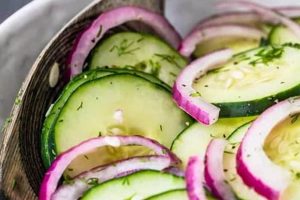
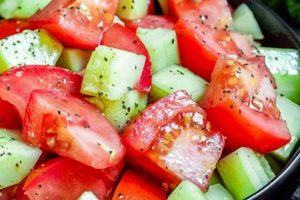
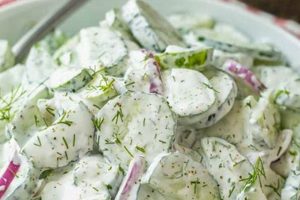
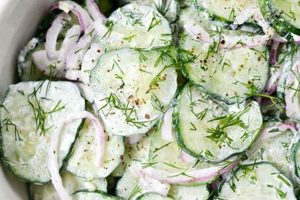
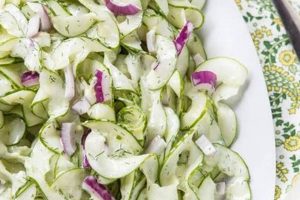
This dish involves physically breaking down cucumbers, typically through smashing or gently crushing, before dressing them. This process releases excess moisture and creates crevices in the cucumber, allowing it to absorb flavors more readily from the dressing or marinade. A typical preparation might include smashed cucumbers combined with ingredients like garlic, chili, vinegar, sesame oil, and soy sauce.
The method of preparation offers several advantages. Crushing expels excess water, preventing a watery salad, and concentrates the cucumber flavor. It also creates a more interesting textural experience, offering both crisp and tender elements. This technique is found in various cuisines, particularly across East and Southeast Asia, demonstrating its adaptability and enduring appeal. Its simplicity and refreshing character have contributed to its continued popularity.
Further exploration of this culinary technique will encompass variations in ingredients and dressings, cultural context, tips for optimal preparation, and potential health benefits.
Tips for Preparing a Crushed Cucumber Salad
Achieving optimal flavor and texture requires attention to several key steps.
Tip 1: Cucumber Selection: Choose firm, unwaxed cucumbers for best results. Persian cucumbers are ideal due to their thinner skin and smaller seed cavity.
Tip 2: Crushing Technique: While a rolling pin or the flat side of a knife are commonly used, gently pressing the cucumber with the palm of the hand before roughly chopping can also be effective. Avoid over-crushing, which can result in a mushy texture.
Tip 3: Salt and Rest: Salting the crushed cucumbers and allowing them to rest for 15-20 minutes draws out excess moisture. Thoroughly patting them dry afterwards prevents a watery salad.
Tip 4: Balancing Flavors: The dressing should complement the cucumber’s delicate flavor. A balance of salty, sweet, sour, and spicy elements is often desirable. Experiment with ingredients like rice vinegar, soy sauce, sesame oil, chili flakes, and sugar.
Tip 5: Garlic and Ginger: Minced garlic and ginger add depth and complexity to the flavor profile. Adjust the quantity to suit individual preferences.
Tip 6: Fresh Herbs: Incorporating fresh herbs like cilantro, mint, or dill can enhance the salad’s aroma and freshness.
Tip 7: Serving Time: For optimal texture and flavor, it’s best to dress the salad just before serving. Prolonged marinating can soften the cucumbers excessively.
Attention to these details elevates this simple dish, ensuring a refreshing and flavorful experience.
By implementing these techniques, one can create a flavorful and texturally satisfying crushed cucumber salad that complements a variety of cuisines.
1. Crushing Technique

The crushing technique employed in preparing this salad is fundamental to its unique character. Crushing cucumbers, rather than simply slicing or dicing, serves several crucial purposes. The physical act of crushing releases excess moisture, preventing a watery final product. More importantly, it creates a network of crevices and fissures in the cucumber’s flesh. This increases the surface area exposed to the dressing, allowing for deeper flavor penetration and a more intense taste experience. The cellular disruption caused by crushing also softens the cucumber, creating a pleasing textural contrast between the still-crisp exterior and the tender interior. This technique distinguishes the salad from those using standard cucumber preparations. For example, a thinly sliced cucumber salad retains a uniform crispness and absorbs less dressing, resulting in a lighter, less complex flavor profile.
Several methods can achieve the desired effect. A rolling pin offers controlled pressure, allowing for even crushing without pulverizing the cucumber. The flat side of a chef’s knife can be employed similarly. Alternatively, some recipes call for gently smashing the cucumbers with the palm of the hand before roughly chopping them. This method, often seen in traditional preparations, offers a more rustic result. The specific technique chosen influences the final texture and appearance of the salad. A rolling pin yields relatively uniform pieces, while hand-smashing produces more irregular, varied shapes. This choice, while seemingly minor, affects both the aesthetic presentation and the eating experience.
Mastery of the crushing technique is essential for creating a successful crushed cucumber salad. The resulting texture and enhanced flavor absorption distinguish this dish from other cucumber salads. The chosen method, whether using a rolling pin or a more hands-on approach, contributes to the final presentation and sensory experience. Understanding this seemingly simple step unlocks the full potential of this versatile and refreshing dish.
2. Flavor Balance

Flavor balance is paramount in a successful crushed cucumber salad recipe. The delicate flavor of cucumber provides a neutral canvas, requiring a carefully constructed dressing to create a harmonious and enjoyable dish. A well-balanced dressing avoids overpowering the cucumber while adding complexity and depth.
- Salt:
Salt plays a crucial role beyond simple seasoning. It enhances the inherent sweetness of the cucumber and acts as a flavor enhancer for other ingredients. Kosher salt or sea salt is preferred for its clean taste. Furthermore, salting the crushed cucumbers prior to dressing draws out excess moisture, contributing to a crisper texture and preventing a watery salad. The amount of salt should be carefully calibrated to complement, not overwhelm, the other flavors.
- Acidity:
Acidity provides brightness and cuts through the richness of other ingredients. Rice vinegar is a common choice, offering a mild, slightly sweet tang. Other options include white vinegar, apple cider vinegar, or even citrus juices like lime or lemon. The level of acidity needs to be balanced against the sweetness and spiciness of the dressing to avoid an overly sharp or sour taste. The acidity also interacts with the cucumber’s delicate flavor, enhancing its refreshing quality.
- Sweetness:
A touch of sweetness balances the salt and acidity, adding depth and complexity. Sugar, honey, or maple syrup can be used, but the choice and quantity should be considered in relation to other ingredients. For example, if using a sweeter vinegar like rice vinegar, less added sugar might be needed. The sweetness also plays a crucial role in tempering any heat from chili flakes or other spicy elements.
- Spice:
Spice, often introduced through chili flakes, garlic, or ginger, adds another dimension to the flavor profile. The level of spice should be tailored to personal preference, ranging from a subtle hint of heat to a more fiery kick. Freshly minced garlic and ginger offer a more pungent flavor than their powdered counterparts, requiring careful dosage. The spice element should complement rather than dominate the overall flavor balance.
The interplay of these four elementssalt, acidity, sweetness, and spicedefines the character of the crushed cucumber salad. Achieving the right balance elevates the dish from simple to sophisticated, creating a refreshing, complex, and ultimately satisfying culinary experience. Each element contributes to the overall sensory experience, enhancing the cucumber’s natural flavor and creating a symphony of taste sensations. Careful consideration of these factors distinguishes a truly exceptional crushed cucumber salad from a mediocre one.
3. Ingredient Selection
Ingredient selection significantly impacts the final flavor profile and textural complexity of a crushed cucumber salad. While cucumbers are the foundational element, the supporting ingredients contribute nuanced layers of flavor and texture. Consideration must be given to the quality and freshness of each component, as well as its interaction with other elements in the recipe. The choice of ingredients can also reflect regional variations and personal preferences, leading to a diverse range of interpretations.
For instance, the type of cucumber chosen influences the overall texture and water content of the salad. Persian cucumbers, with their thin skin and smaller seed cavities, offer a delicate crunch and minimize excess moisture. English cucumbers, while larger, also possess a less watery consistency compared to standard slicing cucumbers. The choice of vinegar contributes significantly to the flavor profile. Rice vinegar lends a subtle sweetness, while white vinegar provides a sharper tang. Aromatic additions like garlic, ginger, and chili flakes introduce pungent notes and varying levels of heat. The inclusion of fresh herbs, such as cilantro, mint, or dill, adds another layer of aromatic complexity and visual appeal. Sesame oil, a common ingredient in many Asian-inspired versions, imparts a nutty richness and enhances the overall flavor depth. Finally, the choice of sweetener, whether sugar, honey, or a sugar substitute, balances the acidity and contributes to the final flavor harmony.
Careful ingredient selection is essential for a well-executed crushed cucumber salad. The interplay of flavors and textures hinges on the quality and characteristics of each component. Understanding these nuances allows for informed choices, leading to a more satisfying and flavorful culinary outcome. A thoughtfully constructed crushed cucumber salad demonstrates how seemingly simple ingredients can combine to create a dish of remarkable depth and complexity.
4. Texture
Texture plays a crucial role in the sensory experience of a crushed cucumber salad. The deliberate act of crushing the cucumbers creates a unique textural interplay that distinguishes this dish from other cucumber preparations. This technique yields a combination of crisp and tender elements, adding a dynamic dimension beyond flavor alone. The initial crushing softens the cucumber’s flesh, creating a yielding texture that readily absorbs the dressing. However, portions of the cucumber, particularly the skin and less crushed areas, retain a degree of crispness. This contrast between tender and crisp creates a multi-faceted textural experience. For example, a Sichuan-style crushed cucumber salad, with its bold flavors and assertive spices, benefits from this textural complexity, preventing the dish from becoming one-dimensionally spicy. The contrasting textures provide a counterpoint to the intense flavors, creating a more balanced and enjoyable experience.
The desired texture can be influenced by several factors. The type of cucumber used, the method of crushing, and the resting time after salting all contribute to the final result. Persian cucumbers, with their thinner skins, tend to yield a more delicate texture compared to thicker-skinned varieties. Using a rolling pin for crushing results in more uniformly textured pieces, while hand-crushing creates greater variation. Salting and resting the cucumbers draw out excess moisture, contributing to a crisper final product. Consider a Korean-style crushed cucumber salad, often featuring a touch of sweetness and sesame oil. Here, a slightly crisper texture is desirable to complement the nuanced flavors of the dressing. Achieving this might involve a shorter resting time after salting or using a firmer variety of cucumber.
Understanding the interplay of these factors allows for precise control over the final texture. The ability to manipulate and fine-tune texture is essential for creating a well-balanced and enjoyable crushed cucumber salad. This textural element elevates the dish beyond simply a combination of flavors, transforming it into a complex and satisfying sensory experience. A well-executed crushed cucumber salad demonstrates how textural considerations can be as important as flavor in achieving culinary excellence.
5. Cultural Variations

Crushed cucumber salad, while seemingly simple, exhibits remarkable diversity across cultures. Variations in ingredients, seasonings, and preparation techniques reflect regional culinary traditions and preferences. Examining these cultural adaptations provides insight into the versatility of this dish and its adaptability to different palates and culinary contexts.
- Chinese (Sichuan):
Sichuan cuisine’s emphasis on bold flavors and spice translates into a crushed cucumber salad featuring liberal use of chili oil, garlic, and Sichuan peppercorns. The numbing sensation of Sichuan peppercorns, combined with the fiery chili oil, creates a complex and intense flavor profile. This version often incorporates a touch of sugar to balance the heat and enhance the complexity. The cucumbers are typically crushed vigorously, resulting in a more textured final product that readily absorbs the flavorful dressing.
- Korean:
Korean variations often emphasize a balance of sweet, sour, and spicy flavors. Gochugaru (Korean chili flakes), soy sauce, sesame oil, and a touch of sugar or gochujang (Korean chili paste) are common ingredients. Sesame seeds add a nutty element and textural contrast. The cucumbers are typically crushed less aggressively than in the Sichuan version, retaining more of their crispness. This preparation complements the nuanced flavors of the dressing, creating a harmonious balance.
- Japanese:
Japanese versions showcase a lighter, more refreshing approach. Rice vinegar, soy sauce, sesame oil, and a touch of sugar create a delicate dressing. The cucumbers are often lightly salted and allowed to rest before being dressed, maximizing their crispness. This version emphasizes the clean, refreshing flavor of the cucumber, complemented by the subtle nuances of the dressing. The presentation is often minimalist, highlighting the natural beauty of the ingredients.
- Southeast Asian (e.g., Vietnamese):
Southeast Asian variations frequently incorporate ingredients like fish sauce, lime juice, fresh herbs (such as mint and cilantro), and chili. The combination of salty fish sauce, bright citrus, and herbaceous notes creates a vibrant and aromatic salad. The level of spice can vary greatly depending on regional preferences and the specific type of chili used. The cucumbers are typically crushed lightly to maintain their crunch and freshness.
These examples represent just a fraction of the cultural variations found in crushed cucumber salad recipes. Exploring these diverse adaptations highlights the versatility of this dish and its ability to accommodate a wide range of flavors and culinary traditions. Each variation offers a unique perspective on the simple act of crushing a cucumber, transforming it into a dish that reflects the specific cultural context and culinary values of its origin.
6. Health Benefits
Consuming crushed cucumber salad offers several potential health benefits, primarily stemming from the nutritional value of cucumbers and the preparation method itself. Cucumbers are low in calories and rich in water, contributing to hydration and potentially aiding in weight management. They are a good source of vitamins K and C, along with various beneficial plant compounds. The crushing technique, while primarily employed for flavor and texture enhancement, may also offer a subtle advantage. Crushing disrupts the cucumber’s cell walls, potentially increasing the bioavailability of certain nutrients. While the impact of crushing on nutrient absorption requires further scientific investigation, the inherent nutritional value of cucumbers remains a key benefit of this salad. For example, individuals seeking to increase their vegetable intake while managing calorie consumption might find this salad a particularly appealing option. Furthermore, the high water content contributes to overall hydration, especially beneficial during warmer months or after physical activity.
Beyond the basic nutritional benefits, the specific ingredients used in the dressing can further contribute to the salad’s health profile. Dressings utilizing healthy fats, such as olive oil or sesame oil, provide essential fatty acids. Incorporating ingredients like garlic and ginger introduces compounds with known antioxidant and anti-inflammatory properties. However, it’s essential to consider the overall composition of the dressing. High sodium content from soy sauce or excessive added sugar can negate some of the inherent health benefits. Therefore, opting for lower-sodium soy sauce or adjusting the sugar content can contribute to a more health-conscious preparation. For individuals monitoring their sodium intake, a lighter hand with soy sauce or the use of a sodium substitute becomes crucial. Likewise, those managing blood sugar levels might prefer dressings with minimal added sugar or utilizing natural sweeteners like stevia.
In summary, crushed cucumber salad offers a refreshing and potentially healthful addition to a balanced diet. The inherent nutritional value of cucumbers, combined with the potential benefits of the crushing technique and judicious ingredient selection, contributes to this positive impact. While further research may illuminate the specific effects of crushing on nutrient bioavailability, the current understanding highlights the importance of ingredient choices and portion control in maximizing the health benefits. Consuming this salad as part of a varied and nutrient-rich diet contributes to overall well-being, supporting hydration, providing essential vitamins and minerals, and potentially offering antioxidant and anti-inflammatory benefits. The adaptability of this salad allows for customization to suit individual dietary needs and preferences, making it a versatile and healthful culinary choice.
Frequently Asked Questions
This section addresses common inquiries regarding crushed cucumber salad preparation and variations.
Question 1: What type of cucumber is best suited for this salad?
While any cucumber variety can be used, Persian cucumbers are often preferred due to their thinner skin, smaller seeds, and lower water content, resulting in a less watery salad. English cucumbers are also a suitable alternative. Standard slicing cucumbers can be used but may require more thorough salting and draining to remove excess moisture.
Question 2: Is it necessary to salt the cucumbers before dressing?
Salting the cucumbers draws out excess moisture, which is crucial for preventing a watery salad and achieving a crisper texture. This step also concentrates the cucumber flavor. Allowing the salted cucumbers to rest for 15-20 minutes before thoroughly patting them dry is recommended.
Question 3: What can be used as a substitute for rice vinegar?
If rice vinegar is unavailable, white vinegar or apple cider vinegar can be substituted. However, these alternatives possess a different flavor profile. White vinegar is more acidic, while apple cider vinegar has a slightly fruity note. Adjust the quantity accordingly and consider adding a small amount of sugar to balance the flavor.
Question 4: How long can crushed cucumber salad be stored?
For optimal texture and flavor, it’s best to consume the salad immediately after preparation. However, it can be stored in an airtight container in the refrigerator for up to 24 hours. Note that the cucumbers may soften slightly over time.
Question 5: Can other vegetables be added to this salad?
While the focus remains on cucumbers, other vegetables can be incorporated to add variety and nutritional value. Thinly sliced red onion, shredded carrots, or chopped bell peppers can complement the cucumber. Consider the texture and flavor of the added vegetables to ensure they harmonize with the overall dish.
Question 6: How can the spice level be adjusted?
The spice level can be easily adjusted by varying the amount of chili flakes, fresh chilies, or chili oil used in the dressing. Start with a small amount and gradually increase to reach the desired level of heat. Taste-testing throughout the preparation process is recommended.
Understanding these key aspects of preparation ensures a successful and enjoyable crushed cucumber salad experience. Adapting the recipe to individual preferences allows for a customized and satisfying culinary outcome.
Exploring various recipes and cultural adaptations further enhances one’s appreciation for this versatile dish.
Conclusion
Exploration of crushed cucumber salad recipes reveals a dish characterized by simplicity and adaptability. Crushing, the defining technique, enhances flavor absorption and creates a distinctive textural experience. Careful balancing of core flavor elementssalt, acid, sweet, and spiceis crucial. Ingredient selection, influenced by cultural variations, further diversifies this culinary creation. From the fiery Sichuan preparations to the delicately balanced Korean versions, the dish adapts across culinary traditions. Recognizing the potential health benefits associated with cucumber consumption adds another layer of appreciation. The interplay of technique, ingredients, and cultural influences underscores the dish’s versatility.
Culinary exploration extends beyond mere sustenance; it delves into cultural exchange and sensory experiences. Crushed cucumber salad recipes, while simple in concept, embody this principle. Continued experimentation with ingredients and techniques promises further evolution of this adaptable dish, enriching culinary landscapes worldwide.