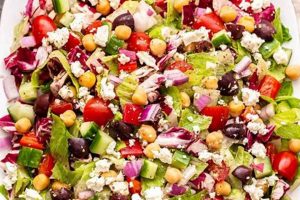
High-quality quinoa salad recipes typically combine cooked quinoa with a variety of fresh ingredients, including vegetables, herbs, and often a protein source such as chickpeas, beans, or grilled chicken. A well-balanced dressing enhances the flavors and textures, creating a nutritious and satisfying meal. For instance, a Mediterranean-inspired version might include cucumber, tomatoes, Kalamata olives, feta cheese, and a lemon-herb vinaigrette.
Nutrient-rich and versatile, these culinary creations offer numerous advantages. Quinoa, a complete protein and excellent source of fiber, contributes to satiety and digestive health. Incorporating fresh produce increases vitamin and mineral intake, while lean protein sources support muscle maintenance and growth. The adaptability of quinoa allows for diverse flavor profiles and ingredient combinations, catering to various dietary preferences and needs, from vegan and gluten-free to specific cultural cuisines. Historically, quinoa has been a staple food in the Andes region for centuries, prized for its nutritional value. Its recent rise in global popularity has spurred culinary innovation, resulting in an abundance of creative and flavorful salad preparations.
This exploration will delve into various aspects of crafting exceptional quinoa salads, including selecting the right ingredients, mastering cooking techniques, developing complementary dressings, and exploring diverse flavor combinations.
Tips for Exceptional Quinoa Salads
Achieving optimal flavor and texture in quinoa salads requires attention to detail throughout the preparation process. These tips offer guidance for creating dishes that are both nutritious and delicious.
Tip 1: Rinse the quinoa: Rinsing quinoa under cold water before cooking removes the naturally occurring bitter coating (saponins), resulting in a cleaner taste.
Tip 2: Toast the quinoa (optional): Toasting dry quinoa in a pan before cooking enhances its nutty flavor and adds a pleasant crunch to the salad.
Tip 3: Cook quinoa properly: Use a 2:1 ratio of water to quinoa. Bring to a boil, then reduce heat and simmer, covered, for 15-20 minutes, or until all the water is absorbed and the quinoa is cooked through but still has a slight bite.
Tip 4: Fluff and cool the quinoa: Once cooked, fluff the quinoa with a fork and spread it on a baking sheet to cool completely. This prevents the salad from becoming mushy.
Tip 5: Balance flavors and textures: Incorporate a variety of ingredients to achieve a balance of flavors and textures. Consider combining crunchy vegetables (cucumber, bell peppers), soft vegetables (roasted sweet potatoes, tomatoes), fresh herbs (parsley, mint), and a protein source (chickpeas, grilled chicken).
Tip 6: Dress the salad strategically: Add the dressing just before serving to prevent the salad from becoming soggy. Consider the intensity of the dressing and the ingredients in the salad when determining the amount to use.
Tip 7: Experiment with different dressings: Explore a variety of dressings, such as lemon-herb vinaigrettes, tahini-based dressings, or creamy avocado dressings, to complement the flavors of the salad.
Tip 8: Don’t overmix: Gently toss the ingredients together to avoid breaking down delicate components and maintain a pleasing texture.
By following these guidelines, one can create quinoa salads that are not only healthy and satisfying but also offer a delightful culinary experience.
These tips provide a foundation for exploring the versatility and nutritional benefits of quinoa salads, paving the way for culinary creativity and enjoyment.
1. Flavorful Variety

Flavorful variety is a cornerstone of exceptional quinoa salad recipes. It elevates the dish beyond basic sustenance, transforming it into a culinary experience. A diverse range of flavors engages the palate and offers a more satisfying and enjoyable meal. This exploration delves into the key components that contribute to flavorful variety in quinoa salads.
- Ingredient Combinations
Strategic ingredient combinations are essential for creating a complex and balanced flavor profile. Consider incorporating contrasting tastes, such as sweet and savory, or tangy and earthy. Examples include pairing roasted sweet potatoes with salty feta cheese, or combining tart cranberries with earthy mushrooms. The interplay of these flavors adds depth and intrigue to the overall composition of the salad.
- Herbs and Spices
Fresh herbs and spices play a crucial role in enhancing the flavor profile. They contribute aromatic complexity and brighten the overall taste. Examples include fresh mint, parsley, cilantro, or dill, as well as spices like cumin, coriander, or paprika. Selecting herbs and spices that complement the other ingredients is essential for achieving a harmonious blend of flavors.
- Variety of Textures
While not strictly flavor-related, textural variety enhances the sensory experience of the salad and influences how flavors are perceived. Including crunchy, chewy, and soft elements creates a dynamic and enjoyable mouthfeel. Examples include toasted nuts, dried fruits, roasted vegetables, and fresh greens. This interplay of textures adds another layer of complexity to the overall dish.
- Acidity and Brightness
Incorporating acidic elements, such as citrus juices or vinegars, adds brightness and balances the other flavors in the salad. This acidity cuts through richness and prevents the dish from feeling heavy. Examples include lemon juice, lime juice, red wine vinegar, or balsamic vinegar. A well-balanced level of acidity elevates the overall flavor profile and enhances the freshness of the ingredients.
These facets of flavorful variety work synergistically to create quinoa salads that are both nutritious and deeply satisfying. A thoughtfully crafted salad, with a balance of flavors, textures, and aromas, offers a more complete and enjoyable culinary experience.
2. Textural Balance

Textural balance is a defining characteristic of exceptional quinoa salads. A carefully considered variety of textures elevates the sensory experience, transforming a simple salad into a more dynamic and satisfying meal. This exploration delves into the key components that contribute to textural balance in quinoa salads.
- Crunchy Elements
Crunchy elements provide a satisfying contrast to the soft quinoa and other ingredients. These textural additions contribute a lively dimension to each bite. Examples include chopped nuts (almonds, walnuts, pecans), seeds (sunflower, pumpkin), raw vegetables (carrots, celery, bell peppers), or toasted croutons. These elements offer textural complexity and prevent the salad from feeling monotonous.
- Soft Components
Soft components complement the crunchier elements, creating a balanced and harmonious mouthfeel. These ingredients contribute a sense of richness and depth. Examples include cooked quinoa, roasted vegetables (sweet potatoes, butternut squash), avocado, or crumbled cheese. The interplay of soft and crunchy textures creates a dynamic and satisfying sensory experience.
- Chewy Additions
Chewy additions offer another layer of textural complexity. They introduce a pleasant resistance that complements the other elements. Examples include dried fruits (cranberries, raisins, apricots), cooked beans (chickpeas, black beans), or edamame. These additions create textural intrigue and enhance the overall enjoyment of the salad.
- Light and Airy Touches
Light and airy elements contribute a sense of freshness and lightness to the salad. These ingredients add a delicate contrast to the denser components. Examples include fresh herbs (parsley, mint, dill), leafy greens (spinach, arugula), or microgreens. These additions enhance the overall texture and create a more balanced and refreshing salad.
The interplay of these textural elements is fundamental to crafting a well-balanced and satisfying quinoa salad. A thoughtful combination of crunchy, soft, chewy, and light components creates a dynamic sensory experience that elevates the dish beyond basic sustenance. The “best” quinoa salad recipes prioritize textural balance as a key component of their overall appeal.
3. Fresh, High-Quality Ingredients

The foundation of exceptional quinoa salads rests upon the selection of fresh, high-quality ingredients. Ingredient quality directly impacts the overall flavor, nutritional value, and aesthetic appeal of the final dish. Subpar ingredients can result in a bland, uninspiring salad, while fresh, vibrant components elevate the dish to a culinary delight. This exploration delves into the crucial role of ingredient selection in crafting the best quinoa salad recipes.
- Seasonality
Prioritizing seasonal produce maximizes flavor and nutritional value. Fruits and vegetables at their peak ripeness offer the most vibrant tastes and optimal nutrient density. A winter salad might feature roasted root vegetables like butternut squash and beets, while a summer salad could showcase ripe tomatoes, cucumbers, and fresh herbs. Choosing ingredients in season ensures the freshest, most flavorful salads.
- Sourcing
The source of ingredients significantly influences quality. Locally sourced produce, when available, often boasts superior flavor and freshness due to reduced transportation time and optimal growing conditions. Farmers’ markets provide opportunities to connect with local growers and select high-quality ingredients. Supporting local agriculture contributes to community sustainability and often results in more flavorful salads.
- Ingredient Preparation
Proper ingredient preparation techniques are essential for maximizing flavor and texture. Washing produce thoroughly removes impurities, while careful chopping and slicing ensure even cooking and a pleasant mouthfeel. Techniques like roasting vegetables can enhance their natural sweetness and create desirable textural variations. Thoughtful preparation elevates the quality of the final salad.
- Storage
Proper storage of ingredients maintains their freshness and quality until ready for use. Storing produce in optimal conditionssuch as refrigerating leafy greens in airtight containershelps preserve their crispness and flavor. Understanding proper storage techniques prevents spoilage and ensures that each ingredient contributes its best qualities to the finished salad.
The pursuit of exceptional quinoa salads hinges on a commitment to fresh, high-quality ingredients. Seasonality, sourcing, preparation, and storage all play crucial roles in maximizing flavor, nutrition, and overall appeal. By prioritizing these aspects, one can elevate a simple quinoa salad to a truly exceptional culinary creation.
4. Complementary Dressings
Complementary dressings are essential for elevating quinoa salads from simple to exceptional. The right dressing enhances the inherent flavors of the quinoa and other ingredients, creating a cohesive and harmonious culinary experience. A poorly chosen dressing can mask or clash with these flavors, resulting in a less satisfying dish. The relationship between dressing and salad components is symbiotic; each element influences the overall taste and enjoyment.
Consider a quinoa salad featuring roasted sweet potatoes, black beans, and corn. A smoky chipotle-lime vinaigrette complements the sweetness of the potatoes and the earthiness of the beans, while a creamy cilantro-lime dressing might overwhelm the delicate flavors of the vegetables. Similarly, a light lemon-herb vinaigrette enhances a Mediterranean-style quinoa salad with cucumbers, tomatoes, and feta, while a heavy, creamy dressing would clash with the fresh, bright flavors. Understanding these flavor dynamics is crucial for crafting truly exceptional quinoa salads. The interplay of textures within the salad also influences dressing selection. A vinaigrette with a light, acidic base complements a salad with crunchy vegetables and toasted nuts, allowing their textures to shine. A creamy dressing, on the other hand, might weigh down a salad with delicate greens and soft vegetables. Practical application of this understanding allows for informed decision-making in recipe development, leading to more balanced and enjoyable culinary outcomes.
Effective dressing selection hinges on a thorough understanding of flavor profiles and textural interplay. It requires consideration of the individual ingredients within the salad and how their flavors interact with the components of the dressing. Challenges may arise when balancing contrasting flavors or accommodating dietary restrictions. However, careful consideration of these factors ultimately leads to the creation of quinoa salads that are not only delicious but also exemplify culinary expertise and creativity. The integration of a complementary dressing solidifies the transition of a quinoa salad from a basic meal to a sophisticated and satisfying culinary creation.
5. Proper Quinoa Preparation

Proper quinoa preparation is paramount to achieving “best quinoa salad recipes” status. The final texture and flavor of the quinoa itself significantly influence the overall quality of the salad. Undercooked quinoa results in a hard, unpleasant texture, while overcooked quinoa becomes mushy and loses its distinct character. Either scenario compromises the integrity of the final dish, detracting from the desired culinary experience. Consider a Mediterranean quinoa salad with cucumbers, tomatoes, feta cheese, and a lemon-herb vinaigrette. If the quinoa is improperly cooked, its textural flaws will clash with the crisp vegetables and creamy feta, undermining the balance of the salad. Conversely, perfectly cooked quinoa, light and fluffy yet with a slight bite, harmonizes with the other ingredients, creating a symphony of textures and flavors. This cause-and-effect relationship underscores the importance of proper quinoa preparation as a fundamental component of top-tier quinoa salad recipes.
The practical significance of mastering quinoa preparation extends beyond texture. Rinsing the quinoa before cooking removes saponins, bitter compounds that can negatively impact flavor. The cooking method itself also influences taste. Simmering quinoa in water or broth infuses it with subtle flavors that complement the other salad components. For instance, cooking quinoa in vegetable broth enhances its savory notes, providing a deeper flavor base for a salad with roasted vegetables and herbs. Furthermore, the cooling process affects the final outcome. Spreading cooked quinoa on a baking sheet to cool prevents it from steaming and becoming sticky, preserving its individual grains and contributing to a more desirable texture in the finished salad. These nuanced aspects of quinoa preparation demonstrate its profound impact on the overall quality and enjoyment of the final dish.
Mastering quinoa preparation is not merely a technical skill; it is an essential element of culinary artistry in the realm of quinoa salads. It lays the groundwork for a successful dish, ensuring the quinoa contributes positively to the overall flavor, texture, and enjoyment. While challenges may arise in achieving the perfect texture and flavor, the payoff is a quinoa salad that truly exemplifies culinary excellence. This understanding underscores the integral connection between proper quinoa preparation and the creation of exceptional and truly “best” quinoa salad recipes.
6. Nutrient Density

Nutrient density distinguishes exceptional quinoa salad recipes from less nutritious counterparts. A focus on nutrient-rich ingredients elevates these salads beyond simple meals, transforming them into dietary powerhouses that contribute significantly to overall health and well-being. This emphasis on nutrient density is not merely a trend; it represents a fundamental shift towards a more health-conscious approach to culinary practices. A nutrient-dense quinoa salad, rich in vitamins, minerals, fiber, and protein, offers sustained energy, supports immune function, and contributes to long-term health. In contrast, a salad lacking nutrient diversity may provide fewer health benefits, even if it satisfies immediate hunger. This distinction highlights the crucial link between nutrient density and the creation of truly “best” quinoa salad recipes.
The practical implications of prioritizing nutrient density are substantial. Consider a quinoa salad incorporating kale, roasted sweet potatoes, chickpeas, and a tahini dressing. This combination provides a wealth of nutrients: vitamin A from the sweet potatoes, vitamin K from the kale, iron and fiber from the chickpeas, and healthy fats from the tahini. Such a salad contributes significantly to daily nutrient requirements, promoting optimal health. Conversely, a quinoa salad with iceberg lettuce, croutons, and a creamy dressing, while potentially palatable, offers significantly lower nutritional value. This comparison underscores the importance of ingredient selection in maximizing nutrient density. Furthermore, nutrient density influences how the body processes and utilizes the energy from the salad. A nutrient-rich salad provides sustained energy release, preventing blood sugar spikes and promoting satiety. This aspect is crucial for managing weight and maintaining stable energy levels throughout the day.
Nutrient density represents a critical factor in defining “best quinoa salad recipes.” It elevates these culinary creations beyond mere sustenance, transforming them into vehicles for promoting health and well-being. While challenges may arise in balancing nutrient density with flavor and palatability, the potential benefits are undeniable. Prioritizing nutrient-rich ingredients ensures these salads contribute meaningfully to a healthy diet and lifestyle, aligning culinary enjoyment with nutritional optimization. This understanding solidifies the connection between nutrient density and the pursuit of culinary excellence in the realm of quinoa salads.
Frequently Asked Questions
This section addresses common inquiries regarding the creation of optimal quinoa salads, offering practical guidance and clarifying potential points of confusion.
Question 1: How can one prevent quinoa salad from becoming mushy?
Rinsing the quinoa thoroughly before cooking and using the correct water-to-quinoa ratio (2:1) are crucial. Spreading the cooked quinoa on a baking sheet to cool prevents steaming and sticking, preserving its texture. Adding dressings just before serving further mitigates mushiness.
Question 2: What are effective strategies for enhancing the flavor of quinoa in salads?
Toasting dry quinoa in a pan before cooking deepens its nutty flavor. Cooking quinoa in vegetable broth instead of water infuses subtle savory notes. Incorporating complementary herbs, spices, and acidic elements further enhances the flavor profile.
Question 3: How can individuals adapt quinoa salad recipes to accommodate dietary restrictions?
Quinoa’s inherent gluten-free nature makes it suitable for gluten-free diets. Vegan adaptations are easily achieved by substituting plant-based proteins (beans, tofu) for animal-based proteins and ensuring dressings are dairy-free. Ingredient substitutions can accommodate various allergies and intolerances.
Question 4: What factors influence the shelf life of quinoa salad?
Proper storage is crucial for maximizing shelf life. Storing the salad in an airtight container in the refrigerator maintains freshness for up to 3-5 days. Dressings containing perishable ingredients like avocado or fresh herbs may shorten the salad’s lifespan.
Question 5: Beyond salads, how else can quinoa be incorporated into meals?
Quinoa’s versatility extends beyond salads. It can serve as a substitute for rice or couscous in various dishes, function as a base for breakfast bowls, or be incorporated into soups, stews, and veggie burgers. Its adaptability makes it a valuable ingredient in diverse culinary applications.
Question 6: How does the nutritional profile of quinoa compare to other grains?
Quinoa stands out as a complete protein, containing all nine essential amino acids. It also provides a good source of fiber, iron, and magnesium. Compared to other grains like rice or couscous, quinoa offers a more comprehensive nutritional package, contributing significantly to a balanced diet.
Understanding these key aspects of quinoa preparation and utilization optimizes culinary outcomes and supports informed dietary choices. Careful consideration of these factors elevates quinoa salads from basic meals to culinary creations that prioritize both flavor and nutritional value.
This concludes the FAQ section. The subsequent section will offer a selection of “best quinoa salad recipes” embodying the principles discussed throughout this exploration.
Best Quinoa Salad Recipes
Exploration of “best quinoa salad recipes” reveals a multifaceted culinary landscape where ingredient quality, textural balance, complementary dressings, and proper quinoa preparation converge. Nutrient density emerges as a defining characteristic, elevating these salads beyond mere meals to sources of sustained nourishment. From rinsing and toasting the quinoa to strategically balancing flavors and textures, each step contributes to the final culinary outcome. Understanding these interconnected elements empowers informed recipe development, transforming simple ingredients into exceptional dishes. Addressing frequently asked questions further clarifies practical considerations, ensuring consistent success in crafting high-quality quinoa salads.
The pursuit of “best quinoa salad recipes” represents a commitment to culinary excellence and nutritional optimization. This pursuit encourages ongoing exploration of flavor profiles, ingredient combinations, and culinary techniques, pushing the boundaries of creativity within the realm of healthy cuisine. The potential for innovation within this culinary domain remains vast, promising a future rich with diverse and delectable quinoa salad creations that nourish both body and palate.