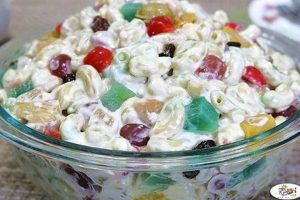
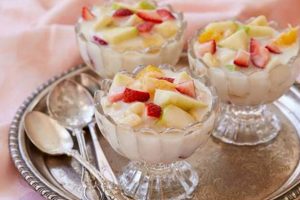
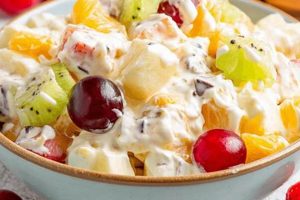
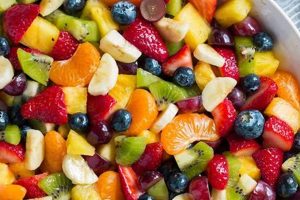
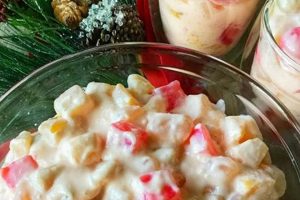
A culinary creation featuring a mixture of sliced fruits categorized as having a “stone” or pit such as peaches, plums, nectarines, cherries, apricots, and mangoes often combined with complementary ingredients like herbs, nuts, or a light dressing. Variations can include additions such as citrus zest, berries, or a drizzle of honey. A simple example combines diced peaches, plums, and nectarines with a squeeze of lime juice and a sprinkle of chopped mint.
Such dishes offer a refreshing and nutritious option, capitalizing on the seasonal availability of these fruits. The diverse flavors and textures within the fruit category create a complex and satisfying taste profile. Historically, fruit salads have been appreciated across cultures, evolving from simple preparations to more elaborate presentations. The inherent sweetness of the ingredients often negates the need for added sugars, aligning with contemporary health-conscious preferences. Furthermore, the vibrant colors and diverse shapes of the fruit make these salads visually appealing, enhancing their culinary desirability.
The following sections will delve into specific formulations, exploring optimal fruit combinations, preparation techniques, and suggested serving ideas. Further discussion will cover proper storage methods to maintain freshness and prevent enzymatic browning, ensuring a delightful culinary experience.
Tips for Crafting Exceptional Fruit Salads with Stone Fruit
Creating a superior fruit salad hinges on careful selection and preparation. The following tips offer guidance for achieving optimal results.
Tip 1: Select Ripe, but Firm Fruit: Peak ripeness offers the best flavor, but overripe fruit can become mushy. Choose fruit that yields slightly to gentle pressure but retains its shape.
Tip 2: Embrace Variety: Combining different types of stone fruit enhances both flavor and visual appeal. Consider the contrasting sweetness of peaches with the tartness of plums.
Tip 3: Prevent Browning: Stone fruit is susceptible to enzymatic browning upon exposure to air. A light coating of lemon or lime juice can help preserve color and freshness.
Tip 4: Enhance with Herbs and Spices: Fresh herbs like mint, basil, or tarragon can add complexity. A touch of cinnamon or ginger can provide warmth.
Tip 5: Consider Textural Contrast: Incorporating toasted nuts or seeds adds a satisfying crunch. A sprinkle of flaky sea salt can further enhance the flavor profile.
Tip 6: Dress Lightly: A simple vinaigrette or a drizzle of honey can complement the natural sweetness of the fruit. Avoid heavy dressings that mask the delicate flavors.
Tip 7: Chill Before Serving: Chilling allows the flavors to meld and enhances the refreshing quality of the salad.
By following these guidelines, one can elevate a simple fruit salad to a delightful culinary experience. Careful attention to detail ensures optimal flavor, texture, and presentation.
These insights provide a foundation for crafting exceptional fruit salads. The concluding section will offer additional resources and inspiration for further exploration.
1. Fresh, Ripe Stone Fruit

Fresh, ripe stone fruit forms the foundation of a successful stone fruit salad. The quality of the fruit directly impacts the overall flavor, texture, and visual appeal of the final dish. Using fruit at its peak ripeness ensures optimal sweetness and juiciness, while avoiding overripe fruit prevents mushiness and undesirable browning. This careful selection contributes significantly to the recipe’s outcome. For instance, a salad composed of perfectly ripe peaches will offer a burst of sweetness and a pleasant texture, whereas using underripe peaches would result in a tart and firm salad. Similarly, incorporating bruised or overripe plums would detract from both the flavor and visual appeal. The choice of fresh, ripe fruit establishes the baseline quality for the entire culinary creation.
The ripeness of stone fruit influences not only the taste but also the structural integrity of the salad. Overly ripe fruit tends to break down, releasing excess juices that can make the salad watery. Conversely, underripe fruit remains firm, potentially creating an uneven texture. Achieving the ideal balance of ripeness ensures that each fruit contributes its distinct flavor while maintaining a desirable firmness within the salad. Consider a salad with a mix of nectarines, apricots, and cherries. If the nectarines are too soft, they might overshadow the more delicate flavors of the apricots and cherries. Conversely, underripe cherries would introduce an unwelcome tartness and firmness. The careful selection of each fruit at its optimal ripeness is therefore essential for a well-balanced and enjoyable salad.
Selecting premium stone fruit is a critical first step in creating a successful dish. The ripeness of each individual piece influences the overall flavor profile, textural harmony, and visual presentation of the salad. Understanding this relationship allows for informed decision-making during ingredient selection, ultimately contributing to a more satisfying culinary experience. The impact extends beyond mere taste; the freshness and ripeness directly correlate with the nutritional value derived from the fruit, maximizing the health benefits of consuming such a salad. Furthermore, by using peak-season produce, one supports sustainable agricultural practices and enjoys the freshest flavors nature offers.
2. Complementary Ingredients

Complementary ingredients play a crucial role in elevating stone fruit salad recipes beyond simple mixtures of fruit. These additions contribute layers of flavor, texture, and aroma, transforming a basic fruit salad into a more complex and nuanced culinary experience. Careful consideration of complementary ingredients allows for a balance of sweetness, acidity, and contrasting textures, resulting in a more sophisticated and satisfying dish. For instance, the sweetness of ripe peaches can be balanced with the tartness of fresh lime juice, while the soft texture of plums can be offset by the crunch of toasted almonds. The interplay of these elements creates a more dynamic and engaging sensory experience.
Specific examples of complementary ingredients often paired with stone fruit include fresh herbs such as mint, basil, and tarragon, which introduce herbaceous notes and a refreshing element. Citrus zest, like lemon or orange, adds brightness and acidity, cutting through the sweetness of the fruit. Toasted nuts and seeds, including almonds, pecans, and sunflower seeds, contribute a satisfying crunch and nutty flavor. Crumbled cheeses, such as feta or goat cheese, offer a creamy texture and tangy counterpoint. Even spices, like a pinch of cinnamon or cardamom, can enhance the warmth and complexity of the salad. These diverse ingredients offer a wide range of possibilities for customization and flavor exploration within the context of a stone fruit salad.
Understanding the role and impact of complementary ingredients allows for strategic choices that enhance the overall quality and enjoyment of a stone fruit salad. The careful selection of these additions can transform a simple dish into a memorable culinary creation. Challenges might include balancing flavors and textures without overpowering the delicate nature of the stone fruit. However, thoughtful consideration of these elements allows for a harmonious blend of flavors, textures, and aromas, ultimately contributing to a more satisfying and well-rounded culinary experience. This understanding empowers one to create unique and flavorful stone fruit salads tailored to individual preferences and culinary goals.
3. Balanced Sweetness
Balanced sweetness is a critical factor in a successful stone fruit salad recipe. It determines the overall palatability and enjoyment of the dish. While stone fruits offer inherent sweetness, achieving a harmonious flavor profile requires careful consideration of the sugar content and its interplay with other taste elements. This balance prevents the salad from being overly sweet or cloying, allowing the nuanced flavors of the individual fruits to shine.
- Natural Sugar Content of Fruit
Different stone fruits possess varying degrees of sweetness. Peaches and nectarines tend to be sweeter than plums or apricots. Understanding these variations allows for a balanced selection, ensuring that no single fruit dominates the overall flavor profile. A mixture of high and low sugar content fruits creates complexity and prevents an overly sugary taste. For example, incorporating tart plums alongside sweet peaches provides a more balanced sweetness.
- Acidity as a Balancing Agent
Acidity plays a crucial role in balancing sweetness. Incorporating acidic elements, such as citrus juice or vinegar, counteracts the sweetness of the fruit, creating a more refreshing and complex flavor profile. A squeeze of lime juice or a splash of balsamic vinegar can brighten the flavors and prevent the salad from becoming overly sweet. This interplay of sweet and sour elevates the taste experience beyond simple sugary notes.
- Role of Complementary Ingredients
Complementary ingredients, such as herbs and spices, contribute to the overall balance of sweetness. Mint, basil, or ginger can add a refreshing contrast to the sweetness of the fruit, preventing it from becoming overwhelming. These additions introduce complexity and depth, enhancing the overall flavor profile. For example, a sprinkle of fresh mint can balance the sweetness of a ripe peach, creating a more refreshing and nuanced flavor.
- Impact on Overall Palatability
The balance of sweetness directly influences the palatability of the salad. An overly sweet salad can be cloying and unappealing, while a salad lacking sweetness can be bland and unsatisfying. Achieving the right balance ensures a pleasant and enjoyable eating experience. This balance encourages consumption of the nutrient-rich fruit, promoting healthier dietary choices.
A well-balanced sweetness is essential for a truly enjoyable stone fruit salad. By considering the natural sugars in the fruit, incorporating acidic elements, and utilizing complementary ingredients, one can create a harmonious and flavorful dish that showcases the unique characteristics of each component. This thoughtful approach elevates the salad from a simple combination of ingredients to a carefully crafted culinary experience, highlighting the nuances of flavor and texture.
4. Proper Preparation

Proper preparation is essential for maximizing the quality, flavor, and visual appeal of a stone fruit salad recipe. It encompasses several key techniques that ensure the ingredients are handled correctly to preserve their freshness, texture, and overall contribution to the final dish. These techniques influence not only the taste but also the presentation and shelf life of the salad.
- Knife Skills and Cutting Techniques
Precise knife skills are crucial for achieving uniform cuts and maximizing the surface area of the fruit, allowing for even distribution of flavors and a visually appealing presentation. Consistent slicing ensures that the fruit pieces cook or macerate evenly, contributing to a harmonious texture and preventing some pieces from becoming overly soft while others remain firm. Different cutting techniques, such as dicing, slicing, or wedging, can be employed based on the specific recipe and desired aesthetic. For example, thin slices of peach might be preferred for a delicate salad, while larger chunks might be more suitable for a rustic presentation.
- Washing and Handling the Fruit
Gentle washing and careful handling prevent bruising and maintain the structural integrity of the fruit. Stone fruits, like peaches and plums, have delicate skins prone to damage. Rinsing under cool water and patting dry with a soft cloth preserves their freshness and prevents the introduction of bacteria. Proper handling minimizes the risk of bruising, which can lead to premature spoilage and an unappetizing appearance. This careful approach ensures that the fruit remains pristine and contributes to the overall quality of the salad.
- Timing of Preparation
The timing of preparation plays a significant role in preventing enzymatic browning and maintaining the vibrant colors of the fruit. Stone fruit is susceptible to oxidation upon exposure to air, leading to discoloration. Preparing the fruit as close to serving time as possible minimizes this effect, preserving its visual appeal. Alternatively, coating the fruit with a light layer of citrus juice can help inhibit browning. Understanding the optimal timing for each preparation step ensures the salad remains fresh and visually appealing.
- Storage Techniques to Maintain Freshness
Proper storage techniques are essential for preserving the freshness and quality of prepared stone fruit. Refrigeration in airtight containers helps maintain optimal temperature and humidity, preventing spoilage and preserving flavor. Proper storage also inhibits bacterial growth, ensuring food safety. Understanding these storage techniques allows for advanced preparation without compromising the quality of the final dish. For example, storing sliced fruit in an airtight container with a paper towel can absorb excess moisture and help maintain its texture.
These elements of proper preparation contribute significantly to the overall success of a stone fruit salad recipe. From precise cutting techniques to careful handling and storage, each step plays a crucial role in maximizing the flavor, texture, and visual appeal of the final dish. Mastering these techniques elevates the salad from a simple combination of ingredients to a carefully crafted culinary creation, reflecting attention to detail and an understanding of the nuances of working with fresh produce. By prioritizing proper preparation, one ensures a delightful and satisfying culinary experience.
5. Attractive Presentation

Attractive presentation elevates a stone fruit salad recipe from a simple dish to a visually appealing culinary creation. Visual appeal significantly influences perceived flavor and enjoyment. A thoughtfully presented salad entices the appetite and enhances the dining experience. The arrangement, color palette, and accompanying elements contribute to this effect. Consider a salad where sliced peaches, plums, and nectarines are artfully arranged on a platter, garnished with fresh mint sprigs and a sprinkle of toasted almonds. This presentation immediately elevates the perceived value and desirability of the dish compared to simply tossing the ingredients together in a bowl.
Several factors contribute to an attractive presentation. The choice of serving vessel plays a significant role. A rustic wooden bowl might suit a casual gathering, while a sleek glass platter enhances a more formal setting. The arrangement of fruit pieces contributes to visual interest. Alternating colors and textures creates a dynamic composition. Consider the contrast between the vibrant red of cherries, the deep purple of plums, and the sunny yellow of apricots. Garnishes, such as fresh herbs, edible flowers, or a dusting of powdered sugar, add finishing touches that enhance the visual appeal. These elements create a multi-sensory experience, appealing to both sight and taste, enriching the overall dining experience. A simple sprig of mint or a scattering of pomegranate seeds can transform a basic salad into a visually captivating masterpiece.
Understanding the impact of presentation allows for strategic choices that maximize the appeal of a stone fruit salad. While taste remains paramount, visual appeal significantly influences perception and enjoyment. A well-presented salad communicates care and attention to detail, enhancing the perceived value of the dish. This understanding allows one to transform simple ingredients into a visually stunning and appetizing culinary creation, demonstrating the power of presentation in elevating the dining experience. Challenges might include maintaining the visual appeal while ensuring practicality and ease of serving. However, thoughtful consideration of these elements ensures that the presentation enhances, rather than detracts from, the overall enjoyment of the salad.
6. Seasonal Variations
Seasonal variations significantly influence stone fruit salad recipes, impacting both ingredient availability and flavor profiles. Aligning recipes with seasonal produce ensures optimal ripeness, peak flavor, and nutritional value. This connection between seasonality and recipe development allows for a dynamic approach, maximizing the culinary potential of each specific fruit as it reaches its peak.
- Peak Season Availability
Stone fruits have distinct growing seasons, influencing their availability and quality at different times of the year. Cherries typically peak in early summer, followed by apricots, peaches, nectarines, and plums throughout the summer months. Understanding these seasonal patterns allows for recipe adaptation based on what is freshest and most flavorful at a given time. A summer salad might feature ripe peaches and nectarines, while an early autumn version could incorporate plums and late-season raspberries.
- Flavor Profile Variations
Flavor profiles within the stone fruit family vary based on ripeness and seasonal factors. Early-season apricots offer a tangy flavor compared to the sweeter taste of fully ripe summer apricots. Similarly, early-season plums can be tart, while late-season varieties develop a richer sweetness. These variations provide opportunities for diverse flavor combinations within a salad context. A spring salad might highlight the tartness of early plums with a honey-lime dressing, while a summer salad showcases the sweetness of ripe peaches with a hint of basil.
- Nutritional Value Optimization
Consuming fruits during their peak season often correlates with higher nutritional value. Fruits allowed to ripen fully on the tree or vine tend to develop a greater concentration of vitamins, minerals, and antioxidants. Incorporating seasonal stone fruits into salads maximizes these nutritional benefits, contributing to a healthier diet. For instance, a salad featuring in-season peaches provides a richer source of Vitamin C than a salad using peaches harvested out of season and ripened artificially.
- Recipe Adaptability and Creativity
Seasonal variations encourage creativity and adaptability in stone fruit salad recipes. Exploring different combinations of seasonal fruits, herbs, and spices allows for a wider range of flavor profiles and culinary experiences. Early summer salads might feature cherries and apricots with a mint vinaigrette, while late summer creations showcase peaches and plums with a balsamic glaze. This adaptability ensures ongoing culinary interest and enjoyment throughout the stone fruit season.
By understanding and embracing seasonal variations, one can create stone fruit salads that showcase the best of each fruit at its peak. This approach maximizes flavor, nutritional value, and culinary creativity, resulting in a more satisfying and dynamic culinary experience. The cyclical nature of seasons provides continuous inspiration for new and exciting flavor combinations, celebrating the diversity and abundance of nature’s offerings. This connection between seasonality and recipe development fosters a deeper appreciation for the unique characteristics of each fruit and their contribution to a well-balanced and flavorful salad.
Frequently Asked Questions
This section addresses common inquiries regarding the preparation and enjoyment of stone fruit salads.
Question 1: How can enzymatic browning be prevented in stone fruit salads?
Enzymatic browning, a chemical reaction causing discoloration, can be minimized by coating cut fruit with an acidic agent like lemon or lime juice. This inhibits oxidation and preserves the fruit’s vibrant appearance.
Question 2: What are ideal pairings for stone fruit in salads?
Stone fruits pair well with various ingredients, including fresh herbs (mint, basil), cheeses (feta, goat), nuts (almonds, pecans), and citrus zest. The chosen pairings should complement the natural sweetness and textures of the fruit.
Question 3: How long can a stone fruit salad be stored?
Properly stored in an airtight container in the refrigerator, a stone fruit salad can typically maintain optimal quality for up to two days. However, consuming the salad within 24 hours is generally recommended for the freshest flavor and texture.
Question 4: Can frozen stone fruit be used in salads?
While fresh fruit is preferred, frozen stone fruit can be utilized. Thawing the fruit completely and draining excess liquid before incorporating it into the salad is essential to prevent a watery consistency.
Question 5: What dressings complement stone fruit salads best?
Light vinaigrettes, honey-based dressings, or a simple drizzle of balsamic glaze often complement the natural sweetness of stone fruit. Heavy or creamy dressings can mask the delicate flavors.
Question 6: How can one ensure a balance of flavors in a stone fruit salad?
A balance of flavors can be achieved by incorporating a variety of stone fruits with differing sweetness levels, using acidic elements to counterbalance sweetness, and thoughtfully selecting complementary ingredients that enhance, rather than overpower, the fruit’s natural flavors.
Understanding these aspects contributes to a more informed approach to creating and enjoying stone fruit salads.
The following section offers a collection of curated recipes, providing practical examples and further inspiration.
Stone Fruit Salad Recipe
Exploration of formulations incorporating stone fruit reveals the multifaceted nature of this culinary creation. Emphasis on ingredient selection, preparation techniques, and complementary components underscores the potential for diverse flavor profiles and presentations. Balancing sweetness, acidity, and textural contrasts emerges as a critical factor in achieving a harmonious and palatable result. Proper handling and storage techniques maintain freshness and prevent enzymatic browning, preserving the visual appeal and nutritional value of the ingredients.
Culinary innovation within the realm of stone fruit salads offers a continuous opportunity for exploration and refinement. Adaptability to seasonal variations and individual preferences ensures ongoing enjoyment and appreciation of these versatile fruits. Further investigation into flavor combinations, cultural adaptations, and nutritional benefits promises to enrich the culinary landscape and promote healthier dietary choices. The enduring appeal of stone fruit salads lies in their capacity to showcase the natural flavors of these seasonal gems, offering a refreshing and satisfying culinary experience.