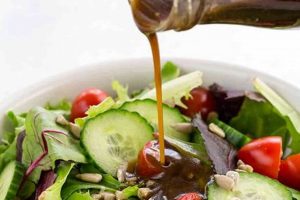
A superior condiment for salads elevates fresh produce from simple ingredients to a flavorful, satisfying meal. A well-balanced combination of oil, acid, and seasonings can complement diverse greens and vegetables, enhancing their natural flavors while adding a distinct character. For instance, a light vinaigrette brightens delicate greens, while a creamy dressing adds richness to heartier vegetables.
The pursuit of an exceptional salad enhancement reflects a broader culinary appreciation for fresh, healthy meals. Historically, dressings have evolved from simple mixtures of oil and vinegar to complex emulsions incorporating herbs, spices, and other flavoring agents. This evolution reflects changing palates and an increasing awareness of the role food plays in health and well-being. A thoughtfully crafted dressing can encourage greater consumption of vegetables, contributing to a more balanced diet.
This exploration will delve into the art of crafting exquisite dressings, examining various types, techniques, and ingredient combinations that contribute to a memorable culinary experience.
Tips for Exceptional Salad Dressings
Creating a remarkable salad dressing involves understanding fundamental principles and employing effective techniques. These guidelines offer valuable insights into achieving flavorful and well-balanced results.
Tip 1: Emulsification is Key: A stable emulsion prevents separation of oil and acid, creating a smooth, cohesive texture. Whisking vigorously or using a blender helps achieve a proper emulsion.
Tip 2: Balance Flavors: The ideal dressing balances acidity, sweetness, saltiness, and richness. Taste and adjust seasonings throughout the process, aiming for harmony.
Tip 3: Fresh Ingredients Matter: High-quality oils, vinegars, and fresh herbs contribute significantly to the overall flavor profile. Opt for extra virgin olive oil and flavorful vinegars like balsamic or apple cider.
Tip 4: Seasonality Enhances Flavor: Consider seasonal ingredients when crafting dressings. Summer tomatoes might inspire a basil vinaigrette, while fall apples could suggest a maple- Dijon dressing.
Tip 5: Proper Storage Extends Shelf Life: Store dressings in airtight containers in the refrigerator to maintain freshness and prevent spoilage. Most dressings can be stored for up to a week.
Tip 6: Experiment with Flavor Combinations: Don’t be afraid to experiment with different herbs, spices, and other flavoring agents. Roasted garlic, citrus zest, or a touch of honey can add complexity and depth.
Tip 7: Consider the Salad Ingredients: Match the intensity of the dressing to the salad components. Delicate greens benefit from lighter dressings, while robust vegetables can handle bolder flavors.
By understanding these principles, one can elevate simple salads to extraordinary culinary experiences. These tips provide a foundation for crafting dressings that enhance the flavors of fresh ingredients and create a symphony of tastes.
This exploration of techniques and flavor combinations provides a foundation for crafting exquisite salad dressings. The following section will delve into specific recipes for inspiration and practical application.
1. Flavor Balance

Flavor balance stands as a cornerstone of any exceptional salad dressing. It represents the harmonious interplay of key taste components: acidity, sweetness, saltiness, and richness. A dressing lacking balance might be overly tart, excessively sweet, or bland. Achieving this balance requires a nuanced understanding of how different ingredients interact and contribute to the overall sensory experience. A classic vinaigrette, for instance, relies on the balance between the sharp acidity of vinegar and the smooth richness of olive oil. A touch of sweetness, perhaps from honey or maple syrup, can further enhance the complexity and round out the flavor profile. Disrupting this balance, such as using too much vinegar, can lead to a harsh, unappetizing result.
The practical significance of flavor balance becomes evident when considering the impact on the entire salad. A well-balanced dressing enhances the natural flavors of the ingredients, rather than overpowering them. It acts as a unifying element, bringing together diverse textures and tastes into a cohesive whole. For example, a vibrant citrus vinaigrette can brighten a salad of bitter greens and creamy goat cheese, the balance of tartness and richness creating a symphony of flavors. Conversely, an unbalanced dressing can detract from the salad, masking the delicate flavors of fresh produce.
Mastering flavor balance in salad dressings involves both precise measurements and careful tasting. Recipes provide a starting point, but individual palates and ingredient variations often necessitate adjustments. The goal is to create a dressing that complements the other salad components, elevating the overall dining experience. Challenges may arise when working with particularly pungent ingredients, requiring careful moderation and counterbalancing flavors. Ultimately, achieving flavor balance transforms a simple salad into a culinary delight, showcasing the transformative power of a well-crafted dressing.
2. Quality Ingredients

The pursuit of a superlative salad dressing hinges significantly on the selection of high-quality ingredients. Substandard components compromise flavor, texture, and overall enjoyment. Understanding the role of individual ingredients allows for informed choices that elevate the final product from satisfactory to exceptional.
- Oils:
The foundation of most dressings, oil contributes flavor, texture, and mouthfeel. Extra virgin olive oil, known for its robust flavor and health benefits, offers a complex profile. Other oils, such as avocado or grapeseed, provide neutral bases allowing other ingredients to shine. Selecting rancid or low-quality oil negatively impacts the overall flavor, rendering the dressing unpleasant.
- Vinegars:
Vinegar provides the essential acidic component, balancing richness and adding brightness. Variety abounds, from the mellow sweetness of apple cider vinegar to the complex tang of balsamic. Freshly squeezed citrus juices can also serve as the acid component, offering vibrant flavors. Using distilled white vinegar, while economical, often results in a harsh, one-dimensional flavor profile.
- Herbs and Spices:
Fresh herbs and spices contribute depth and complexity. Freshly chopped herbs offer vibrant flavors and aromas, while dried spices provide concentrated intensity. From the classic pairing of basil and oregano to the warm notes of cumin and coriander, the possibilities are vast. Using dried herbs that have lost their potency or stale spices diminishes the overall impact of the dressing.
- Emulsifiers:
Emulsifiers bind oil and vinegar, creating a stable, creamy texture. Common emulsifiers include Dijon mustard, egg yolks, and honey. These ingredients prevent separation and contribute to the overall mouthfeel. Opting for low-quality or improperly stored emulsifiers can compromise the stability and texture of the dressing.
The interplay of these high-quality ingredients elevates a salad dressing from mediocre to exceptional. Careful selection and proper storage ensure optimal flavor and contribute to a truly satisfying culinary experience. Investing in superior ingredients yields a significantly more rewarding result, showcasing the integral role of quality in crafting a “best” salad dressing recipe.
3. Proper Emulsification

Proper emulsification represents a critical factor in achieving a desirable texture and flavor stability in salad dressings. It directly impacts the sensory experience, influencing how the dressing coats the salad ingredients and how flavors are perceived. A well-emulsified dressing exhibits a smooth, creamy consistency, while a poorly emulsified one separates into oily and watery layers, leading to an uneven distribution of flavor and a less appealing mouthfeel.
- Stability:
Emulsification creates a stable mixture of oil and water-based ingredients, preventing separation. This stability ensures a consistent texture throughout the dressing and prevents the salad from being coated in primarily oil or vinegar. A vinaigrette that separates shortly after mixing exemplifies the lack of stability, highlighting the importance of proper emulsification. In a “best” salad dressing recipe, stability ensures the dressing remains cohesive and visually appealing.
- Texture:
Emulsification contributes to a smooth, creamy texture, enhancing the overall sensory experience. The finely dispersed droplets of oil within the vinegar create a velvety mouthfeel, distinct from the slickness of pure oil or the sharpness of pure vinegar. A creamy Caesar dressing exemplifies this desirable texture, contrasting with a simple oil and vinegar mixture. This creamy texture contributes to the luxuriousness of a high-quality salad dressing.
- Flavor Distribution:
Proper emulsification ensures even distribution of flavors throughout the dressing. By suspending flavor compounds within the emulsion, each bite of salad experiences a consistent blend of tastes. An unevenly emulsified dressing can lead to pockets of intense acidity or excessive oiliness, disrupting the intended flavor profile. A well-emulsified balsamic vinaigrette, for example, evenly distributes the sweetness and tang throughout the dressing. This even distribution is paramount for achieving a balanced and harmonious flavor profile in a “best” salad dressing recipe.
- Visual Appeal:
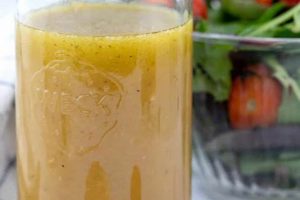
A properly emulsified dressing enhances the visual appeal of a salad. The creamy, opaque appearance contrasts with the separate layers of oil and vinegar in a poorly emulsified dressing. This visual appeal contributes to the overall presentation and enhances the dining experience. A vibrant, emulsified dressing clinging evenly to fresh greens presents a more appetizing image than a separated, oily dressing. This visual appeal contributes to the overall impression of quality and care in a “best” salad dressing recipe.
These facets of emulsification collectively contribute to the creation of a superior salad dressing. Achieving a stable, flavorful, and visually appealing emulsion elevates the sensory experience and distinguishes a truly exceptional dressing. A “best” salad dressing recipe relies heavily on proper emulsification to ensure a cohesive and delightful culinary experience.
4. Seasonality
Seasonality plays a crucial role in crafting exceptional salad dressings. Utilizing peak-season produce significantly elevates flavor profiles and allows for creative exploration of ingredient combinations. The availability of ripe, flavorful fruits and vegetables directly influences the potential complexity and vibrancy of a dressing. A “best” salad dressing recipe often hinges on this principle, incorporating ingredients at their optimal ripeness and flavor intensity. For example, a summer salad featuring ripe tomatoes and cucumbers benefits from a light basil vinaigrette, capturing the essence of the season. Conversely, a winter salad with roasted root vegetables might be enhanced by a maple-Dijon dressing, reflecting the flavors of the colder months. This connection between seasonal produce and complementary dressings highlights the importance of considering the time of year when crafting a truly exceptional culinary experience. The natural sweetness of a perfectly ripe peach incorporated into a summer vinaigrette surpasses the flavor achieved using out-of-season fruit.
The practical significance of this understanding extends beyond simply enhancing flavor. Incorporating seasonal ingredients supports local agriculture and reduces the environmental impact associated with transporting produce long distances. Furthermore, seasonal eating often aligns with greater nutritional value, as fruits and vegetables consumed at their peak ripeness generally offer higher concentrations of vitamins and antioxidants. From a culinary perspective, seasonality offers a dynamic element, encouraging creativity and exploration of new flavor combinations. A spring salad might feature a lemon-herb vinaigrette with tender asparagus, while a fall salad could showcase a cranberry-walnut vinaigrette with roasted butternut squash. These examples illustrate the versatility and adaptability offered by embracing seasonal ingredients in salad dressings.
In conclusion, seasonality represents a key factor in achieving a “best” salad dressing recipe. It offers a pathway to maximizing flavor, supporting sustainable practices, and enhancing nutritional value. Challenges may include limited availability of certain ingredients outside their respective seasons, requiring flexibility and adaptation. However, by embracing the concept of seasonality, one unlocks the potential to create truly exceptional and memorable salad dressings that reflect the best of what each season offers. This awareness elevates the salad from a simple dish to a celebration of nature’s bounty and culinary artistry.
5. Versatility
Versatility stands as a hallmark of a truly exceptional salad dressing. A “best” recipe considers adaptability, ensuring compatibility with a wide range of ingredients and culinary contexts. This characteristic expands the dressing’s utility beyond a single salad, increasing its value in various culinary applications. A versatile dressing seamlessly transitions from delicate greens to robust vegetables, grilled proteins, or even grain bowls. This adaptability stems from a balanced flavor profile, avoiding overly specific or dominant tastes that might clash with certain ingredients. For instance, a lemon-herb vinaigrette complements delicate spring greens as effectively as it enhances grilled chicken or roasted vegetables. This broad applicability distinguishes a versatile dressing from one tailored to a specific dish.
The practical significance of versatility becomes evident when considering meal preparation and overall culinary efficiency. A single, well-crafted dressing eliminates the need for multiple specialized recipes, streamlining the cooking process. This adaptability also reduces food waste, as the dressing can be used across various meals throughout the week. Furthermore, versatility encourages culinary creativity, allowing for spontaneous ingredient combinations and experimentation. A simple balsamic vinaigrette, for example, can be readily adapted with the addition of fresh herbs, spices, or a touch of sweetness to complement different salads or dishes. This adaptability empowers cooks to explore new flavor profiles and personalize their culinary creations.
In conclusion, versatility represents a critical attribute of a “best” salad dressing recipe. It signifies adaptability, efficiency, and the potential for culinary exploration. Challenges might arise in balancing complexity with broad appeal, requiring careful consideration of flavor profiles. However, by prioritizing versatility, one creates a dressing that transcends individual dishes, becoming a valuable asset in any kitchen. This adaptability ultimately contributes to a more enjoyable and efficient culinary experience, demonstrating the significant role versatility plays in defining a truly exceptional salad dressing.
Frequently Asked Questions
This section addresses common inquiries regarding the creation and utilization of exceptional salad dressings.
Question 1: How does one prevent salad dressing from separating?
Proper emulsification is key. Vigorous whisking or blending combines oil and acid, creating a stable emulsion. Adding an emulsifying agent, such as Dijon mustard or honey, further stabilizes the mixture.
Question 2: What factors contribute to a balanced flavor profile?
Balance involves a harmonious blend of acidity, sweetness, saltiness, and richness. Each element should complement the others, creating a unified flavor profile. Adjusting ingredients incrementally allows for precise flavor control.
Question 3: Can homemade dressings be stored, and if so, how?
Properly stored dressings maintain freshness and flavor. Store in airtight containers in the refrigerator for up to one week. Always check for signs of spoilage before consumption.
Question 4: How does one adapt dressings to complement different salad ingredients?
Consider the intensity of the salad components. Delicate greens benefit from lighter dressings, while heartier ingredients can handle bolder flavors. Adjusting herbs, spices, or the ratio of oil to acid tailors the dressing to specific ingredients.
Question 5: What are common mistakes to avoid when making salad dressings?
Overusing a single ingredient, neglecting proper emulsification, and using low-quality oils or vinegars represent common pitfalls. Careful attention to balance, technique, and ingredient selection prevents these errors.
Question 6: How can one elevate a basic vinaigrette to something more complex?
Incorporating fresh herbs, roasted garlic, infused oils, or a touch of honey or maple syrup enhances complexity. Experimentation with different flavor combinations expands culinary possibilities.
Understanding these fundamental principles enables the creation of exceptional salad dressings tailored to individual preferences and culinary endeavors.
The following section will explore specific salad dressing recipes, providing practical examples of these principles in action.
Crafting the Ideal Salad Dressing
This exploration has delved into the multifaceted nature of exceptional salad dressings. Key elements, including flavor balance, high-quality ingredients, proper emulsification, seasonality, and versatility, contribute significantly to the creation of a truly remarkable culinary experience. Attention to these factors elevates dressings from mere condiments to integral components of a well-composed salad, enhancing the flavors of fresh produce and contributing to a more satisfying meal.
Ultimately, the pursuit of the “best” salad dressing represents a journey of culinary discovery. Continual experimentation, informed by an understanding of fundamental principles and inspired by seasonal ingredients, unlocks the potential to create dressings that delight the palate and elevate everyday meals. This pursuit encourages a deeper appreciation for the transformative power of fresh ingredients and the artistry of culinary craftsmanship.