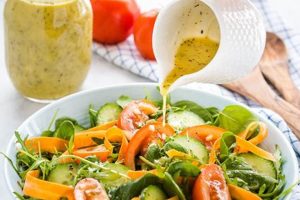
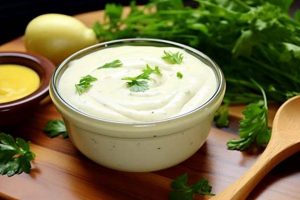
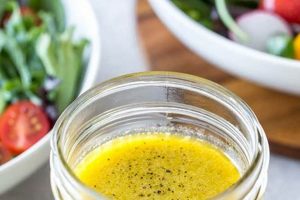
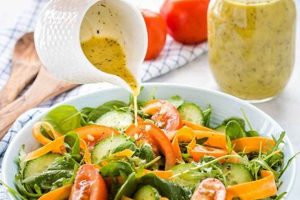
A flavorful emulsion typically coats potatoes in this classic dish. This crucial element often combines oil and vinegar, sometimes incorporating creamy components like mayonnaise, sour cream, or yogurt. Additions such as mustard, herbs, spices, and other flavoring agents contribute to the final character of the dish, differentiating a simple preparation from a truly memorable one. A classic example might include mayonnaise, yellow mustard, celery seed, and sweet pickle relish.
The right blend of ingredients elevates boiled potatoes into a cohesive and flavorful salad. It provides moisture, binds the ingredients together, and adds depth and complexity to what could otherwise be a bland dish. Historically, potato salad emerged as a popular dish in the 19th and 20th centuries, with regional variations reflecting available ingredients and culinary traditions. The development of commercially produced mayonnaise also contributed to its widespread adoption. A carefully crafted mixture complements the potatoes without overwhelming their earthy flavor, resulting in a satisfying culinary experience.
This article will explore various approaches to creating this essential component, from traditional recipes to innovative variations. It will also delve into the selection of ingredients, the techniques for emulsification and balancing flavors, and the impact of different components on the final product.
Tips for Creating the Perfect Potato Salad Dressing
Achieving a harmonious balance of flavors and textures in potato salad hinges on the quality of the dressing. These tips offer guidance for crafting a truly exceptional complement to the potatoes.
Tip 1: Emulsify Thoroughly: A stable emulsion prevents the dressing from separating and ensures a smooth, creamy texture. Whisk oil into vinegar or other acidic components slowly and steadily, or utilize a blender for optimal results.
Tip 2: Balance Acidity: The tanginess of vinegar or lemon juice provides brightness. Taste and adjust the acidity level to complement the other ingredients and prevent an overly sharp flavor.
Tip 3: Season Strategically: Salt and pepper are fundamental, but consider incorporating other seasonings like mustard powder, paprika, or garlic powder to enhance complexity.
Tip 4: Incorporate Fresh Herbs: Fresh dill, chives, parsley, or tarragon can elevate the flavor profile. Add them finely chopped towards the end of the preparation process to preserve their vibrancy.
Tip 5: Consider Textural Elements: Finely diced celery, red onion, or pickles contribute a satisfying crunch. Experiment with different textures to add interest to the overall dish.
Tip 6: Adjust Consistency: Depending on the desired consistency, adjust the ratio of oil to other ingredients. A thinner dressing coats the potatoes lightly, while a thicker dressing clings more readily.
Tip 7: Taste and Refine: Before combining the dressing with the potatoes, taste and adjust the seasoning, acidity, and sweetness as needed. This ensures a balanced and flavorful final product.
By following these guidelines, one can craft a dressing that not only complements the potatoes but also elevates the entire dish to a new level of culinary excellence. A well-executed dressing transforms simple boiled potatoes into a memorable and satisfying salad.
The following section will delve into specific recipe examples, demonstrating how these tips can be applied in practice to achieve a range of flavor profiles.
1. Flavor Balance
Flavor balance represents a critical aspect of a successful potato salad dressing. It requires a careful consideration of the interplay between sweet, sour, salty, and savory elements. A harmonious dressing avoids extremes, ensuring no single flavor dominates. For instance, the richness of mayonnaise can be balanced by the tang of vinegar or lemon juice, while the sweetness of relish finds its counterpart in the savory notes of mustard or onion. This equilibrium prevents the overall flavor profile from becoming one-dimensional, offering a more nuanced and enjoyable culinary experience. The foundational element, often mayonnaise or a vinaigrette, serves as a canvas upon which other flavors are layered. This base should possess a neutral enough flavor to allow the other components to shine while contributing its own subtle character.
Achieving this balance often involves a degree of experimentation. Recipes provide a starting point, but individual palates vary. Tasting and adjusting throughout the process allows for customization. One might find that a particular type of mustard requires a touch more sweetness, or a specific vinegar necessitates a reduction in overall acidity. Consider regional variations, such as the German preference for a vinegar-based dressing versus the American affinity for mayonnaise. These traditions offer valuable insights into the diverse approaches to achieving a balanced and flavorful result. The interplay of these elements creates a dynamic sensory experience, highlighting the complexity possible within a seemingly simple dish.
Understanding flavor balance empowers one to create dressings tailored to specific preferences. It allows for adaptation based on the potatoes themselves waxy potatoes might benefit from a brighter, more acidic dressing, while starchy potatoes may require a richer, creamier counterpart. Mastery of this principle elevates potato salad beyond a picnic staple to a culinary creation showcasing depth and nuance. The result is a dish that satisfies not only hunger but also a desire for a more sophisticated and balanced flavor profile. Ultimately, a well-balanced dressing transforms ordinary potatoes into a memorable culinary experience.
2. Texture

Texture plays a crucial role in the overall enjoyment of potato salad. The dressing contributes significantly to this aspect, influencing the final mouthfeel and sensory experience. A well-considered dressing complements the texture of the potatoes themselves, creating a harmonious and satisfying dish. Understanding the interplay of textures within the dressing and between the dressing and the potatoes allows for a more nuanced approach to recipe development and execution.
- Creaminess
Creaminess, often achieved through the incorporation of mayonnaise, sour cream, or yogurt, provides a smooth, luxurious mouthfeel. This contrasts with the more substantial texture of the potatoes, creating a pleasing interplay. The level of creaminess can be adjusted by altering the proportions of these ingredients. A higher ratio of mayonnaise results in a richer, more decadent texture, while a lighter touch allows the texture of the potatoes to remain more prominent. This element contributes significantly to the perceived richness and overall satisfaction derived from the dish.
- Viscosity
Viscosity, or thickness, affects how the dressing coats the potatoes. A thinner dressing lightly coats the potatoes, allowing their texture to shine through. A thicker dressing adheres more readily, providing a more substantial coating and a different textural experience. The viscosity can be adjusted by altering the ratio of oil to other liquid components or by incorporating thickening agents. This characteristic influences not only the mouthfeel but also the visual appeal of the salad.
- Inclusion of Textural Contrasts
Incorporating ingredients that provide textural contrast enhances the overall sensory experience. Finely diced celery, onions, or pickles introduce a crisp, crunchy element that complements the softer texture of the potatoes and the creaminess of the dressing. These additions create points of interest within each bite, preventing monotony and adding complexity. The choice of ingredients and their size influence the degree of textural contrast. Larger pieces provide a more pronounced crunch, while smaller pieces offer a more subtle textural variation.
- Emulsification Stability
A stable emulsion is essential for maintaining the desired texture throughout the lifespan of the potato salad. A properly emulsified dressing remains smooth and creamy, preventing separation of the oil and other liquid components. This stability ensures a consistent textural experience from the first bite to the last. Factors such as the type of emulsifier used (e.g., egg yolks, mustard) and the method of emulsification influence the stability of the dressing over time.
The interplay of these textural elements contributes significantly to the overall enjoyment of potato salad. By carefully considering and manipulating these factors, one can create a dish that is not only flavorful but also offers a satisfying and dynamic textural experience. The right balance of creaminess, viscosity, and textural contrasts elevates the dish, making it more than just a sum of its parts.
3. Ingredient Quality

Ingredient quality significantly impacts the final character of a potato salad dressing. Superior ingredients contribute not only to enhanced flavor but also to improved texture and overall enjoyment. The choice of oil, vinegar, mayonnaise, and other components directly influences the balance and complexity of the dressing. For example, using a high-quality extra virgin olive oil imparts a subtle fruity flavor and a smooth texture, whereas a generic vegetable oil might result in a blander, less appealing outcome. Similarly, fresh herbs offer a brighter, more vibrant flavor profile compared to dried counterparts. Selecting flavorful, ripe produce enhances the overall taste and elevates the perceived quality of the dish.
Freshly squeezed lemon juice provides a brighter, more nuanced acidity than bottled lemon juice. Likewise, homemade mayonnaise, crafted with fresh eggs and quality oil, offers a richer, more decadent texture and a superior flavor compared to commercially produced alternatives. The selection of mustard also plays a crucial role; a coarse-ground Dijon mustard contributes a more robust flavor and texture than a smooth yellow mustard. Choosing premium ingredients might incur a slightly higher cost, but the resulting improvement in flavor and overall quality justifies the investment. This attention to detail demonstrates a commitment to culinary excellence and elevates the dish beyond the ordinary.
Ultimately, prioritizing ingredient quality demonstrates a commitment to creating a superior culinary experience. The use of fresh, flavorful components results in a dressing that not only complements the potatoes but enhances the overall enjoyment of the dish. While substitutions may be necessary due to availability or dietary restrictions, understanding the impact of ingredient quality empowers informed decision-making. This knowledge allows for adjustments to recipes and techniques to mitigate potential compromises in flavor or texture. The pursuit of high-quality ingredients reflects a dedication to culinary excellence and results in a more satisfying and memorable potato salad.
4. Emulsification

Emulsification plays a crucial role in creating a successful dressing. It refers to the process of combining two immiscible liquids, typically oil and vinegar or an acidic component, into a stable mixture. This process prevents the dressing from separating and ensures a smooth, creamy texture that coats the potatoes evenly. The stability of the emulsion directly impacts the overall sensory experience of the potato salad.
- Stability
A stable emulsion is essential for a visually appealing and texturally satisfying dressing. Instability leads to separation, resulting in an oily layer on top and a watery layer below. This not only looks unappetizing but also compromises the flavor and texture. A stable emulsion ensures the dressing remains smooth and creamy, clinging evenly to the potatoes. Factors influencing stability include the type and quantity of emulsifying agent, the ratio of oil to acid, and the temperature during preparation and storage.
- Emulsifying Agents
Emulsifying agents act as mediators, facilitating the combination of oil and acid. Common emulsifying agents in potato salad dressings include egg yolks (found in mayonnaise), mustard, and honey. These ingredients contain molecules with both hydrophilic (water-loving) and lipophilic (oil-loving) properties. This allows them to bridge the gap between the two immiscible liquids, creating a stable mixture. The choice of emulsifying agent influences the flavor and texture of the dressing.
- Techniques
Several techniques facilitate effective emulsification. Whisking vigorously by hand creates a temporary emulsion, while using a blender or food processor generates a more stable emulsion due to the higher shear forces involved. The gradual addition of oil to the acidic component while whisking or blending continuously promotes a more stable emulsion. Maintaining a consistent temperature also contributes to stability, as extreme temperature fluctuations can cause the emulsion to break.
- Impact on Flavor and Texture
Emulsification significantly impacts both flavor and texture. A stable emulsion ensures even distribution of flavors throughout the dressing, preventing pockets of intense acidity or oiliness. It also contributes to the creamy texture, which coats the potatoes evenly and enhances the overall mouthfeel. A properly emulsified dressing clings to the potatoes, ensuring that each bite delivers a balanced and harmonious flavor experience.
The success of a potato salad dressing hinges on proper emulsification. A stable emulsion creates a smooth, creamy, and visually appealing dressing that coats the potatoes evenly, ensuring a balanced distribution of flavors and a satisfying textural experience. Understanding the principles of emulsification allows for greater control over the final product, enabling the creation of a dressing perfectly tailored to individual preferences.
5. Seasoning
Seasoning represents a critical factor in achieving a well-balanced and flavorful potato salad dressing. It elevates the inherent flavors of other ingredients, transforming a simple mixture into a complex culinary creation. The careful application of salt, pepper, and other seasonings enhances the overall taste profile, creating depth and complexity. Salt, in particular, plays a crucial role, not only enhancing existing flavors but also moderating excessive sweetness or acidity. The judicious use of pepper adds a subtle heat and complexity, while other seasonings, such as onion powder, garlic powder, paprika, or celery seed, contribute distinct nuances to the overall flavor profile. For example, a classic American potato salad often incorporates celery seed and sweet pickle relish, adding a characteristic tangy and slightly sweet dimension to the dressing. In contrast, a German potato salad might feature a more savory profile, incorporating mustard, dill, and onions. These cultural variations highlight the diverse approaches to seasoning and the impact on the final flavor profile.
The choice of seasonings should complement the other ingredients in the dressing. A creamy, mayonnaise-based dressing might benefit from the addition of paprika and a touch of cayenne pepper for a subtle smoky heat. A vinaigrette-based dressing, on the other hand, might be enhanced by the addition of fresh herbs, such as dill, parsley, or chives, to provide a brighter, more herbaceous flavor profile. The quantity of seasoning also requires careful consideration. Over-seasoning can easily mask the delicate flavors of the other ingredients, while under-seasoning can result in a bland and uninspired dish. Therefore, a gradual approach to seasoning, tasting and adjusting throughout the process, is recommended. This iterative process allows for fine-tuning and ensures the final flavor profile achieves the desired balance and complexity.
Mastery of seasoning distinguishes an ordinary potato salad from an exceptional one. It allows for the creation of dressings that not only complement the potatoes but also offer a nuanced and layered flavor profile. Understanding the interplay between different seasonings empowers culinary creativity and enables the development of unique and memorable flavor combinations. Ultimately, proper seasoning elevates the potato salad dressing from a simple condiment to a key component that contributes significantly to the overall enjoyment of the dish. The careful selection and application of seasonings represent a crucial step in achieving culinary excellence in this classic dish.
6. Acidity
Acidity represents a critical element in potato salad dressings, contributing brightness and complexity while balancing the richness of other ingredients. It provides a counterpoint to creamy and savory components, preventing the overall flavor profile from becoming overly heavy or cloying. The judicious use of acidic ingredients enhances the other flavors present, creating a more dynamic and enjoyable culinary experience. Understanding the role of acidity allows for precise control over the final flavor profile, enabling the creation of dressings tailored to individual preferences.
- Sources of Acidity
Various ingredients contribute acidity to potato salad dressings. Vinegar, in its diverse forms (white, apple cider, red wine), represents a common choice, each offering a unique flavor profile. Lemon juice provides a brighter, citrusy acidity, while other acidic components, such as buttermilk or sour cream, contribute both acidity and a creamy texture. The selection of the acidic component depends on the desired flavor profile and the other ingredients present in the dressing.
- Balancing Acidity
Balancing acidity requires careful consideration of the other flavors present. The richness of mayonnaise or the sweetness of added sugar require a proportionate level of acidity to prevent the dressing from becoming overly rich or sweet. The specific potatoes used also influence the required acidity; waxy potatoes, with their firmer texture, can tolerate a higher level of acidity than starchy potatoes. Tasting and adjusting throughout the preparation process allows for precise control and ensures a harmonious balance.
- Impact on Flavor and Texture
Acidity impacts both flavor and texture. It brightens the overall flavor profile, cutting through richness and enhancing the savory notes of other ingredients. It can also subtly influence the texture, particularly when using acidic dairy products, contributing to a creamier mouthfeel. The interplay between acidity and other flavor components creates a more dynamic and complex sensory experience, elevating the dish beyond a simple combination of ingredients.
- Preservative Qualities
Beyond flavor enhancement, acidity contributes to the preservation of potato salad. The lower pH created by acidic ingredients inhibits the growth of certain bacteria, extending the shelf life of the dish. This aspect makes acidity particularly relevant in preparations intended for picnics or potlucks, where food safety is a paramount concern. While acidity contributes to preservation, it is essential to follow proper food handling and storage guidelines to ensure optimal safety.
The careful application of acidity represents a crucial step in creating a well-balanced and flavorful potato salad dressing. It enhances the other flavors present, contributes to a desirable texture, and plays a role in food safety. Understanding the multifaceted role of acidity empowers one to create dressings that not only complement the potatoes but also elevate the overall culinary experience. The precise balance of acidity, along with other key elements, transforms simple boiled potatoes into a memorable and satisfying dish.
Frequently Asked Questions
This section addresses common inquiries regarding the preparation of potato salad dressings, offering practical guidance and clarifying potential points of confusion. Understanding these frequently asked questions empowers informed decision-making and contributes to culinary success.
Question 1: What is the ideal ratio of oil to vinegar in a vinaigrette-based dressing?
A classic vinaigrette typically employs a 3:1 ratio of oil to vinegar. However, this ratio can be adjusted based on personal preference and the specific types of oil and vinegar used. A milder vinegar might allow for a higher proportion, while a more robust vinegar might necessitate a lower proportion.
Question 2: Can alternative oils be used in place of traditional options?
While traditional recipes often call for specific oils, such as olive oil or vegetable oil, experimentation with other oils can introduce unique flavor profiles. Avocado oil, grapeseed oil, or even nut oils can be incorporated, keeping in mind that the flavor of the oil will influence the final taste of the dressing.
Question 3: How can one prevent mayonnaise-based dressings from becoming too thick?
If a mayonnaise-based dressing becomes too thick, small amounts of milk, buttermilk, or even plain water can be whisked in gradually to achieve the desired consistency. This adjustment should be made cautiously to avoid over-thinning the dressing.
Question 4: What can be used as a substitute for mustard in dressings?
Prepared horseradish or a small amount of wasabi paste can offer a similar tangy and slightly spicy kick as mustard in potato salad dressings. These substitutions should be used sparingly, as their flavors can be quite potent.
Question 5: How long can potato salad dressing be stored?
Storage time depends on the ingredients. Vinaigrettes typically last longer than mayonnaise-based dressings. Refrigeration is essential, and dressings should be stored in airtight containers. Generally, mayonnaise-based dressings should be consumed within three to five days, while vinaigrettes can last up to a week.
Question 6: How can one adjust the sweetness level of a dressing?
Small amounts of sugar, honey, or maple syrup can be added to increase sweetness. Start with a small amount and taste, adjusting incrementally until the desired level of sweetness is achieved. Alternatively, a pinch of salt can sometimes balance excessive sweetness by enhancing other flavors.
Careful consideration of these frequently addressed points ensures the creation of a potato salad dressing perfectly suited to individual preferences and culinary objectives. Understanding these nuances contributes to a more successful and enjoyable culinary outcome.
The following section offers a collection of diverse recipes, demonstrating the practical application of these principles and providing inspiration for culinary exploration.
Conclusion
This exploration of dressings suitable for potato salad has highlighted the crucial role this component plays in elevating the dish. From the balance of acidity and seasoning to the importance of ingredient quality and proper emulsification, each element contributes to the final flavor profile and textural experience. A well-crafted dressing transforms simple boiled potatoes into a cohesive and satisfying culinary creation. The various techniques and considerations discussed, from classic emulsified dressings to vibrant vinaigrettes, offer a range of possibilities for culinary expression.
The potential for innovation within this seemingly simple element remains vast. Exploration of diverse flavor combinations, regional variations, and innovative techniques allows for continuous refinement and personalization. Ultimately, understanding the underlying principles of flavor balance, texture, and ingredient interaction empowers culinary creativity and elevates potato salad from a humble side dish to a celebrated culinary centerpiece.