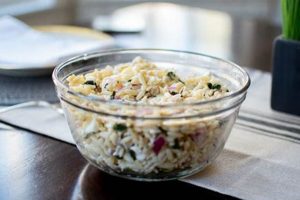
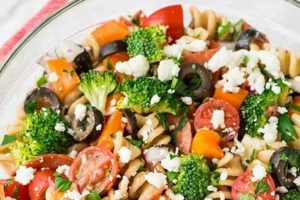
Summer’s bounty provides the perfect opportunity to create vibrant and flavorful salads featuring sweet, juicy cherries. These salads can range from simple combinations of cherries, other fruits, and a light vinaigrette, to more complex compositions incorporating cheeses, nuts, and leafy greens. A classic example involves fresh cherries halved and pitted, combined with crumbled feta cheese, toasted pecans, and baby spinach, dressed with a honey-lime vinaigrette.
Cherry salads offer not only refreshing taste but also nutritional benefits. Cherries are a good source of antioxidants, vitamins, and minerals. Incorporating them into a salad provides a delicious way to increase fruit consumption. Historically, cherries have been prized for their flavor and were often incorporated into desserts. The evolution of culinary practices has seen them increasingly integrated into savory dishes, particularly salads, capitalizing on their sweetness to balance other flavors.
The versatility of cherries allows for numerous creative combinations. Exploring various recipes can unlock unique flavor profiles and textures. The following sections will delve into specific recipe ideas, ingredient selection guidelines, and tips for achieving optimal flavor balance and presentation.
Tips for Crafting Exceptional Cherry Salads
Achieving optimal flavor and presentation in a cherry salad requires attention to detail. The following tips offer guidance for creating exceptional cherry-centric salads.
Tip 1: Cherry Selection: Opt for fresh, plump cherries with vibrant color and firm texture. Slightly underripe cherries offer a pleasant tartness, while fully ripe cherries provide maximum sweetness.
Tip 2: Proper Pitting: Invest in a quality cherry pitter to efficiently remove pits while minimizing fruit damage. Alternatively, a small paring knife or hairpin can be used.
Tip 3: Complementary Ingredients: Consider the flavor profile of the cherries when selecting other ingredients. Mild cheeses like feta or goat cheese pair well, as do nuts such as almonds or pecans. Leafy greens like spinach, arugula, or watercress provide a fresh counterpoint.
Tip 4: Balancing Flavors: Achieve balance by incorporating contrasting flavors. Sweet cherries benefit from the addition of tangy cheeses, acidic dressings, or bitter greens. Salty elements like nuts or cured meats can further enhance the flavor profile.
Tip 5: Dressing Selection: A light vinaigrette complements the delicate flavor of cherries. Experiment with combinations of olive oil, balsamic vinegar, citrus juices, or honey. Avoid heavy, creamy dressings that can overpower the cherries.
Tip 6: Timing is Key: Dress the salad just before serving to prevent the leaves from wilting and the cherries from becoming soggy. This preserves the fresh, vibrant appearance of the salad.
Tip 7: Presentation Matters: Arrange the salad components thoughtfully. Consider the colors and textures of the ingredients to create a visually appealing presentation.
By following these tips, one can elevate a simple cherry salad into a culinary masterpiece, showcasing the versatility and deliciousness of this summer fruit. Careful consideration of ingredients, flavors, and presentation ensures a truly satisfying and memorable dining experience.
In conclusion, crafting a successful cherry salad hinges on understanding the interplay of flavors and textures. Experimentation and attention to detail will yield rewarding results.
1. Cherry Variety

Cherry variety significantly influences the final flavor profile and texture of a fresh cherry salad. Different cherry types possess unique characteristics, impacting sweetness, tartness, and overall complexity. Sweet cherry varieties, such as Bing, Rainier, or Lambert, contribute a pronounced sugary flavor, ideal for salads emphasizing sweetness. Conversely, tart cherry varieties, like Montmorency or Morello, offer a refreshing acidity, balancing richer ingredients like cheese or nuts. Consider a salad combining Bing cherries with creamy goat cheese and candied pecans the sweetness of the cherries complements the richness of the cheese and nuts. In contrast, a salad featuring Montmorency cherries, crumbled feta, and toasted walnuts benefits from the cherries’ tartness cutting through the saltiness of the feta and earthiness of the walnuts.
The cherry’s texture also plays a crucial role. Some varieties, particularly Rainier cherries, possess a delicate, almost buttery texture, making them ideal for salads with softer ingredients. Firmer varieties, like Bing or Montmorency, hold their shape better, suitable for salads with robust components or heartier dressings. Understanding these textural nuances allows for creating salads with balanced mouthfeel. For instance, a salad featuring Rainier cherries alongside fresh mozzarella and basil might prioritize a delicate, melt-in-your-mouth experience. A salad using Bing cherries with grilled halloumi and roasted vegetables would benefit from the cherries’ firmer texture, providing a pleasant contrast.
Selecting the appropriate cherry variety enhances a salad’s overall composition. Recognizing the interplay between sweetness, tartness, and texture allows for informed ingredient choices, resulting in a well-balanced and flavorful salad. The careful consideration of cherry variety elevates the salad from a simple dish to a nuanced culinary experience.
2. Complementary Ingredients

Complementary ingredients elevate fresh cherry salad recipes beyond simple fruit salads, creating complex flavor profiles and textural contrasts. The careful selection of accompanying components enhances the natural sweetness and sometimes tartness of cherries. Consider the interplay between cherries and cheese: creamy goat cheese provides a tangy counterpoint to sweet cherries, while feta offers a salty, briny dimension. Nut selections, such as toasted almonds or pecans, introduce crunch and earthy notes. Leafy greens, like spinach, arugula, or watercress, contribute freshness and subtle bitterness. Even proteins, like grilled chicken or smoked salmon, can find a place, offering savory depth.
Specific examples illustrate this synergy. A salad featuring fresh cherries, goat cheese, and toasted pecans showcases a balance of sweet, tangy, and crunchy elements. The goat cheese softens the sweetness of the cherries, while the pecans offer textural contrast. Alternatively, a salad combining tart cherries, crumbled feta, and toasted walnuts highlights the interplay of tart, salty, and earthy flavors. The tartness of the cherries cuts through the saltiness of the feta, while the walnuts add a satisfying crunch. Further complexity can be achieved by incorporating herbs like mint or basil, contributing aromatic freshness. A honey-lime vinaigrette enhances sweetness and provides a bright, acidic counterpoint.
Understanding ingredient pairings allows for informed recipe development. The objective is to create a balanced flavor profile that enhances, rather than masks, the natural flavor of the cherries. Challenges arise when ingredient combinations clash or overpower the delicate cherry flavor. Overly rich dressings or strong cheeses can obscure the subtle nuances of the fruit. Therefore, careful selection and balanced proportions are critical. Effective complementary ingredients enhance the overall sensory experience, transforming a simple cherry salad into a sophisticated and flavorful dish.
3. Balancing Flavors

Balancing flavors is paramount in crafting successful fresh cherry salad recipes. The inherent sweetness of cherries, while delightful, necessitates the integration of contrasting tastes to prevent overwhelming sugaryness. This balance elevates the salad from a one-dimensional experience to a complex interplay of sweet, tart, salty, bitter, and umami elements. The success of a cherry salad often hinges on this delicate equilibrium, transforming a simple combination of ingredients into a harmonious culinary creation.
Consider the interplay of cherries with acidic components. A vinaigrette featuring lemon juice or balsamic vinegar introduces a tartness that cuts through the sweetness of the cherries, preventing the salad from becoming cloying. Similarly, incorporating slightly bitter greens, such as arugula or radicchio, provides a contrasting flavor profile. Adding salty elements, like feta cheese or toasted nuts, further enhances the flavor complexity, creating a more well-rounded and satisfying experience. A classic example involves pairing sweet Bing cherries with tangy goat cheese, peppery arugula, and candied pecans. The combination of sweet, tart, peppery, and salty creates a balanced and nuanced flavor profile.
Achieving flavor balance requires careful consideration of ingredient proportions and the inherent qualities of each component. Overly tart dressings can overwhelm the delicate sweetness of the cherries, while excessive saltiness can mask the fruit’s subtle nuances. The challenge lies in finding the optimal ratio of contrasting flavors, ensuring that no single element dominates the overall taste. Understanding the principles of flavor balance empowers one to create cherry salads that are not only delicious but also showcase the versatility of this summer fruit. The resulting culinary creation becomes more than the sum of its partsa testament to the transformative power of balanced flavors.
4. Dressing Selection
Dressing selection significantly impacts the overall flavor profile and enjoyment of fresh cherry salad recipes. The dressing acts as a unifying element, binding the individual components while contributing its own distinct character. A thoughtfully chosen dressing enhances the natural sweetness of cherries, complements other ingredients, and provides textural contrast. An overly heavy or intensely flavored dressing can mask the delicate flavor of the cherries and other subtle ingredients, while a bland dressing fails to elevate the salad beyond its individual parts. The ideal dressing complements, rather than overpowers, the inherent flavors of the salad.
Several factors influence dressing selection. The sweetness of the cherries necessitates a dressing with a balancing element, such as acidity or a touch of bitterness. A vinaigrette with lemon juice or balsamic vinegar provides the necessary acidity to cut through the sweetness, preventing the salad from becoming cloying. The other salad components also influence dressing choice. A salad with creamy goat cheese might benefit from a lighter vinaigrette, while a salad with robust ingredients like grilled chicken or toasted nuts could support a more assertive dressing. A cherry salad with feta, toasted almonds, and spinach pairs well with a lemon-herb vinaigrette. The bright citrus notes complement the feta and spinach, while the herbs enhance the overall freshness. Conversely, a cherry salad with grilled chicken and candied pecans might benefit from a honey-mustard vinaigrette. The sweetness of the honey complements the candied pecans, while the mustard adds a touch of tang.
Ultimately, successful dressing selection hinges on a thorough understanding of flavor pairings and the desired balance within the salad. Careful consideration of the cherry variety, accompanying ingredients, and the overall flavor profile guides the choice. The dressing should enhance the existing flavors, creating a harmonious and satisfying culinary experience. Challenges arise when the dressing clashes with the other ingredients or overwhelms the delicate cherry flavor. Achieving the right balance transforms a simple cherry salad into a sophisticated dish showcasing the interplay of flavors and textures.
5. Seasonality

Seasonality plays a crucial role in maximizing the flavor and quality of fresh cherry salad recipes. Peak cherry season typically occurs during the summer months, varying slightly depending on the specific variety and geographical location. Utilizing cherries at their peak ripeness ensures optimal sweetness, juiciness, and overall flavor complexity. Conversely, using out-of-season cherries, often imported or stored for extended periods, can result in a diminished flavor profile and compromised texture.
- Peak Season Flavor:
Cherries harvested during their peak season offer superior flavor compared to those available outside their natural timeframe. The intense sweetness and vibrant tartness characteristic of ripe cherries enhance the overall salad experience. In-season cherries require minimal manipulation, allowing their natural flavors to shine. A simple salad with fresh, peak-season cherries, a light vinaigrette, and a sprinkle of feta cheese exemplifies this principle.
- Nutritional Value:
Cherries, like many fruits, offer optimal nutritional value when consumed during their peak season. The concentration of vitamins, minerals, and antioxidants tends to be highest during this period. Incorporating in-season cherries into salads maximizes the health benefits associated with these nutrients. This nutritional advantage further reinforces the importance of seasonality in fresh cherry salad recipes.
- Recipe Adaptability:
Seasonality influences recipe adaptability. Early-season cherries, often slightly tart, pair well with ingredients like goat cheese and pistachios. Mid-season cherries, typically sweeter, complement milder cheeses and nuts like almonds. Late-season cherries, potentially exhibiting a more complex flavor profile, can be incorporated into salads with bolder ingredients like blue cheese or walnuts. This adaptability allows for culinary creativity throughout the cherry season.
- Supporting Local Agriculture:
Prioritizing seasonal cherries often translates to supporting local farmers and growers. Choosing locally sourced, in-season produce reduces transportation distances and associated environmental impacts. This emphasis on local sourcing aligns with sustainable food practices and strengthens community connections.
In conclusion, seasonality significantly impacts the flavor, nutritional value, and overall quality of fresh cherry salad recipes. Prioritizing in-season cherries elevates the culinary experience, offering superior taste and maximizing health benefits. Embracing seasonality also supports local agriculture and promotes sustainable food practices. Recognizing the importance of cherry seasonality enhances both the enjoyment and ethical considerations associated with these refreshing summer salads.
Frequently Asked Questions about Fresh Cherry Salads
This section addresses common inquiries regarding the preparation and enjoyment of fresh cherry salads. Clarity on these points ensures optimal results and enhances appreciation for this versatile dish.
Question 1: How should fresh cherries be stored for optimal freshness?
Refrigerate unwashed cherries in a covered container or perforated plastic bag. Consume within five days for best quality. Avoid storing cherries in airtight containers, as this can promote moisture buildup and spoilage.
Question 2: What is the most effective method for pitting cherries?
A cherry pitter offers the most efficient and least damaging method for pit removal. Alternatively, a small paring knife or hairpin can be used, though these methods require more dexterity and may result in more fruit damage.
Question 3: Can frozen cherries be used in fresh cherry salads?
While fresh cherries are preferred for optimal texture and flavor, frozen cherries can be substituted. Thaw completely before use and consider the potential for added moisture when selecting other ingredients and dressings.
Question 4: Which types of dressings best complement fresh cherry salads?
Light vinaigrettes, particularly those with a citrus or balsamic base, generally complement the sweetness of cherries. Avoid heavy, creamy dressings, as these can mask the delicate cherry flavor.
Question 5: How can browning of cut cherries be prevented?
Toss cut cherries with a small amount of lemon juice immediately after pitting. The citric acid helps inhibit enzymatic browning, preserving the fruit’s vibrant color.
Question 6: What savory ingredients pair well with cherries in salads?
Consider cheeses like feta, goat cheese, or blue cheese. Nuts such as almonds, pecans, or walnuts also provide complementary textures and flavors. Savory proteins like grilled chicken or prosciutto offer additional complexity.
Understanding these key aspects of cherry salad preparation ensures optimal results and enhances enjoyment of this versatile dish. Experimentation with various ingredients and dressings unlocks a world of flavor possibilities.
For further culinary exploration, the following section offers specific cherry salad recipes.
Fresh Cherry Salad Recipes
Exploration of fresh cherry salad recipes reveals the versatility of this summer fruit. Careful consideration of cherry varieties, complementary ingredients, balanced flavors, appropriate dressings, and seasonality elevates these salads from simple to sophisticated. Sweet and tart cherry varieties offer distinct flavor profiles, influencing ingredient pairings. Balancing sweetness with acidity, bitterness, saltiness, and umami is crucial for a harmonious culinary experience. Light vinaigrettes typically complement the delicate cherry flavor, while heavier dressings may mask subtle nuances. Utilizing in-season cherries maximizes flavor and nutritional value. Proper storage and pitting techniques maintain cherry freshness and quality.
Fresh cherry salad recipes provide a canvas for culinary creativity, encouraging exploration of diverse flavors and textures. The interplay of ingredients offers a spectrum of possibilities, limited only by imagination and a commitment to balanced flavor profiles. Continued exploration promises further culinary discoveries and a deeper appreciation for the versatility of fresh cherries in salads.