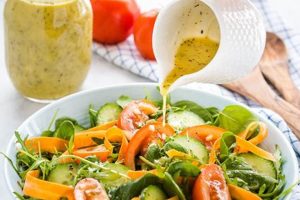
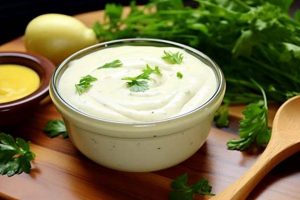
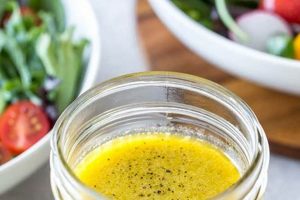
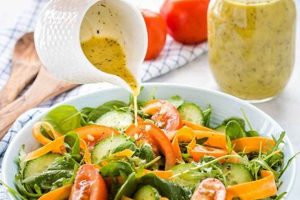
Dressings for salads often contribute significant carbohydrates through added sugars, thickeners, and certain oils. Formulations emphasizing low or reduced carbohydrate content utilize alternative sweeteners and ingredients like vinegar, herbs, spices, and healthy fats to create flavorful options that align with dietary restrictions. For example, a simple vinaigrette can be made with olive oil, lemon juice, and herbs.
Managing carbohydrate intake is a key element of many weight management and therapeutic diets. Individuals with diabetes, those following the ketogenic diet, or others seeking to control blood sugar levels can benefit from minimizing carbohydrates, including those found in condiments like salad dressings. Historically, salad dressings relied on simple oil and vinegar combinations. The rise of processed foods introduced dressings with higher sugar and carbohydrate content, necessitating the development of low-carbohydrate alternatives to meet evolving dietary needs.
This discussion will delve further into the specific ingredients suitable for these dressings, provide various recipe examples showcasing diverse flavor profiles, and offer practical tips for preparation and storage.
Tips for Low-Carbohydrate Salad Dressings
Creating flavorful, low-carbohydrate salad dressings requires careful ingredient selection and preparation. The following tips offer guidance for achieving optimal results.
Tip 1: Embrace Healthy Fats: Olive oil, avocado oil, and macadamia nut oil provide heart-healthy fats and contribute richness without added carbohydrates. These oils serve as excellent bases for a variety of dressings.
Tip 2: Utilize Vinegar Wisely: Apple cider vinegar, red wine vinegar, and white wine vinegar offer distinct flavor profiles and minimal carbohydrates. Experiment to find preferred combinations.
Tip 3: Enhance with Fresh Herbs and Spices: Fresh or dried herbs and spices add depth and complexity without contributing carbohydrates. Consider dill, parsley, oregano, basil, or chives.
Tip 4: Explore Sugar Alternatives Sparingly: Small amounts of non-nutritive sweeteners like stevia or erythritol can add sweetness if desired, but often natural flavors provide sufficient complexity.
Tip 5: Thicken with Caution: Xanthan gum or guar gum can be used in small quantities to thicken dressings, but overusing can create an undesirable texture. Start with a small amount and adjust as needed.
Tip 6: Emulsify for a Smooth Texture: A vigorous whisk or a blender can help create a stable emulsion, preventing separation of oil and vinegar.
Tip 7: Taste and Adjust: Flavors can intensify over time. Taste the dressing before serving and adjust seasonings accordingly.
Tip 8: Proper Storage: Store dressings in airtight containers in the refrigerator to maintain freshness and flavor.
By following these guidelines, individuals can enjoy flavorful and versatile dressings that complement their dietary needs without compromising taste or satisfaction.
This exploration of low-carbohydrate salad dressings provides a foundation for creating customized recipes and integrating these options into a healthy lifestyle.
1. Healthy Fats

Healthy fats are fundamental to low-carbohydrate salad dressings, providing flavor, texture, and satiety while aligning with dietary restrictions. They serve as the base of the dressing, carrying other flavors and contributing to the overall sensory experience.
- Monounsaturated Fats
These fats, prevalent in olive oil and avocado oil, offer numerous health benefits, including improved heart health and reduced inflammation. In salad dressings, they contribute a smooth, rich texture and a mild flavor that complements other ingredients. Olive oil, for instance, provides a slightly peppery taste, while avocado oil offers a more neutral flavor profile. Their presence ensures the dressing adheres to low-carbohydrate principles.
- Polyunsaturated Fats
Found in oils like flaxseed, grapeseed, and walnut oil, polyunsaturated fats are essential fatty acids that the body cannot produce on its own. They offer potential health benefits, but their strong flavors and susceptibility to oxidation make them less ideal as primary components in low-carbohydrate dressings. They can, however, be incorporated in smaller quantities to add complexity.
- Saturated Fats
Certain saturated fats, such as those found in coconut oil and MCT oil, are sometimes used in low-carbohydrate diets. Coconut oil imparts a distinct coconut flavor, which may not be desirable in all dressings. MCT oil is flavorless and can be used to increase the fat content without significantly altering the taste. Moderation is key due to their potential impact on cholesterol levels.
- Avoiding Unhealthy Fats
Trans fats and highly processed vegetable oils should be avoided due to their negative health impacts. Low-carbohydrate salad dressings should prioritize natural, unprocessed oils with established health benefits. This focus contributes to the overall nutritional value of the salad and aligns with the health-conscious approach of carbohydrate restriction.
The judicious selection of healthy fats is crucial for creating a palatable and nutritious low-carbohydrate salad dressing. The type of fat influences not only the flavor and texture but also the nutritional profile and overall health impact of the dressing. Understanding the properties of various fats allows for informed choices that support dietary goals and enhance culinary experiences.
2. Flavorful Acids
Flavorful acids are essential in low-carbohydrate salad dressings, providing brightness, balancing richness, and preserving freshness. They contribute a tartness that complements the fats and other ingredients, creating a more complex and satisfying flavor profile. Understanding the role of different acids allows for informed choices that enhance both the taste and functionality of these dressings.
- Vinegars
Vinegars, derived from fermented ethanol, offer a wide range of flavor profiles suitable for low-carbohydrate dressings. Apple cider vinegar provides a slightly sweet and tangy taste, while red wine vinegar contributes a more robust, fruity note. White wine vinegar offers a crisp, clean acidity. Balsamic vinegar, though slightly higher in carbohydrates, can be used sparingly for its rich, complex flavor. The choice of vinegar significantly influences the overall taste of the dressing.
- Citrus Juices
Lemon and lime juice offer vibrant acidity and a fresh, citrusy aroma. They are particularly well-suited for lighter dressings and pair well with herbs and spices. The zest of these fruits can also be incorporated to intensify the citrus notes. These juices provide a natural, low-carbohydrate way to brighten and balance the richness of the fats in the dressing.
- Other Acidic Ingredients
Ingredients like buttermilk or sour cream, while higher in carbohydrates, can be used in small quantities to add a creamy texture and tangy flavor to certain dressings. These ingredients should be used judiciously to maintain the low-carbohydrate focus. Alternatively, Greek yogurt, lower in carbohydrates than traditional yogurt, can offer a similar tang and creaminess.
- Balancing Acidity
The level of acidity in a dressing should be balanced with the other ingredients. Too much acid can make the dressing overly tart, while too little can result in a bland or oily taste. Tasting and adjusting the acid component during preparation is crucial for achieving the desired flavor profile. This balance is essential for creating a harmonious and palatable dressing.
The careful selection and balancing of flavorful acids are critical for creating a successful low-carbohydrate salad dressing. These acidic components not only enhance the taste but also contribute to the overall quality and preservation of the dressing. By understanding the nuances of different acids, individuals can create dressings that are both flavorful and aligned with their dietary goals.
3. Fresh Herbs

Fresh herbs play a crucial role in low-carbohydrate salad dressings, offering a significant flavor boost without contributing carbohydrates. They provide complexity and depth, transforming a simple oil-and-vinegar base into a vibrant and aromatic culinary experience. This characteristic is particularly important in low-carbohydrate cooking, where flavor options can sometimes be limited due to ingredient restrictions. For example, a basic vinaigrette made with olive oil, lemon juice, and salt can be elevated with the addition of fresh herbs like chives, parsley, and thyme. The herbs not only add distinct flavors but also contribute a fresh, vibrant aroma that enhances the overall sensory experience.
The selection and combination of herbs can drastically alter the flavor profile of a dressing. Dill, with its slightly anise-like flavor, pairs well with creamy dressings. Mint provides a refreshing coolness, while cilantro offers a bright, citrusy note. Rosemary, with its robust, piney aroma, complements heartier salads. Experimentation with different herb combinations allows for a wide range of flavor profiles tailored to individual preferences and the specific ingredients in the salad. For instance, a Greek salad benefits from the addition of oregano and mint, while a Caprese salad is enhanced by basil. Understanding these flavor pairings allows for the creation of dressings that complement and elevate the overall dish.
Incorporating fresh herbs into low-carbohydrate salad dressings offers a practical and effective way to enhance flavor without compromising dietary goals. The versatility of herbs allows for endless customization, enabling individuals to create dressings that are both healthy and delicious. Furthermore, the use of fresh ingredients aligns with the broader health-conscious approach often associated with low-carbohydrate diets. Overcoming the challenge of limited flavor options within dietary restrictions, fresh herbs become indispensable components in crafting satisfying and flavorful low-carbohydrate meals. Their contribution extends beyond mere taste enhancement, playing a significant role in making healthy eating enjoyable and sustainable.
4. Minimal Sweeteners
Sweeteners, while contributing to palatability, often represent a significant source of carbohydrates in salad dressings. Minimizing or eliminating added sweeteners aligns with the core principle of low-carbohydrate dietary approaches. This section explores strategies for reducing sugar content while maintaining desirable flavor profiles in salad dressings.
- Alternative Sweeteners
Non-nutritive sweeteners, such as stevia, erythritol, and monk fruit, offer sweetness without the carbohydrates of traditional sugars. These alternatives can be incorporated into low-carbohydrate dressings to provide a touch of sweetness without significantly impacting carbohydrate counts. However, some individuals may perceive a slight aftertaste with certain artificial sweeteners, necessitating careful selection and moderation. For instance, a small amount of stevia can balance the acidity in a vinaigrette without adding carbohydrates.
- Natural Sweetness from Fruits and Vegetables
Incorporating small amounts of naturally sweet fruits or vegetables can provide subtle sweetness and enhance flavor complexity. Finely diced bell peppers or a touch of pureed carrot can contribute sweetness and vibrant color without drastically increasing carbohydrate content. However, the carbohydrate contribution of these ingredients should be considered when calculating overall carbohydrate intake. For example, a raspberry vinaigrette can derive its sweetness from a small amount of fresh raspberries.
- Balancing Flavors with Herbs and Spices
Strategic use of herbs and spices can balance flavors and reduce the need for added sweetness. Cinnamon, for example, can impart a warm sweetness, while ginger offers a subtle sweetness with a hint of spice. These ingredients not only contribute flavor complexity but also align with the emphasis on whole, unprocessed foods often associated with low-carbohydrate lifestyles. The interplay of herbs, spices, and acidity can create a balanced and flavorful dressing without relying on added sugars.
- Embracing Savory Profiles
Shifting the focus towards savory flavor profiles can reduce the reliance on sweetness altogether. Incorporating ingredients like roasted garlic, Dijon mustard, or nutritional yeast can create rich, umami flavors that complement salads without the need for added sugars. This approach emphasizes the natural flavors of vegetables and other salad components, creating a more nuanced and satisfying culinary experience.
Minimizing added sweeteners in low-carbohydrate salad dressings requires a nuanced approach that balances flavor, dietary goals, and ingredient choices. By exploring alternative sweeteners, incorporating naturally sweet ingredients, and emphasizing savory flavor profiles, individuals can create dressings that are both delicious and aligned with the principles of low-carbohydrate eating. This careful consideration of sweetness contributes to the overall success and sustainability of a low-carbohydrate lifestyle.
5. Appropriate Thickeners

Thickness contributes to the mouthfeel and cling of salad dressings. Traditional thickeners often introduce undesirable carbohydrates. Therefore, low-carbohydrate dressings require careful selection of thickening agents that align with dietary restrictions while providing desirable textural properties. Understanding the properties and applications of various thickeners allows for informed choices that enhance both the sensory experience and the nutritional profile of the dressing.
- Xanthan Gum
Derived from the fermentation of sugars by the bacteria Xanthomonas campestris, xanthan gum is a soluble fiber frequently used as a thickening and stabilizing agent in low-carbohydrate cooking. A small amount effectively thickens dressings without adding significant carbohydrates or impacting flavor. Its ability to create a stable emulsion prevents separation of oil and vinegar, enhancing the overall texture and appearance of the dressing. For example, a quarter teaspoon of xanthan gum can noticeably thicken a vinaigrette.
- Guar Gum
Guar gum, extracted from guar beans, is another soluble fiber offering thickening properties similar to xanthan gum. It is also low in carbohydrates and readily dissolves in cold liquids, making it suitable for low-carbohydrate dressings. However, using too much guar gum can result in a slimy texture, so it is important to use it sparingly. Like xanthan gum, it aids in emulsion stability, preventing separation. It can be used interchangeably with xanthan gum in most recipes.
- Chia Seeds
Chia seeds absorb liquid and form a gel-like consistency, offering a natural thickening option for low-carbohydrate dressings. While they do contribute some carbohydrates, their overall nutritional profile, including fiber and omega-3 fatty acids, makes them a viable option. Soaking chia seeds in water before adding them to the dressing creates a smoother texture. They can also add a slightly nutty flavor and visual appeal. This option provides a more natural approach to thickening compared to isolated fiber gums.
- Flaxseed Meal
Similar to chia seeds, flaxseed meal absorbs liquid and thickens dressings. It also provides fiber and omega-3 fatty acids. The flavor profile of flaxseed is slightly earthier than chia seeds. Flaxseed meal can add a slightly grainy texture if not adequately blended. Like chia seeds, it’s essential to pre-soak flaxseed meal for optimal texture in the dressing.
Appropriate thickeners are crucial for achieving desired consistency and mouthfeel in low-carbohydrate salad dressings. Selecting thickeners like xanthan gum, guar gum, chia seeds, or flaxseed meal not only enhances the sensory experience but also maintains the low-carbohydrate profile essential to dietary adherence. By considering both functional properties and nutritional value, informed choices regarding thickeners can significantly contribute to the overall quality and satisfaction of low-carbohydrate meals.
6. Emulsification Techniques

Emulsification, the process of combining two immiscible liquids like oil and vinegar into a stable mixture, is crucial for the texture and palatability of low-carbohydrate salad dressings. Without proper emulsification, the dressing separates, resulting in an oily layer on top and a watery layer beneath, impacting both flavor delivery and visual appeal. Effective emulsification creates a homogenous mixture where the flavors are evenly distributed, ensuring a consistent sensory experience with each bite. This is particularly important in low-carbohydrate dressings, which often rely on the interplay of a few key ingredients for flavor complexity. A separated dressing can lead to an unbalanced taste, with some bites overly acidic and others excessively oily. For instance, a classic vinaigrette, a staple in low-carbohydrate diets, requires proper emulsification to balance the sharp acidity of the vinegar with the richness of the olive oil.
Several techniques facilitate effective emulsification. Vigorous whisking by hand creates a temporary emulsion, suitable for dressings used immediately. The rapid agitation disperses the vinegar droplets into the oil, creating a homogenous mixture. However, this emulsion tends to separate over time. For a more stable emulsion, a blender or food processor offers greater shearing force, breaking down the vinegar into smaller droplets and distributing them more evenly throughout the oil. This creates a thicker, creamier consistency that resists separation for a longer period. Adding an emulsifying agent, such as a small amount of Dijon mustard or egg yolk (though the latter introduces a small amount of carbohydrate), further stabilizes the emulsion. These agents contain molecules with both hydrophilic (water-loving) and hydrophobic (oil-loving) ends, allowing them to bridge the gap between the oil and vinegar, preventing separation. The choice of technique depends on the desired texture and the immediacy of use. For example, a creamy, low-carbohydrate ranch dressing benefits from the use of a blender and an emulsifying agent, while a simple vinaigrette for immediate consumption can be effectively emulsified by hand.
Mastering emulsification techniques is essential for creating high-quality, low-carbohydrate salad dressings that are both flavorful and visually appealing. Proper emulsification not only ensures a consistent and balanced flavor experience but also enhances the overall texture and stability of the dressing. This understanding empowers individuals to create dressings that complement their culinary creations while adhering to dietary restrictions, contributing to a more satisfying and sustainable low-carbohydrate lifestyle. Without proper emulsification, even the most carefully selected low-carbohydrate ingredients may fail to deliver their full potential in a salad dressing.
7. Proper Storage
Proper storage is crucial for maintaining the quality, flavor, and safety of low-carbohydrate salad dressings. These dressings, often made with fresh ingredients and lacking preservatives common in commercial counterparts, are susceptible to spoilage and flavor degradation if not stored correctly. Oxidation of oils, growth of microorganisms, and loss of volatile flavor compounds can occur if dressings are exposed to air, light, and temperature fluctuations. Proper storage mitigates these risks, extending shelf life and preserving the intended flavor profile. For example, a vinaigrette made with fresh herbs will lose its vibrant flavor and aroma if left at room temperature or exposed to excessive light. Storing it in an airtight container in the refrigerator protects the delicate herbs and preserves the dressing’s freshness.
Airtight containers are essential for preventing oxidation and minimizing exposure to airborne contaminants. Glass containers are ideal due to their non-reactive nature, preventing the dressing from absorbing unwanted flavors from plastic. Refrigeration at temperatures below 40F (4C) slows microbial growth and enzymatic activity, further extending shelf life. Avoiding temperature fluctuations, such as repeated removal from the refrigerator for extended periods, helps maintain the emulsion’s stability and prevents separation. Dressings containing fresh ingredients, particularly herbs, fruits, or vegetables, have a shorter shelf life than those made with solely oil and vinegar. Careful observation for signs of spoilage, such as off-odors, mold growth, or changes in texture, is essential. Discarding any dressing exhibiting these signs is crucial for food safety. Proper labeling with preparation dates allows for easy identification of older dressings and facilitates timely consumption.
Implementing proper storage practices contributes significantly to the success of a low-carbohydrate dietary approach. It ensures that carefully crafted dressings retain their quality and flavor, maximizing enjoyment and minimizing food waste. This attention to detail not only enhances the culinary experience but also supports the health-conscious intentions often associated with low-carbohydrate lifestyles. The relatively simple steps of utilizing airtight containers, consistent refrigeration, and attentive observation for spoilage represent a crucial investment in maintaining both the quality and safety of low-carbohydrate salad dressings.
Frequently Asked Questions
This section addresses common inquiries regarding low-carbohydrate salad dressings, providing concise and informative responses to clarify potential uncertainties and misconceptions.
Question 1: How can one determine the carbohydrate content of a homemade salad dressing?
Calculating the total carbohydrate content involves summing the carbohydrates from each ingredient used. Nutritional information for individual ingredients can be found on product labels or reputable online databases. Dividing the total carbohydrates by the number of servings yields the carbohydrate content per serving.
Question 2: What are suitable oil alternatives for individuals with olive oil allergies?
Avocado oil, macadamia nut oil, and walnut oil offer healthy fat alternatives with distinct flavor profiles. Selecting an oil depends on personal preference and the desired flavor profile of the dressing.
Question 3: Can low-carbohydrate salad dressings be made without artificial sweeteners?
Absolutely. Natural flavors from herbs, spices, and acidic ingredients like vinegar or lemon juice can create flavorful dressings without the need for added sweeteners. Small amounts of naturally sweet ingredients like bell peppers can also contribute subtle sweetness.
Question 4: How long can homemade low-carbohydrate salad dressings be stored safely?
Properly stored in airtight containers in the refrigerator, most low-carbohydrate dressings can last for one to two weeks. Dressings containing fresh ingredients like herbs or fruits may have a shorter shelf life. Always inspect for signs of spoilage before consumption.
Question 5: Are low-carbohydrate salad dressings suitable for all types of diets?
While generally healthy, individuals with specific dietary restrictions or health conditions should always consult with a healthcare professional or registered dietitian to determine the suitability of any dietary modification, including low-carbohydrate dressings.
Question 6: Where can one find additional low-carbohydrate salad dressing recipes?
Numerous online resources, cookbooks, and health-focused publications offer a wide variety of low-carbohydrate salad dressing recipes catering to diverse tastes and dietary needs. Reputable sources prioritize whole, unprocessed ingredients and accurate nutritional information.
Understanding the principles behind creating and storing low-carbohydrate salad dressings empowers individuals to make informed choices aligned with their dietary goals. This knowledge fosters a more sustainable and enjoyable approach to healthy eating.
This FAQ section provides a foundation for further exploration of low-carbohydrate culinary practices. Subsequent sections will delve into specific recipe examples and practical tips for incorporating these dressings into a balanced and flavorful diet.
Conclusion
Exploration of low-carbohydrate salad dressing formulation reveals the importance of ingredient selection, preparation techniques, and storage practices for achieving optimal outcomes. Prioritizing healthy fats, flavorful acids, fresh herbs, and minimal sweeteners, while understanding the roles of appropriate thickeners and emulsification techniques, allows for the creation of dressings that align with dietary restrictions without compromising flavor or satisfaction. Proper storage in airtight containers under refrigeration preserves freshness and extends shelf life.
Dietary adherence necessitates informed choices and mindful preparation. Successfully integrating low-carbohydrate salad dressings into a balanced nutritional plan contributes to both health and culinary satisfaction. Continued exploration of innovative flavor combinations and ingredient pairings offers further potential for enhancing culinary experiences within the context of dietary restrictions.