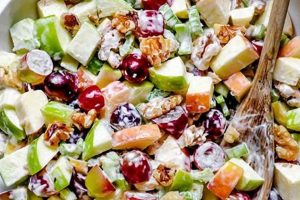
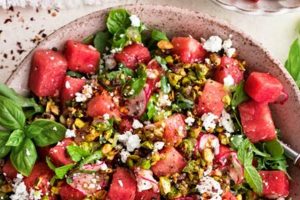
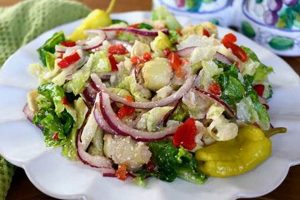
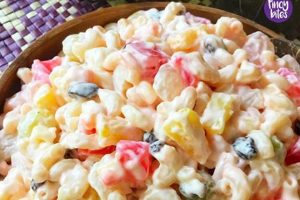
Chilled rice salads offer a versatile and convenient meal option, particularly suitable for warm weather or casual gatherings. These dishes typically combine cooked, cooled rice with a variety of ingredients, including vegetables, proteins, herbs, and a flavorful dressing. An example might include cooked long-grain rice tossed with chopped cucumbers, bell peppers, cherry tomatoes, chickpeas, fresh parsley, and a lemon-vinaigrette dressing.
The appeal of these salads lies in their refreshing nature, adaptability, and ease of preparation. They can be made ahead of time, making them ideal for picnics, potlucks, or quick lunches. Furthermore, their adaptable nature allows for a wide range of flavor profiles and ingredient combinations, catering to diverse palates and dietary needs. Historically, rice salads have appeared in various culinary traditions, often as a way to utilize leftover rice and seasonal produce.
Further exploration will delve into specific ingredient combinations, preparation techniques, and variations to inspire culinary creativity and provide practical guidance for creating delicious and satisfying cold rice salads.
Tips for Creating Excellent Cold Rice Salads
Achieving a successful cold rice salad requires attention to detail and an understanding of key preparation techniques. The following tips offer guidance for optimal results.
Tip 1: Rice Selection and Preparation: Opt for long-grain rice varieties, such as basmati or jasmine, as they remain separate and fluffy when cooked and cooled. Rinsing the rice before cooking removes excess starch, contributing to a less sticky texture. Slightly undercooking the rice ensures a firmer texture, preventing a mushy salad.
Tip 2: Cooling the Rice Effectively: Spread the cooked rice in a thin layer on a baking sheet to facilitate rapid and even cooling. This prevents the rice from steaming and becoming sticky. Refrigerate the cooled rice until thoroughly chilled before combining with other ingredients.
Tip 3: Vegetable Selection and Preparation: Choose crisp, fresh vegetables that complement the chosen flavor profile. Consider a variety of textures and colors for visual appeal. Blanching certain vegetables, such as green beans or broccoli, can enhance their color and tenderness while maintaining a crisp texture.
Tip 4: Protein Incorporation: Incorporate protein sources like grilled chicken, cooked shrimp, chickpeas, or lentils for a more substantial and nutritious salad. Ensure proteins are cooked and cooled thoroughly before adding to the rice.
Tip 5: Flavorful Dressings: Vinaigrettes are particularly well-suited for cold rice salads, offering a light and tangy counterpoint to the other ingredients. Experiment with different flavor combinations, incorporating herbs, spices, and citrus juices.
Tip 6: Herbs and Aromatics: Fresh herbs, such as parsley, cilantro, or mint, add brightness and depth of flavor. Incorporating finely chopped aromatics like red onion or shallots provides a pungent accent.
Tip 7: Proper Storage: Store leftover salad in an airtight container in the refrigerator for up to three days. Add delicate herbs or crunchy toppings just before serving to maintain their optimal texture and flavor.
By following these guidelines, one can consistently create flavorful, visually appealing, and satisfying cold rice salads suitable for a variety of occasions.
These tips provide a strong foundation for creating delicious cold rice salads, offering practical advice and inspiration for culinary exploration. The following section will offer specific recipe examples, demonstrating the versatility and adaptability of this popular dish.
1. Easy Preparation

The ease of preparation is a defining characteristic of cold rice salads, contributing significantly to their popularity. This simplicity stems from minimal cooking requirements and the adaptability of ingredients, making them an attractive option for time-conscious individuals or those seeking convenient meal solutions. Understanding the facets of this ease of preparation provides valuable insight into the practical appeal of these dishes.
- Minimal Active Cooking Time
Cold rice salads require minimal active cooking, often involving only the cooking of the rice itself and potentially blanching certain vegetables. Many ingredients are incorporated fresh or require minimal processing, such as chopping or slicing. This reduces overall preparation time and simplifies the cooking process, making it accessible to cooks of all skill levels. For example, a simple salad might involve cooked rice, chopped raw vegetables, canned beans, and a pre-made vinaigrette, requiring only assembly and minimal chopping.
- Make-Ahead Convenience
A significant advantage of cold rice salads is the ability to prepare them in advance. The flavors often meld and improve as the salad chills, making it a practical choice for meal prepping, potlucks, or picnics. Preparing the salad a day or two in advance allows the cook to save time on the day of serving and ensures a flavorful, well-chilled dish. This is particularly useful for large gatherings or busy weeknight meals.
- Ingredient Flexibility
The adaptable nature of cold rice salads allows for a wide range of ingredient substitutions and additions based on personal preferences, dietary needs, and available ingredients. This flexibility simplifies the shopping process and reduces the need for strict adherence to specific recipes. Leftover cooked vegetables, proteins, or grains can be easily incorporated, minimizing food waste and maximizing creativity. For instance, substituting quinoa for rice, or adding roasted vegetables instead of raw, offers variations without sacrificing ease of preparation.
- Simple Techniques
The techniques involved in creating cold rice salads are generally straightforward, requiring basic culinary skills. Chopping, mixing, and whisking are the primary actions, eliminating the need for complex cooking methods or specialized equipment. This simplicity makes the recipes accessible to a wider range of individuals, regardless of their culinary experience. Basic kitchen tools are usually sufficient, further enhancing the ease of preparation.
The convergence of these factors minimal active cooking, make-ahead convenience, ingredient flexibility, and simple techniques contributes significantly to the ease of preparation associated with cold rice salads. This simplicity positions them as a practical and appealing option for various occasions, from casual weeknight dinners to more elaborate gatherings.
2. Versatile Ingredients

The versatility of ingredients is a hallmark of cold rice salads, contributing significantly to their adaptability and appeal. This characteristic allows for a wide range of flavor profiles, accommodates dietary restrictions, and utilizes readily available ingredients, making these salads a practical and customizable meal option. Exploring the facets of this versatility provides insight into the creative potential and convenience offered by these dishes.
- Adaptability to Culinary Traditions
Cold rice salads readily adapt to various culinary traditions. Mediterranean-inspired versions might incorporate feta cheese, olives, and artichoke hearts, while Asian-influenced variations could include edamame, shredded carrots, and a sesame-ginger dressing. This adaptability allows for exploration of diverse flavor profiles within a simple framework, catering to a range of preferences and expanding culinary horizons. Mexican-inspired salads, for instance, could utilize corn, black beans, avocado, and a lime-cilantro dressing.
- Dietary Accommodation
The flexibility of ingredients allows for easy accommodation of dietary restrictions and preferences. Vegetarian and vegan options can be created by focusing on plant-based proteins like beans, lentils, or tofu. Gluten-free versions are achievable with the use of gluten-free rice or alternative grains like quinoa. This adaptability makes cold rice salads an inclusive meal option suitable for a diverse range of dietary needs. For individuals avoiding dairy, the dressing can be adapted using alternatives like olive oil and lemon juice.
- Utilization of Seasonal Produce
Cold rice salads provide an excellent opportunity to utilize seasonal produce, maximizing freshness and flavor while minimizing reliance on out-of-season ingredients. Summer salads might feature ripe tomatoes, cucumbers, and fresh herbs, while autumnal versions could incorporate roasted squash, cranberries, and pecans. This seasonal approach enhances the nutritional value and flavor profile of the salad while promoting sustainable consumption. Spring salads could utilize asparagus, peas, and fresh mint.
- Pantry Staple Incorporation
Many cold rice salads effectively incorporate pantry staples, such as canned beans, olives, or jarred artichoke hearts. This reliance on readily available ingredients simplifies the shopping process, reduces meal preparation time, and enhances the overall convenience of these dishes. The use of pantry staples also contributes to cost-effectiveness, making these salads a budget-friendly meal option. Canned tuna or salmon can also be readily incorporated for added protein.
The versatility offered by the adaptable nature of ingredients in cold rice salads contributes significantly to their appeal. This flexibility allows for customization based on culinary traditions, dietary needs, seasonal availability, and pantry staples, making these salads a practical, customizable, and flavorful meal option suitable for a variety of occasions.
3. Refreshing Flavors
Refreshing flavors are integral to the appeal of cold rice salads, particularly during warmer months or as a light, invigorating meal. The perception of “refreshment” derives from specific sensory experiences, primarily taste, aroma, and texture. These salads achieve this effect through strategic ingredient combinations and preparation methods. Acidity plays a crucial role; ingredients like lemon juice, vinegar, or yogurt provide a tartness that brightens the palate. Fresh herbs, such as mint, cilantro, or dill, contribute aromatic complexity and a cooling sensation. Crisp vegetables, like cucumbers, bell peppers, or radishes, offer a contrasting textural element that enhances the overall refreshing experience. For example, a Mediterranean-inspired rice salad might combine lemon juice, feta cheese, Kalamata olives, chopped cucumbers, and fresh mint, creating a complex interplay of salty, tangy, and herbaceous flavors.
The emphasis on refreshing flavors directly influences ingredient selection and preparation techniques. Prioritizing fresh, seasonal produce ensures optimal flavor and texture. Blanching or quickly sauting certain vegetables can enhance their color and tenderness while maintaining a desirable crispness. Careful consideration of the dressing is essential; vinaigrettes, with their balance of oil and acid, are often preferred for their light and tangy character. Additionally, incorporating chilled ingredients, including the rice itself, contributes to the overall cooling effect. For instance, a Thai-inspired rice salad might incorporate lime juice, fish sauce, chopped peanuts, shredded carrots, and fresh cilantro, offering a vibrant combination of sweet, sour, salty, and spicy notes.
Understanding the contribution of refreshing flavors to the success of cold rice salads allows for informed culinary choices. Balancing acidity, incorporating fresh herbs and crisp vegetables, and utilizing appropriate chilling methods are key strategies. This understanding enables the creation of dishes that not only satisfy hunger but also provide a sensory experience aligned with the desired refreshing quality. Challenges may include balancing contrasting flavors and ensuring optimal ingredient texture. However, by prioritizing freshness, acidity, and textural variety, one can consistently create cold rice salads that deliver a truly refreshing culinary experience.
4. Make-Ahead Convenience

Make-ahead convenience represents a significant advantage of cold rice salads, contributing to their practicality and appeal for various occasions. The ability to prepare these salads in advance aligns with contemporary lifestyles often characterized by busy schedules and the demand for efficient meal solutions. Examining the facets of this make-ahead convenience reveals its impact on meal planning, entertaining, and overall culinary efficiency.
- Time Management
Preparing cold rice salads ahead of time allows for efficient time management, particularly beneficial for busy individuals or those hosting gatherings. The salad can be assembled a day or two in advance, eliminating last-minute meal preparation stress. This advance preparation frees up time for other tasks, whether work-related, social engagements, or simply enjoying leisure activities. For example, preparing a rice salad the night before a picnic or potluck eliminates the need for rushed cooking on the day of the event.
- Flavor Enhancement
The chilling process often enhances the flavors of a cold rice salad. As the ingredients meld in the refrigerator, the flavors deepen and integrate, resulting in a more complex and balanced taste profile. This flavor enhancement is particularly noticeable with vinaigrettes and salads incorporating herbs and spices. The make-ahead approach allows sufficient time for these flavors to develop, optimizing the overall culinary experience. For instance, a rice salad with a lemon-herb vinaigrette will benefit from the flavors melding overnight.
- Simplified Entertaining
Cold rice salads are ideal for entertaining, simplifying food preparation and service for hosts. Large batches can be made in advance, reducing stress and allowing hosts to focus on their guests rather than last-minute cooking. The salads can be easily transported and served, making them suitable for picnics, potlucks, or buffet-style gatherings. This convenience enhances the overall enjoyment of the event for both hosts and guests. A colorful, flavorful rice salad can be a centerpiece dish at a casual gathering.
- Reduced Food Waste
Make-ahead convenience can contribute to reduced food waste. Leftover cooked rice, vegetables, or proteins can be incorporated into cold rice salads, extending their lifespan and preventing disposal. This resourceful approach aligns with sustainable culinary practices and maximizes the value of existing ingredients. A rice salad can transform leftover grilled chicken and roasted vegetables into a new and appealing meal.
The make-ahead convenience inherent in cold rice salads offers numerous advantages, including optimized time management, enhanced flavors, simplified entertaining, and reduced food waste. This characteristic significantly contributes to their popularity as a practical, versatile, and flavorful meal option suitable for a variety of occasions, from casual weeknight dinners to more elaborate social gatherings. This feature, coupled with the simplicity of the recipes, makes cold rice salads a valuable addition to any culinary repertoire.
5. Customizable to Taste

Customizability is a defining feature of cold rice salads, directly influencing their broad appeal and adaptability to individual preferences and dietary needs. This inherent flexibility stems from the simplicity of the core recipe, which readily accommodates ingredient variations without compromising the fundamental structure of the dish. The interplay of rice, vegetables, protein (optional), and dressing provides a neutral canvas upon which a wide range of flavor profiles can be built. Cause and effect are clearly linked; the basic composition of the salad allows for the effect of customization based on individual taste preferences. For example, a preference for spicy flavors can be accommodated by adding chopped jalapeos or a sriracha-infused dressing, while a desire for Mediterranean influences might lead to the incorporation of feta cheese, olives, and a lemon-herb vinaigrette.
The importance of customizability as a component of simple cold rice salad recipes lies in its ability to cater to diverse palates and dietary requirements. This adaptability extends beyond mere flavor preferences. Vegetarian or vegan diets can be accommodated by substituting plant-based proteins like chickpeas, lentils, or tofu. Gluten-free variations are achievable through the selection of gluten-free rice or alternative grains such as quinoa. This inherent flexibility empowers individuals to tailor the recipe to specific needs and preferences, ensuring a satisfying and personalized culinary experience. Consider the practical application of creating a series of cold rice salads for a potluck, each customized to cater to different dietary restrictions one vegan, one gluten-free, and one with a focus on low-fat ingredients.
Customizability, therefore, elevates cold rice salads from simple meals to versatile culinary platforms. The ease with which ingredients can be substituted or added allows for endless variations, transforming basic recipes into unique culinary expressions. While some challenges may arise in balancing flavors or ensuring textural harmony, the inherent simplicity of the basic formula provides a forgiving framework for experimentation. The practical significance of understanding this customizability lies in the ability to create personalized dishes tailored to individual tastes and dietary needs, promoting culinary creativity and maximizing enjoyment. This characteristic solidifies the position of cold rice salads as a practical, adaptable, and consistently appealing meal option.
6. Budget-Friendly Option

Cost-effectiveness is a significant advantage of cold rice salads, positioning them as an accessible and practical meal solution. This affordability stems from several factors, including the utilization of inexpensive base ingredients, adaptability to readily available produce, and the potential to incorporate leftover ingredients, reducing food waste and maximizing value. Exploring these components provides insight into the economic benefits of incorporating cold rice salads into regular meal planning.
- Inexpensive Base Ingredients
Rice, the foundation of these salads, is a relatively inexpensive staple food. Its affordability makes it an accessible base for a variety of dishes, including cold salads. The cost-effectiveness of the base ingredient contributes significantly to the overall affordability of the final dish, making it an attractive option for budget-conscious individuals or families. Compared to other grains like quinoa or farro, rice offers a substantial cost advantage.
- Adaptability to Affordable Produce
Cold rice salads readily accommodate less expensive, in-season produce. Seasonal vegetables are typically more affordable than out-of-season options, allowing for cost savings without sacrificing flavor or nutritional value. Utilizing readily available and affordable produce maximizes the budget-friendly nature of these salads. Carrots, celery, onions, and seasonal greens are examples of cost-effective vegetables that contribute flavor and texture.
- Utilization of Leftovers
Cold rice salads offer an effective way to utilize leftover cooked rice, vegetables, and proteins. Incorporating leftovers minimizes food waste and maximizes the value of previous meals. This resourceful approach further enhances the cost-effectiveness of these salads, making them a practical and economical choice for utilizing existing ingredients. Leftover roasted chicken, grilled vegetables, or cooked beans can be easily integrated into a flavorful rice salad.
- Minimal Ingredient Requirements
Many simple cold rice salad recipes require a minimal number of ingredients, further contributing to their affordability. The simplicity of these recipes reduces grocery costs and simplifies the meal preparation process. This streamlined approach aligns with budget-conscious cooking practices, emphasizing efficiency and affordability. A basic vinaigrette, for example, often requires only oil, vinegar, and seasonings, minimizing ingredient costs.
The confluence of these factorsthe affordability of rice, the adaptability to budget-friendly produce, the effective use of leftovers, and the minimal ingredient requirementsestablishes cold rice salads as a cost-effective meal option. This affordability, coupled with the versatility and ease of preparation, solidifies their value as a practical and economical choice for individuals and families seeking nutritious and delicious meals without straining their budget. Cold rice salads offer a compelling alternative to more expensive meal options, demonstrating that flavorful and satisfying meals can be achieved without significant financial investment.
Frequently Asked Questions
This section addresses common inquiries regarding the preparation and enjoyment of cold rice salads.
Question 1: What type of rice is best suited for cold rice salads?
Long-grain rice varieties, such as basmati or jasmine, are generally preferred. Their individual grains remain separate and fluffy after cooking and cooling, preventing a sticky or mushy texture in the salad.
Question 2: How can stickiness be avoided when making cold rice salad?
Rinsing the rice thoroughly before cooking removes excess starch, which contributes to stickiness. Slightly undercooking the rice and spreading it out on a baking sheet to cool quickly also helps prevent the grains from clumping together.
Question 3: How long can cold rice salad be stored in the refrigerator?
Properly stored in an airtight container, cold rice salad can typically be refrigerated for up to three days. However, it is advisable to add delicate herbs or crunchy toppings just before serving to maintain their optimal texture and flavor.
Question 4: What are suitable protein additions for cold rice salad?
Cooked and cooled proteins such as grilled chicken, shrimp, flaked fish, chickpeas, or lentils can be incorporated for added nutritional value and substance. The choice of protein should complement the overall flavor profile of the salad.
Question 5: Can cold rice salad be frozen?
While freezing is possible, it is generally not recommended. Freezing can alter the texture of the rice and vegetables, resulting in a less desirable consistency upon thawing. It is preferable to consume the salad within the recommended refrigeration timeframe.
Question 6: What are some versatile dressing options for cold rice salad?
Vinaigrettes, with their balance of oil and acidity, are often preferred for their light and tangy character. Experimenting with different oils, vinegars, herbs, spices, and citrus juices allows for a wide range of flavor profiles. Creamy dressings based on yogurt or mayonnaise can also be utilized, but their heavier consistency may not be suitable for all ingredient combinations.
Careful consideration of these frequently asked questions enhances understanding of key preparation techniques and storage guidelines, contributing to the creation of delicious and satisfying cold rice salads.
This concludes the frequently asked questions section. Further sections may explore specific recipe variations or regional adaptations of cold rice salads.
Simple Rice Salad Recipes
Exploration of cold rice salad recipes reveals their significant culinary value. Ease of preparation, adaptability to diverse ingredients, refreshing flavors, make-ahead convenience, customizability, and budget-friendly nature converge to establish these dishes as a practical and appealing meal option. From utilizing readily available pantry staples to showcasing vibrant seasonal produce, cold rice salads offer a platform for culinary creativity while accommodating various dietary needs and preferences. The ability to prepare these salads in advance simplifies meal planning and entertaining, while their refreshing character makes them particularly suitable for warmer climates or lighter meals. The inherent customizability allows for endless variations, ensuring broad appeal and enduring relevance in diverse culinary landscapes.
Cold rice salads represent more than a convenient meal solution; they embody resourcefulness, adaptability, and a celebration of fresh, flavorful ingredients. Further culinary exploration and experimentation with diverse flavor profiles and regional adaptations promise to expand the repertoire and appreciation of these versatile dishes, solidifying their place as a staple in kitchens worldwide.