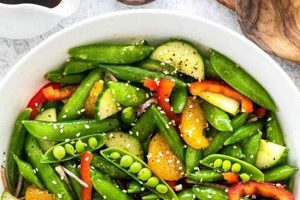
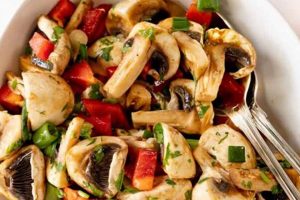
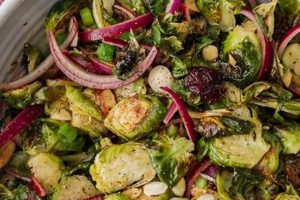
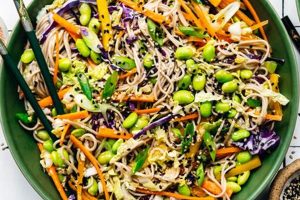
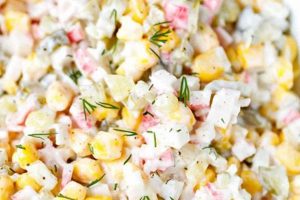
A dish featuring a dressing based on tahini, the sesame seed paste, forms the core of this culinary concept. Variations abound, incorporating diverse ingredients like leafy greens, roasted vegetables, grains, legumes, and proteins. A simple example might include chopped romaine lettuce, cucumbers, tomatoes, and chickpeas, tossed with a dressing of tahini, lemon juice, garlic, and water.
Such dishes offer nutritional value derived from sesame seeds, rich in healthy fats, protein, fiber, vitamins, and minerals. The versatility of the dressing allows for creative flavor combinations, accommodating diverse dietary needs and preferences, including vegan and gluten-free diets. While the exact origins are difficult to pinpoint, the use of sesame seeds in Middle Eastern and Mediterranean cuisines has a long history, suggesting a likely connection to these culinary traditions.
Further exploration will delve into specific formulations of these dressings, ingredient pairings, and techniques for achieving optimal flavor and texture.
Tips for Crafting Exceptional Tahini-Based Salad Dressings
Achieving a balanced and flavorful dressing is crucial for a successful salad. These tips provide guidance for creating dressings that enhance, rather than overpower, the other ingredients.
Tip 1: Start with Quality Tahini: Opt for a smooth, well-stirred tahini made from hulled sesame seeds. The flavor of the tahini significantly impacts the final result.
Tip 2: Balance Acidity: Lemon juice or vinegar provides essential brightness. Start with a small amount and adjust to taste, seeking a balance between tartness and richness.
Tip 3: Incorporate Garlic Judiciously: Freshly minced or grated garlic adds depth. Start with a small clove and adjust upward cautiously to avoid overpowering the other flavors.
Tip 4: Achieve Desired Consistency: Water thins the dressing to a pourable consistency. Add gradually, whisking constantly, until the desired texture is reached.
Tip 5: Season Carefully: Salt enhances the flavors. Start with a small amount of salt and adjust to taste, ensuring a harmonious balance.
Tip 6: Experiment with Flavor Enhancements: Fresh herbs, spices, or a touch of sweetness can add complexity. Consider incorporating ingredients like chopped parsley, cumin, or a drizzle of maple syrup.
Tip 7: Taste and Adjust: Before tossing the salad, taste the dressing and adjust seasonings as needed. This ensures a well-balanced and flavorful final product.
By following these tips, one can consistently create flavorful and well-balanced dressings that elevate any salad.
The following section will provide specific recipe examples demonstrating these principles in practice.
1. Tahini

Tahini, a paste made from ground sesame seeds, serves as the cornerstone of tahini salad recipes. Understanding its properties and variations is crucial for crafting successful dishes. The following facets illuminate the significance of tahini within this culinary context.
- Flavor Profile
Tahini contributes a distinctive nutty, earthy flavor to salad dressings. Its inherent richness provides a backdrop against which other flavors, such as acidity and spice, can shine. The flavor intensity varies depending on the level of sesame seed roasting, ranging from light and delicate to deep and robust. This allows for customization based on the desired overall flavor profile of the salad.
- Texture and Consistency
Tahini possesses a smooth, creamy texture, lending a desirable mouthfeel to salad dressings. Its viscosity, influenced by the oil content and grinding process, contributes to the emulsion’s stability. A properly emulsified tahini dressing clings evenly to salad ingredients, ensuring a cohesive and satisfying culinary experience.
- Nutritional Value
Tahini offers nutritional benefits, rich in healthy fats, protein, fiber, and various vitamins and minerals. Its inclusion in salad recipes contributes to a balanced and nutritious meal. These nutritional elements complement the vitamins and minerals present in fresh salad ingredients, creating a synergistic combination.
- Culinary Versatility
Tahini’s adaptability allows for a wide range of flavor combinations in salad dressings. It harmonizes well with acidic elements like lemon juice or vinegar, as well as various spices and herbs. This versatility allows for creative exploration and customization to complement diverse salad ingredients and personal preferences.
These facets highlight tahini’s multifaceted role, demonstrating how its flavor, texture, nutritional value, and versatility contribute to the overall success of a tahini salad recipe. A thorough understanding of these aspects empowers culinary creativity and allows for the development of delicious and balanced salads.
2. Salad
The term “salad” encompasses a broad range of dishes centered around a mixture of raw or cooked ingredients, often vegetables, but frequently incorporating fruits, grains, legumes, proteins, or other components. Within the context of a tahini salad recipe, the “salad” element provides the foundation upon which the tahini dressing builds, creating a cohesive culinary experience.
- Base Ingredients
The base ingredients of a salad significantly influence the overall flavor profile and textural experience. Leafy greens like romaine, spinach, or kale offer a refreshing crispness, while grains like quinoa or farro provide a heartier foundation. The choice of base ingredients should complement the tahini dressing, creating a balanced and harmonious flavor combination. For example, the robust flavor of kale pairs well with the nutty notes of tahini, while the delicate flavor of spinach might be overwhelmed by a strong tahini dressing.
- Complementary Components
Beyond the base, additional components contribute layers of flavor, texture, and nutritional value. These can include chopped vegetables like cucumbers, tomatoes, or bell peppers; fruits such as berries or citrus segments; legumes like chickpeas or lentils; or proteins such as grilled chicken or tofu. The selection of complementary components should enhance and balance the flavors of both the base ingredients and the tahini dressing. For instance, the bright acidity of tomatoes can balance the richness of tahini, while roasted vegetables add a depth of flavor that complements the nutty notes of the dressing.
- Textural Contrast
The interplay of textures within a salad contributes to its overall appeal. A successful tahini salad recipe often incorporates a variety of textures, from the creamy dressing to the crispness of vegetables and the potential chewiness of grains or legumes. This contrast creates a more dynamic and engaging culinary experience. The creamy texture of the tahini dressing can act as a unifying element, binding together ingredients with contrasting textures.
- Nutritional Balance
Salads, particularly those incorporating a variety of fresh produce, offer significant nutritional benefits. When paired with the healthy fats, protein, and minerals present in tahini, the nutritional profile of the dish is further enhanced. A well-composed tahini salad recipe can contribute to a balanced and nutrient-rich meal. The inclusion of ingredients like leafy greens, vegetables, and legumes alongside the tahini dressing creates a dish rich in vitamins, minerals, fiber, and healthy fats.
These facets of “salad” demonstrate its crucial role in a tahini salad recipe. The interplay of base ingredients, complementary components, textural contrasts, and nutritional value creates a dynamic and satisfying dish when combined with the unique properties of a tahini dressing. A thoughtful approach to salad composition elevates the final result from a simple mixture of ingredients to a well-balanced and flavorful culinary creation.
3. Recipe

A recipe provides a structured framework for creating a dish, outlining the necessary ingredients, their quantities, and the steps involved in their preparation. Within the context of a tahini salad recipe, the recipe serves as the blueprint for achieving a desired flavor profile and texture. A well-crafted recipe ensures consistency and reproducibility, allowing for a predictable and enjoyable culinary outcome.
- Ingredient List
A comprehensive ingredient list forms the foundation of any recipe. It specifies the precise components required, including the type of tahini (hulled or unhulled), the specific vegetables or grains to be included in the salad, and the additional ingredients for the dressing, such as lemon juice, garlic, and spices. An accurate ingredient list ensures that the final dish aligns with the intended flavor profile and nutritional composition. For example, specifying the type of oil used in the dressing (e.g., olive oil, sesame oil) impacts the final flavor.
- Proportions and Quantities
Precise measurements of ingredients dictate the balance of flavors and textures within the final dish. A tahini salad recipe specifies the ratio of tahini to other dressing ingredients, the quantity of vegetables relative to the dressing, and the overall serving size. These carefully calibrated proportions ensure a harmonious blend of flavors and a consistent texture. For instance, the ratio of tahini to lemon juice determines the balance of richness and acidity in the dressing.
- Preparation Methods and Techniques
A recipe outlines the specific steps involved in preparing the dish, including techniques such as whisking the tahini dressing to achieve a smooth emulsion, chopping vegetables to a uniform size for even distribution, and combining ingredients in a particular order. These detailed instructions ensure that the dish is prepared correctly, maximizing flavor development and achieving the desired texture. For instance, the order in which ingredients are added to the dressing can affect its emulsification.
- Variations and Adaptations
A well-written recipe often includes suggestions for variations or adaptations to cater to different dietary needs or preferences. This might involve substituting ingredients, adjusting quantities, or adding optional components. For a tahini salad recipe, this could include suggestions for using maple syrup as a sweetener, adding different herbs or spices, or substituting different types of vegetables. These options allow for customization and encourage culinary exploration.
These facets of a recipe highlight its essential role in creating a successful tahini salad. A clear and comprehensive recipe guides the preparation process, ensuring a predictable and enjoyable outcome. The combination of a detailed ingredient list, precise measurements, specific instructions, and potential variations empowers individuals to create delicious and customized tahini salads tailored to their preferences.
4. Ingredients
Ingredient selection significantly impacts the flavor profile, nutritional value, and overall success of a tahini salad recipe. The interplay of individual components creates a complex sensory experience, highlighting the importance of choosing ingredients thoughtfully. Cause and effect relationships exist between ingredient choices and the final dish. For example, using roasted red peppers contributes a smoky sweetness, while fresh mint adds a bright, cooling counterpoint. The quality of ingredients also plays a crucial role. Fresh, high-quality produce enhances flavor and provides optimal nutritional benefits.
Consider a classic tahini salad featuring romaine lettuce, cucumbers, tomatoes, and chickpeas. The romaine provides a crisp base, while the cucumbers offer a refreshing coolness. Tomatoes contribute acidity and sweetness, balanced by the earthy notes of chickpeas. The tahini dressing, typically comprised of tahini, lemon juice, garlic, and water, binds these elements together. Substituting kale for romaine introduces a more robust, slightly bitter flavor, altering the overall profile. Similarly, swapping roasted sweet potatoes for chickpeas adds a caramelized sweetness and a different textural element. These examples demonstrate the direct impact of ingredient choices on the final product.
Understanding these connections empowers informed culinary decision-making. Selecting ingredients based on their individual characteristics and their interplay within the recipe allows for a more nuanced and intentional approach to creating tahini salads. Challenges can arise when substituting ingredients without considering their impact on the overall balance of flavors and textures. However, with careful consideration and experimentation, ingredient selection becomes a powerful tool for crafting delicious and balanced tahini salad recipes.
5. Preparation

Preparation methods significantly influence the final outcome of a tahini salad recipe. Proper techniques ensure optimal flavor development, desirable textures, and efficient assembly. From emulsifying the dressing to preparing individual salad components, each step contributes to the overall success of the dish. A systematic approach to preparation streamlines the process and enhances the final culinary experience.
- Dressing Emulsification
Creating a stable emulsion is crucial for a well-balanced tahini dressing. Whisking tahini with lemon juice, garlic, and water in the correct order and manner ensures a smooth, creamy texture that clings evenly to the salad ingredients. Failure to emulsify properly can result in a separated and oily dressing that compromises both flavor and texture. The order of ingredient addition often impacts emulsification; for instance, adding lemon juice slowly while whisking continuously helps create a stable emulsion.
- Ingredient Preparation
Proper preparation of individual salad components maximizes flavor and enhances presentation. Washing and drying leafy greens thoroughly removes any grit and ensures a crisp texture. Chopping vegetables uniformly promotes even distribution of flavors and creates a visually appealing salad. Techniques such as roasting or grilling certain vegetables, like bell peppers or sweet potatoes, can add depth of flavor and textural complexity to the final dish. Neglecting proper ingredient preparation can lead to unevenly cooked vegetables, wilted greens, or a less appealing presentation.
- Order of Assembly
The order in which ingredients are combined impacts the final texture and flavor of the salad. Delicate greens should be tossed with the dressing just before serving to prevent them from wilting. Heartier components, like grains or roasted vegetables, can be added earlier. Consideration of ingredient density and fragility ensures that the salad maintains its structural integrity and prevents delicate components from becoming soggy or damaged. Improper assembly can lead to a less appealing presentation and compromised textures.
- Timing and Temperature
Timing and temperature considerations play a critical role in preserving flavor and texture. Preparing ingredients close to serving time ensures optimal freshness and prevents oxidation. Chilling certain components, like dressings or cooked vegetables, can enhance flavors and create desirable temperature contrasts within the salad. Serving a tahini salad at room temperature allows the flavors of the tahini dressing to fully develop and prevents the chilling of other ingredients, particularly tomatoes, which can mute their flavor.
These facets of preparation demonstrate their collective impact on the final quality of a tahini salad recipe. Attention to detail in each step, from emulsification to timing, contributes to a more flavorful, visually appealing, and texturally satisfying culinary creation. Mastery of these techniques elevates the simple act of salad preparation to a culinary art form, ensuring a consistently delicious and enjoyable dining experience.
6. Flavor
Flavor represents a critical dimension of a tahini salad recipe, encompassing the complex interplay of tastes, aromas, and sensations experienced when consuming the dish. It’s a multifaceted attribute determined by the inherent qualities of individual ingredients, their interactions within the recipe, and the preparation methods employed. Cause-and-effect relationships play a significant role; the choice of specific ingredients directly impacts the resulting flavor profile. For example, incorporating roasted garlic into the tahini dressing yields a mellow sweetness and depth, while fresh garlic delivers a more pungent bite. Similarly, the addition of spices like cumin or paprika introduces earthy or smoky notes, respectively. Understanding these relationships allows for deliberate flavor manipulation, tailoring the final product to specific preferences.
The importance of flavor as a core component of a tahini salad recipe cannot be overstated. It dictates palatability and enjoyment, influencing overall satisfaction. A well-balanced flavor profile, incorporating elements of sweetness, acidity, bitterness, saltiness, and umami, creates a harmonious and engaging sensory experience. Consider a salad featuring roasted beets, crumbled feta cheese, toasted walnuts, and a lemon-tahini dressing. The earthy sweetness of the beets, the salty tang of the feta, the nutty richness of the walnuts, and the bright acidity of the dressing combine to create a complex and satisfying flavor profile. Altering any single element, such as substituting goat cheese for feta or omitting the walnuts, would undeniably shift the overall flavor experience.
Practical application of this understanding translates to informed ingredient selection, precise recipe development, and careful execution of preparation techniques. Challenges may arise when attempting to balance contrasting flavors or accommodate dietary restrictions, necessitating creative ingredient substitutions and flavor adjustments. Recognizing the dynamic relationship between ingredients and flavor empowers culinary experimentation, leading to innovative and delicious tahini salad creations. Ultimately, a deep appreciation for the role of flavor elevates the tahini salad from a simple dish to a nuanced culinary expression.
Frequently Asked Questions
This section addresses common inquiries regarding formulations utilizing tahini in salad preparations.
Question 1: Can alternative acidic ingredients be used in place of lemon juice in tahini dressings?
Yes, ingredients such as lime juice, rice vinegar, or apple cider vinegar offer suitable alternatives. Flavor profiles will vary accordingly.
Question 2: What methods can be employed to prevent separation of a tahini dressing?
Thorough whisking and gradual incorporation of liquids during preparation promote emulsification and stability. If separation occurs, re-whisking vigorously typically restores the emulsion. Adding a small amount of hot water can also aid in re-emulsification.
Question 3: How should leftover tahini dressing be stored?
Refrigeration in an airtight container is recommended. Prior to use, allow the dressing to come to room temperature and re-whisk to ensure optimal consistency.
Question 4: Are there gluten-free options for tahini salad recipes?
Tahini itself is naturally gluten-free. Ensure all other incorporated ingredients, such as grains or prepared condiments, also adhere to gluten-free standards.
Question 5: Can tahini dressings be used with salads beyond leafy greens?
Absolutely. Tahini dressings complement grain-based salads, roasted vegetable salads, and salads featuring legumes or proteins effectively.
Question 6: How can one adjust the thickness of a tahini dressing?
Adding water, a teaspoon at a time, while whisking continuously, thins the dressing. For a thicker consistency, incorporate additional tahini.
Careful consideration of these points allows for successful preparation and enjoyment. Experimentation with various ingredients and techniques further expands possibilities within this versatile culinary framework.
The following section will offer a curated selection of recipe variations.
Tahini Salad Recipe
Exploration of the multifaceted nature of tahini salad recipes reveals a dynamic interplay of ingredients, techniques, and flavors. From the foundational role of tahini in the dressing to the careful selection of complementary salad components, each element contributes to the final culinary outcome. Emphasis on ingredient quality, precise preparation methods, and a thorough understanding of flavor profiles empowers the creation of balanced and satisfying dishes. The adaptability of tahini dressings extends beyond leafy greens, encompassing a diverse range of salad variations incorporating grains, roasted vegetables, legumes, and proteins.
Culinary exploration within this framework offers a pathway to both nutritional and sensory enrichment. Continued experimentation with ingredients, flavors, and textures promises further evolution and refinement of tahini salad recipes, solidifying their position as a versatile and enriching component of a diverse and health-conscious culinary landscape.