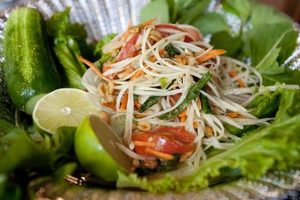
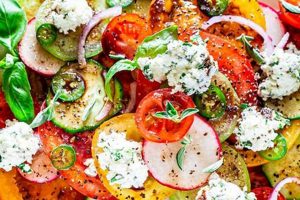
Warm-weather meals often call for refreshing and light dishes. Chilled noodle-based salads featuring seasonal vegetables, herbs, and a flavorful dressing perfectly fit this need. These dishes can incorporate a wide array of ingredients, from vibrant vegetables like bell peppers and cucumbers to proteins such as grilled chicken or shrimp. A variety of noodles, including soba, rice noodles, and even pasta, provide a versatile base. A simple vinaigrette or a more complex peanut sauce can tie the ingredients together.
These types of dishes offer numerous advantages. They are typically quick and easy to prepare, making them ideal for weeknight dinners or casual gatherings. Their adaptability allows for endless variations to suit diverse palates and dietary restrictions. Additionally, the use of fresh, seasonal produce maximizes flavor and nutritional value. Historically, chilled noodle dishes have appeared in various cuisines across the globe, reflecting regional ingredients and culinary traditions. From Asian-inspired peanut noodles to Mediterranean pasta salads, the concept of a cold noodle-based dish offers a universally appealing approach to summer dining.
This exploration will delve into specific components of crafting successful cold noodle salads. Topics covered will include noodle selection, ingredient pairings, dressing variations, and techniques for optimal preparation and storage.
Tips for Creating Exceptional Cold Noodle Salads
Achieving a well-balanced and flavorful cold noodle salad requires attention to several key elements. The following tips offer guidance for crafting dishes that are both delicious and visually appealing.
Tip 1: Noodle Selection: Noodle choice significantly impacts the final dish. Consider the desired texture and flavor profile. Soba noodles offer a nutty flavor, while rice noodles provide a light and neutral base. Standard pasta can also be utilized, adding a heartier element.
Tip 2: Blanching Noodles: Properly cooked noodles are crucial. Cook according to package directions, then rinse under cold water to stop the cooking process and maintain a desirable texture. This chilling also prevents the noodles from sticking together.
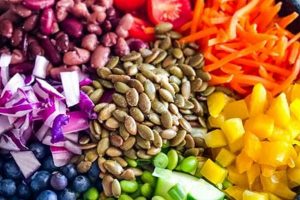
Tip 3: Vegetable Variety: Incorporate a variety of colorful vegetables for visual appeal and nutritional balance. Crisp vegetables such as bell peppers, carrots, and cucumbers offer textural contrast.
Tip 4: Protein Power: Adding a protein source elevates the dish into a complete meal. Grilled chicken, shrimp, tofu, or edamame are excellent choices.
Tip 5: Flavorful Dressings: The dressing ties the salad together. A simple vinaigrette, a vibrant peanut sauce, or a sesame-ginger dressing can complement the chosen ingredients.
Tip 6: Herb Integration: Fresh herbs add brightness and depth of flavor. Cilantro, mint, basil, and chives are popular choices. Add herbs just before serving to maximize their aroma and prevent wilting.
Tip 7: Proper Storage: Store leftover salad components separately to maintain optimal texture. Combine just before serving to prevent the noodles from absorbing too much dressing.
By following these guidelines, one can create cold noodle salads that are not only satisfying and refreshing but also showcase a harmonious balance of flavors and textures.
These tips provide a foundation for exploring the diverse world of cold noodle salads. The following section will offer specific recipe ideas to inspire culinary creativity.
1. Refreshing Ingredients

The cornerstone of a successful summer noodle salad lies in the strategic selection of refreshing ingredients. These components not only contribute to the overall flavor profile but also enhance the light and revitalizing character essential for warm-weather dining. An exploration of key refreshing ingredients reveals their individual contributions and collective impact on these dishes.
- Seasonal Produce
Prioritizing seasonal fruits and vegetables ensures optimal flavor and nutritional value. Summer harvests offer an abundance of vibrant produce, such as ripe tomatoes, crisp cucumbers, and sweet corn. Incorporating these ingredients introduces a natural sweetness and textural diversity, enhancing the refreshing quality of the salad. Locally sourced produce further intensifies these characteristics.
- Fresh Herbs
The aromatic properties of fresh herbs elevate the sensory experience of summer noodle salads. Mint, cilantro, basil, and chives impart distinct flavors and aromas, complementing the other ingredients and adding a layer of complexity. Their bright, verdant hues also contribute to the visual appeal of the dish.
- Zesty Citrus
Citrus fruits, including lemons, limes, and oranges, introduce a tangy brightness that balances the richness of other components. Their acidic nature also acts as a natural preservative, maintaining the freshness of the salad. Citrus zest can be incorporated into dressings or used as a garnish, further intensifying the citrusy notes.
- Light Proteins
While optional, the inclusion of light proteins enhances the nutritional value and satiety of the salad. Grilled shrimp, shredded chicken, or firm tofu provide a textural contrast and contribute to a more balanced meal. These protein choices align with the overall light and refreshing theme, avoiding heavier options that might feel overly rich in warmer temperatures.
The interplay of these refreshing ingredients creates a symphony of flavors and textures that define the quintessential summer noodle salad. Their combined effect delivers a dish that is not only satisfying and nutritious but also perfectly suited to warm-weather enjoyment. By thoughtfully selecting and combining these components, one can craft a culinary experience that is both invigorating and delicious.
2. Varied Noodles

Noodle selection significantly influences the overall character of a summer noodle salad. The choice of noodle impacts not only the texture and flavor profile but also how the dish interacts with the dressing and other ingredients. Exploring the diverse range of noodle options available reveals their unique contributions to these refreshing summer meals.
- Traditional Asian Noodles
Noodles such as soba, rice noodles, and udon offer a range of textures and flavor profiles. Soba, made from buckwheat, imparts a slightly nutty taste and a firm texture. Rice noodles, delicate and neutral in flavor, readily absorb dressings. Udon, thick wheat noodles, provide a chewy texture and a mild flavor, suitable for richer sauces. These noodles align well with Asian-inspired dressings and ingredients.
- Pasta Variations
While not traditionally associated with Asian cuisine, various pasta shapes can be successfully incorporated into summer noodle salads. Small shapes like orzo and rotini hold dressings well, while longer strands like spaghetti and linguine offer a different textural experience. The neutral flavor of pasta allows it to pair with a wide range of dressings and ingredients, offering versatility.
- Gluten-Free Options
Individuals with dietary restrictions can still enjoy summer noodle salads through gluten-free alternatives. Rice noodles, kelp noodles, and gluten-free pasta provide options that maintain the refreshing nature of the dish without compromising dietary needs. These noodles offer varied textures and readily absorb flavors from dressings and other components.
- Noodle Shape and Size
The shape and size of the noodle contribute to the overall textural experience. Thin noodles offer a delicate feel, while thicker noodles provide a more substantial bite. Long noodles can be twirled around utensils, while shorter, curled noodles capture dressing effectively. The choice of shape and size should complement the other ingredients and the desired presentation.
Careful consideration of noodle selection enhances the balance of flavors and textures within a summer noodle salad. By understanding the unique characteristics of each noodle type, one can create a dish that is not only refreshing and flavorful but also visually appealing and satisfying. The interplay between the chosen noodle and the other components, such as the dressing and vegetables, ultimately determines the success of the dish.
3. Flavorful Dressings

Flavorful dressings are integral to successful summer noodle salads, acting as the unifying element that binds the diverse components and elevates the dish beyond a simple assembly of ingredients. The dressing’s role extends beyond mere flavor enhancement; it contributes to the overall texture, moisture, and visual appeal of the salad. A well-crafted dressing complements the chosen noodles, vegetables, and proteins, creating a harmonious balance of tastes and sensations.
The impact of the dressing is demonstrable through specific examples. A light and tangy vinaigrette, composed of olive oil, lemon juice, and herbs, enhances the freshness of a salad featuring delicate rice noodles and seasonal vegetables. Conversely, a richer peanut-based dressing, made with peanut butter, soy sauce, lime juice, and ginger, complements heartier soba noodles and grilled chicken or tofu. These examples illustrate how dressing choice directly influences the final character of the dish.
Understanding the interplay between dressing and other salad components is crucial. The dressing’s viscosity affects how it coats the noodles and vegetables, impacting both flavor distribution and overall texture. A thin vinaigrette lightly coats the ingredients, allowing their individual flavors to shine, while a thicker dressing clings more readily, providing a more robust flavor experience. The dressing’s acidity also plays a role, balancing the flavors and preventing the salad from becoming bland. Overly acidic dressings can overwhelm delicate ingredients, while insufficient acidity can result in a flat, unappealing taste.
Several challenges can arise when creating dressings for summer noodle salads. Achieving the correct balance of flavors is essential, ensuring that no single ingredient dominates. Emulsification, critical for the stability and texture of many dressings, requires careful technique. Furthermore, the dressing should complement the other salad components without masking their individual flavors. Successfully navigating these challenges results in a dressing that enhances the overall dining experience.
4. Vibrant Vegetables

The incorporation of vibrant vegetables is paramount in crafting exceptional summer noodle salads. These elements contribute significantly beyond mere visual appeal, influencing texture, flavor, and nutritional value. The selection and preparation of vegetables directly impact the overall sensory experience and health benefits of the dish.
Summer’s bounty offers a diverse array of colorful vegetables ideally suited for these salads. Crisp cucumbers and bell peppers provide refreshing crunch, while juicy tomatoes offer a burst of sweetness and acidity. Nutrient-rich options like spinach and kale add depth of flavor and enhance the nutritional profile. Blanched or roasted vegetables, such as broccoli or carrots, introduce nuanced flavors and textures. Consider the interplay of raw and cooked vegetables to maximize both flavor and textural complexity. For example, a combination of raw shredded carrots, blanched edamame, and roasted sweet potatoes offers a dynamic interplay of textures and flavors.
Strategic vegetable selection elevates the culinary experience. Combining vegetables with complementary flavors and textures enhances the overall balance of the salad. Consider the impact of contrasting colors and shapes to create visual interest. Furthermore, proper preparation techniques, such as slicing vegetables uniformly for even cooking and marinating certain vegetables to enhance flavor absorption, are crucial for optimizing the final result. Addressing potential challenges, such as preventing discoloration of certain vegetables or maintaining their crispness, ensures the salad remains fresh and appealing. Understanding the interplay of these factors allows for the creation of truly exceptional summer noodle salads, where vibrant vegetables contribute not only to visual appeal but also to a complex and satisfying culinary experience.
5. Optional Protein
While not strictly necessary, the addition of protein significantly enhances summer noodle salads, transforming them from a light side dish into a more complete and satisfying meal. Protein contributes not only to nutritional value but also to textural complexity and flavor depth. The choice of protein should complement the other ingredients and the overall flavor profile of the salad.
Several protein options seamlessly integrate into summer noodle salads. Grilled chicken or shrimp offer lean protein and pair well with lighter, citrus-based dressings. Tofu, a versatile plant-based protein, readily absorbs flavors and complements Asian-inspired dressings. Other options, such as cooked salmon flakes, hard-boiled eggs, or edamame, provide additional nutritional benefits and textural variety. For instance, a sesame ginger dressing with soba noodles and shredded carrots benefits from the addition of grilled chicken or pan-fried tofu, enhancing both its nutritional value and flavor profile. Similarly, a Mediterranean-inspired orzo pasta salad with feta and olives can be elevated with the addition of flaked grilled salmon or chickpeas.
Selecting the appropriate protein requires consideration of the overall flavor profile and desired nutritional balance. Leaner proteins like chicken and fish complement lighter dressings and vegetable-forward salads, while denser proteins like tofu or beans pair well with richer sauces and heartier noodles. The protein’s preparation method also influences the final dish. Grilled or pan-fried proteins offer a smoky char, while poached or steamed options provide a cleaner, more delicate flavor. Understanding the interplay between protein choice, preparation method, and other salad components ensures a harmonious and satisfying culinary experience. Careful protein selection elevates the summer noodle salad from a simple side to a complete and flavorful main course.
Frequently Asked Questions
This section addresses common inquiries regarding the preparation and enjoyment of summer noodle salads, offering practical guidance for achieving optimal results.
Question 1: How can one prevent noodles from becoming soggy in a summer noodle salad?
Rinsing cooked noodles under cold water immediately after cooking stops the cooking process and removes excess starch, which can contribute to sogginess. Storing the noodles separately from the dressing and other ingredients until just before serving further helps maintain their desired texture.
Question 2: What are suitable dressing alternatives for individuals with peanut allergies?
Alternatives to peanut-based dressings include sesame-ginger dressings, tahini-based dressings, or simple vinaigrettes made with olive oil, citrus juice, and herbs. These options offer diverse flavor profiles without compromising those with peanut allergies.
Question 3: How long can a summer noodle salad be stored in the refrigerator?
When stored properly in airtight containers with the noodles and dressing kept separate, most summer noodle salads can be refrigerated for up to three days. However, the quality and texture may begin to decline after the first day. It’s best to combine all ingredients just before serving.
Question 4: Can frozen vegetables be used in summer noodle salads?
While fresh vegetables are generally preferred for optimal flavor and texture, frozen vegetables can be used in a pinch. Thaw and thoroughly drain them before adding to the salad to prevent excess moisture. Choose frozen vegetables that hold their shape well after thawing, such as peas, corn, or chopped carrots.
Question 5: How can one adapt summer noodle salad recipes for different dietary needs, such as vegan or gluten-free?
Adapting recipes is straightforward. For vegan diets, ensure all ingredients, including dressings, are plant-based. Use tofu or tempeh as protein sources and agave or maple syrup in place of honey. For gluten-free diets, select gluten-free noodles and check ingredient labels for hidden gluten.
Question 6: What are some techniques for enhancing the visual appeal of a summer noodle salad?
Enhance visual appeal through a variety of colorful vegetables and garnishes. Use a variety of cutting techniques, such as julienning, dicing, and slicing, to create textural and visual interest. Garnishing with toasted nuts, sesame seeds, or fresh herbs adds a final touch of elegance.
Understanding these common points of inquiry provides a strong foundation for successful summer noodle salad preparation, allowing for greater flexibility and confidence in crafting delicious and visually appealing dishes.
The subsequent sections will explore specific summer noodle salad recipes, showcasing the practical application of these principles.
Conclusion
Exploration of summer noodle salad recipes reveals the versatility and adaptability of this culinary concept. Emphasis on fresh, seasonal ingredients, diverse noodle selections, and flavorful dressings underscores the potential for creating dishes that are both nutritious and satisfying. Proper techniques for noodle preparation, vegetable incorporation, and protein selection contribute to optimal texture and flavor balance. Addressing common challenges, such as preventing noodle sogginess and adapting recipes for dietary restrictions, further expands the accessibility and appeal of these dishes.
Summer noodle salads offer a refreshing and adaptable approach to warm-weather dining. The potential for customization, combined with the inherent nutritional value and ease of preparation, positions these dishes as a valuable addition to any culinary repertoire. Continued exploration of flavor combinations and ingredient pairings promises further culinary innovation within this vibrant and evolving category.