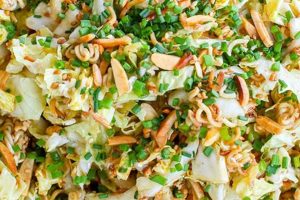
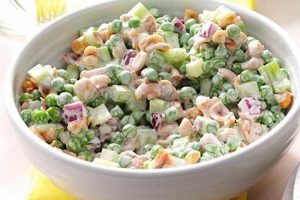
This dish typically combines cooked ramen noodles (often discarding the flavor packet), shredded cabbage, and other vegetables like carrots, bell peppers, and edamame. A flavorful dressing, often made with soy sauce, sesame oil, rice vinegar, and ginger, binds the ingredients together. Variations may include proteins such as grilled chicken, shrimp, or tofu, as well as additional toppings like toasted sesame seeds, chopped peanuts, or cilantro.
The appeal lies in its affordability, ease of preparation, and adaptability. Utilizing readily available and budget-friendly ingredients, it presents a convenient meal option. Its customizable nature allows for diverse flavor profiles and ingredient combinations, catering to individual preferences and dietary needs. Furthermore, it can be served chilled, making it a refreshing choice for warmer weather. Historically, similar noodle salads are prevalent throughout Asian cuisine, highlighting the versatility and enduring popularity of this culinary concept.
Discussions regarding this culinary creation frequently cover ingredient selection, dressing variations, protein additions, and optimal preparation techniques. Further exploration of these aspects will provide a deeper understanding of the dish’s potential.
Tips for a Superior Ramen Noodle Salad
Optimizing ingredient preparation and flavor combinations elevates this simple dish. Attention to detail ensures a satisfying culinary experience.
Tip 1: Noodle Preparation: Cook ramen noodles according to package directions, then rinse under cold water to stop the cooking process and achieve a desirable texture. Avoid overcooking, which can result in mushy noodles.
Tip 2: Cabbage Selection: While any variety works, Napa cabbage offers a delicate sweetness and tender texture. Consider a mix of green and red cabbage for visual appeal and varied flavor.
Tip 3: Vegetable Variety: Enhance flavor and nutritional value by incorporating a range of vegetables. Shredded carrots, julienned bell peppers, sliced cucumbers, and edamame are excellent additions.
Tip 4: Dressing Customization: The dressing is key to flavor. Experiment with different combinations of soy sauce, rice vinegar, sesame oil, ginger, garlic, and chili paste. A touch of sweetness from honey or maple syrup can balance the savory notes.
Tip 5: Protein Enhancement: Grilled chicken, shrimp, or tofu complement the salad, adding substance and protein. Ensure proteins are cooked thoroughly and cooled before adding.
Tip 6: Textural Contrast: Toasted sesame seeds, chopped peanuts, or crispy fried onions provide a delightful crunch, enhancing the overall sensory experience.
Tip 7: Chilling for Optimal Flavor: Allow the salad to chill in the refrigerator for at least 30 minutes before serving. This allows the flavors to meld and enhances the refreshing quality of the dish.
By focusing on these details, one can transform simple ingredients into a vibrant and flavorful salad. Attention to preparation methods, ingredient selection, and flavor balancing contributes significantly to the overall enjoyment of the dish.
These tips provide a foundation for creating a delicious and personalized culinary experience. Further exploration into specific variations and advanced techniques can broaden one’s understanding and appreciation of this adaptable dish.
1. Fresh, Crisp Cabbage

Fresh, crisp cabbage provides a crucial textural foundation for a successful cabbage ramen noodle salad recipe. Its structural integrity contributes significantly to the overall enjoyment of the dish, offering a refreshing counterpoint to the softness of the noodles and other ingredients. Without this element, the salad can become overly soft and less appealing. For instance, using limp or wilted cabbage results in a less satisfying textural experience, potentially diminishing the overall culinary appeal.
The choice of cabbage variety further influences the final outcome. Napa cabbage, with its delicate leaves, lends a subtle sweetness and a tender yet crisp bite. Regular green cabbage provides a more robust crunch and a slightly more pronounced vegetal flavor. A combination of varieties can create a more complex and appealing textural profile. Utilizing pre-shredded cabbage, while convenient, often compromises crispness. Shredding fresh cabbage just before preparing the salad maximizes its textural contribution.
Maintaining cabbage crispness requires proper handling and storage. Refrigerating the cabbage keeps it fresh and prevents wilting. Adding the cabbage to the salad close to serving time further preserves its desirable texture. Understanding the importance of fresh, crisp cabbage, and employing appropriate techniques to ensure its quality, directly impacts the ultimate success of the cabbage ramen noodle salad recipe. This attention to a seemingly simple ingredient elevates the dish from satisfactory to exceptional.
2. Properly Cooked Noodles

Properly cooked noodles form the foundation of a successful cabbage ramen noodle salad. Noodle texture significantly impacts the overall dish’s palatability. Overcooked noodles become mushy, creating an unpleasant texture that detracts from the salad’s freshness and crunch. Undercooked noodles, conversely, present a tough, chewy consistency, disrupting the balance of textures. The desired outcome is a noodle that is tender yet firm, offering a pleasant contrast to the crisp vegetables and crunchy additions. This balance elevates the sensory experience, making the salad more enjoyable.
Achieving perfectly cooked noodles requires attention to cooking time and proper handling. Following package instructions provides a starting point, but adjustments may be necessary depending on desired firmness. Rinsing the cooked noodles under cold water immediately after draining stops the cooking process and removes excess starch, preventing them from sticking together and becoming gummy. This step is crucial for maintaining the desired texture and ensuring the noodles remain separate and distinct within the salad. For example, if preparing a salad with a lighter, vinaigrette-style dressing, slightly firmer noodles hold their shape better and prevent the salad from becoming overly soggy. Conversely, a creamier dressing might benefit from slightly softer noodles that absorb some of the sauce.
The interplay between properly cooked noodles and other salad components is essential. The noodles act as a canvas for the flavors of the dressing and other ingredients. Their texture interacts with the crispness of the cabbage and any added vegetables, creating a harmonious blend of textures. Overly soft noodles absorb too much dressing, leading to a soggy salad. Overly firm noodles create an imbalance, detracting from the overall eating experience. Mastery of noodle preparation ensures the foundation of the salad contributes positively to the final result, enhancing the interplay of flavors and textures. This attention to detail distinguishes a well-executed cabbage ramen noodle salad from a mediocre one.
3. Flavorful Dressing

Flavorful dressing is paramount in a cabbage ramen noodle salad recipe, serving as the unifying element that binds the individual components into a cohesive and delicious whole. The dressing not only adds flavor but also contributes to the overall texture and moisture content of the salad, impacting the final culinary experience significantly. A well-crafted dressing elevates the dish beyond a simple combination of ingredients, transforming it into a vibrant and satisfying meal.
- Balancing Flavor Profiles
A successful dressing balances the potentially contrasting flavors within the salad. The savory notes of soy sauce or tamari harmonize with the sweetness of rice vinegar or mirin. The addition of ginger or garlic introduces pungent complexity, while a touch of chili paste adds a spicy kick. For example, a dressing with a dominant sweet and sour profile might complement a salad featuring shredded carrots and bell peppers. A more savory, umami-rich dressing might pair better with the addition of protein like grilled chicken or tofu. Careful consideration of these flavor interactions ensures a well-balanced and harmonious final product.
- Texture and Consistency
The dressing’s texture and consistency play a crucial role in the overall enjoyment of the salad. A thin, watery dressing might not adequately coat the ingredients, resulting in a bland and less satisfying experience. A thicker, more viscous dressing, achieved through the addition of ingredients like tahini or peanut butter, clings to the noodles and vegetables, ensuring each bite is infused with flavor. The consistency also influences how the salad holds up over time. A thicker dressing prevents the salad from becoming watery, maintaining its structural integrity and appeal, even after refrigeration. For example, including a small amount of toasted sesame oil adds richness and a light coating that enhances the mouthfeel of the salad.
- Acidity and Brightness
Acidity is a key element in a flavorful dressing, providing brightness and cutting through the richness of the noodles and other ingredients. Rice vinegar, lime juice, or lemon juice introduce a refreshing tang that balances the savory and sweet elements. This acidity also helps to preserve the freshness of the salad, preventing it from becoming dull or heavy. The level of acidity should be carefully calibrated to complement the other flavors without overpowering them. For instance, a dressing with a strong citrus element might pair well with seafood or tofu, while a milder vinegar-based dressing might complement a chicken or vegetable-based salad.
- Complementary Ingredients
Beyond the core components of a dressing, complementary ingredients can further enhance its flavor and complexity. Toasted sesame seeds, chopped peanuts, or crispy fried onions add textural contrast and nutty notes. Fresh herbs like cilantro, mint, or basil introduce aromatic freshness. A touch of honey or maple syrup can subtly enhance sweetness and balance the savory and acidic elements. These additions elevate the dressing beyond a simple sauce, transforming it into a multi-dimensional flavor experience that complements the other salad components. For example, a dressing featuring toasted sesame seeds and a hint of honey might perfectly complement a salad with grilled chicken and shredded carrots, adding depth and complexity to each bite.
These facets of dressing preparation contribute significantly to the overall success of a cabbage ramen noodle salad recipe. A well-balanced, flavorful dressing elevates the dish from a simple combination of ingredients to a complex and satisfying culinary experience. By considering the interplay of flavors, textures, and complementary ingredients, one can create a dressing that perfectly complements the other salad components, resulting in a harmonious and delicious final product. This careful attention to the dressing transforms the salad from a simple side dish into a star attraction.
4. Crunchy Additions

Crunchy additions play a vital role in enhancing the textural complexity of cabbage ramen noodle salad. These elements introduce a contrasting element to the softer textures of noodles and cabbage, contributing significantly to the overall sensory experience. Without these contrasting textures, the salad risks becoming monotonous and less satisfying. The strategic incorporation of crunchy additions elevates the dish, transforming it from a simple salad into a more dynamic and enjoyable culinary experience.
- Nuts and Seeds
Toasted nuts and seeds, such as sesame seeds, peanuts, cashews, or almonds, offer a satisfying crunch and nutty flavor that complements the other salad components. Toasted sesame seeds contribute a subtle nuttiness and delicate crunch, while chopped peanuts provide a more robust flavor and coarser texture. These additions not only enhance the textural profile but also introduce additional nutrients and healthy fats.
- Fried Onions or Noodles
Crispy fried onions or noodles provide a contrasting textural element and a savory depth. The crispness of these additions offers a satisfying counterpoint to the softer ingredients, while their savory flavor enhances the overall taste profile of the salad. The intensity of their flavor and texture can be adjusted based on the overall flavor profile desired.
- Raw Vegetables
Incorporating raw vegetables like shredded carrots, chopped celery, or sliced water chestnuts introduces a refreshing crunch and enhances the nutritional value of the salad. These additions offer a lighter, more vegetal crunch compared to nuts or fried elements. Their inherent moisture content also contributes to the overall freshness of the salad.
- Edamame
Shelled edamame offers a unique vegetal crunch and a boost of protein. Steamed or roasted edamame can be added to the salad, providing a pleasant textural contrast and a subtle nutty flavor. Their vibrant green color also enhances the visual appeal of the dish.
The interplay of textures created by incorporating crunchy additions elevates the cabbage ramen noodle salad. These contrasting elements create a more dynamic and satisfying sensory experience, preventing the salad from becoming texturally one-dimensional. The careful selection and incorporation of crunchy additions contribute significantly to the overall enjoyment and culinary success of the dish, demonstrating an attention to detail that transforms a simple salad into a more complex and rewarding culinary creation.
5. Protein Choices (Optional)
While not strictly necessary, the addition of protein transforms a cabbage ramen noodle salad from a light side dish into a more substantial and complete meal. Protein enriches the nutritional profile, contributing to satiety and providing sustained energy. Careful selection of protein complements the other salad components, enhancing the overall flavor and textural experience. Understanding the various protein options and their impact on the final product allows for informed choices that cater to individual dietary needs and preferences.
- Poultry
Cooked chicken or turkey breast, shredded or diced, provides a lean protein source that readily absorbs the flavors of the dressing. Grilled or roasted poultry adds a subtle smoky char, further enhancing the flavor profile. The neutral flavor of poultry allows it to seamlessly integrate with various dressing styles and other salad ingredients.
- Seafood
Shrimp, flaked fish, or imitation crab offer a lighter protein option with a delicate flavor that complements Asian-inspired dressings. These options introduce a unique textural dimension and pair well with ingredients like edamame, shredded carrots, and sesame seeds. Seafood contributes to a refreshing and lighter overall salad experience.
- Tofu
Cubed or crumbled tofu, either pan-fried or baked, provides a plant-based protein option. Marinating the tofu prior to cooking allows it to absorb flavors, ensuring it complements the overall flavor profile. Tofus versatility makes it adaptable to various flavor combinations and dressings.
- Other Plant-Based Proteins
Beyond tofu, other plant-based protein options like chickpeas, lentils, or edamame further enhance the nutritional value and add textural complexity. Roasted chickpeas offer a crunchy element, while lentils contribute a hearty texture. These options cater to vegan and vegetarian diets while offering diverse flavor profiles.
The considered inclusion of protein elevates the cabbage ramen noodle salad beyond a simple side dish, transforming it into a satisfying and nutritionally balanced meal. The choice of protein influences not only the nutritional value but also the overall flavor and textural experience. By understanding the various protein options and their impact on the final product, individuals can tailor the salad to their specific preferences and dietary needs, showcasing the adaptability and versatility of this simple yet satisfying dish.
6. Balanced Seasonings

Balanced seasonings are essential for a successful cabbage ramen noodle salad recipe. They elevate the dish beyond a simple combination of ingredients, creating a harmonious and complex flavor profile. Seasoning is not merely about adding salt; it involves a nuanced understanding of how different flavors interact and complement each other. Proper seasoning enhances the inherent flavors of the ingredients, creating a more satisfying and enjoyable culinary experience.
- Salt
Salt enhances the flavors of other ingredients and balances sweetness and acidity. However, excessive salt can overpower the delicate flavors of the vegetables and dressing. Using high-quality sea salt or kosher salt allows for more controlled seasoning and a cleaner flavor profile. The amount of salt needed varies depending on the other ingredients and the desired level of saltiness. For example, a dressing with a high concentration of soy sauce may require less added salt.
- Acidity
Acidity, often from rice vinegar, lime juice, or lemon juice, brightens the salad and balances richness. It provides a refreshing counterpoint to the savory and sweet elements, preventing the salad from becoming heavy or cloying. The level of acidity should be carefully adjusted to complement the other flavors without overpowering them. For instance, a salad with a creamy dressing might benefit from a higher level of acidity to cut through the richness.
- Spice
Spice, from ingredients like chili flakes, sriracha, or ginger, adds warmth and complexity. The level of spice should be carefully considered based on personal preference and the overall flavor profile of the salad. A touch of spice can enhance the other flavors without dominating the dish. For example, a salad with a peanut-based dressing might benefit from a hint of chili garlic sauce for an added layer of complexity.
- Sweetness
A touch of sweetness, often from a small amount of sugar, honey, or maple syrup, balances the savory and acidic elements in the salad. Sweetness rounds out the flavor profile and adds depth. However, excessive sweetness can make the salad cloying. The level of sweetness should be carefully calibrated to complement the other flavors without overpowering them. For instance, a salad with a strong vinegar-based dressing might benefit from a touch of sweetness to balance the acidity.
The interplay of these elements creates a balanced and harmonious flavor profile in a cabbage ramen noodle salad. Careful attention to seasoning ensures that each ingredient contributes positively to the overall taste experience. A well-seasoned salad elevates the individual flavors of the components while creating a cohesive and satisfying dish. This attention to detail distinguishes a truly exceptional salad from a merely adequate one, demonstrating a culinary understanding that transcends simply combining ingredients.
7. Adequate Chilling Time

Adequate chilling time is crucial for maximizing the flavor and textural appeal of a cabbage ramen noodle salad recipe. Chilling allows the flavors of the dressing to meld with the other ingredients, creating a more cohesive and harmonious taste experience. The cool temperature also enhances the crispness of the vegetables, contributing to a more refreshing and satisfying textural contrast. Without sufficient chilling time, the flavors remain disparate, and the vegetables may become limp, compromising the overall quality of the salad. For instance, a freshly made salad might taste predominantly of the individual componentsthe tang of the vinegar, the saltiness of the soy sauce, the blandness of the noodles. After adequate chilling, these individual flavors harmonize, creating a unified and more complex flavor profile. The textural contrast between the crisp vegetables and tender noodles also becomes more pronounced after chilling.
The chemical processes occurring during chilling contribute significantly to flavor development. As the salad chills, the dressing’s components penetrate the noodles and vegetables, allowing their flavors to infuse the entire dish. This process intensifies the overall flavor profile and creates a more balanced and nuanced taste experience. Furthermore, chilling solidifies the fats in the dressing, contributing to a richer mouthfeel and a more satisfying textural experience. Consider a dressing containing sesame oil; upon chilling, the oil solidifies slightly, coating the noodles and vegetables more effectively, resulting in a more pronounced sesame flavor and a richer texture.
Understanding the importance of adequate chilling time allows one to optimize the preparation process and ensure the best possible outcome. A minimum chilling time of 30 minutes is generally recommended, although longer chilling times can further enhance flavor development and textural contrast, especially for salads with robust dressings or a wider variety of ingredients. However, excessively long chilling times can cause certain vegetables, such as cucumbers, to become watery. Therefore, balancing chilling time with ingredient selection is crucial for achieving optimal results. The practical significance of this understanding lies in the ability to consistently produce a cabbage ramen noodle salad that maximizes flavor and textural appeal, transforming a simple dish into a truly satisfying culinary experience.
Frequently Asked Questions
This section addresses common inquiries regarding the preparation and enjoyment of cabbage ramen noodle salad.
Question 1: Can one substitute different types of noodles?
While ramen noodles provide a specific texture and flavor profile, other noodles, such as soba, rice noodles, or even spaghetti, can be substituted. However, cooking times and flavor absorption may vary, requiring adjustments to the recipe.
Question 2: How long can the salad be stored?
Properly stored in an airtight container in the refrigerator, the salad typically lasts for three to four days. However, the quality of certain ingredients, such as shredded cabbage, may degrade over time.
Question 3: What are suitable substitutions for the flavor packet included with ramen noodles?
The flavor packet can be omitted entirely, or its flavor profile can be replicated using a combination of soy sauce, garlic powder, onion powder, and ginger. Experimentation with different spice blends can achieve diverse flavor profiles.
Question 4: How can one reduce the sodium content?
Using low-sodium soy sauce or tamari, omitting the flavor packet, and carefully monitoring the addition of other salty ingredients can effectively reduce the sodium content. Rinsing the cooked noodles also removes some sodium.
Question 5: Can this salad be prepared in advance for a large gathering?
The salad can be prepared several hours in advance, excluding the crunchy toppings, which should be added just before serving to maintain their texture. The dressing and other components can be combined and chilled, ready for final assembly.
Question 6: What are some variations for vegetarian or vegan diets?
Utilizing tofu or other plant-based proteins, such as chickpeas or lentils, and ensuring the dressing does not contain animal products caters to vegetarian and vegan diets. Many commercially available dressings are suitable for these dietary preferences.
Understanding these common inquiries provides a comprehensive foundation for successful preparation and enjoyment. Careful consideration of these aspects ensures optimal results.
Further exploration of specific recipe variations and advanced techniques can enhance one’s appreciation for the versatility of this dish.
Cabbage Ramen Noodle Salad Recipe
Exploration of this dish reveals its adaptability and potential for culinary creativity. From the selection of fresh, crisp cabbage to the nuanced balance of seasonings, each element contributes to the final product. Proper noodle preparation, a flavorful dressing, crunchy additions, and optional protein choices further enhance the dish, offering a canvas for personalized variations. Adequate chilling time allows flavors to meld, maximizing enjoyment. Addressing common inquiries provides a comprehensive understanding of preparation and customization options.
This exploration underscores the potential of simple ingredients to create a satisfying and versatile culinary experience. Continued experimentation with flavor combinations and ingredient variations promises further culinary discoveries, solidifying the enduring appeal of this adaptable dish.