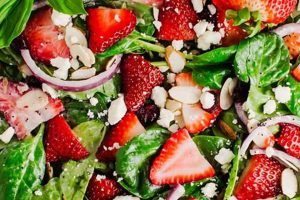
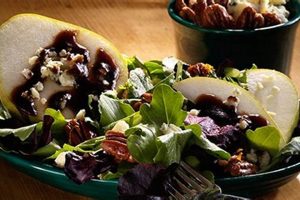
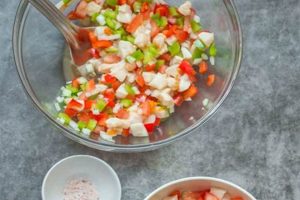
Simple strawberry salad recipes typically combine fresh strawberries with complementary ingredients like leafy greens, nuts, cheeses, and light vinaigrettes. A basic example might include spinach, sliced strawberries, crumbled feta cheese, and a balsamic vinaigrette. Variations can involve other berries, different greens like arugula or romaine, and additions such as avocado, cucumber, or red onion. These recipes emphasize minimal preparation time and readily available ingredients.
Quick and easy strawberry salads offer a refreshing and nutritious meal or side dish. They are ideal for warm weather, picnics, and potlucks due to their ease of assembly and transport. Strawberries are rich in vitamin C and antioxidants, contributing to the overall health benefits of the dish. Historically, fruit salads, including those with berries, have been enjoyed for centuries, evolving from simple combinations to more elaborate creations incorporating various fruits, nuts, and dressings. The emphasis on simplicity in modern recipes reflects a desire for convenient and healthy meal options.
The following sections will delve into specific simple strawberry salad recipes, exploring variations in ingredients, dressings, and presentation techniques to inspire culinary creativity and healthy eating habits.
Tips for Easy Strawberry Salads
Creating a delicious and effortless strawberry salad involves attention to a few key details. The following tips offer guidance for optimal flavor and presentation.
Tip 1: Hull the Strawberries: Remove the green leafy tops (hulls) from the strawberries before slicing or adding them to the salad. This improves both the appearance and texture of the dish.
Tip 2: Select Ripe but Firm Berries: Choose strawberries that are fully red and fragrant but still slightly firm to the touch. Overripe berries can become mushy and detract from the salad’s quality.
Tip 3: Dry the Greens Thoroughly: Ensure any leafy greens used in the salad are thoroughly dried after washing. Excess moisture can dilute the dressing and make the salad soggy.
Tip 4: Balance Sweet and Savory Flavors: Consider incorporating ingredients that offer a balance of sweet and savory notes. Feta cheese, goat cheese, or candied nuts can complement the sweetness of the strawberries.
Tip 5: Dress Lightly: A light vinaigrette or a simple balsamic glaze often complements a strawberry salad best. Avoid heavy, creamy dressings that can overpower the delicate flavor of the strawberries.
Tip 6: Add the Dressing Just Before Serving: To prevent the salad from becoming soggy, add the dressing just before serving. This maintains the crispness of the greens and the texture of the strawberries.
Tip 7: Consider Adding a Contrasting Texture: Toasted nuts, seeds, or croutons can add a pleasant textural contrast to the softness of the berries and greens.
By following these simple tips, one can elevate a basic strawberry salad into a refreshing and flavorful dish. Attention to detail, from selecting quality ingredients to the timing of the dressing, ensures an optimal culinary experience.
In conclusion, these practical tips provide a pathway to effortlessly create flavorful and visually appealing strawberry salads.
1. Fresh, Ripe Strawberries

Fresh, ripe strawberries form the foundation of easy strawberry salad recipes. Their quality directly impacts the overall flavor, texture, and visual appeal of the dish. Using suboptimal berries can result in a salad that is bland, mushy, or visually unappealing. The natural sweetness and slight tartness of perfectly ripe strawberries require minimal additions, simplifying the recipe and highlighting the fruit’s inherent flavor profile. For example, a simple salad of fresh strawberries, spinach, and a light balsamic vinaigrette relies heavily on the strawberry’s inherent sweetness to balance the other ingredients. Conversely, using underripe or overripe berries necessitates additional ingredients and more complex flavor balancing, negating the “easy” aspect of the recipe.
The ease of preparation associated with these recipes stems partly from the minimal processing required for fresh, ripe strawberries. Simply hulling and slicing them is often sufficient. This contrasts with recipes utilizing less ripe or frozen berries, which may require maceration with sugar or other flavor enhancements to compensate for a lack of sweetness or textural issues. Furthermore, the vibrant color and natural gloss of fresh strawberries contribute to the salad’s visual appeal, reducing the need for elaborate presentation techniques. A simple arrangement of fresh, vibrant berries alongside complementary ingredients creates an aesthetically pleasing dish with minimal effort.
Selecting fresh, ripe strawberries is crucial for achieving the simplicity and flavor expected from easy strawberry salad recipes. Their natural characteristics contribute significantly to both the ease of preparation and the final culinary result. Understanding this connection empowers individuals to create delicious and visually appealing salads with minimal effort, promoting healthy eating habits and culinary enjoyment. The emphasis on fresh ingredients reinforces the importance of seasonality and mindful ingredient selection in achieving optimal flavor and nutritional value.
2. Complementary Ingredients
Complementary ingredients play a crucial role in easy strawberry salad recipes, elevating the dish beyond the simple sweetness of the primary ingredient. These additions provide textural contrast, balancing flavors, and visual appeal, all while maintaining the recipe’s straightforward nature. Careful selection of these supporting components is essential for a well-rounded and satisfying salad.
- Leafy Greens:
Leafy greens provide a foundational base for the salad, offering a refreshing counterpoint to the sweetness of strawberries. Spinach, arugula, and romaine lettuce are popular choices. Spinach offers a mild flavor, while arugula provides a peppery bite. Romaine contributes a crisp texture. The choice of greens influences the overall flavor profile and adds nutritional value.
- Cheese:
Cheese introduces a savory element that balances the sweetness of the strawberries. Feta cheese, with its salty and tangy notes, is a classic pairing. Goat cheese offers a creamy texture and a slightly earthy flavor. Blue cheese provides a more pungent option for those who prefer bolder flavors. The chosen cheese significantly impacts the salad’s overall taste and richness.
- Nuts and Seeds:
Nuts and seeds contribute textural complexity and healthy fats. Sliced almonds, pecans, walnuts, or pumpkin seeds add a satisfying crunch. Toasted nuts enhance their flavor and aroma, further enriching the salad. The choice of nuts or seeds can introduce subtle flavor nuances and boost the nutritional profile.
- Other Fruits and Vegetables:
Incorporating other fruits and vegetables extends the flavor and nutritional range. Blueberries, raspberries, or sliced avocado complement the strawberries. Cucumber or red onion adds a refreshing crunch and contrasting flavors. These additions enhance the complexity of the salad while maintaining its ease of preparation.
The interplay of these complementary ingredients enhances the simplicity of strawberry salad recipes. The combined flavors and textures create a balanced and satisfying dish. Understanding the role of each component allows for customization based on individual preferences and dietary needs, maximizing both flavor and nutritional value while maintaining the ease of preparation that defines these recipes.
3. Light, Balanced Dressing

Light, balanced dressings are essential for easy strawberry salad recipes. A heavy dressing can overpower the delicate flavor of the strawberries and other fresh ingredients. The right dressing enhances the salad’s natural flavors without masking them, contributing to the overall simplicity and freshness of the dish. A balanced dressing complements the sweetness of the berries with acidity and subtle savory notes.
- Vinaigrettes:
Vinaigrettes are a classic choice for strawberry salads. A simple balsamic vinaigrette, made with balsamic vinegar, olive oil, and a touch of Dijon mustard, offers a balanced sweet and tangy flavor profile. Other variations include raspberry vinaigrette, which adds a fruity sweetness, or a citrus vinaigrette, providing a bright, zesty accent. Vinaigrettes enhance the fresh flavors of the salad without overpowering the delicate strawberries.
- Lemon or Lime Juice:
A simple squeeze of fresh lemon or lime juice offers a bright, acidic counterpoint to the sweetness of the strawberries. This minimalist approach complements the natural flavors of the salad and requires minimal preparation, aligning perfectly with the “easy” aspect of these recipes. A touch of honey or maple syrup can be added for a subtle sweetness if desired.
- Balsamic Glaze:
A balsamic glaze provides a concentrated, sweet-tart flavor that complements strawberries beautifully. Its thicker consistency adds a touch of richness without overwhelming the salad’s fresh components. A drizzle of balsamic glaze offers a visually appealing and flavorful enhancement to the salad.
- Poppy Seed Dressing:
While slightly sweeter than a vinaigrette, a light poppy seed dressing offers a balanced flavor profile that works well with strawberries and other fruits. The subtle sweetness complements the berries, while the poppy seeds provide a pleasant textural element. However, it’s essential to choose a poppy seed dressing that isn’t overly sweet or heavy, maintaining the salad’s fresh and light character.
The choice of dressing significantly impacts the overall balance and flavor of an easy strawberry salad. Opting for a light and balanced option ensures that the natural sweetness and freshness of the strawberries and other ingredients shine through. The simplicity of these dressings also contributes to the ease of preparation, aligning with the core concept of quick and delicious strawberry salads.
4. Quick Preparation
Quick preparation is intrinsically linked to the concept of easy strawberry salad recipes. The appeal of these recipes lies in their minimal time commitment, making them suitable for busy individuals or those seeking a refreshingly simple meal. This speed of assembly hinges on several factors, including the inherent qualities of the primary ingredient and the straightforward nature of complementary components.
Strawberries, when ripe and fresh, require minimal processing. Hulling and slicing are typically the only steps needed before incorporating them into a salad. This ease of preparation contrasts sharply with more complex salad recipes involving cooked or processed ingredients. Furthermore, the selection of complementary ingredients often emphasizes readily available items requiring little to no preparation, such as pre-washed leafy greens, crumbled cheese, and nuts. A simple balsamic vinaigrette can be whisked together in moments, further streamlining the process. For instance, a salad combining fresh strawberries, baby spinach, feta cheese, and a balsamic vinaigrette requires only a few minutes of active preparation. This speed and simplicity are central to the concept of “easy” strawberry salad recipes.
The practical significance of this connection lies in its contribution to healthy eating habits. The ease and speed of preparation reduce barriers to consuming fresh produce, making it more likely that individuals will opt for a nutritious strawberry salad over less healthy, convenience-driven options. This accessibility empowers individuals to incorporate more fruits and vegetables into their diets without significant time investment, promoting overall well-being. Moreover, the quick preparation allows for spontaneous meal creation, ideal for unexpected guests or a last-minute healthy meal option. The emphasis on fresh, minimally processed ingredients underscores the nutritional benefits of these recipes, further reinforcing their value in a balanced diet.
5. Minimal Cooking Required

Minimal cooking is a defining characteristic of easy strawberry salad recipes. This feature contributes significantly to their appeal, aligning with contemporary lifestyles that often prioritize convenience and speed. The absence of elaborate cooking processes simplifies preparation, reduces cleanup time, and preserves the fresh, natural flavors of the ingredients. This connection between minimal cooking and ease of preparation is crucial for understanding the popularity and practicality of these recipes.
- Emphasis on Fresh Ingredients:
Easy strawberry salad recipes prioritize fresh, raw ingredients like strawberries, leafy greens, and other fruits or vegetables. These components require no cooking, preserving their natural textures, flavors, and nutritional value. For example, a simple salad of fresh strawberries, spinach, and feta relies entirely on the inherent qualities of these raw ingredients. This emphasis on freshness aligns with health-conscious eating habits and reduces preparation time significantly.
- Simplified Preparation Techniques:
Preparation primarily involves washing, hulling, and slicing, eliminating the need for cooking equipment or complex techniques. This streamlined approach reduces the overall time commitment and simplifies the process, making it accessible to individuals with varying culinary skills. The focus shifts from cooking to assembling, further emphasizing the ease and convenience of these recipes.
- Preservation of Nutritional Value:
Avoiding cooking helps retain the vitamins and antioxidants present in fresh strawberries and other ingredients. Heat can degrade certain nutrients, so consuming these components raw maximizes their nutritional benefits. This focus on nutritional integrity aligns with the health-conscious nature of many easy strawberry salad recipes.
- Adaptability and Versatility:
The minimal cooking requirement allows for greater adaptability and versatility. Ingredients can be easily swapped or added based on individual preferences or seasonal availability. This flexibility encourages creativity and customization, making these recipes adaptable to diverse dietary needs and taste preferences.
The minimal cooking requirement directly contributes to the ease and appeal of strawberry salad recipes. This characteristic promotes accessibility, preserves nutritional value, and aligns with contemporary preferences for quick, healthy meal options. By focusing on fresh, minimally processed ingredients and simple preparation techniques, these recipes offer a convenient and nutritious way to enjoy the vibrant flavors of strawberries and their complementary components. The inherent simplicity of these salads positions them as a practical and appealing choice for individuals seeking healthy and convenient meal solutions.
Frequently Asked Questions
This section addresses common inquiries regarding easy strawberry salad recipes, offering practical guidance and clarifying potential uncertainties.
Question 1: How can one prevent strawberries from becoming soggy in a salad?
To prevent sogginess, add the dressing immediately before serving. Storing strawberries separately and combining them with other ingredients just prior to consumption also helps maintain their texture.
Question 2: What are suitable alternatives to spinach in these recipes?
Arugula, romaine lettuce, butter lettuce, or spring mix offer viable alternatives to spinach, each contributing unique flavor and textural nuances.
Question 3: Can frozen strawberries be used in easy strawberry salad recipes?
While fresh strawberries are generally preferred, frozen berries can be used if thawed and drained thoroughly. However, their texture might be slightly softer.
Question 4: How long can a prepared strawberry salad be stored?
Ideally, strawberry salads are best consumed immediately after preparation. If storage is necessary, refrigerate the salad without dressing for up to two hours and add the dressing just before serving.
Question 5: What are some ways to add protein to a strawberry salad?
Grilled chicken, shrimp, or tofu can be added for protein. Nuts, seeds, and certain cheeses also contribute protein, albeit in smaller amounts.
Question 6: Are there vegan options for easy strawberry salads?
Numerous vegan variations are possible. Omit cheese and ensure the dressing uses plant-based ingredients like maple syrup or agave nectar instead of honey.
Understanding these frequently addressed points facilitates successful preparation and enjoyment of simple and delicious strawberry salads. Addressing potential challenges proactively ensures a positive culinary experience.
The following section offers a collection of specific easy strawberry salad recipes, providing practical examples of the concepts discussed herein.
Strawberry Salad Recipes Easy
Exploration of simple strawberry salad recipes reveals the accessibility and nutritional value inherent in such dishes. Emphasis on fresh, ripe strawberries, complemented by carefully chosen ingredients and light dressings, yields flavorful and visually appealing salads with minimal preparation. The ease of assembly, often involving minimal cooking, positions these recipes as convenient and healthy meal options suitable for diverse lifestyles. Understanding the interplay of key componentsfresh strawberries, complementary ingredients, and balanced dressingsempowers culinary creativity while adhering to principles of simplicity.
The accessibility of these recipes encourages increased consumption of fresh produce, contributing to healthier dietary habits. Continued exploration of flavor combinations and ingredient variations offers a pathway to culinary innovation within the framework of simple, nutritious meals. Strawberry salad recipes, characterized by their ease of preparation, stand as a testament to the potential for culinary satisfaction derived from fresh, minimally processed ingredients.