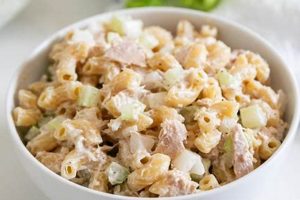
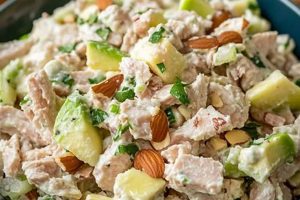
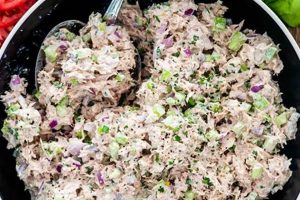
A classic dish found in many African American households, this variation on a traditional salad features canned tuna combined with mayonnaise, celery, onion, and often hard-boiled eggs. Distinguishing characteristics frequently include sweet pickle relish, mustard, and seasonings like paprika, garlic powder, and black pepper. Regional variations may incorporate ingredients such as chopped bell peppers, pimentos, or even a touch of hot sauce. This adaptable dish can be enjoyed as a sandwich filling, served on crackers, or eaten as a light meal.
This culinary creation represents more than just a simple meal. It’s a reflection of resourcefulness and creativity, born from a history of making the most of available ingredients. The combination of readily accessible canned tuna with affordable and flavorful additions results in a satisfying and nutritious dish. Its prevalence in potlucks, family gatherings, and everyday meals signifies its importance within the cultural context of soul food. The dish offers a comforting and familiar taste, connecting generations through shared culinary traditions.
This exploration will delve into the various elements that contribute to a perfect rendition. From selecting the ideal tuna to mastering the balance of seasonings, the following sections will provide a comprehensive guide to preparing and enjoying this staple of African American cuisine.
Tips for a Delicious Tuna Salad
Elevating this simple dish to something truly special involves attention to detail and a few key techniques. The following tips offer guidance on creating a flavorful and satisfying tuna salad experience.
Tip 1: Tuna Selection Matters Opt for high-quality canned tuna packed in water or oil, depending on preference. Oil-packed tuna adds richness, while water-packed offers a leaner option. Solid or chunk light tuna works well, providing a pleasant texture.
Tip 2: Mayonnaise Mastery Mayonnaise forms the base of the salad. Experiment with different types, from classic to flavored varieties, to find a preferred taste profile. Start with a smaller amount and add more as needed to achieve desired consistency.
Tip 3: The Perfect Pickle Sweet pickle relish is a defining ingredient. Finely chopped dill pickles can also add a tangy twist. Consider bread and butter pickles for a touch of sweetness.
Tip 4: Seasoning Secrets Paprika, garlic powder, onion powder, salt, and black pepper enhance the overall flavor. A pinch of cayenne pepper adds a subtle kick. Taste and adjust seasonings as needed.
Tip 5: Egg-cellent Additions Hard-boiled eggs contribute creaminess and protein. Chop them finely for even distribution throughout the salad.
Tip 6: The Celery Crunch Finely diced celery provides a refreshing crunch. Soaking diced celery in ice water for a few minutes before adding it to the salad enhances its crispness.
Tip 7: Onion Options Finely chopped red or yellow onion adds a pungent bite. Sweet onion offers a milder flavor. Soaking chopped onions in cold water for a few minutes can mellow their intensity.
By following these tips, one can achieve a well-balanced and flavorful tuna salad. From ingredient selection to thoughtful seasoning, each step contributes to the final result.
By understanding the nuances of preparation and ingredient combinations, one can truly appreciate this classic dish and its significance within culinary traditions.
1. Fresh Ingredients

The quality of a soul food tuna salad rests heavily on the freshness of its components. While canned tuna forms the base, the supporting ingredients contribute significantly to the overall flavor and texture. Fresh celery provides a crisp counterpoint to the richness of the mayonnaise and tuna, while a pungent onion adds depth. These elements, when fresh, create a vibrant and balanced profile that elevates the dish beyond a simple combination of ingredients. Using wilted celery or a bland onion diminishes the overall sensory experience. For example, the crunch of freshly chopped celery offers a textural contrast against the soft tuna and creamy mayonnaise, a crucial element often overlooked. The sharp bite of a freshly diced onion, as opposed to a pre-chopped or older onion, provides a necessary lift to the overall flavor profile.
The practical significance of using fresh ingredients becomes apparent in the final product. A tuna salad made with crisp, flavorful vegetables is noticeably more appealing than one made with less vibrant components. The difference extends beyond taste; the visual appeal is also enhanced by the bright colors and textures of fresh produce. This attention to freshness reflects a broader principle within soul food traditions: making the most of available ingredients by prioritizing quality. Using fresh produce not only improves taste and texture but also contributes to a more vibrant and appealing final dish. This commitment to quality enhances the overall dining experience, demonstrating a respect for both the ingredients and those enjoying the meal. This practice, often born out of necessity, has become a hallmark of the cuisine, emphasizing resourcefulness and a deep appreciation for flavor.
Prioritizing fresh ingredients in a soul food tuna salad yields a superior culinary experience. The vibrant flavors and textures of fresh produce contribute significantly to the overall enjoyment of the dish, highlighting the importance of quality ingredients in even the simplest of recipes. This focus on freshness aligns with the resourcefulness and respect for flavor inherent in soul food traditions. The challenge lies in sourcing and maintaining the freshness of these ingredients, particularly in areas with limited access to quality produce. Overcoming this obstacle, however, ensures the preservation of a key element in soul food’s culinary heritage.
2. Balanced Seasoning
Balanced seasoning is crucial to a successful soul food tuna salad recipe. It elevates the dish beyond simple ingredients, transforming it into a flavorful experience reflective of soul food traditions. Achieving this balance requires a nuanced understanding of complementary flavors and the skillful use of spices.
- The Foundation: Salt and Pepper
Salt and freshly ground black pepper form the base of the seasoning profile. Salt enhances the inherent flavors of the ingredients, while pepper adds a subtle bite. The amount of each depends on personal preference and the saltiness of the other ingredients, such as the type of tuna used. Proper seasoning with salt and pepper is essential for bringing out the best in the other flavors.
- The Enhancers: Paprika and Garlic Powder
Paprika contributes a subtle smokiness and a vibrant red hue. Garlic powder adds a savory depth, complementing the onion. These spices, used judiciously, create layers of flavor that distinguish a soul food tuna salad. Overuse can overwhelm the delicate balance, so a light hand is recommended. The interplay between paprika and garlic powder enhances the overall complexity of the dish, adding depth and warmth.
- The Brightener: Onion and Celery
While not strictly seasonings, the inherent flavors of onion and celery contribute significantly to the overall balance. The sharp bite of the onion and the refreshing crunch of the celery provide a counterpoint to the richness of the mayonnaise and tuna. Their inclusion underscores the importance of fresh, high-quality ingredients in achieving a balanced flavor profile. These elements highlight the interconnectedness of ingredients and seasonings in creating a cohesive dish.
- Optional Heat: Cayenne Pepper or Hot Sauce
A touch of cayenne pepper or a dash of hot sauce adds a layer of complexity for those who prefer a bit of heat. This optional addition provides a contrasting element to the other flavors, creating a balanced yet dynamic taste experience. The choice of heat source, whether cayenne or hot sauce, allows for customization based on individual preferences and regional variations.
The careful orchestration of these seasonings defines the character of a soul food tuna salad. The interplay of foundational seasonings, enhancing spices, fresh ingredients, and optional heat creates a harmonious blend that embodies the essence of soul food cuisine: resourcefulness, flavor, and a deep connection to culinary traditions. Achieving this balance transforms simple ingredients into a memorable and satisfying dish.
3. Cultural Heritage
Soul food, as a cuisine, is deeply intertwined with the cultural heritage of African Americans. Born from a history of resilience and resourcefulness, it represents a fusion of West African culinary traditions and the ingredients available in the American South. Dishes like tuna salad, while seemingly simple, hold a significant place within this heritage. They embody the spirit of making the most of limited resources, transforming humble ingredients into flavorful and satisfying meals. The practice of preserving vegetables through pickling, a key component of many soul food dishes including variations of tuna salad, exemplifies this resourcefulness. This historical context adds a layer of meaning to the dish, connecting it to a broader narrative of cultural survival and adaptation.
The cultural significance of soul food tuna salad is further amplified by its presence in family gatherings, church potlucks, and everyday meals. These shared culinary experiences strengthen community bonds and transmit traditions across generations. Recipes are often passed down through families, each variation reflecting unique personal histories and regional influences. A grandmother’s specific blend of seasonings or a family’s preferred method of preparing the tuna become integral parts of the dish, adding sentimental value that transcends the basic ingredients. For example, the addition of a dash of hot sauce, a common practice in some regions, might reflect a family’s preference for spicier flavors, adding a personalized touch to the traditional recipe. These nuances contribute to the dish’s richness and cultural depth, transforming it from a simple meal into a tangible expression of heritage.
Understanding the connection between cultural heritage and soul food tuna salad provides valuable insight into the cuisine’s broader significance. It highlights the importance of food as a vehicle for storytelling, cultural preservation, and community building. While the recipe itself remains relatively simple, the cultural context adds layers of complexity and meaning. This understanding fosters a deeper appreciation for the dish, recognizing it not merely as a combination of ingredients, but as a reflection of a rich and resilient culinary heritage. Preserving and sharing these culinary traditions ensures the continuation of a vital cultural narrative for future generations, even amidst the challenges of evolving foodways and access to traditional ingredients. This connection emphasizes the importance of recognizing and valuing the cultural significance embedded within seemingly simple dishes.
4. Family Tradition
Family tradition plays a vital role in shaping the character of soul food tuna salad. This seemingly simple dish often carries a deeper significance, representing a tangible link to family history and cultural heritage. Recipes, passed down through generations, become more than just instructions; they embody shared memories, personal stories, and a sense of familial connection. A grandmother’s particular method of chopping celery, a mother’s secret blend of spices, or a family’s preferred type of pickle relish these seemingly small details become integral parts of the dish, imbued with sentimental value. For instance, a family might always use sweet pickle relish in their tuna salad, a preference established by a beloved matriarch known for her exceptional cooking. This seemingly minor detail transforms the dish into a tribute, a culinary homage to a cherished family member and a reminder of shared meals and traditions.
This transmission of culinary knowledge and practices contributes significantly to the enduring appeal of soul food tuna salad. It’s not merely about replicating a specific taste; it’s about recreating a feeling, a sense of belonging and connection to one’s roots. Preparing the dish in the same manner as previous generations fosters a sense of continuity and strengthens family bonds. Sharing the meal together reinforces these connections, providing a platform for reminiscing and storytelling. The act of eating becomes a communal experience, a celebration of family history and shared identity. Consider a family gathering where the younger generation learns to make tuna salad alongside their elders, absorbing not only the recipe but also the stories and memories associated with it. This shared experience strengthens familial ties and ensures the continuation of cherished traditions.
Recognizing the connection between family tradition and soul food tuna salad offers a deeper appreciation for the dish’s cultural significance. It highlights the importance of food as a vehicle for transmitting cultural heritage and maintaining family bonds across generations. While the recipe may appear straightforward, the intangible elements of tradition and shared experience add layers of complexity and meaning. Preserving these culinary traditions, even amidst evolving lifestyles and dietary preferences, ensures the continuation of a valuable cultural legacy. However, adapting these traditions to modern contexts can present challenges. Balancing respect for established practices with evolving tastes and dietary needs requires careful consideration and a willingness to adapt while still honoring the essence of the tradition. This ongoing negotiation ensures the relevance and vitality of family traditions for future generations.
5. Simple Preparation
The ease of preparation is a defining characteristic of soul food tuna salad, contributing to its enduring popularity and accessibility. This simplicity aligns with the resourcefulness inherent in soul food traditions, maximizing flavor with minimal effort and readily available ingredients. This characteristic makes the dish practical for everyday meals, quick lunches, and impromptu gatherings, reflecting its historical context and continued relevance in contemporary kitchens.
- Minimal Ingredients
The recipe relies on a small number of commonly found pantry staples. Canned tuna, mayonnaise, celery, onion, and seasonings like paprika and pepper are typically all that’s required. This accessibility makes the dish budget-friendly and convenient, requiring minimal trips to the grocery store. This limited ingredient list also reduces preparation time and simplifies the cooking process, making it an ideal choice for busy weeknights or last-minute meals. For example, a quick meal can be assembled with just a can of tuna, a jar of mayonnaise, and some chopped celery and onion, demonstrating the dish’s inherent simplicity.
- Basic Equipment
Preparing soul food tuna salad requires minimal kitchen equipment. A can opener, a bowl, a fork for mixing, and a cutting board and knife for chopping vegetables are generally sufficient. This simplicity makes the dish accessible to cooks of all skill levels, requiring no specialized tools or appliances. Even in kitchens with limited resources, a delicious tuna salad can be easily assembled. This uncomplicated approach further emphasizes the resourcefulness embedded in the dish’s origins.
- Quick Assembly
The process of combining the ingredients is remarkably quick. Once the vegetables are chopped, the entire dish can be assembled in a matter of minutes. This speed makes it an ideal option for busy individuals or families seeking a nutritious and flavorful meal without extensive cooking time. The efficiency of preparation allows for more time spent enjoying the meal and less time spent in the kitchen. This quick turnaround time contributes to the dish’s practicality and appeal for everyday meals.
- Adaptability and Variations
While the basic recipe is simple, it allows for significant adaptation. Ingredients like hard-boiled eggs, sweet pickle relish, or a dash of hot sauce can be added to customize the flavor profile. This flexibility allows cooks to personalize the dish according to their preferences and available ingredients. This adaptability also extends to serving options, from sandwiches and crackers to lettuce wraps or a simple side dish. This versatility further enhances the dish’s practicality, allowing it to fit a variety of meal occasions and dietary preferences.
The simplicity of preparation contributes significantly to the enduring appeal of soul food tuna salad. This ease of assembly makes the dish accessible to a wide range of individuals, regardless of culinary expertise or available resources. The minimal ingredient list, basic equipment requirements, quick assembly, and adaptability all contribute to a dish that is both practical and flavorful, reflecting the resourcefulness and culinary wisdom inherent in soul food traditions. This inherent simplicity allows the focus to remain on the quality of ingredients and the balanced interplay of flavors, highlighting the essence of soul food cuisine. Furthermore, the ease of preparation encourages culinary creativity, allowing for personalization and adaptation to individual preferences and available resources, ensuring the dish remains relevant and enjoyable across generations.
6. Versatile Serving
The versatility of soul food tuna salad contributes significantly to its practicality and appeal. This adaptability stems from the salad’s simple composition and balanced flavor profile, allowing it to complement a variety of dishes and occasions. This characteristic reflects the resourcefulness inherent in soul food traditions, maximizing the utility of readily available ingredients. From simple sandwiches to elegant appetizers, the dish adapts seamlessly to diverse culinary contexts.
This versatility manifests in numerous ways. Sandwiches, a classic application, benefit from the salad’s creamy texture and savory flavor. Crackers provide a lighter alternative, highlighting the salad’s nuanced seasoning. Lettuce wraps offer a refreshing and health-conscious option, emphasizing the fresh ingredients. Beyond these common applications, tuna salad can be incorporated into more complex dishes. It can serve as a filling for deviled eggs, adding a savory twist to a traditional appetizer. It can also be used as a topping for baked potatoes, providing a protein-rich and flavorful alternative to other common toppings. In more elaborate settings, it can even be incorporated into stuffed tomatoes or avocados, adding a touch of soul food flair to elegant presentations.
This adaptability extends beyond specific dishes. Soul food tuna salad functions equally well in casual and formal settings. It’s a staple at family picnics and potlucks, offering a convenient and crowd-pleasing dish. Simultaneously, it can be elevated for more formal occasions, presented as an elegant appetizer or a component of a composed salad. This versatility underscores the dish’s enduring appeal and its ability to transcend culinary boundaries. Understanding this adaptability allows for creative application and customization, maximizing the potential of this simple yet flavorful dish. However, maintaining the integrity of the dish’s flavor profile across diverse applications presents a challenge. Balancing the core ingredients with complementary flavors while respecting the traditional essence of soul food tuna salad requires careful consideration and culinary expertise. This ongoing negotiation ensures the dish remains authentic while embracing its inherent versatility.
7. Affordable Meal
Affordability stands as a cornerstone of soul food tuna salad, reflecting the cuisine’s historical origins and its continued relevance in contemporary society. This economic accessibility stems from the dish’s reliance on readily available, budget-friendly ingredients. Canned tuna, a protein source requiring no specialized preparation or storage, forms the foundation. Mayonnaise, a widely accessible condiment, provides the creamy base. Celery, onion, and seasonings like paprika, pepper, and garlic powder, typically inexpensive and readily available, contribute essential flavor and texture. This combination of economical ingredients makes the dish a practical and nutritious option for individuals and families seeking flavorful meals without significant financial strain. This affordability has historically ensured access to nutritious meals, particularly during times of economic hardship. This historical context adds depth to the dish’s significance, highlighting its role in providing sustenance and comfort within communities facing financial constraints.
The practical implications of this affordability are far-reaching. In households facing budget limitations, soul food tuna salad offers a substantial and nutritious meal without compromising flavor or satisfaction. Its adaptability further enhances its value, allowing for variations based on available resources and individual preferences. Leftover cooked vegetables or a handful of chopped pickles can be incorporated to enhance the flavor profile and stretch the ingredients further. This flexibility ensures the dish remains accessible even when resources are limited. For example, a single can of tuna can be stretched to feed a family by incorporating readily available and inexpensive additions like bread crumbs or chopped boiled eggs. This adaptability makes the dish a valuable resource in addressing food insecurity and ensuring access to nutritious meals within communities facing economic challenges.
The affordability of soul food tuna salad underscores its enduring value within the broader context of soul food traditions. It reflects the cuisine’s emphasis on resourcefulness, creativity, and making the most of available ingredients. This characteristic ensures the dish remains accessible to a wide range of individuals and families, regardless of economic circumstances. While the dish’s affordability is undeniable, maintaining nutritional balance while adhering to strict budget constraints can present a challenge. Incorporating sufficient fresh produce and other essential nutrients while minimizing costs requires careful planning and resource management. Addressing this challenge ensures the dish remains a healthy and sustainable option for those seeking affordable and nutritious meals. This ongoing negotiation between affordability and nutritional value highlights the complexity of food access and the importance of culturally relevant, budget-friendly meal options.
Frequently Asked Questions
This section addresses common inquiries regarding the preparation and appreciation of soul food tuna salad.
Question 1: What distinguishes soul food tuna salad from other variations?
The distinction lies primarily in the seasoning profile. Soul food tuna salad often incorporates sweet pickle relish, paprika, garlic powder, and sometimes a touch of hot sauce or cayenne pepper, resulting in a flavor profile that balances sweetness, tang, and heat. Regional variations may also include ingredients like chopped bell peppers or pimentos.
Question 2: Can one substitute fresh vegetables for jarred or pickled varieties?
While fresh vegetables are preferred for optimal flavor and texture, jarred or pickled alternatives can be used in situations where fresh produce is unavailable. However, it’s important to consider the added salt and potential sweetness these alternatives may contribute and adjust the seasoning accordingly.
Question 3: What type of tuna is recommended?
Chunk light tuna packed in water or oil is commonly used. The choice depends on individual preference. Water-packed tuna offers a leaner option, while oil-packed adds richness. Solid or albacore tuna can also be used, but these tend to be more expensive.
Question 4: How long can tuna salad be stored?
Refrigerated in an airtight container, tuna salad typically lasts for three to five days. However, consuming it within two days is recommended for optimal freshness and flavor. Always check for spoilage before consumption.
Question 5: Can this recipe be adapted for dietary restrictions?
The recipe can be adapted for various dietary needs. Using a vegan mayonnaise creates a vegan version. Gluten-free bread or crackers can be used for gluten-free diets. Adjusting the amount of mayonnaise can modify the fat content. Consulting a nutritionist is advisable for specific dietary concerns.
Question 6: What are some common side dishes that complement soul food tuna salad?
Traditional accompaniments include coleslaw, potato salad, baked beans, and collard greens. Simpler options like potato chips, crackers, or a fresh green salad also pair well. The choice of side dishes often reflects regional preferences and family traditions.
Understanding these common inquiries provides a more comprehensive understanding of the preparation, storage, and cultural significance of soul food tuna salad.
This exploration of frequently asked questions provides a foundation for further exploration of this dish’s versatile applications and its enduring place within soul food culinary traditions.
Soul Food Tuna Salad Recipe
This exploration has delved into the multifaceted nature of soul food tuna salad, moving beyond the basic recipe to examine its cultural significance, historical context, and practical applications. From the careful balance of seasonings to the versatility of serving options, each aspect contributes to the dish’s enduring appeal. The importance of fresh ingredients, the influence of family traditions, and the dish’s affordability have been highlighted, demonstrating its relevance within both historical and contemporary culinary landscapes. The simplicity of preparation underscores its accessibility, while its adaptability allows for personalization and creative expression in the kitchen.
Soul food tuna salad represents more than just a meal; it embodies a rich culinary heritage, reflecting resourcefulness, community, and a deep connection to family traditions. Its continued presence in kitchens across generations speaks to its enduring value and its ability to nourish both body and soul. Further exploration of regional variations and evolving interpretations promises to enrich understanding of this dish’s dynamic place within American culinary history. This exploration serves as an invitation to appreciate not only the flavors but also the cultural narrative embedded within this seemingly simple yet profoundly significant dish.