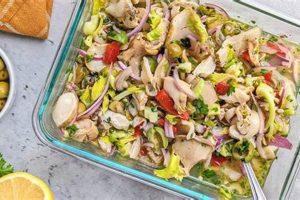
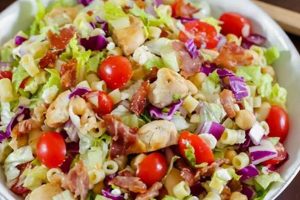
A basic preparation of this dish typically involves imitation crab meat (surimi) mixed with mayonnaise and a few select vegetables. Common additions include shredded carrots, cucumbers, and onions. This provides a light and refreshing salad, often served chilled as a side dish or appetizer.
The appeal of such a dish lies in its ease of preparation and affordability. It offers a convenient way to incorporate seafood-like flavors without the expense of fresh crab. Historically, surimi, the key ingredient, originated in Japan as a method of preserving fish. Its adaptation into readily available imitation crab sticks has made it a popular ingredient in various cuisines worldwide, contributing to the accessibility and popularity of this type of salad. The dishs simplicity also makes it an excellent base for culinary creativity, allowing for ingredient variations tailored to individual preferences.
The following sections will delve into specific ingredient recommendations, step-by-step instructions, and tips for creating a flavorful and visually appealing presentation of this accessible and versatile salad.
Tips for a Superior Kani Salad
Elevating a basic kani salad to a truly enjoyable culinary experience involves attention to detail and a few key techniques. The following tips provide guidance for enhancing flavor, texture, and presentation.
Tip 1: Quality Surimi Selection: Opt for high-quality imitation crab meat for optimal flavor and texture. Look for brands that prioritize a firm, flaky texture and a delicate, slightly sweet flavor profile.
Tip 2: Crisp Vegetable Preparation: Ensure vegetables maintain their crispness. Chill cucumbers and carrots thoroughly before chopping. Consider a brief ice bath to enhance their crunch.
Tip 3: Mayonnaise Enhancement: While standard mayonnaise works well, consider enhancing the flavor profile by incorporating Japanese mayonnaise (Kewpie) for a richer, tangier taste. A touch of sriracha or a dash of sesame oil can further elevate the flavor.
Tip 4: Balanced Seasoning: Seasoning should complement the delicate flavors of the surimi and vegetables. A light touch of salt and freshly ground black pepper is often sufficient. A hint of rice vinegar can provide a subtle tang.
Tip 5: Chilling for Optimal Flavor: Allow the salad to chill thoroughly before serving. Chilling allows the flavors to meld and enhances the refreshing quality of the dish.
Tip 6: Creative Presentation: Consider serving the salad in chilled bowls or on a bed of crisp lettuce. A garnish of chopped chives, toasted sesame seeds, or a sprinkle of tobiko (flying fish roe) can add visual appeal.
Tip 7: Mindful Ingredient Proportions: Maintain a balance between the surimi and vegetables for optimal flavor and texture. Avoid overdoing the mayonnaise, which can make the salad heavy.
By following these tips, one can create a kani salad that transcends basic expectations, delivering a delightful balance of flavors, textures, and visual appeal.
This attention to detail transforms a simple dish into a memorable culinary experience.
1. High-quality Surimi

High-quality surimi plays a crucial role in a simple kani salad recipe. Surimi, often referred to as imitation crab meat, forms the foundation of this dish. Its quality directly impacts the overall flavor, texture, and enjoyment of the salad. Selecting premium surimi contributes significantly to a superior culinary experience. Lower-grade surimi often exhibits a rubbery texture and a less desirable, overly processed taste. This can detract from the delicate balance of flavors sought in a well-made kani salad.
Consider the example of two kani salads prepared identically, except for the surimi quality. One uses a premium brand known for its firm, flaky texture and subtle sweetness, while the other uses a generic brand characterized by a mushy texture and a strong, artificial flavor. The resulting salads offer a stark contrast in taste and texture. The premium surimi salad delivers a delicate, nuanced flavor profile and a pleasant mouthfeel. The generic surimi salad, however, presents a less appealing, artificial taste and an undesirable texture. This comparison underscores the practical significance of selecting high-quality surimi.
Understanding the impact of surimi quality enables informed ingredient choices. It empowers consumers and culinary practitioners to prioritize ingredients that elevate the final dish. While seemingly a minor detail, the selection of high-quality surimi significantly contributes to the overall success of a simple kani salad recipe, transforming it from a basic dish to a more refined culinary creation. The nuanced flavor and textural subtleties derived from premium surimi ensure a more enjoyable and satisfying experience.
2. Fresh, Crisp Vegetables
Fresh, crisp vegetables are essential for a successful simple kani salad recipe. They provide textural contrast to the soft surimi, contributing a refreshing element and enhancing the overall sensory experience. Beyond mere texture, these vegetables introduce subtle flavors and visual appeal, elevating the salad from basic to delightful. The selection and preparation of these vegetables significantly influence the final dish’s quality.
- Textural Contrast and Refreshing Quality
The crispness of vegetables like cucumbers, carrots, and celery offers a counterpoint to the soft texture of the surimi. This contrast creates a more dynamic and enjoyable mouthfeel. The refreshing quality of these raw vegetables also balances the richness of the mayonnaise, preventing the salad from becoming overly heavy. Imagine biting into a kani salad where the vegetables are limp and soggy; the experience would be far less appealing. The crispness contributes significantly to the salad’s refreshing and light nature.
- Flavor Enhancement and Dimension
While surimi provides a foundational flavor, fresh vegetables add depth and complexity. The subtle sweetness of carrots, the mild bitterness of cucumbers, and the slight peppery note of finely diced onions all contribute to a more nuanced flavor profile. These subtle flavors harmonize with the surimi and mayonnaise, creating a balanced and refreshing taste. Furthermore, the natural flavors of the vegetables enhance the overall freshness of the salad, making it more palatable.
- Visual Appeal and Presentation
Vibrant, crisp vegetables enhance the visual appeal of the kani salad. The bright orange of carrots, the deep green of cucumbers, and the stark white of onions create a visually engaging dish. This element of visual appeal contributes to a more satisfying dining experience. A kani salad lacking fresh, colorful vegetables would appear bland and unappetizing. The visual appeal also makes the salad more enticing, encouraging consumption.
- Preparation and Handling for Optimal Crispness
Proper handling is crucial for maintaining the desired crispness of the vegetables. Thorough chilling and, in some cases, a brief ice bath can enhance their crunch. Vegetables should be cut shortly before serving to minimize moisture loss and prevent them from becoming limp. Consider the difference between a salad made with pre-cut vegetables that have been sitting out and one made with freshly chopped, chilled vegetables. The latter offers a superior textural experience, demonstrating the importance of proper preparation.
The interplay of these factorstexture, flavor, visual appeal, and preparationunderscores the crucial role fresh, crisp vegetables play in a simple kani salad recipe. They are not merely supplementary ingredients but integral components that elevate the dish from basic to exceptional. Their presence enhances the sensory experience, making the salad more refreshing, flavorful, and visually appealing. The careful selection and proper handling of these vegetables are key to creating a truly satisfying kani salad.
3. Balanced Mayonnaise

Balanced mayonnaise is crucial in a simple kani salad recipe. Mayonnaise serves as the binding agent, coating the surimi and vegetables, and contributing significantly to the overall flavor and texture. However, the balance of mayonnaise is paramount. Too much creates a heavy, gloppy salad that overwhelms the delicate flavors of the other ingredients. Too little results in a dry, disjointed salad lacking cohesion. Achieving the correct balance ensures a harmonious blend of flavors and textures, where the mayonnaise complements rather than dominates the other components.
Consider two contrasting scenarios: one with excessive mayonnaise and the other with insufficient mayonnaise. In the first scenario, the salad becomes saturated, losing its refreshing quality and becoming overwhelmingly rich. The flavors of the surimi and vegetables are masked by the excessive mayonnaise. Conversely, in the second scenario, the ingredients remain separate and dry. The salad lacks the creamy texture that mayonnaise provides, and the flavors feel disjointed. This comparison highlights the importance of achieving a balanced amount of mayonnaise. The ideal balance allows the mayonnaise to coat the ingredients lightly, providing a creamy texture without masking the individual flavors. It binds the elements together without making the salad heavy or greasy.
The practical significance of understanding this balance lies in the ability to create a kani salad that is both flavorful and texturally pleasing. It allows for a harmonious blend of ingredients, where each component contributes to the overall enjoyment of the dish. This understanding empowers one to control the final product’s quality, avoiding common pitfalls such as an overly rich or dry salad. Mastering the balance of mayonnaise transforms a simple kani salad recipe from a basic dish into a carefully crafted culinary creation, demonstrating a nuanced understanding of flavor and texture interplay.
4. Appropriate Seasoning

Appropriate seasoning is essential for a successful simple kani salad recipe. While the inherent flavors of surimi and fresh vegetables provide a foundation, careful seasoning elevates the dish, enhancing the existing flavors without overpowering the delicate balance. Seasoning acts as a critical bridge, unifying the individual components and creating a cohesive flavor profile. It transforms a collection of ingredients into a harmonious culinary creation. The absence of appropriate seasoning can result in a bland, underwhelming salad, failing to capitalize on the potential of its components. Conversely, excessive or inappropriate seasoning can mask the subtle flavors of the surimi and vegetables, disrupting the intended balance.
Consider the impact of salt, pepper, and a touch of acidity on a simple kani salad. Salt enhances the natural sweetness of the surimi and vegetables, while pepper adds a subtle complexity. A dash of rice vinegar or lemon juice provides a brightening acidity that balances the richness of the mayonnaise. Imagine a kani salad without any seasoning; it would likely taste flat and uninspired. Now imagine the same salad with an excessive amount of salt; the delicate flavors would be overwhelmed. This comparison illustrates the importance of appropriate seasoning in achieving a balanced and flavorful outcome. Different seasonings contribute different nuances. For example, a pinch of sugar can balance acidity, while a dash of sesame oil can introduce a nutty aroma. Understanding these nuances allows for tailored seasoning choices that complement the specific ingredients used.
The practical application of this understanding empowers culinary practitioners to create kani salads that transcend basic expectations. It allows for precise control over the final flavor profile, maximizing the inherent flavors of the ingredients. The ability to select and apply seasonings appropriately differentiates a bland salad from a vibrant, flavorful dish. This skill translates directly to improved culinary outcomes and heightened enjoyment of the final product. It allows for creativity and customization, catering to individual preferences while maintaining a balanced and harmonious flavor profile. Mastering the art of appropriate seasoning is a key step towards culinary excellence, transforming simple ingredients into memorable culinary experiences.
5. Thorough Chilling

Thorough chilling is integral to a successful simple kani salad recipe. Chilling enhances the salad’s sensory experience in several ways, impacting both flavor and texture. The temperature reduction melds the flavors of the individual componentssurimi, vegetables, and mayonnaisecreating a more cohesive and nuanced flavor profile. Moreover, chilling firms the surimi and vegetables, enhancing their textural appeal, especially crucial for maintaining the desired crispness of the vegetables. A well-chilled kani salad delivers a more refreshing and enjoyable culinary experience compared to one served at room temperature.
Consider the difference between a freshly made kani salad immediately served and one chilled for at least an hour. The former, while possessing the individual flavors of its components, lacks the integrated flavor profile developed through chilling. The mayonnaise may taste slightly overpowering, and the vegetables might not offer the desired crispness. The chilled salad, conversely, exhibits a more harmonious flavor profile, where the individual components complement one another. The lower temperature also enhances the refreshing quality, making it a more enjoyable experience, particularly in warmer climates. This direct comparison demonstrates the practical impact of chilling on the final product.
The practical significance of understanding the role of thorough chilling lies in the ability to optimize the kani salad’s quality. Chilling is not merely a final step but a crucial element that elevates the dish. Chefs and home cooks alike benefit from recognizing this impact, allowing them to consistently produce superior results. This understanding translates to enhanced flavor, improved texture, and a more refreshing dining experience, transforming a simple preparation into a more refined culinary offering. Attention to this seemingly minor detail significantly contributes to the overall success and enjoyment of a simple kani salad.
6. Thoughtful Presentation

Thoughtful presentation elevates a simple kani salad recipe from a basic meal to a more engaging dining experience. Visual appeal significantly influences perception of flavor and enjoyment. While the recipe itself dictates the taste, presentation enhances the overall culinary experience. Consideration of color, texture, and serving style transforms the dish, communicating care and attention to detail.
- Color and Contrast
Visual appeal begins with color. The inherent colors of kani saladthe white and pink of the surimi, the orange of carrots, the green of cucumbersprovide a natural palette. Thoughtful presentation capitalizes on this by arranging these colors for maximum contrast and visual interest. For example, a bed of vibrant green lettuce beneath the salad enhances the colors of the other ingredients. Alternatively, a sprinkle of bright green chives or black sesame seeds provides visual punctuation, drawing the eye and stimulating appetite.
- Texture and Height
Texture plays a crucial role in presentation. The salad’s inherent textural contrastthe soft surimi against the crisp vegetablesoffers an opportunity for visual play. Mounding the salad slightly creates height and visual interest. Garnishes like toasted sesame seeds or crispy wonton strips introduce additional textural elements, enhancing the sensory experience beyond taste. A flat, undifferentiated presentation lacks the visual appeal that elevates the dining experience.
- Serving Vessels and Garnishes
The choice of serving vessel contributes significantly to the presentation. A simple white bowl allows the colors of the salad to shine. Alternatively, a clear glass bowl showcases the layers and textures. Garnishes provide finishing touches. A sprig of parsley, a sprinkle of tobiko (flying fish roe), or a wedge of lemon adds color and visual flair. These elements demonstrate attention to detail and elevate the perceived value of the dish.
- Context and Occasion
Presentation should also consider the context of the meal. For a casual lunch, a simple presentation in a bowl might suffice. For a more formal occasion, plating individual portions on chilled plates with carefully arranged garnishes adds a touch of elegance. Adapting the presentation to the context enhances the overall dining experience and demonstrates consideration for the occasion.
These facets of thoughtful presentation demonstrate that even a simple kani salad recipe benefits from attention to visual detail. By considering color, texture, serving vessels, and the context of the meal, one can transform a basic dish into a visually appealing and more enjoyable culinary experience. This attention to detail elevates the perception of the dish, demonstrating care and enhancing overall satisfaction.
7. Correct Ingredient Proportions
Correct ingredient proportions are fundamental to a successful simple kani salad recipe. Balance among the componentssurimi, vegetables, and mayonnaisedirectly impacts the final product’s flavor, texture, and overall enjoyment. Proper proportions ensure that no single ingredient dominates, allowing the distinct flavors and textures to harmonize. This balance distinguishes a well-executed kani salad from one that is overly sweet, excessively rich, or texturally unbalanced. Consider the relationship between the surimi and vegetables. Too much surimi can result in a dense, protein-heavy salad, while an abundance of vegetables might dilute the delicate flavor of the surimi. The correct proportion allows both components to shine, creating a balanced and satisfying culinary experience.
A real-life example illustrates this principle. Imagine two kani salads: one with a 1:1 ratio of surimi to vegetables and another with a 3:1 ratio. The first salad offers a balanced flavor profile, showcasing both the surimi’s subtle sweetness and the vegetables’ refreshing crispness. The second salad, heavy on surimi, overwhelms the palate with its concentrated flavor, overshadowing the vegetables’ contribution. Similarly, an excess of mayonnaise can mask the other ingredients, resulting in an overly rich and heavy salad. The practical application of understanding correct proportions empowers one to adjust the recipe according to individual preferences while maintaining a harmonious balance. One might prefer a slightly tangier salad with a higher proportion of vegetables or a richer version with more surimi. This knowledge allows for informed adjustments without compromising the overall quality.
In summary, achieving correct ingredient proportions is not merely a matter of following a recipe but understanding the interplay of ingredients and their impact on the final dish. It allows for informed decision-making, recipe customization, and consistent production of a well-balanced and enjoyable kani salad. This understanding empowers culinary practitioners to achieve desired outcomes consistently, transforming simple ingredients into a satisfying and harmonious culinary creation. Mastery of ingredient proportions is a key indicator of culinary skill, demonstrating a nuanced understanding of flavor and texture balance.
Frequently Asked Questions
This section addresses common inquiries regarding the preparation and enjoyment of kani salad, providing concise and informative responses to clarify potential uncertainties.
Question 1: What is the shelf life of prepared kani salad?
Prepared kani salad is best consumed within two to three days when stored properly in an airtight container in the refrigerator. Beyond this timeframe, the quality and safety of the salad may deteriorate.
Question 2: Can frozen surimi be used for kani salad?
While frozen surimi can be used, it must be fully thawed and patted dry before incorporation into the salad. Excess moisture from frozen surimi can negatively impact the salad’s texture and flavor.
Question 3: Are there alternatives to mayonnaise in kani salad recipes?
Plain Greek yogurt or a mixture of Greek yogurt and mayonnaise can provide a lighter alternative to traditional mayonnaise, reducing overall fat content while maintaining a creamy texture.
Question 4: How can one prevent the salad from becoming watery?
Ensuring vegetables are thoroughly dried after washing and chilling helps prevent excess moisture. Additionally, salting certain vegetables, such as cucumbers, and allowing them to drain before adding them to the salad can further reduce water content.
Question 5: Can other vegetables be added to kani salad?
Certainly. Water chestnuts, bell peppers, and shredded cabbage are just a few examples of vegetables that can complement the traditional ingredients, adding flavor and textural variety.
Question 6: Is kani salad suitable for individuals with shellfish allergies?
Despite its name and appearance, imitation crab meat (surimi) does not contain actual shellfish. However, individuals with severe allergies should exercise caution and consult product labels, as cross-contamination during processing is possible.
Understanding these common points of inquiry ensures a more informed approach to kani salad preparation and consumption, optimizing both safety and culinary enjoyment.
The next section provides a comprehensive guide to creating this versatile dish.
Conclusion
Simple kani salad recipes offer a versatile and accessible culinary opportunity. Exploration of this dish reveals the importance of quality ingredients, balanced proportions, and thoughtful preparation. From the selection of surimi to the final presentation, each step contributes to the overall sensory experience. Careful consideration of factors such as vegetable crispness, mayonnaise balance, appropriate seasoning, and thorough chilling elevates this seemingly simple dish. The potential for customization, incorporating diverse vegetables and seasonings, further expands the culinary possibilities.
Culinary exploration extends beyond mere sustenance; it represents a journey of discovery and an opportunity for creative expression. A simple kani salad recipe, while seemingly basic, embodies this principle. Understanding the nuances of preparation unlocks the potential for culinary artistry, transforming readily available ingredients into a satisfying and enjoyable culinary experience. This exploration encourages further experimentation and a deeper appreciation for the potential within seemingly simple culinary endeavors.