Small, rice-shaped pasta, when chilled and combined with various ingredients, forms the basis of refreshing and versatile dishes. These culinary creations typically incorporate vegetables, herbs, proteins, and a flavorful dressing, offering a light yet satisfying meal suitable for warm weather or as a component of a larger spread. Examples include Mediterranean-inspired versions with feta cheese, olives, and cucumbers, or those featuring grilled chicken or shrimp with a lemon vinaigrette.
Such dishes offer several advantages. Their adaptability allows for customization based on dietary preferences and seasonal ingredients. The make-ahead nature of these salads makes them ideal for entertaining or meal prepping. Historically, pasta salads gained popularity as refrigeration became more widespread, transforming the way people enjoyed pasta beyond warm preparations. This evolution led to an increase in creative combinations and flavor profiles, with chilled pasta dishes becoming a staple in many cuisines.
The following sections will explore variations on this theme, covering topics such as selecting the right ingredients, achieving balanced flavor profiles, and proper storage techniques to ensure food safety and optimal enjoyment.
Tips for Crafting Exceptional Chilled Orzo Salads
Creating a successful chilled orzo salad involves attention to detail and a balance of flavors and textures. The following tips offer guidance for achieving optimal results.
Tip 1: Cook Orzo Properly: Orzo should be cooked al dente for the best texture in cold salads. Overcooked orzo becomes mushy and less appealing. Rinse cooked orzo under cold water to stop the cooking process and cool it down quickly.
Tip 2: Embrace Seasonal Vegetables: Fresh, seasonal vegetables enhance flavor and provide vibrant color. Consider incorporating ingredients like ripe tomatoes, crisp cucumbers, sweet bell peppers, or tender asparagus, depending on availability.
Tip 3: Balance Flavors: A harmonious blend of flavors is essential. Incorporate salty elements like olives or feta cheese, acidic components like lemon juice or vinegar, and a touch of sweetness from sun-dried tomatoes or a light vinaigrette.
Tip 4: Add Protein for Substance: Grilled chicken, shrimp, chickpeas, or white beans elevate the dish from a side to a main course, adding nutritional value and a satisfying texture.
Tip 5: Dress Strategically: The dressing should complement the other ingredients without overpowering them. A light vinaigrette or a lemon-herb dressing works well. Add the dressing shortly before serving to prevent the salad from becoming soggy.
Tip 6: Don’t Neglect Herbs: Fresh herbs add brightness and depth of flavor. Chopped parsley, dill, mint, or oregano can significantly enhance the overall taste profile.
Tip 7: Chill Thoroughly: Allow the salad to chill for at least 30 minutes before serving. This allows the flavors to meld and enhances the refreshing quality of the dish.
By following these guidelines, one can create a chilled orzo salad that is both delicious and visually appealing. Attention to these details ensures a balanced and satisfying culinary experience.
With these tips in mind, the creation of a perfect chilled orzo salad becomes an achievable culinary endeavor.
1. Ingredient Selection
Ingredient selection significantly impacts the overall quality and enjoyment of orzo cold salad recipes. Thoughtful choices elevate this simple dish, transforming it from basic to exceptional. The following facets highlight key considerations for optimal ingredient selection.
- Orzo Quality:
Opting for high-quality orzo ensures a pleasant texture and optimal flavor absorption. Standard orzo works well, but exploring varieties like tri-color orzo adds visual appeal. Avoid using quick-cooking orzo, as it tends to become mushy in cold salads.
- Fresh Produce:
Prioritizing fresh, seasonal vegetables enhances both the flavor and nutritional value of the salad. In-season produce offers optimal ripeness and flavor intensity. Examples include ripe tomatoes, crisp cucumbers, and vibrant bell peppers. Farmers’ markets provide excellent sources for seasonal ingredients.
- Protein Choices:
Including protein transforms the orzo salad into a complete meal. Grilled chicken or shrimp, canned chickpeas, or white beans contribute substantial texture and nutritional value. Pre-cooked or leftover proteins streamline preparation. Consider the flavor profile of the chosen protein and its compatibility with other ingredients.
- Complementary Additions:
Thoughtfully chosen additions enhance flavor complexity and texture. Salty elements like olives, feta cheese, or capers provide a savory contrast to sweeter vegetables. Nuts and seeds offer healthy fats and satisfying crunch. Herbs and spices elevate the overall flavor profile, adding brightness and depth.
Careful consideration of these elements ensures a balanced and flavorful orzo cold salad. Each ingredient contributes not only to the taste but also to the texture and overall appeal. By thoughtfully selecting each component, one can create a dish that is both satisfying and refreshing.
2. Flavor Balancing
Flavor balancing stands as a cornerstone of successful orzo cold salad recipes. A harmonious interplay of tastes elevates this dish beyond a simple combination of ingredients. Careful consideration of contrasting yet complementary flavors ensures a more satisfying culinary experience. This balance prevents any single flavor from dominating, allowing the nuanced characteristics of each component to shine through. The fundamental tastessweet, sour, salty, bitter, and umamiserve as the building blocks for achieving this equilibrium.
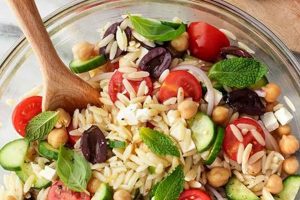
A classic example lies in the Mediterranean-inspired orzo salad. The saltiness of feta cheese finds balance in the acidity of a lemon vinaigrette. The sweetness of sun-dried tomatoes complements the slight bitterness of Kalamata olives. Fresh herbs like parsley or dill provide a refreshing counterpoint to the richness of the other ingredients. This interplay creates a multi-dimensional flavor profile that engages the palate on multiple levels. Without proper balancing, the salad could become overly salty, excessively acidic, or bland.
Achieving flavor balance requires an understanding of the intensity of each ingredient. Stronger flavors, such as sharp cheeses or cured meats, necessitate careful portioning and strategic pairing with milder components. A well-balanced orzo salad demonstrates complexity and depth, offering a more nuanced and enjoyable dining experience. This principle applies not only to Mediterranean variations but also to those featuring Asian-inspired flavors, incorporating ingredients like soy sauce, ginger, and sesame oil. Regardless of the specific flavor profile, balance remains paramount.
3. Texture Variation

Texture variation plays a crucial role in elevating orzo cold salad recipes from simple to sophisticated. A combination of textures creates a more engaging and satisfying culinary experience. The inherent softness of cooked orzo benefits from the incorporation of contrasting textural elements. This interplay prevents the salad from becoming monotonous and adds depth to each bite. Crunchy vegetables, such as diced cucumbers, bell peppers, or celery, provide a refreshing contrast to the tender orzo. Adding toasted nuts or seeds introduces a satisfying element of crispness and nuttiness. Crumbled feta cheese or shaved Parmesan contributes a creamy, salty dimension. Even incorporating protein, like grilled chicken or shrimp, introduces a firmer texture that complements the orzo and vegetables.
Consider a Mediterranean-inspired orzo salad. The soft orzo is complemented by crisp cucumbers and tomatoes, salty and crumbly feta cheese, and chewy Kalamata olives. Toasted pine nuts add a welcome crunch. This variety of textures elevates the salad, making it more enjoyable than if it were solely composed of soft ingredients. A similar principle applies to an orzo salad featuring roasted vegetables. The tender orzo contrasts beautifully with the slightly charred and firm roasted vegetables, creating a balance that enhances the overall sensory experience.
Understanding the importance of textural variation allows for intentional ingredient selection and preparation techniques to achieve the desired outcome. Blanching vegetables briefly helps maintain their crispness, while roasting intensifies flavors and creates a firmer texture. Toasted nuts and seeds offer a more pronounced crunch than their raw counterparts. Thoughtful consideration of these nuances elevates orzo cold salad recipes from basic to exceptional, providing a more satisfying and enjoyable culinary experience.
4. Dressing Choice

Dressing choice significantly influences the overall flavor profile and enjoyment of orzo cold salad recipes. The dressing acts as a unifying element, binding the individual ingredients together and enhancing their inherent flavors. A well-chosen dressing complements the other components without overpowering them, creating a harmonious balance. An inappropriate dressing, however, can mask the delicate flavors of fresh vegetables or clash with the other ingredients, resulting in a less satisfying dish. Therefore, careful consideration of dressing choice is paramount in creating a successful orzo cold salad.
- Flavor Compatibility:
The dressing’s flavor profile should complement the other ingredients in the salad. A light vinaigrette with lemon juice or red wine vinegar works well with Mediterranean-inspired salads containing ingredients like feta cheese, olives, and cucumbers. A creamy dressing based on mayonnaise or yogurt might complement salads featuring roasted vegetables or grilled chicken. The key is to select a dressing that enhances the existing flavors without introducing conflicting tastes.
- Acidity Level:
The acidity of the dressing plays a crucial role in balancing the flavors of the salad. A dressing that is too acidic can overpower the other ingredients, while a dressing that lacks acidity can result in a bland dish. The desired level of acidity depends on the other components of the salad. For example, a salad with sweeter vegetables might benefit from a more acidic dressing, while a salad with already tart ingredients, like pickled vegetables, might require a less acidic dressing.
- Texture and Consistency:
The texture and consistency of the dressing also contribute to the overall enjoyment of the salad. A light vinaigrette offers a refreshing, non-cloying texture, while a creamy dressing adds richness and body. The choice depends on personal preference and the other ingredients. A thicker dressing might coat the orzo and vegetables more evenly, while a thinner dressing might be more suitable for a salad with delicate ingredients.
- Timing of Dressing Application:
The timing of dressing application affects the final texture of the salad. Adding the dressing too far in advance can cause the orzo and vegetables to become soggy, particularly if using a vinaigrette. It is generally recommended to add the dressing shortly before serving to maintain the desired texture and prevent the salad from becoming overly saturated.
By carefully considering these facets of dressing choice, one can create an orzo cold salad that is both flavorful and texturally appealing. The dressing acts as the conductor of the culinary orchestra, bringing together the individual instrumentsthe ingredientsto create a harmonious and satisfying symphony of flavors.
5. Presentation
Presentation plays a significant role in the overall perception and enjoyment of orzo cold salad recipes. While flavor and texture remain paramount, visual appeal enhances the dining experience. A thoughtfully presented salad appears more appetizing and inviting, increasing anticipation and enjoyment. Conversely, a haphazardly arranged salad, even if flavorful, can appear less appealing. Therefore, attention to presentation elevates the dish from merely satisfying to truly delightful.
- Color Palette:
Vibrant colors contribute significantly to a visually appealing salad. Incorporating a variety of colorful vegetables, such as red tomatoes, orange carrots, yellow bell peppers, and green cucumbers, creates a vibrant and enticing presentation. The natural colors of the ingredients enhance the overall aesthetic and stimulate appetite.
- Arrangement and Composition:
The arrangement of ingredients influences visual appeal. Rather than simply tossing all ingredients together, consider creating a more deliberate composition. Arranging elements like orzo, vegetables, and protein in distinct sections or layers adds visual interest. Garnishing with fresh herbs or a sprinkle of feta cheese provides a finishing touch.
- Serving Vessel:
The choice of serving vessel further impacts presentation. A clear glass bowl showcases the colorful ingredients and layered composition of the salad. A rustic wooden bowl adds a touch of warmth and earthiness. Serving individual portions in small bowls or glasses adds an element of elegance and personalization.
- Garnishes and Finishing Touches:
Garnishes provide the final flourish, elevating the presentation from simple to sophisticated. A sprinkle of chopped fresh herbs, a drizzle of olive oil, a scattering of toasted nuts, or a few shavings of Parmesan cheese add visual appeal and enhance flavor. These finishing touches demonstrate attention to detail and elevate the perceived value of the dish.
Consideration of these presentational aspects elevates orzo cold salad recipes from basic to visually stunning. A well-presented salad not only tastes delicious but also provides a feast for the eyes, enhancing the overall dining experience and leaving a lasting positive impression. These principles apply equally to casual gatherings and more formal occasions, demonstrating that presentation enhances enjoyment across a spectrum of culinary contexts.
Frequently Asked Questions
This section addresses common inquiries regarding the preparation and enjoyment of orzo pasta salads served cold.
Question 1: What is the optimal cooking time for orzo intended for cold salads?
Orzo should be cooked al dente, slightly firm to the bite, to prevent a mushy texture in cold salads. Refer to package instructions for specific cooking times, typically 8-10 minutes, and reduce cooking time by a minute or two for optimal firmness.
Question 2: Can orzo pasta salad be prepared in advance?
Orzo pasta salad benefits from preparation in advance, as chilling allows flavors to meld. Ideally, prepare the salad a few hours before serving, excluding the dressing. Add the dressing shortly before serving to prevent the salad from becoming soggy.
Question 3: How long can orzo pasta salad be stored in the refrigerator?
Properly stored orzo pasta salad can typically be refrigerated for up to 3-5 days. Ensure the salad is stored in an airtight container to maintain freshness and prevent absorption of odors from other refrigerated items.
Question 4: What are suitable protein options for orzo pasta salad?
Numerous protein options complement orzo pasta salad. Grilled chicken or shrimp, canned chickpeas or white beans, cubed feta cheese, or hard-boiled eggs all provide substantial additions. Consider flavor compatibility with other salad ingredients when selecting a protein source.
Question 5: What vegetables pair well with orzo in cold salads?
A wide array of vegetables enhances orzo pasta salads. Common choices include chopped cucumbers, bell peppers, tomatoes, red onion, and olives. Seasonal vegetables offer optimal flavor and freshness. Consider color and textural variety when selecting vegetables.
Question 6: Can different types of dressings be used for orzo pasta salad?
Dressing versatility allows for customization based on preference. Light vinaigrettes with lemon juice or red wine vinegar offer a refreshing option. Creamy dressings based on mayonnaise or yogurt provide a richer flavor profile. The chosen dressing should complement the other ingredients without overpowering their individual flavors.
Understanding these aspects ensures successful preparation and enjoyment of orzo pasta salads. Attention to detail, from cooking the orzo to selecting complementary ingredients and dressings, elevates this versatile dish.
This concludes the frequently asked questions section. The following section will offer a collection of diverse recipe variations.
Orzo Cold Salad Recipes
Orzo cold salad recipes offer a versatile and refreshing culinary canvas. Exploration of ingredient selection, flavor balancing, texture variation, dressing choice, and presentation reveals the multifaceted nature of these dishes. Emphasis on fresh, seasonal produce, high-quality orzo, and complementary proteins ensures both nutritional value and gastronomic satisfaction. Careful consideration of flavor profiles, acidity levels, and textural contrasts elevates these salads beyond simple combinations. Proper cooking techniques and storage practices maintain optimal quality and food safety. The adaptability of orzo cold salad recipes allows for endless variation and customization, catering to diverse palates and dietary preferences.
The potential of orzo cold salad recipes extends beyond immediate enjoyment. Exploration of flavor combinations and culinary techniques fosters creativity and appreciation for the nuanced interplay of ingredients. These salads represent not merely a dish, but an opportunity for culinary expression and a celebration of fresh, seasonal produce. Continued experimentation and refinement of techniques promise further evolution and enjoyment of these versatile culinary creations.