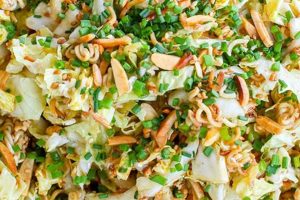
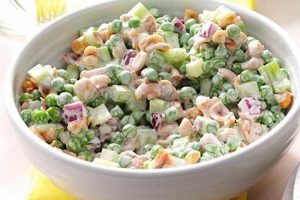
A basic preparation of this shredded cabbage dish typically involves a vinegar or mayonnaise-based dressing, often incorporating ingredients like shredded carrots, onions, and seasonings such as celery seed, mustard, and salt. Variations can include additions like shredded apples, raisins, or other fruits and vegetables. A classic example features finely shredded green cabbage combined with a creamy dressing made from mayonnaise, vinegar, sugar, and a touch of mustard.
This type of salad offers a refreshing and crunchy counterpoint to heavier dishes, making it a popular side for barbecues, picnics, and fried foods. Its simplicity and adaptability allow for easy customization to individual preferences, from tangy and vinegar-forward to rich and creamy. Historically, cabbage salads have existed for centuries, with versions appearing in various cultures long before mayonnaise became a common ingredient. The affordability and accessibility of the primary ingredient have contributed to its enduring appeal.
This exploration will delve into specific variations, offering step-by-step instructions, tips for ingredient selection, and guidance on achieving the perfect balance of flavors and textures.
Tips for a Perfect Coleslaw
Achieving a crisp, flavorful coleslaw involves attention to detail throughout the preparation process. These tips offer guidance for optimal results.
Tip 1: Cabbage Selection and Preparation: Opt for fresh, firm cabbage heads. Remove the core and finely shred the cabbage using a sharp knife or mandoline for consistent texture.
Tip 2: Salting the Cabbage: Salting the shredded cabbage and allowing it to rest for approximately 30 minutes before adding dressing draws out excess moisture, preventing a watery final product. Be sure to rinse and thoroughly dry the cabbage after salting.
Tip 3: Dressing Consistency: The dressing should be thick enough to coat the cabbage without being overly runny. Adjust the mayonnaise or vinegar ratio as needed to achieve the desired consistency.
Tip 4: Flavor Balancing: Balance sweetness, tanginess, and creaminess. Taste and adjust seasonings as needed, considering the sweetness of added ingredients like apples or raisins.
Tip 5: Chilling Time: Allow the coleslaw to chill for at least an hour before serving. Chilling allows the flavors to meld and enhances the crispness of the cabbage.
Tip 6: Ingredient Variations: Experiment with different ingredients to customize the flavor profile. Consider adding shredded carrots, red onion, chopped nuts, or dried fruits.
Tip 7: Storage: Store leftover coleslaw in an airtight container in the refrigerator for up to three days. Note that the texture may soften slightly over time.
By following these guidelines, one can create a coleslaw that is both flavorful and visually appealing. Careful preparation ensures a satisfying and refreshing culinary experience.
The subsequent sections will provide detailed recipes incorporating these techniques, offering further guidance for preparing a range of coleslaw variations.
1. Fresh, Crisp Cabbage

The foundation of any successful coleslaw rests upon the quality of its cabbage. Fresh, crisp cabbage provides the essential textural element, offering a satisfying crunch that complements the dressing and other ingredients. Understanding the nuances of cabbage selection and preparation is crucial for achieving optimal results in a simple coleslaw salad recipe.
- Cabbage Variety
Different cabbage varieties offer subtle variations in flavor and texture. Green cabbage, with its robust, slightly peppery flavor, is a classic choice. Red cabbage contributes a vibrant color and milder flavor. Savoy cabbage, with its crinkled leaves, offers a delicate texture and slightly sweeter taste. Selecting the appropriate variety contributes to the overall sensory experience.
- Indicators of Freshness
Choosing fresh cabbage heads is paramount. Look for heads that feel heavy for their size, with tightly packed leaves free from blemishes or browning. Avoid heads with cracked or wilted outer leaves. The core should be white and firm, indicating freshness. Proper selection ensures a crisp, flavorful coleslaw.
- Preparation Techniques
Proper preparation enhances the cabbage’s textural contribution. Removing the core and finely shredding the cabbage ensures even distribution in the salad and a pleasant mouthfeel. Using a sharp knife or mandoline slicer creates consistent shreds, preventing large, unwieldy pieces. Thorough washing and drying remove any debris and excess moisture.
- Storage and Handling
Storing cabbage correctly maintains its freshness. Refrigerate whole heads of cabbage in a perforated plastic bag to allow for air circulation. Once cut, store shredded cabbage in an airtight container in the refrigerator for up to two days. Proper storage prevents wilting and preserves the desired crispness.
The quality and preparation of the cabbage significantly influence the overall success of a simple coleslaw salad recipe. By understanding the nuances of cabbage selection, preparation, and storage, one can elevate a simple coleslaw from satisfactory to exceptional. A crisp, flavorful foundation of fresh cabbage allows the other ingredients and the dressing to shine, creating a harmonious and refreshing culinary experience.
2. Balanced Dressing

A balanced dressing is paramount in a simple coleslaw salad recipe. It provides the crucial bridge between the crispness of the cabbage and the overall flavor profile. A well-executed dressing enhances the inherent qualities of the cabbage without overpowering its delicate flavor. Balance hinges on the careful interplay of key components: acidity, sweetness, creaminess, and seasonings. An overly acidic dressing can be jarring, while excessive sweetness can be cloying. The right balance creates a harmonious flavor profile that complements the cabbage and other ingredients.
Consider a classic mayonnaise-based coleslaw dressing. The richness of the mayonnaise provides the creamy element, while vinegar introduces the necessary acidity. A touch of sugar balances the tang of the vinegar, and seasonings like celery seed, mustard, and salt add depth and complexity. The interplay of these elements is crucial. If the mayonnaise is too dominant, the dressing becomes heavy and masks the cabbage’s flavor. If the vinegar is too prominent, the salad becomes overly tart. A well-balanced dressing allows each element to contribute to the overall flavor profile without dominating the others. For example, a vinegar-based dressing might employ a higher ratio of vinegar to oil, balanced by a touch of sugar or honey and a pinch of salt.
Understanding the importance of a balanced dressing allows for recipe adaptation and customization. Dietary restrictions or personal preferences may necessitate ingredient substitutions. Replacing mayonnaise with Greek yogurt, for instance, alters the dressing’s texture and flavor profile. Adjusting the other ingredients increasing the vinegar for tang or adding a touch more sweetener maintains the necessary balance. This adaptability highlights the practical significance of understanding flavor dynamics in a simple coleslaw salad recipe. Ultimately, achieving a balanced dressing elevates the dish, transforming a simple combination of ingredients into a harmonious and flavorful culinary experience.
3. Simple Ingredients

The essence of a simple coleslaw salad recipe lies in its accessible ingredients. Simplicity does not equate to a lack of flavor; rather, it emphasizes the inherent qualities of readily available components. This focus allows for adaptability and ensures that the recipe remains approachable for a wide range of culinary skill levels. Examining the individual components reveals the crucial role each plays in the final product.
- Cabbage as the Foundation
Cabbage provides the textural and flavor base of coleslaw. Its availability and affordability make it a practical choice. Different varieties offer subtle flavor nuances, allowing for customization. The structural integrity of cabbage holds the salad together, providing a satisfying crunch.
- Carrots for Sweetness and Color
Shredded carrots introduce a touch of sweetness and vibrant color. Their readily available nature aligns with the recipe’s simplicity. Carrots contribute a pleasant textural contrast to the cabbage, enhancing the overall sensory experience.
- Onions for Pungency and Depth
Onions, whether red or white, add a subtle sharpness and depth of flavor. Their pungency balances the sweetness of other ingredients, creating a more complex flavor profile. A small amount contributes significantly without overpowering the delicate cabbage.
- Dressing as the Unifying Element
The dressing binds the ingredients together and provides the dominant flavor profile. Simple dressings, often based on mayonnaise or vinegar, rely on readily available pantry staples. Balancing acidity, sweetness, and creaminess in the dressing is crucial for achieving a harmonious flavor profile that complements the simple ingredients.
The simplicity of these ingredients underscores the accessibility and adaptability of the recipe. These core components form the basis of countless variations, allowing for customization based on individual preferences and dietary needs. This reliance on accessible ingredients ensures that a simple coleslaw salad remains a practical and flavorful dish achievable by anyone, regardless of culinary expertise.
4. Easy Preparation
Ease of preparation is a defining characteristic of a simple coleslaw salad recipe. Minimal culinary expertise and limited time investment are required to produce a satisfying result. This accessibility stems from the straightforward nature of the ingredients and the uncomplicated assembly process. Cause and effect are directly linked: simple ingredients and techniques result in a recipe easily executed by cooks of all skill levels. This characteristic contributes significantly to the recipe’s widespread popularity, positioning it as a practical choice for everyday meals, potlucks, and larger gatherings. For instance, a simple coleslaw requires no specialized equipment or advanced knife skills, unlike more complex salads involving intricate vegetable cuts or elaborate dressings. One can quickly combine shredded cabbage, carrots, and a pre-made dressing for a basic version within minutes.
The practical significance of easy preparation extends beyond individual convenience. Consider large-scale food production, such as catering events or preparing meals for institutional settings. The streamlined process allows for efficient scaling, ensuring that large quantities can be produced without significant time or labor investment. Moreover, the adaptability of a simple coleslaw salad recipe allows for modifications based on available resources or dietary restrictions. Substitutions can be made readily without compromising the fundamental ease of preparation. Using pre-shredded bagged coleslaw mix further reduces preparation time, making it an even more practical choice for busy individuals.
In summary, easy preparation is integral to the identity of a simple coleslaw salad recipe. This characteristic stems directly from the uncomplicated nature of its ingredients and assembly process. Practical implications range from individual convenience to efficient large-scale production. Understanding this connection emphasizes the recipe’s versatility and accessibility, reinforcing its position as a practical and satisfying culinary option.
5. Versatile Side Dish
The versatility of coleslaw as a side dish stems directly from its balanced flavor profile and adaptable nature. The inherent simplicity of the recipe allows it to complement a wide range of main courses, from grilled meats and barbecue to fried chicken and fish. This adaptability arises from the balanced interplay of sweet, tangy, and creamy elements in the dressing, which do not overpower other flavors on the plate. For example, a tangy vinegar-based coleslaw provides a refreshing counterpoint to rich, smoky barbecue, while a creamy coleslaw complements the crispy texture of fried chicken. This adaptability makes coleslaw a practical choice for diverse menus and culinary traditions.
Consider the practical implications of this versatility. In casual dining settings, coleslaw often appears as a staple side dish option, offering a refreshing and texturally contrasting element to heavier entrees. In more formal settings, customized versions incorporating specific ingredients or flavor profiles can elevate a simple coleslaw to a sophisticated accompaniment. For instance, a coleslaw with shredded apple and toasted walnuts adds a touch of elegance to an autumnal meal. Furthermore, the ability to prepare coleslaw in advance enhances its practicality for both casual and formal occasions, as it can be made ahead of time and chilled without compromising quality.
Understanding the connection between versatility and a simple coleslaw salad recipe highlights its enduring appeal and practical significance. This adaptability allows it to function effectively as a side dish across a spectrum of culinary contexts, from everyday meals to special occasions. The ability to customize flavors and textures while maintaining ease of preparation underscores the inherent value of this simple yet versatile dish. Recognizing this connection allows for greater appreciation of its role in diverse culinary traditions and its continued presence as a popular side dish choice.
6. Customizable Flavors

Customization is integral to the enduring appeal of the simple coleslaw salad recipe. The foundational recipe, relying on basic ingredients like shredded cabbage and a simple dressing, provides a blank canvas for flavor exploration. This adaptability stems from the recipe’s inherent simplicity, allowing modifications without compromising structural integrity or requiring complex techniques. Cause and effect are directly related: the basic recipe’s simplicity allows for extensive flavor customization. Consider the impact of ingredient additions. Incorporating shredded apple introduces sweetness and a contrasting texture, while adding dried cranberries provides tartness and chewiness. Toasted nuts or seeds contribute richness and crunch. These additions do not necessitate adjustments to the core recipe but enhance its complexity.
Real-world examples illustrate the practical significance of customizable flavors. Dietary restrictions can be accommodated seamlessly: vegan versions utilize plant-based mayonnaise or dressings based on tahini or cashew cream. Regional variations showcase cultural influences: a Korean-inspired coleslaw might incorporate kimchi paste and sesame oil, while a Mexican-inspired version could feature jalapeos and cilantro. These adaptations retain the fundamental simplicity of the original recipe while offering diverse flavor experiences. Moreover, individual preferences can be readily addressed: some prefer a tangier dressing, achieved by increasing the vinegar ratio, while others might opt for a sweeter profile by incorporating honey or maple syrup. Such customization empowers individuals to create versions tailored to specific tastes and dietary needs.
Understanding the connection between customizable flavors and the simple coleslaw salad recipe underscores its adaptability and broad appeal. This characteristic transcends individual preferences and extends to cultural adaptations and dietary accommodations. The ability to personalize flavor profiles without sacrificing simplicity positions this recipe as a versatile and enduring culinary choice. Recognizing the recipe’s inherent adaptability allows for greater culinary exploration and wider enjoyment, solidifying its position as a foundational dish with endless variations.
Frequently Asked Questions
This section addresses common inquiries regarding the preparation and variations of coleslaw.
Question 1: How can excess moisture in coleslaw be prevented?
Salting shredded cabbage and allowing it to rest for approximately 30 minutes draws out excess water. Rinsing and thoroughly drying the cabbage after salting is crucial.
Question 2: What are suitable alternatives to mayonnaise in coleslaw dressing?
Greek yogurt or sour cream offer lower-fat alternatives to mayonnaise, while vegan options include cashew cream or tahini-based dressings.
Question 3: Can coleslaw be prepared in advance?
Coleslaw benefits from chilling, allowing flavors to meld. Preparing it a day in advance enhances the overall experience, but storage beyond three days is not recommended.
Question 4: How can the texture of coleslaw be maintained during storage?
Storing coleslaw in an airtight container in the refrigerator helps maintain its texture. However, some softening may occur over time.
Question 5: What are common variations of traditional coleslaw?
Variations include incorporating ingredients such as shredded carrots, red onion, apples, raisins, or nuts. Dressings can range from creamy mayonnaise-based to tangy vinegar-based options.
Question 6: How can one achieve a balanced flavor profile in coleslaw?
Balancing sweetness, acidity, and creaminess is key. Adjusting the proportions of sugar, vinegar, and mayonnaise or alternative ingredients achieves the desired flavor profile.
Addressing these common inquiries provides a foundation for successful coleslaw preparation. Understanding these aspects contributes to a more informed and satisfying culinary experience.
The following section will explore specific recipe variations, incorporating the principles discussed above.
Simple Coleslaw Salad Recipe
Exploration of the simple coleslaw salad recipe reveals its enduring appeal rooted in simplicity, adaptability, and fresh flavors. Emphasis on fresh cabbage selection, balanced dressing creation, and accessible ingredients underscores the recipe’s practicality. Ease of preparation, versatility as a side dish, and customizable flavors contribute to its widespread popularity and adaptability to diverse culinary contexts. Understanding these core elements allows for informed recipe adaptation and personalized flavor exploration.
Culinary exploration often returns to fundamental principles. The simple coleslaw salad recipe exemplifies this notion, demonstrating that culinary satisfaction can be derived from accessible ingredients and straightforward techniques. Continued appreciation for this classic dish ensures its presence in culinary traditions for generations to come. Encouraging experimentation with flavors and textures within this simple framework promises further evolution and enjoyment of this versatile culinary staple.